

A bed sore dressing must handle the wound’s location, amount of drainage, and the need for frequent repositioning. Your choice also depends on whether you prefer a non-adherent pad, a material that forms a gel, or a bordered silicone dressing that stays in place.
The right dressing for bed sores should fit the area without bunching, manage the fluid you actually encounter, and support the care plan set by your healthcare professional. These seven options cover everything from light drainage to heavier exudate, with several sizes and formats designed for different parts of the body.
An Overview Of The Picks

COVIDIEN 1238 Telfa Pads 8 x 3
YEGE 4×4 Wound Pad

EASETEC Silver Alginate 4×4
Curad Non-Adherent 3×4
Dimora 7 x 7 Sacral Silicone Absorbent Wound Dressing with Border, 10 Count
Dimora 6 x 6 Silicone Absorbent Wound Dressing with Border, 20 Count

Dimora 5 x 5 Silicone Wound Dressing with Ultrasorb, 10 Count
A Deeper Look At The Lineup
The narrow 8-by-3-inch format makes the Covidien 1238 Telfa easier to place across a smaller sore or around a curved area. Its non-adherent film reduces the chance that the cotton pad will pull on fragile tissue during a dressing change, which is a meaningful benefit for light drainage.
Each sterile pad arrives in a peel-open envelope, helping you keep unused dressings separate at home. For most people managing a smaller pressure sore, that combination of low-profile coverage and simple packaging is more useful than a large bordered pad.
Real Benefits
- The non-adherent surface helps reduce pulling on healing tissue.
- The absorbent cotton core suits wounds with light drainage.
- Individual sterile envelopes simplify storage and handling.
- You can cut the bonded pad to fit a more confined area without separating its layers.
Practical Considerations
- You will need a separate method to secure the non-adhesive pad over the wound.
- The 8-by-3-inch shape may cover less area than the larger options in this list.
Key Specs
Who It Suits Best
You benefit most from this pad when the sore has light drainage and you value a non-sticking dressing you can shape and secure yourself.
Another Choice May Suit
The Dimora 5 x 5 Silicone Wound Dressing with Ultrasorb suits heavier drainage that calls for a self-adhering bordered pad.
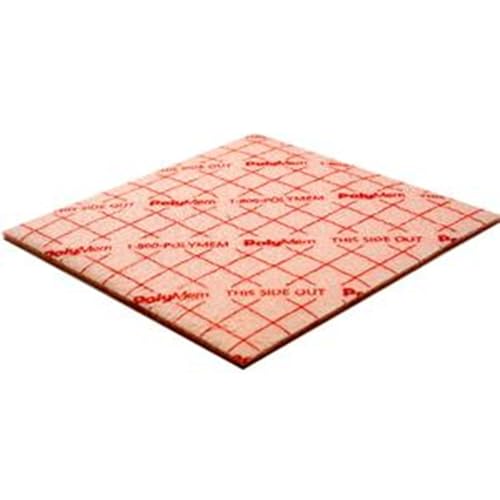
A familiar 4-by-4-inch square gives you a little more coverage than the Covidien 1238 Telfa without moving into the much larger sacral and bordered formats. You can use it as a straightforward, non-adhesive layer during a dressing change, especially when drainage is limited.
The main advantage here is simplicity. For a smaller home-care setup, a square pad may be easier to organize than a kit with secondary wraps, although the exact securing method remains an important part of the dressing process.
A Few Strong Suits
- The 4×4-inch size covers more area than the Covidien pad.
- Its non-adhesive design allows placement over the wound without an integrated adhesive border.
Some Limits To Know
- You need a separate tape, wrap, or another securement method.
- The square shape may fold or sit awkwardly over a sharply curved area.
Quick Facts
Built With In Mind
You benefit most from the YEGE 4×4 Wound Pad when you want a straightforward square dressing and already know how the pad will be secured.
Where A Sibling Pick Shines
The COVIDIEN 1238 Telfa Pads 8 x 3 suit you better when a sterile, individually wrapped, non-adherent layer is more important than a larger square footprint.
Unlike the Telfa and YEGE pads, the EASETEC Silver Alginate dressing is built around absorption and gel formation. Calcium alginate is a gelling fiber material, while the silver component releases ions as the dressing contacts wound fluid. Together, those elements suit moderate to heavy exudate, meaning fluid leaving the wound.
You can trim the 4-by-4-inch sheet to fit the wound, then use the included PBT gauze bandages to secure it. For moderate to heavy drainage, that complete format may be more practical than a basic non-adhesive pad, although the dressing still needs proper placement and securement.
What It Does Well
- Absorbent alginate fibers take up wound exudate and form a soft gel layer.
- Silver ions are released through contact with wound fluid.
- The flexible sheet conforms to body contours and can be trimmed.
- Two PBT gauze rolls provide a way to secure the dressing.
- Each dressing is individually packaged for clean storage.
Where It May Fall Short
- It is intended for moderate to heavy drainage rather than a dry wound bed.
- You need an appropriate secondary wrap or securement method.
Best Suited To
You benefit most from this dressing when the sore produces substantial drainage and a clinician has recommended an alginate-based dressing.
Swap It Out When
The Dimora 7 x 7 Sacral Silicone Absorbent Wound Dressing with Border suits you better when a self-adhering sacral format matters more than a trim-to-fit alginate sheet.
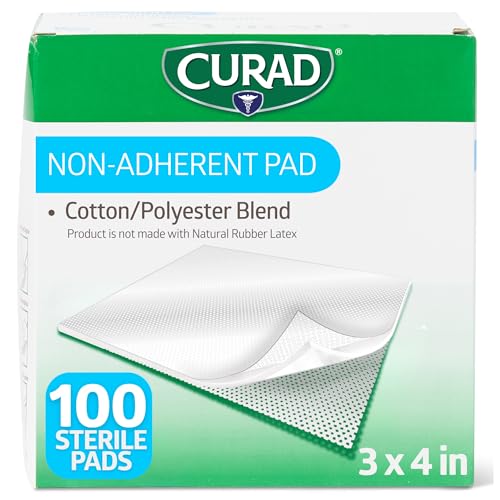
Curad combines a familiar non-adherent design with a soft, perforated top film that allows air to circulate. The 3-by-4-inch sterile pads are smaller than the square YEGE format and come in a large 100-count pack, which can be practical for a household managing repeated changes.
You still need to secure the dressing because the pad itself has no adhesive border. Compared with the larger Dimora options, though, the smaller footprint may sit more comfortably over a limited sore without creating extra bulk around the wound.
Reasons It Performs
- The perforated top layer permits airflow over the dressing.
- Non-adherent contact reduces pulling on the wound during removal.
- A 100-count pack supports a high-volume dressing supply.
- The 3×4-inch size fits more compact wound areas.
Points To Note
- Separate securement is required for the non-adhesive pad.
- Its 3-by-4-inch footprint may be too small for a broader sore.
Feature Snapshot
The Right Fit
You benefit most from the Curad Non-Adherent 3×4 when you need sterile, low-drainage dressings and prefer a larger supply count.
Look Elsewhere When
The EASETEC Silver Alginate 4×4 suits you better when moderate to heavy exudate calls for an absorbent dressing that forms a gel.
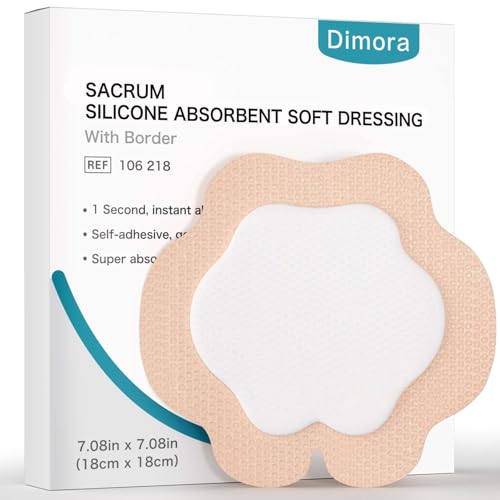
Pressure injuries over the lower back, sacrum, or coccyx need more directional coverage than a square pad provides. The Dimora 7 x 7 Sacral Silicone Absorbent Wound Dressing with Border uses an extended absorbent tail that the manufacturer states is 23 percent wider for coverage of this area.
Its silicone border grips surrounding skin without a rigid backing, and the shape is designed to manage moderate to heavy drainage during sitting, sleeping, or repositioning. In practice, you may find this format more useful than the flat EASETEC sheet whenever the sore lies over a rounded, hard-to-dress region.
Features That Help
- The extended tail covers the lower sacrum and coccyx region.
- The absorbent core helps manage moderate to heavy exudate.
- Silicone adhesive provides a gentle border around the dressing.
- The larger 7-by-7-inch format suits broad wound areas.
- Ten dressings offer a manageable supply for a specific care routine.
A Few Limitations
- The extended shape may overlap sensitive skin beyond the wound.
- Full border contact matters for secure placement during repositioning.
At A Glance
Who Will Love This
You benefit most from this dressing when the sore sits over the sacrum or coccyx and heavy drainage makes a specialized shape important.
Reach For A Different Pick When
The Dimora 6 x 6 Silicone Absorbent Wound Dressing with Border suits you better for a large wound located away from the sacral area.
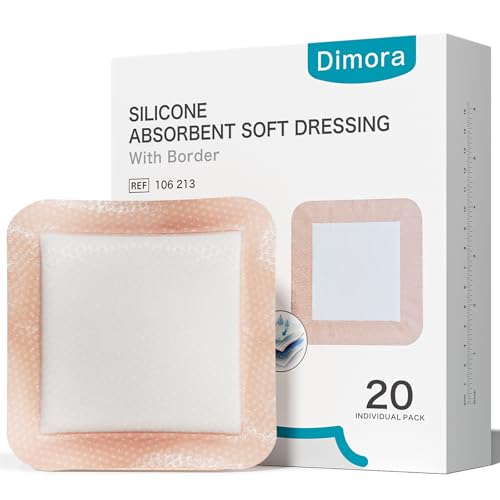
Where the sacral model adds a shaped tail, this Dimora option keeps a more traditional 6-by-6-inch square for larger wounds elsewhere on the body. Its superabsorbent polymer core converts exudate into gel, and the manufacturer states that the core can absorb up to 20 times its own weight.
The silicone border and elastic internal design help the dressing conform to the wound area and resist lifting as you move. You may find that combination particularly useful for heavier drainage, but the 6×6-inch footprint needs enough surrounding skin for the adhesive border to sit flat.
Where It Delivers
- The absorbent polymer core locks wound fluid into a gel state.
- A silicone adhesive border helps keep the dressing in place.
- The 6×6-inch size covers larger wound areas.
- The 20-count pack supports a substantial dressing supply.
Possible Compromises
- The broad square may be excessive for a smaller wound.
- The adhesive border needs clean, dry surrounding skin for consistent contact.
Made For
You benefit most from this dressing when a large area produces heavy exudate and you want a bordered pad that stays attached during movement.
A Better Fit Elsewhere
The Dimora 7 x 7 Sacral Silicone Absorbent Wound Dressing with Border suits you better when the wound is over the sacrum or coccyx and needs an extended tail.
The Dimora 5 x 5 Silicone Wound Dressing with Ultrasorb sits between the compact Curad pad and the larger bordered Dimora choices. Its Ultrasorb polymer core manages heavy exudate by turning the fluid into gel, while the silicone adhesive border gives you a dressing that does not need separate tape.
Compared with the 6×6-inch version, this smaller square may cover a moderate wound with less surrounding overlap. That makes it a practical middle ground for heavier drainage, provided the adhesive border has enough room and the wound’s location allows a square dressing to lie flat.
Advantages To Know
- The Ultrasorb core absorbs heavy exudate and forms a gel.
- Silicone adhesive allows direct placement over surrounding skin.
- The 5×5-inch size balances coverage and compactness.
- Elastic construction helps the dressing conform to body contours.
- Ten dressings come in each pack.
Details To Watch
- The square format does not provide the extended coverage of the sacral model.
- Full border contact remains important for secure placement.
Technical Highlights
Whose Shelf It Belongs On
You benefit most from this dressing when heavy drainage needs an absorbent bordered pad but a 5×5-inch footprint offers a better fit than a larger square.
Not Your Match When
The Dimora 6 x 6 Silicone Absorbent Wound Dressing with Border suits you better when the wound area needs more coverage than this smaller square provides.
What Matters Most in Bed Sore Dressing
Match the Dressing to Drainage
Drainage level, or exudate, is the amount of fluid leaving the wound. A non-adherent cotton pad works well for light drainage, while alginate and polymer-based dressings are intended for wetter wounds that benefit from absorption and gel formation. A wound that remains dry needs a different approach, so the appearance of the dressing should match the care plan you already follow.
Account for Location and Skin
Sacral wounds sit over a rounded area and often need a shaped dressing that covers the lower sacrum and coccyx. Smaller wounds may suit a compact square, while larger areas need enough surrounding skin for the adhesive border. Gentle silicone adhesive is useful on fragile skin, but careful placement and clean, dry borders still matter.
Plan for Changes and Securing
Non-adhesive pads need tape, gauze, or another securing method. Bordered dressings simplify that step, although the adhesive can lift during repositioning or moisture. Choose a size that covers the wound without excessive overlap, and keep enough supplies for the change schedule specified in your care plan.
Smart Details That Change the Fit
Mistakes Worth Dodging
A common mistake is selecting by size before considering drainage or location. Another is choosing a bordered dressing for a narrow sore, creating unnecessary overlap. Check the wound dimensions, fluid level, skin condition, and securement method before purchasing.
What Separates Premium From Basic
Bordered silicone dressings add adhesive and stretch, while alginate sheets add absorption and gel formation. These features can reduce the need for separate securement or suit heavier drainage. The upgrade matters when your wound location and fluid level match those design advantages.
Frequently Asked Questions
How Do You Choose a Dressing for a Bed Sore?
Start with the amount of drainage, wound location, and surrounding skin condition. The dressing should also fit the size and shape of the sore while matching your care plan.
Are Non-Adherent Pads Suitable for Light Drainage?
Non-adherent pads can be useful for light drainage because their contact layer is designed to reduce sticking. You still need an appropriate method to hold the pad in place.
When Does a Silicone Bordered Dressing Make Sense?
A silicone bordered dressing suits wounds with drainage and surrounding skin that can support adhesive placement. It is particularly useful when separate tape or gauze would complicate the dressing change.
Does Silver Alginate Work for Every Bed Sore?
Silver alginate is intended for wounds with moderate to heavy drainage, where absorption and gel formation are useful. Your care professional can confirm whether its material and silver component suit your specific wound.
How Often Should a Dressing Be Changed?
Change the dressing according to the schedule in your care plan and the amount of fluid present. Saturated, loose, wet, or soiled dressings generally need attention sooner.
The Takeaway
The best match starts with drainage and location, then narrows to size, securement, and skin comfort. Lightly draining wounds may need a simple non-adherent pad, while heavier exudate and sacral placement call for alginate, gel-forming, or shaped bordered dressings. Choose the format that supports the care plan your healthcare professional has established.
