

A tart-sweet hybrid fruit that sits between raspberries and blackberries delivers fiber, vitamin C, and berry pigments in each serving. When you choose the whole berry, you get antioxidants, dietary fiber, anthocyanins, and manganese in a form your body can use.
This article covers the wellness perks of loganberries, from their nutrient profile to practical ways to add them to smoothies, jams, and snacks for anyone curious about this unusual berry hybrid.
Key Takeaways
- Loganberries bring fiber, vitamin C, and plant compounds that fit well in whole-fruit eating.
- The fruit’s benefits stay modest, so whole berries beat syrupy jams and sweetened drinks.
- Its antioxidants come from anthocyanins and polyphenols, the same broad family found in darker berries.
- They can be eaten fresh, frozen, cooked, stirred into yogurt, or brewed as tea.
- Loganberries can fit breakfast, snacks, and dessert, but sugar changes the nutrition picture fast.
What a loganberry brings to the table
A loganberry is a hybrid berry that carries traits from both blackberries and raspberries, so the flavor lands between dark, juicy, and sharp. That mix matters because loganberry benefits come from the whole package, not one dramatic compound.
In a plain nutrition snapshot, the fruit is known for fiber, vitamin C, and low fat. It also contains anthocyanins, polyphenols, iron, manganese, folate, vitamin K, and vitamin E in smaller amounts, which makes it a useful food rather than a miracle food.
Hybrid fruit with familiar traits
The berry takes its name from a cross that was developed in the late 1800s, and the fruit still shows that mixed identity in the kitchen. Raspberries bring a softer tartness, blackberries add deeper color and body, and the loganberry sits between them with a wine-like edge.
That blend matters for your table because it gives one fruit that can play sweet or sharp depending on ripeness and preparation. It also explains why the fruit works in fresh bowls, sauces, and preserves without tasting one-note.
Whole fruit beats single-compound thinking
The healthiest way to judge any berry is by the full fruit matrix, not by one headline nutrient. Fiber, water, acids, and plant pigments work together in the same bite, and that combination is part of why loganberry nutrition gets attention.
That same logic is what makes the fruit easier to slot into daily meals. A spoonful of jam is a very different food from a cup of whole berries, so the form you choose shapes the benefit you actually get.
Simple nutrition context for one serving
| Nutrient area | What it does in the body | Why it matters for loganberries |
|---|---|---|
| Fiber | Adds bulk and slows digestion | Helps with fullness and bowel regularity |
| Vitamin C | Needed for collagen formation | Links the fruit to immune support and skin structure |
| Anthocyanins | Plant pigments with antioxidant activity | Contribute to the dark berry color and cell protection |
| Polyphenols | Broad group of protective plant compounds | Often studied for heart and metabolic health |
A serving of berries is small in calories but dense in plant compounds, which is the real nutrition story here. Loganberries are low in fat, and that makes them easy to fit into a balanced plate with oats, yogurt, or plain nuts.
Taken together, those compounds explain why the fruit’s value comes from how its parts reinforce one another.
14 benefits worth knowing
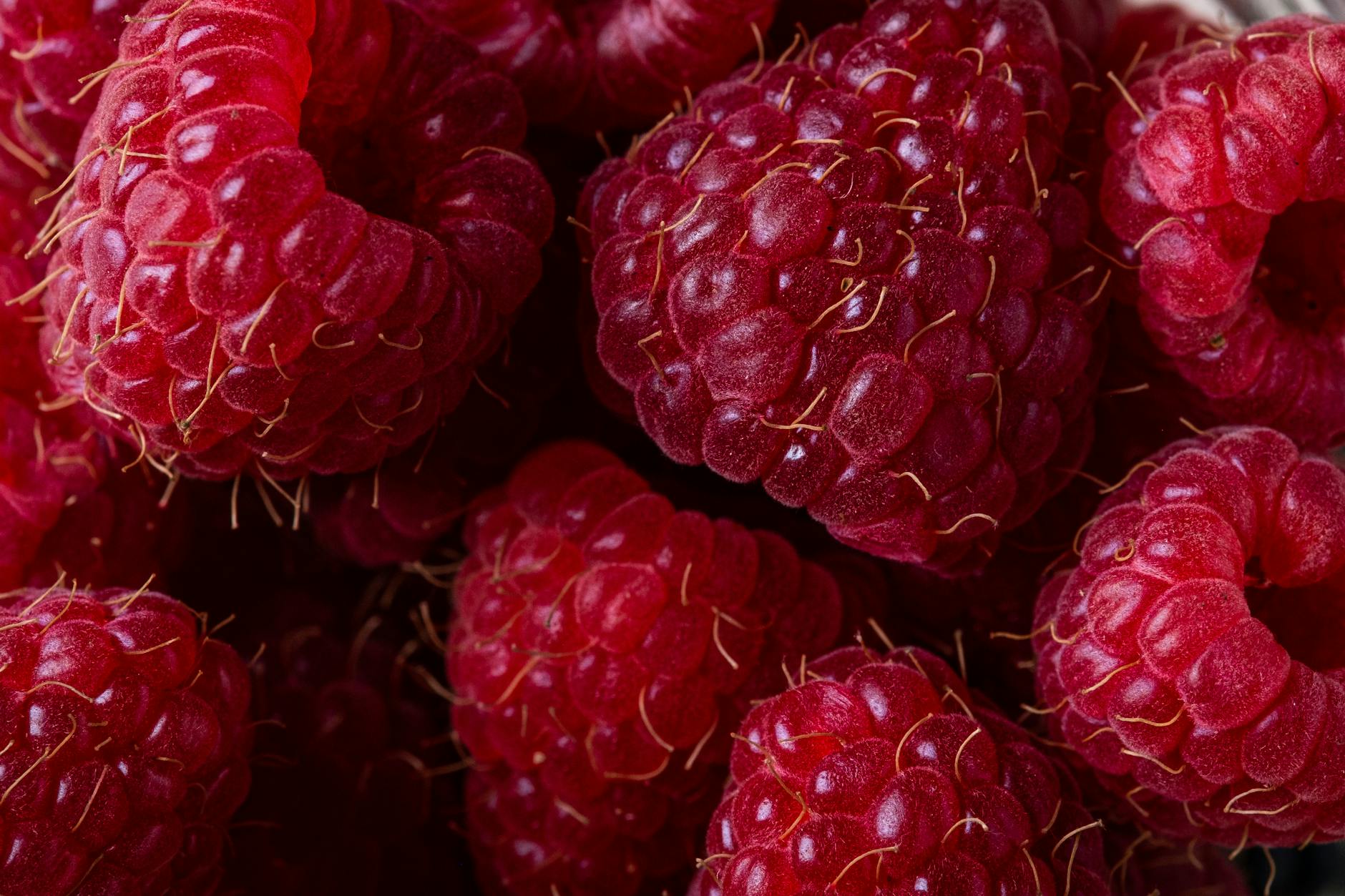
Each benefit below stays tied to what loganberries actually contain, so you can separate solid nutrition value from loose health talk. The strongest claims come from fiber, vitamin C, and antioxidant compounds, while the broader ones rest on how berries fit a healthy diet overall.
Digestive support and regularity
- 1. Adds dietary fiber One serving gives your gut a structural aid that helps stool move with more ease.
- 2. Promotes regularity The fiber and water in whole berries can make bowel patterns steadier than low-fiber snacks.
- 3. Helps fullness after meals Fiber slows stomach emptying, so a bowl of berries may leave you satisfied longer.
- 4. Fits gentle eating patterns The soft texture works well if you want fruit that fills you up without feeling heavy.
Those effects are practical, not dramatic, and that is part of the appeal. For loganberries for digestion, the real value comes from eating the whole fruit rather than straining out the pulp or turning it into a sugary syrup.
Immune and tissue support
- 5. Supplies vitamin C Vitamin C helps the body make collagen, a protein needed for skin, gums, and connective tissue.
- 6. Supports immune function The vitamin C content helps white blood cells work through normal immune tasks.
- 7. Aids wound repair Collagen formation matters for the repair process that follows everyday scrapes and minor tissue stress.
Vitamin C does not turn berries into medicine, but it does make them nutritionally useful. A fruit that brings vitamin C and fiber together gives more than a sweet snack, especially in breakfast or lunch settings where produce tends to be skipped.
Antioxidant and cell protection value
- 8. Delivers anthocyanins These pigments help explain the dark red color and may help protect cells from oxidation.
- 9. Brings polyphenols Polyphenols are plant compounds studied for their role in broader wellness patterns.
- 10. Adds oxidative stress protection Antioxidants help the body manage normal wear from metabolism, sun, and pollution.
The chemistry matters here. Anthocyanins donate electrons to unstable molecules, which can reduce oxidative damage under certain conditions, and that mechanism is one reason dark berries draw research interest. A bowl of fruit is not a cure, but it does bring compounds the body can use in daily maintenance.
Heart, metabolic, and daily diet angles
- 11. Fits heart health goals Berries with fiber and polyphenols are often studied in relation to vascular function and cholesterol patterns.
- 12. May help steady eating habits Fullness from fiber can make a snack pattern less erratic, which matters for appetite control.
- 13. Supports metabolic wellness Whole fruit tends to fit better than refined sweets because it brings fiber with natural sugars.
- 14. Works in balanced meal planning Low fat and moderate sweetness make it easy to pair with foods that need texture and acidity.
The broader benefit list stays modest for a reason. Loganberry benefits come from a food pattern, not from a single serving acting like a fix, and that distinction keeps your expectations grounded while still making the fruit worthwhile.
With that bigger-picture guidance in mind, the real question becomes how often they can appear at the table.
How fiber, vitamin C, and antioxidants work together
Those nutrients do different jobs, then meet in the same meal. That combination is why the fruit feels more useful than candy-sweet produce with little structure.
Fiber changes the pace of digestion
Fiber adds bulk, which helps the digestive tract move material along at a steadier pace. It also slows the rush of sugar into the bloodstream after a meal, so a fruit serving feels more even than juice or jam.
That slower pace matters in everyday eating because a snack that satisfies for two hours is easier to live with than one that disappears in twenty minutes. In loganberries, the fiber sits inside the fruit cells, so chewing the whole berry matters.
Vitamin C builds more than one tissue
Vitamin C helps enzymes form collagen, the protein that gives structure to skin, blood vessels, bones, and gums. It also participates in normal immune cell activity, which is why berry fruit lands in the immune support conversation without claiming to cure anything.
A cup of berries will not replace a full meal, but it can add a useful micronutrient layer. That matters most during routines with few vegetables, where fruit may carry more of the vitamin C load for the day.
Plant compounds add a second layer of protection
Anthocyanins and polyphenols are not vitamins, yet they matter because they interact with oxidation chemistry in the body. Think of them as background support that comes with many dark fruits, tea, cocoa, and red grapes.
Some research on berry pigments looks at blood vessel function, inflammation markers, and metabolic patterns, but those findings vary by fruit, dose, and study design. That aligns with guidance from Harvard’s T.H. Chan School of Public Health and similar nutrition groups: regular berry intake fits best as part of an overall pattern.
That everyday context makes comparisons useful, because familiar berries show how small differences shape taste and nutrition.
For your kitchen, the simplest rule is plain fruit before sweetened forms. Whole berries keep the fiber, while juices and jams strip away much of the structure that changes how the body handles sugar.
Where loganberries fit in a daily diet
A handful of berries can disappear into breakfast in under a minute, which is why the fruit fits real life better than elaborate recipes. Fresh, frozen, cooked, or stirred in, the fruit gives flexibility without much prep.
Because the flavor is tart, loganberry benefits show up most clearly in foods that already welcome acidity. Yogurt, oatmeal, chia pudding, and whole-grain bakes all handle that sharp edge well, while cream-based desserts soften it.
Easy ways to use the fruit
- Fresh bowls Add them to breakfast fruit bowls for color, texture, and fiber.
- Frozen portions Keep frozen berries for smoothies, sauces, or quick thawing over oats.
- Cooked compotes Simmer with a little water to spoon over pancakes or yogurt.
- Baked dishes Fold into muffins, crisps, or whole-grain scones.
- Tea and infusion Use the fruit or leaves in a warm drink for flavor rather than nutrition alone.
Those uses work because the berry keeps a firm identity under heat. A brief simmer softens the skin and releases juice, while longer cooking turns the flavor jammy and deeper, which is useful in sauces for pork, duck, or roasted vegetables.
Tea, jam, and dessert need sugar awareness
Loganberry tea benefits are mostly about hydration and flavor, not a special medical effect. Once sugar enters the picture through bottled drinks, jam, or dessert fillings, the balance shifts away from the fruit itself and toward added sweeteners.
That trade-off matters in Buffalo, New York, where loganberry drink has cultural pull and often comes in sweetened form. The fruit name may stay the same, but the nutrition profile changes fast once syrup becomes the main ingredient.
Whole fruit versus juice
Whole fruit wins for fiber, chewing time, and appetite control. Juice can still have vitamin C and flavor, but the missing pulp means faster sugar absorption and less fullness after the glass is empty.
For everyday use, that difference is the most practical one to remember. A bowl of berries can sit beside breakfast; a glass of juice behaves more like a sweet beverage, even when the fruit name sounds healthy.
Even so, practical details matter once you choose berries, from freshness and storage to knowing what your body tolerates.
Comparing loganberries with familiar berries
A side-by-side look makes the choice easier because you can see what changes and what stays similar. Loganberry vs blackberry nutrition is close enough that the bigger difference is usually taste, not a giant nutrient gap.
Blueberries, blackberries, and loganberries all bring plant pigments and fiber, but each berry has its own texture and role in the kitchen. That is why the best berry is often the one you will eat plain, frozen, or mixed into a meal.
| Berry | Main strengths | Kitchen use |
|---|---|---|
| Loganberry | Fiber, vitamin C, anthocyanins, tart-sweet flavor | Tea, jams, sauces, yogurt, baked fruit dishes |
| Blackberry | Very high fiber, deep color, sturdy texture | Snacking, baking, cereal, sauces |
| Blueberry | Milder sweetness, easy snacking, broad use in breakfasts | Fresh eating, muffins, oatmeal, smoothies |
Where the fruits overlap
All three berries carry antioxidants, and all three fit well in a meal plan built around plants. They also bring water and natural sweetness, which helps you satisfy a sweet craving without leaning on pastries or candy bars.
In plain terms, the shared benefit is simple: you get a fruit that contributes fiber and plant compounds instead of empty sweetness. That is why daily berry use tends to fit better than daily dessert use.
Where loganberries stand apart
Loganberries lean tarter than blueberries and a little softer than many blackberries, so they work well in recipes that need brightness. Their texture makes them especially useful in preserves, compotes, and drinks where a raspberry-like snap helps the flavor stay lively.
For your plate, the answer is practical rather than dramatic. Choose loganberries for the flavor and texture you want, then rely on the broader berry family for similar nutrition if the fruit is hard to find.
Which berry makes the most sense
Blackberries bring strong fiber density, blueberries bring convenience, and loganberries bring a distinct tart complexity. That makes loganberries worth choosing when they are fresh and ripe, especially if you want a fruit that stands up to cooking.
In most kitchens, the healthiest choice is the berry you’ll actually eat. That keeps the decision grounded in habit, not hype.
That flexibility makes them easy to keep on hand, and it leaves only the larger takeaway to consider.
Side effects, storage, and smart buying
Some stomachs react more strongly to berries than others, especially with high fiber or acidity. Start small, watch your own response, and let the fruit fit your tolerance instead of forcing a larger serving.
Who may want to limit intake
- Acid sensitivity Berries with strong acidity can irritate a sensitive mouth or stomach.
- High-fiber load High fiber may feel rough if your gut is already unsettled.
- Allergy concern Berry allergy is uncommon, but itching, swelling, or rash needs attention.
- Large servings Digestive symptoms can worsen if you eat a large serving too quickly.
People sensitive to berry acids can feel mouth or stomach irritation from tart fruit, and that includes some loganberries. High fiber can also feel rough on a very sensitive gut, especially on a day with little water or a lot of other roughage.
Berry allergy is uncommon, but it can happen, and any itching, swelling, rash, or breathing trouble calls for medical help. A history of fruit allergy deserves extra caution with any new berry, not just this one.
Sugar matters in sweet forms
Jams, desserts, and sweet drinks can push the sugar content far beyond whole fruit levels. That does not erase the berry flavor, but it does change how often the food belongs on your table.
For that reason, whole or frozen fruit is the steadier everyday choice. Sweetened versions make more sense as occasional extras, not as your main berry source.
Buying and storage that keep the fruit usable longer
Choose berries that look dry, plump, and evenly colored, with no soft moldy spots at the bottom of the container. The fruit bruises fast, so shallow containers and gentle handling matter more than flashy packaging.
Refrigerate unwashed berries in a breathable container, then rinse just before eating. Frozen loganberries hold up well in smoothies and cooked dishes, which gives you a backup option when fresh fruit is out of season.
Final thoughts
The real value of loganberry benefits comes from a simple mix of fiber, vitamin C, and berry pigments that fit into normal meals without much effort. Choose the whole fruit most often, keep sweetened forms in a smaller role, and you get the best version of a berry that earns its place through everyday use.
FAQ
What are loganberries good for?
With almost no prep, these berries can add fiber, vitamin C, and antioxidant compounds to everyday meals. They fit breakfast bowls, sauces, baked dishes, and tea, which makes them easier to use than many niche fruits.
What nutrition benefits do loganberries provide?
Loganberries provide dietary fiber, vitamin C, anthocyanins, and other plant compounds that support a balanced diet. The fruit also brings manganese and low fat, so the nutrition facts point toward a useful whole food rather than a sugary treat.
Are loganberries healthy to eat every day?
Whole loganberries can fit into a daily fruit routine if your digestion tolerates them and you keep portions sensible. The main limits are acidity, fiber load, and sugar in sweetened forms, so your best choice is usually fresh or frozen fruit.
How do loganberries compare with other berries?
Loganberries sit between raspberries and blackberries in flavor, and their loganberry vs blackberry nutrition gap is usually smaller than the taste difference. Blackberries tend to bring more fiber density, while loganberries bring tart complexity and strong use in cooking.
What are the main health benefits of loganberries?
Fiber for digestion, vitamin C for collagen and immune support, and antioxidants for everyday cell protection make these berries especially useful. Those loganberry benefits are strongest when you eat the whole fruit instead of sweetened products.
Are there any downsides or cautions to eating loganberries?
Yes. Loganberry side effects can include mouth irritation, stomach upset, or allergy symptoms in sensitive people, especially with a large serving or a very tart batch. Sweetened drinks, jams, and desserts also raise sugar enough to change the nutrition picture.
