

A single serving of this sticky soybean dish delivers protein, fiber, vitamin K2, and several bioactive compounds from fermentation. Because fermentation changes the beans, natto can support gut health, bone metabolism, and circulation in ways plain soybeans do not.
This guide covers what makes natto stand out, from its fermentation heritage to the compounds linked with digestion, bone support, and heart health, so you can judge whether it fits your routine.
Key Takeaways
- Core nutrition: Natto starts with protein, fiber, vitamin K2, and fermentation-derived compounds, not hype.
- Main themes: Digestive comfort, bone metabolism, and circulation are the three areas that show up most often.
- Important distinction: Nattokinase and vitamin K2 are different, and your safety questions depend on that difference.
- Modest starting point: A small serving is the most defensible way to begin, especially for your first few tries.
- Key cautions: Blood thinners, soy allergy, and digestive sensitivity are the main reasons to use care.
Natto’s Place In Fermented Food Culture
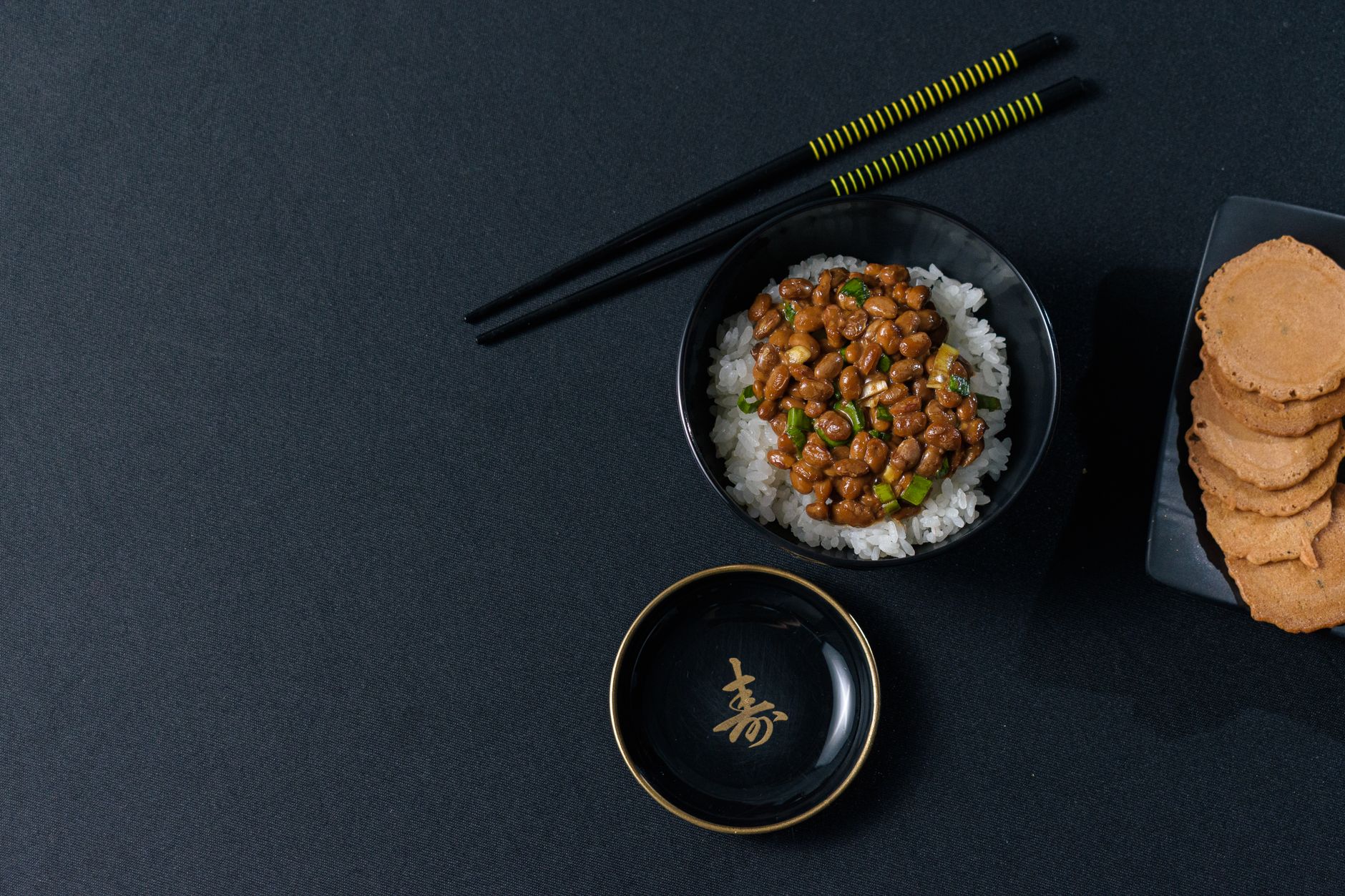
That sticky breakfast bowl is built from fermented soybeans, and the smell comes from Bacillus subtilis natto working on the beans. The result is a strong aroma, a stringy texture, and a food that feels very different from plain cooked soy.
In Japanese cuisine, natto is a common breakfast food, often served with rice, mustard, scallions, or soy sauce. You will also see it described as a functional food because people look at it for gut health, bone metabolism, and heart health, not just calories.
Why Fermentation Changes The Food
Fermentation breaks down part of the soybean structure and creates bioactive compounds that are not present in the raw bean in the same form. That shift matters because the food becomes more than a simple side dish once vitamin K2, nattokinase, and other fermentation byproducts enter the picture.
Soybeans begin as a straightforward plant protein source, then microbes change both the texture and the chemistry. That is not magic, but it is enough to make natto stand apart from plain cooked beans.
Why It Appears At Breakfast
Morning meals are where natto fits most naturally because it pairs well with rice, miso soup, and eggs. That placement matters for your routine because breakfast is where a nutrient-dense choice can replace pastries, sugary cereal, or a fast-food sandwich with very little effort.
Some people value natto for that reason alone. A first meal with protein, fiber, and a few micronutrients often sets up a steadier start to the day.
That breakfast advantage leads straight into the nutrients that make the food worth discussing in the first place.
Because the science is uneven, the real story is which benefits hold up under scrutiny.
The Nutrients And Bioactive Compounds Behind The Hype
The nutrition profile starts with whole-food basics: soy protein, fiber, and a spread of micronutrients that vary by brand and preparation. A typical serving can be modest in size yet still add iron, magnesium, potassium, and vitamin K to your day.
What makes natto stand out is that the whole food and the fermentation products do different jobs. Protein and fiber act like food, while vitamin K2, isoflavones, nattokinase, and related compounds are the pieces that get the most attention in natto nutrition conversations.
| Component | What it is | Why it matters for you |
|---|---|---|
| Soy protein | Plant protein from fermented soybeans | Helps build a more filling meal and contributes to your daily protein intake |
| Fiber | Carbohydrate that resists digestion | Supports meal fullness and a steadier rise in blood sugar after you eat |
| Vitamin K2 | Fat-soluble vitamin linked to normal bone metabolism | Helps direct calcium handling in your body |
| Nattokinase | Enzyme formed during fermentation | Studied for its role in blood clot breakdown |
| Isoflavones | Soy compounds with biological activity | May contribute to antioxidant and hormone-related effects for you |
| Bacillus subtilis natto | Fermenting bacterium | Creates the texture, aroma, and many bioactive changes you notice |
Vitamin K2 gets the most attention because it helps activate proteins involved in normal bone metabolism. That mechanism matters in a food context since your body does not use calcium well in isolation; calcium handling depends on proteins that help direct where it goes.
Nattokinase is separate from vitamin K2, and the distinction matters. It is an enzyme, not a vitamin, and the studied interest around it centers on blood clot breakdown rather than bone building, which is why safety questions differ from nutrient questions.
Whole Food Effects And Isolated Enzyme Claims
Protein, fiber, and micronutrient intake make whole-food effects easier to support than isolated enzyme claims. Claims about nattokinase deserve more caution because the enzyme is studied in a narrower way and the practical effect in everyday eating is harder to pin down.
That split helps you sort signal from noise. Natto can be a nutrient-dense food without every claim around it being equally strong, and that is the right lens for the rest of the natto benefits discussion.
Those mixed effects make it worth sorting the claims that are well supported from the ones that are merely plausible.
Fourteen Benefits, From Digestion To Circulation
A serving of natto brings a lot more than texture, and the strongest benefits come from the food matrix rather than a single miracle compound. The list below separates the better-supported health benefits of natto from the more tentative ones so you can judge them clearly.
That separation matters because some claims rest on nutrition logic while others are still early or indirect. You get a cleaner read on the food when each benefit stands on its own.
Digestive support from fermentation
- Fermented bacteria: Bacillus subtilis natto may help shape a gut environment that handles fermented foods well for you.
- Microbiome friendly compounds: Fermentation can create compounds that support a more varied gut community in your system.
Fermented foods are not probiotics in the same way as a capsule with labeled strains, but they can still influence the microbiome. Natto may fit that pattern through its fermentation products and the way your gut responds to a food that has already been partially transformed.
Regularity and stool quality
Fiber is one of the clearest reasons natto may fit a digestive routine. It adds bulk, slows digestion, and can make bowel movements more consistent when the rest of your meals also contain enough fluids and plant foods.
A breakfast bowl with natto and rice can work better than a refined-carb meal because it changes the pace of digestion. That does not make it a remedy for digestive problems, but it does make the meal pattern more gut-friendly for you.
Bone metabolism support from vitamin K2
One key nutrient for bone metabolism is vitamin K2, which helps activate proteins that direct calcium into the right places. That role matters more when your meals are low in nutrient density, since your skeleton depends on more than calcium intake alone.
The practical point for you is simple: natto adds a bone-related nutrient that many plant foods do not provide in the same amount. The food is not a substitute for medical care, but it does bring a rare nutrient to the table.
Protein support for satiety and muscle maintenance
Soy protein contributes to fullness after a meal, which can make breakfast feel steady instead of skimpy. Protein also matters for muscle maintenance across the day, especially when your routine leans on plant foods.
A serving of natto paired with rice, vegetables, or eggs creates a meal with more staying power than toast alone. That helps explain why the health benefits of natto often show up in diet quality discussions, not only in supplement-style conversations.
Fiber for steadier blood sugar response
Fiber slows the pace at which carbohydrates leave the stomach and enter the bloodstream. That can soften the post-meal rise in blood sugar compared with a low-fiber breakfast, especially when the meal includes white rice, bread, or other starches.
The effect depends on the full meal, not natto in isolation. Still, a fiber-rich food can improve the shape of breakfast in a way that matters for your everyday energy and appetite control.
Micronutrients for everyday nutrition
Natto brings more than one useful micronutrient, and that spread is part of its appeal. Iron, magnesium, potassium, and vitamin K each play different roles in the body, so one serving can add small amounts to areas that tend to fall short in routine eating.
That kind of nutrient density is unglamorous, yet it matters. A food that supplies several pieces at once can improve your overall diet quality without asking for a large portion.
Heart and circulation support from the nutrient mix
Some people value natto for heart health because the food combines fiber, soy protein, vitamin K2, and fermentation compounds in one bowl. The effect is indirect, but a food that improves diet quality can be a sensible part of a heart-aware routine for you.
The evidence is stronger for the nutrient package than for any dramatic heart claim. That distinction keeps expectations realistic and places natto in the same category as other foods that may fit a heart-conscious menu without promising a specific outcome.
Nattokinase and blood clot breakdown
Research on this fermented enzyme has focused on its possible role in breaking down blood clots and supporting circulation. The mechanism is straightforward enough for a lay summary: the enzyme has drawn interest because it may interact with fibrin-related pathways involved in clot behavior.
That said, enzyme studies do not translate into a blanket health claim for a serving of food. Your safety question matters here, especially because the nutrient profile and the enzyme story do not carry the same level of evidence.
Heads up: people on blood thinners should treat natto as a food with medication relevance, not just as a breakfast item. Vitamin K can affect clotting balance, and the enzyme story adds another layer of caution for you.
Circulation support that matters in daily life
Circulation is one of the reasons natto enters the superfood conversation, but the phrase needs care. Better circulation is not a promised result, yet the food contains compounds that make the topic reasonable to discuss.
That matters most for your decision-making. A food can be worth trying because it fits a broader diet pattern, even if the circulation angle remains more suggestive than settled.
Plant-based breakfast quality
Plant-based breakfasts can fall into a trap of being light on protein and heavy on refined starches. Natto changes that pattern because it gives you a savory option with more structure, more protein, and more micronutrients than many quick morning foods.
For anyone trying to reduce reliance on pastries or sweet cereal, that shift can be practical rather than philosophical. Better breakfast quality tends to carry through the rest of the day for you.
Gut environment and immune signaling
Inside the intestinal lining, microbial metabolites and inflammatory signals keep the gut and immune system in constant contact. A fermented food that supports a healthier gut environment may fit into that picture, though the effect is indirect and not a disease claim.
This is one reason fermented soybeans get attention beyond basic nutrition. A calmer gut environment can shape how your body responds to everyday stressors, meals, and diet habits.
Antioxidant and anti-inflammatory activity
Fermentation can change the antioxidant profile of soyfoods by releasing compounds or creating new ones. Isoflavones and related molecules are part of the conversation, and they may contribute to a lower oxidative burden in the context of an otherwise varied diet.
That does not mean natto acts like a medicine. It means the food contains compounds that fit with your body’s normal defense systems, which is a more careful and defensible statement.
Skin-related interest through better nutrition
Skin health claims around natto are easy to overstate, so the safer reading is indirect. Protein, micronutrients, and a better overall meal pattern may show up on the skin over time, but natto is not a proven beauty remedy.
That distinction matters because skin concerns often attract exaggerated claims. Nutrient-dense meals can be part of a healthier routine, and natto can contribute to that without carrying the weight of a cosmetic promise for you.
Whole diet improvement from replacing low-value breakfasts
Swapping natto in for a low-fiber, low-protein breakfast can improve diet quality in a measurable way. You move from empty calories to a food that brings structure, micronutrients, and fermentation products into the day.
That replacement effect may be the most practical benefit of all. A single food rarely changes everything, but a more useful breakfast can change the shape of your eating pattern for the rest of the morning.
Once you look at the full spread of effects, the next step is separating the stronger nutrition logic from the softer claims.
Practical concerns matter too, since even promising foods only help when they fit real routines.
What The Evidence Suggests For Bone, Heart, And Skin Health
Evidence strength is not the same across every claim. Bone metabolism has the cleanest nutritional logic, heart health sits in the middle, and skin claims remain the most indirect because they rely on overall diet quality rather than one clear mechanism.
| Area | Evidence strength | What the food can reasonably do |
|---|---|---|
| Bone metabolism | Stronger | Provides vitamin K2, which helps normal calcium-related bone processes for you |
| Heart and circulation | Moderate | Adds fiber, soy protein, and nattokinase, each with separate lines of interest |
| Skin | Weaker | May help indirectly through better nutrition and fermentation compounds |
Vitamin K2 is central because it helps activate osteocalcin and related proteins involved in calcium handling. That biochemical detail matters: without the activation step, calcium is less likely to be directed the way your bone tissue needs it.
The heart story is more layered. Natto is not a prescription tool, yet its mix of fiber, soy protein, and enzyme activity gives it a logical place in a diet that already includes vegetables, legumes, and whole grains.
Bone claims are easier to defend
Bone support is the clearest of the natto benefits because vitamin K2 sits in the middle of a known biological process. You can explain the claim without stretching the evidence, which is rare in food marketing and useful for your decision-making.
That does not make natto a substitute for medical care or a stand-alone bone strategy. It does make the food more than a trend, especially for plant-based eaters who want a food source of vitamin K2.
Skin claims need restraint
Skin-specific interest is real, but the mechanism is indirect. Better overall nutrition can show up in the skin, and fermentation products may influence inflammatory signaling, yet neither point turns natto into a beauty treatment.
Natto deserves a calmer reading, and that keeps your expectations grounded while still leaving room for a useful breakfast food.
Ease of preparation often decides whether a nutritious habit actually sticks.
Serving Natto Safely And Making It Easier To Eat
A small bowl of natto can be a rough introduction because the smell is sharp and the texture clings to everything. Mixing it with the right foods softens both problems, and that matters more than raw enthusiasm if you want a habit that lasts for you.
The most sensible natto dosage per day is modest, especially at the start. A single serving with breakfast is enough to learn how your body responds, and a bigger amount is not automatically better.
Warning: natto side effects are more about fit than drama. Gas, bloating, and flavor fatigue can show up quickly, especially when you jump in with a large portion.
Food pairings that make the flavor easier
- Rice and scallions: The bland base and fresh bite take the edge off the aroma.
- Egg and soy sauce: The richer texture and salt round out natto’s sharp flavor.
- Avocado and toast: Creaminess softens the stickiness and works well for a non-Japanese breakfast.
- Kimchi or cucumber: Crunch and acidity balance the dense, earthy taste.
- Hot miso soup: Warm broth and salt make the meal feel less intense.
Those pairings matter because texture is the part that turns many people off. Once natto sits inside a broader meal, it stops acting like a challenge and starts acting like an ingredient for you.
Practical amount and timing
A modest daily serving is a reasonable starting point for most healthy adults who tolerate soy well. Breakfast is the easiest time to use it because natto already fits that meal pattern and pairs cleanly with rice, vegetables, or eggs.
What happens if you eat natto every day depends on the rest of your diet and your sensitivity to soy or fermentation. For some people, daily use is a stable habit; for others, a few times per week makes more sense.
Who should use extra caution
- People on blood thinners: Vitamin K2 can matter for clotting balance, so consistency and medical advice are key for you.
- People with soy allergy: Natto comes from soybeans, which can trigger an allergic reaction.
- People with digestive sensitivity: Fermented foods can cause gas, bloating, or discomfort in some cases.
- People with complex medication routines: Natto can fit awkwardly with clot-related medicines and should be discussed with a clinician.
That caution list does not make natto a bad food. It just means your body, your medications, and your meal pattern should guide the decision more than any headline about natto benefits.
From there, the practical question becomes how to make the food easy enough to keep eating.
Consistent habits matter more than isolated servings when the aim is better heart health.
A Sensible Way To Add Natto To Your Routine
One cup of coffee and a pastry can disappear in minutes, but a natto bowl tends to slow you down because the texture asks for attention. That slower pace can work in your favor when you want a breakfast that lasts past midmorning.
The easiest routine is also the least dramatic: keep one serving in a breakfast rotation, pair it with familiar food, and pay attention to how your digestion and appetite feel over a week or two. More is not a badge of honor here.
Simple meal ideas that fit real life
Rice bowls are the classic route, but you can also stir natto into scrambled eggs, spoon it over toast, or fold it into a grain bowl with greens. Each version keeps the food recognizable while reducing the shock of the texture.
A practical example: natto, warm rice, scallions, and a lightly cooked egg create a meal with protein, fiber, and fat in one bowl. Another example: natto on toast with avocado gives you a faster weekday version that still feels substantial for you.
How Daily Use Fits Some Diets
Daily use can suit people who already eat fermented foods and tolerate soy well. The key is consistency, not quantity, because a steady small serving is easier to live with than a large portion that leaves you dreading breakfast.
That same logic applies to natto benefits for skin, bone, or heart goals. A food works best as part of a steady pattern, not as a once-in-a-while experiment that tries to do too much for you.
Final Thoughts
Natto is nutrient-dense, deeply distinctive, and worth trying if you want a plant-based breakfast with more substance than the usual quick option. It is not the healthiest food in the world for everyone, and that claim would be too broad for a food with a strong taste, soy exposure, and medication caveats.
Used thoughtfully, natto earns its place as a useful fermented soybean food rather than a miracle label. That is a better reason to eat it than hype, and a better reason to skip it if the flavor or safety profile does not fit your life.
FAQ
What happens if I eat natto every day?
Daily natto can fit well for some people because it adds protein, fiber, and vitamin K2 to a regular meal pattern. The main limits are soy tolerance, digestive comfort, and medication compatibility, especially for clot-related medicines.
What is the best time to eat natto?
Breakfast is the most common time because natto pairs well with rice, eggs, and other savory foods. That timing can make your meal more filling and easier to keep as a stable routine for you.
How much natto should I eat per day?
A modest serving is the most defensible starting point, especially for first-time use. Larger amounts do not automatically bring better natto benefits, and your personal tolerance matters more than a fixed number.
Who should avoid natto?
People with soy allergy should avoid it, and people on blood thinners should talk with a qualified clinician before making it a regular food. Anyone who gets gas, bloating, or stomach discomfort from fermented foods should move slowly.
Does natto help with skin health?
Better overall nutrition, steady protein intake, and fermentation compounds may support skin health indirectly, but they are not a proven beauty fix. Any skin change is more likely to come from your whole diet than from natto alone.
