

Thanks to their fiber, water, vitamin C, potassium, and plant compounds, pears can support digestion, fullness, heart health, blood sugar control, and hydration. A medium pear, especially with the skin on, gives you a simple snack that works harder than its sweet taste suggests.
You can use pears to fill a gap between meals, support a steadier snack pattern, and choose a fruit that fits your goals without much prep.
Key Takeaways
- Whole fruit wins: A whole pear gives you more dietary fiber than juice, which helps with fullness and digestion.
- The skin matters: Much of the fruit’s fiber stays in the peel, so peeling changes the nutrition fast.
- Water helps fiber: Pears support regularity best when you also drink enough fluid across the day.
- Portion size matters: A single medium pear affects blood sugar differently than a large serving of dried fruit.
- Heart-friendly profile: Pears are low in fat and cholesterol-free, which fits a heart-conscious pattern.
- Fresh is strongest: Fresh pears usually give you the best mix of convenience, fiber, and natural sweetness.
The Nutrition Profile That Makes Pears Stand Out
A medium pear gives you carbohydrate, dietary fiber, water, and small amounts of vitamin C and potassium. USDA FoodData Central lists the fruit as low in fat, and that matters because the calories stay modest while the volume still feels satisfying.
| Serving | What stands out | Why you notice it |
|---|---|---|
| 1 medium pear, skin on | Fiber, water, vitamin C, potassium | That mix supports fullness, digestion, and a steadier snack |
| 1 medium pear, peeled | Less fiber, similar sweetness | The texture changes, and satiety drops a bit |
| Pear juice | Less fiber, faster sugar delivery | It behaves more like a sweet drink than whole fruit |
| Dried pears | Compact calories, concentrated sugar | A small portion can add up fast |
Keeping the skin on preserves much of the fruit’s insoluble fiber, and that is one reason whole pears remain central to pear health benefits. Insoluble fiber adds bulk in the gut, while the softer pulp contributes pectin, a soluble fiber that forms a gel and slows digestion in a gentle way.
Compared with many common snacks, pears give you more volume for the calories than crackers, cookies, or candy. An apple can sit in a similar fiber range, but a pear often feels softer and juicier, which makes it easier to eat plain or pair with yogurt, nuts, or cheese.
That mix sets up the digestive side of the story, where fiber and water work together in a practical way.
That same pairing helps a snack feel more satisfying, which matters when managing appetite throughout the day.
Fiber, Water, And Gut Comfort
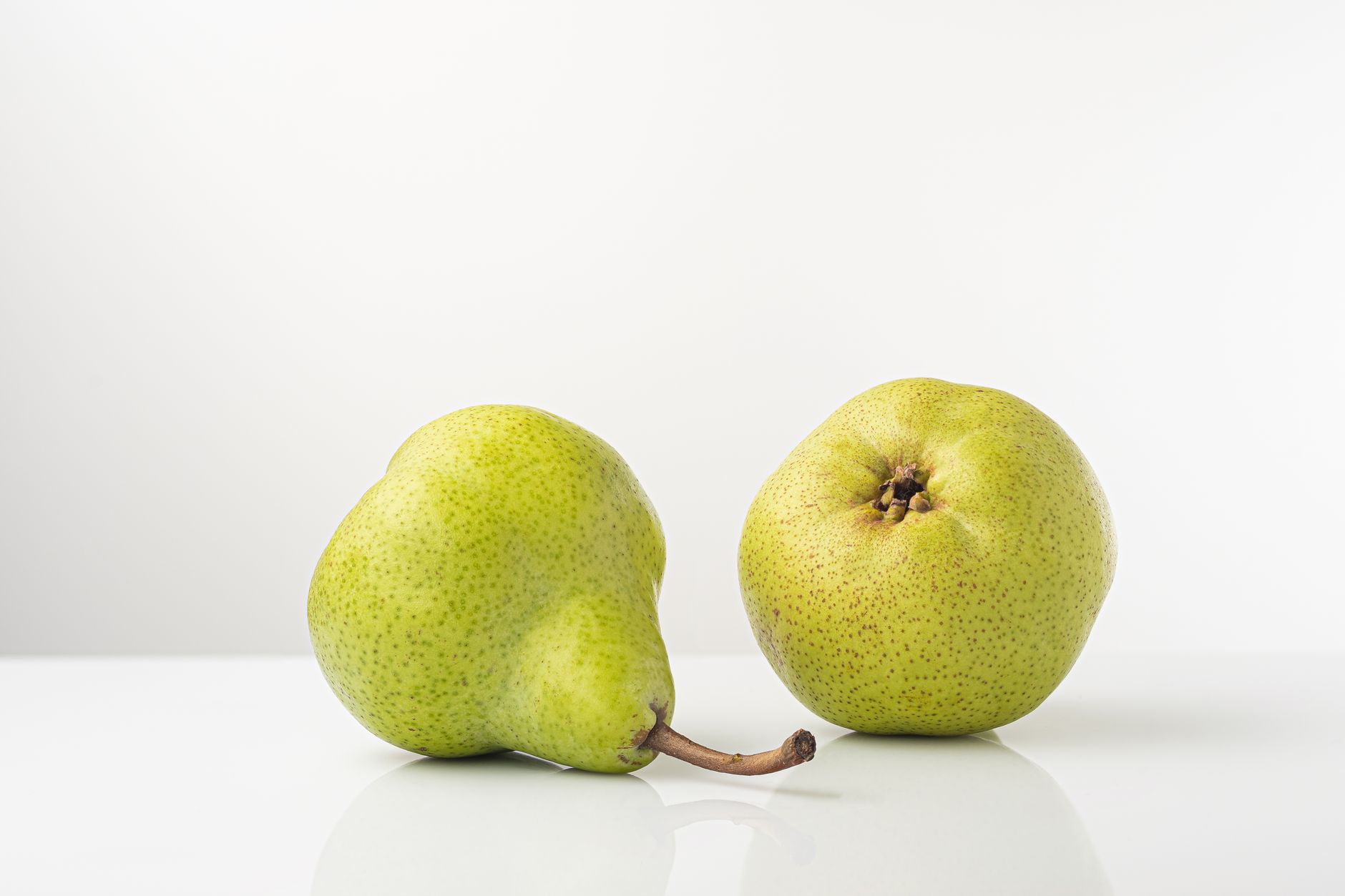
Pear fiber helps stool move with less strain, which is why the fruit often shows up in conversations about digestive health. The mix of soluble and insoluble fiber can support bowel regularity, while the high water content softens the overall texture of the meal.
Start with one small pear or half a large pear during periods of gut sensitivity. A sudden jump in fiber can cause gas or bloating for a day or two, especially on an empty stomach.
Why The Skin Changes The Fiber Story
The skin acts like a thin wrapper around the softer interior, and that wrapper carries a lot of the rougher fiber. Peel the fruit, and the snack still tastes sweet, but your gut gets less of the material that helps bulk and movement.
That matters for constipation because fiber works best with water. A pear at breakfast with a glass of water can feel very different from a pear juice bottle at the same time of day, since juice removes much of the fiber structure.
How The Gut Microbiome May Respond
Some of the fiber in pears reaches the colon, where gut bacteria ferment it into short-chain fatty acids. Those compounds help support a healthy colon environment, and they explain why fruit fiber can feel more satisfying than a sugary drink.
Because of this, the fruit can fit a routine that aims for digestive health without harsh changes. The next step is fullness, since the same fiber and water that ease the gut also change how long a snack lasts.
Beyond satiety, the fruit’s mix of nutrients also supports the heart in subtle, everyday ways.
Why Pears Can Work For Weight Management
A medium pear takes up space in the stomach, and that physical volume matters. Water and fiber slow the pace of eating, so you get a stronger satiety signal from a pear than from a small sweet biscuit or a few handfuls of chips.
Fullness That Changes Snack Choices
That longer feeling of fullness can help you pause before grazing on refined sweets. A pear in the afternoon may calm a sweet craving without turning the break into a calorie-heavy habit, especially if you pair it with a protein food like plain yogurt or a few nuts.
For pears for weight loss, portion size matters more than the fruit itself. One medium pear, or one small pear plus another low-calorie food, works better than stacking several large pears into the same day, especially if dried fruit or juice is your usual format.
Practical Portions That Stay Realistic
- One medium pear: A solid everyday snack that fits most meal plans.
- Half a large pear: A smart pick for a smaller appetite or a late snack.
- One pear with protein: Pair it with yogurt, cottage cheese, or nuts for more staying power.
- One pear before a meal: This can take the edge off hunger and slow fast eating.
That pattern works because satiety is partly mechanical. The stomach stretches, nerves signal fullness, and the fruit’s water-plus-fiber combo gives your body more time to register that the snack was enough.
Those same fibers and minerals also matter when you shift from the scale to the cardiovascular side of the picture.
Because those benefits come with steady digestion, blood sugar can stay calmer than many people expect.
Heart Health Benefits In Everyday Terms
Pears fit a heart-conscious pattern because they are low in fat, naturally cholesterol-free, and rich in potassium. Potassium matters because it helps balance sodium intake, which is one of the diet links that affect blood pressure over time.
Fiber And Potassium In The Same Fruit
Soluble fiber can help lower LDL cholesterol by binding bile acids in the digestive tract, which pushes the body to use more cholesterol to make new bile. That mechanism is simple chemistry, not magic, and it gives the fruit more weight than its sweet taste suggests.
Potassium plays a different role. It helps the body move sodium and water across cell membranes, which is one reason diets rich in fruits and vegetables often line up with better blood pressure patterns.
The American Heart Association has long pointed to fruit and vegetable intake as part of heart-conscious eating. Pears fit that pattern because they bring fiber, potassium, and little saturated fat in one package.
Antioxidants And Polyphenols Matter Too
Pears also contain antioxidants and polyphenols, including compounds in the peel. These plant chemicals may help lower oxidative stress, which is the wear-and-tear process tied to cell damage over time.
Hartford HealthCare and Cleveland Clinic both describe fruit fiber and potassium as part of a smarter daily pattern, and pears fit neatly inside that pattern. The next concern is blood sugar, because many people want the fruit without a sharp glucose swing.
At the same time, their antioxidants and hydration give the fruit a broader role in daily wellness.
Blood Sugar Support Without The Hype
A whole pear behaves differently from pear juice because fiber slows the release of sugar into the bloodstream. That slower pace can make pears and blood sugar a better match than many refined sweets, especially during a snack break or with a meal.
| Food | Fiber | Glucose pattern |
|---|---|---|
| Whole pear | Higher | Slower rise, more fullness |
| Pear juice | Low | Faster rise, less staying power |
| Refined sweets | Very low | Fast rise, little satiety |
That comparison is the reason whole fruit keeps its edge. NCBI and PMC reviews on fruit fiber keep circling the same point, which is that the fruit matrix matters. Once the fiber is stripped away, the sugar behaves more like a drink or candy than a piece of produce.
A sensible serving for blood sugar-conscious eating is one medium pear eaten alone or with protein, not several servings stacked close together. Ripeness also changes the experience, since a very ripe pear tastes sweeter and may be easier to eat quickly, which can blur portion control.
What Makes Juice Different
Pear juice is convenient, but convenience cuts both ways. It slips down fast, leaves little chewing time, and removes most of the fiber that helps slow absorption.
That is why juice rarely matches the benefit of whole fruit for people who want steadier glucose response. The gap becomes even clearer once vitamin C, antioxidants, and hydration enter the picture.
After blood sugar, the antioxidant side of the fruit fills in the rest of the nutrition picture.
Even with those upsides, the best choice depends on whether you want convenience, texture, or concentration.
Antioxidants, Immune Support, And Hydration
Vitamin C in pears contributes to immune function and also acts as an antioxidant. It does not turn the fruit into medicine, but it does add a small, real layer of nutritional value to an ordinary snack.
Plant Compounds Add Quiet Protection
Pear peel contains flavonoids and other polyphenols that help the fruit do more than taste sweet. These compounds may help reduce oxidative stress, which is one reason a diet rich in colorful produce often shows up in heart and metabolic health advice.
USDA data also show that pears are mostly water, which matters more than it sounds. Hydration from food does not replace drinking water, yet a water-rich fruit can help your daily intake along, especially during hot weather or after a salty meal.
A Skin And Hydration Angle That Gets Missed
Skin health depends on many factors, but hydration and vitamin C both play a role in the texture you see and feel. Pears will not change your skin on their own, yet they fit a routine that keeps fluid intake and plant nutrients moving in the right direction.
That makes the fruit useful in pregnancy and breastfeeding too, where food quality and hydration matter day to day. The form you choose, though, decides how much of that value survives to the plate.
Once you pick the form, the next step is matching it to your goal instead of just grabbing the closest option.
For some people, that choice affects comfort too, since tolerance can change with ripeness and serving size.
Choosing The Form That Fits Your Goal
Fresh pears give you the strongest benefit-to-sugar ratio because the skin, pulp, water, and fiber stay intact. Canned pears can still fit, but syrup changes the sugar load, while dried pears shrink the volume and concentrate the calories.
- Fresh: Best overall for fiber, hydration, and satiety.
- Canned in juice: Better than syrup, though the texture is softer and the bite is lighter.
- Frozen: Handy for smoothies, sauces, and cooked dishes, with texture changed but fiber still present.
- Dried: Portable, yet easy to overeat because the water is gone and sugar feels concentrated.
- Juice: Fast to drink, but the fiber loss makes it the weakest choice for fullness.
Store ripe pears in the refrigerator and let firmer ones finish at room temperature. That simple split keeps texture pleasant and reduces the chance that several soften at once on your counter.
For pears on the go, choose fruit with firm necks and unbroken skin, then rinse and eat it with the peel on. A sliced pear with walnuts, a bowl of oatmeal, or diced fruit on cottage cheese gives you more staying power than fruit alone.
That practical choice also matters for people who need to watch symptoms, because not every digestive system handles pears the same way.
Consistency is what turns a healthy food into a useful habit, which brings the bigger picture into focus.
Who Should Be Mindful And When Pears Fit Best
Bloating can show up after pears, especially for people who react to fructose or to FODMAP foods. The fruit contains sorbitol and fructose in amounts that some digestive systems handle well and others do not, so your personal response matters more than the label.
Side Effects That Deserve Attention
- Gas or bloating: Fiber and fermentable sugars can create pressure in a sensitive gut.
- Loose stools: Large servings may move faster than your system likes.
- Blood sugar rise: Big portions or juice can add more sugar than a single whole pear.
- Oral discomfort: Very ripe fruit may feel too sweet or soft for some mouths.
Pears can still fit during pregnancy and breastfeeding because they bring water, fiber, and vitamin C without much fat. Skin care routines also benefit indirectly from that hydration and nutrient intake, but the fruit is only one part of a much larger picture.
Eating pears at night is sensible for many people, as long as the portion stays modest and your stomach tolerates fruit late in the day. A whole pear with dinner is usually a calmer choice than a large dried portion close to bed, since dried fruit packs more sugar into less volume.
Health benefits of pears show up best in a steady weekly pattern, not in a single heroic serving. Two to five pears spread across the week gives you room for variety, and it keeps the fruit in the role it handles well: simple, filling, and easy to fit into normal meals.
That steady pattern is what makes the fruit useful in real life, where consistency matters more than one perfect snack.
Wrap Up
Pears earn their place because they deliver fiber, water, vitamin C, potassium, and plant compounds in a package that feels easy to eat. Keep the skin on, watch the portion, and choose whole fruit more often than juice, and the fruit fits digestion, heart health, and satiety with very little fuss.
FAQ
Are pears good for weight loss?
A single pear combines water and fiber in a way that can make weight loss plans easier, since it helps you feel full on fewer calories than many packaged snacks. A medium pear works better than dried fruit or juice for that reason.
Do pears raise blood sugar?
With the fiber still intact, a whole pear can raise blood sugar more slowly than juice or refined sweets. A single medium pear is a different choice from several servings of dried fruit or a sweet drink.
How many pears can you eat a day?
Many people do well with one medium pear a day, though your total fruit intake depends on the rest of your diet and your digestive tolerance. More than that can be fine for some people and uncomfortable for others.
What are the side effects of eating pears?
Gas, bloating, loose stools, and a faster sugar load from large portions are the main issues to watch. People who react to high-FODMAP foods may notice symptoms sooner than others.
Are pears safe during pregnancy?
During pregnancy, a ripe pear is a common fruit choice because it provides hydration along with fiber and vitamin C. Wash the skin well, keep portions sensible, and use them as part of a varied diet.
