

Grapeseed oil benefits start with what the oil is: a light cooking and skincare oil pressed from seeds left over after winemaking, delivering roughly 70% linoleic acid, an omega-6 your body can’t make, plus about 3.9 milligrams of vitamin E per tablespoon.
Eight of those benefits are graded by evidence strength below, alongside a grapeseed oil vs olive oil comparison, exact amounts for kitchen, skin, and hair use, and a straight answer on the seed-oil controversy.
What Grapeseed Oil Is and How It’s Made
Every year, wineries press millions of tons of grapes for juice and leave behind heaps of seeds, stems, and skins called pomace. Those seeds hold a surprising amount of oil, so producers dry them, run them through an expeller press, and bottle what comes out. A single ton of grape seeds yields roughly 100 to 150 kilograms of oil, which is why the stuff costs less than many specialty oils despite coming from fruit grown for wine.
Two versions show up on shelves, and the difference matters for how you use it. Refined grapeseed oil gets heat and solvent processing that strips most flavor and color but leaves a neutral taste and a high smoke point around 420°F. Cold-pressed grapeseed oil skips the harsh processing, so it keeps more vitamin E and polyphenols, though it costs more and suits dressings and low-heat dishes better than frying.
- Refined: Neutral flavor, smoke point near 420°F, best for sautéing, roasting, and baking.
- Cold-pressed: More retained nutrients and a faintly nutty taste, best for salad dressings and finishing.
- Expeller-pressed: Mechanically extracted without chemical solvents, a middle ground on price and purity.
Tip: Check the label before buying. “Grapeseed extract” and grapeseed oil are different products with different evidence bases, and confusing the two leads to wasted money and mismatched expectations.
That distinction deserves a moment, because it trips up a lot of shoppers. Grape seed extract is a concentrated supplement rich in proanthocyanidins, studied in pill form for blood pressure and circulation. Grapeseed oil contains far smaller amounts of those compounds per serving, so research on the extract doesn’t automatically transfer to the oil. Once you know which product the evidence actually describes, the nutrition numbers make more sense.
Those numbers reveal a fat profile that explains most of the marketing claims attached to the bottle.
The Nutrition Profile Behind the Claims
One tablespoon of grapeseed oil delivers about 120 calories and roughly 9 grams of fat, and about 70% of that fat is linoleic acid, an essential omega-6 fatty acid. Your body relies on linoleic acid for cell membranes and for the integrity of the skin barrier, which is why dermatologists have paid attention to this particular fat for decades. The same tablespoon supplies around 3.9 milligrams of vitamin E, close to a quarter of what most adults need daily.
| Nutrient (per tablespoon) | Amount | Why It Matters |
|---|---|---|
| Total fat | ~14 g | All calories come from fat, so portions add up fast |
| Linoleic acid (omega-6) | ~70% of fat | Essential fatty acid your body cannot produce |
| Vitamin E | ~3.9 mg | Antioxidant that protects cells from oxidative damage |
| Saturated fat | ~10% of fat | Lower than butter or coconut oil |
| Calories | ~120 | Dense enough that drizzling counts |
Beyond the fats, cold-pressed versions carry small amounts of proanthocyanidins, the same antioxidant family found in grape skins and red wine. Lab studies have probed these compounds for anti-inflammatory activity, though the quantities in a spoonful of oil are modest compared with a concentrated extract. Honest framing matters here: the oil’s strongest nutritional case rests on its fat profile and vitamin E content, not on antioxidant fireworks.
Portion awareness keeps the benefits real. Because the oil packs 120 calories into each tablespoon, swapping it in without removing another fat quietly adds hundreds of weekly calories. Spooning out servings rather than free-pouring protects both your calorie budget and the omega-6 balance discussed later. With the numbers on the table, the first two benefits follow directly from that fat profile.
Because polyunsaturated fats and vitamin E dominate that profile, the heart benefits start there.
Benefits 1–2: Heart Health Through Better Fats and Antioxidants
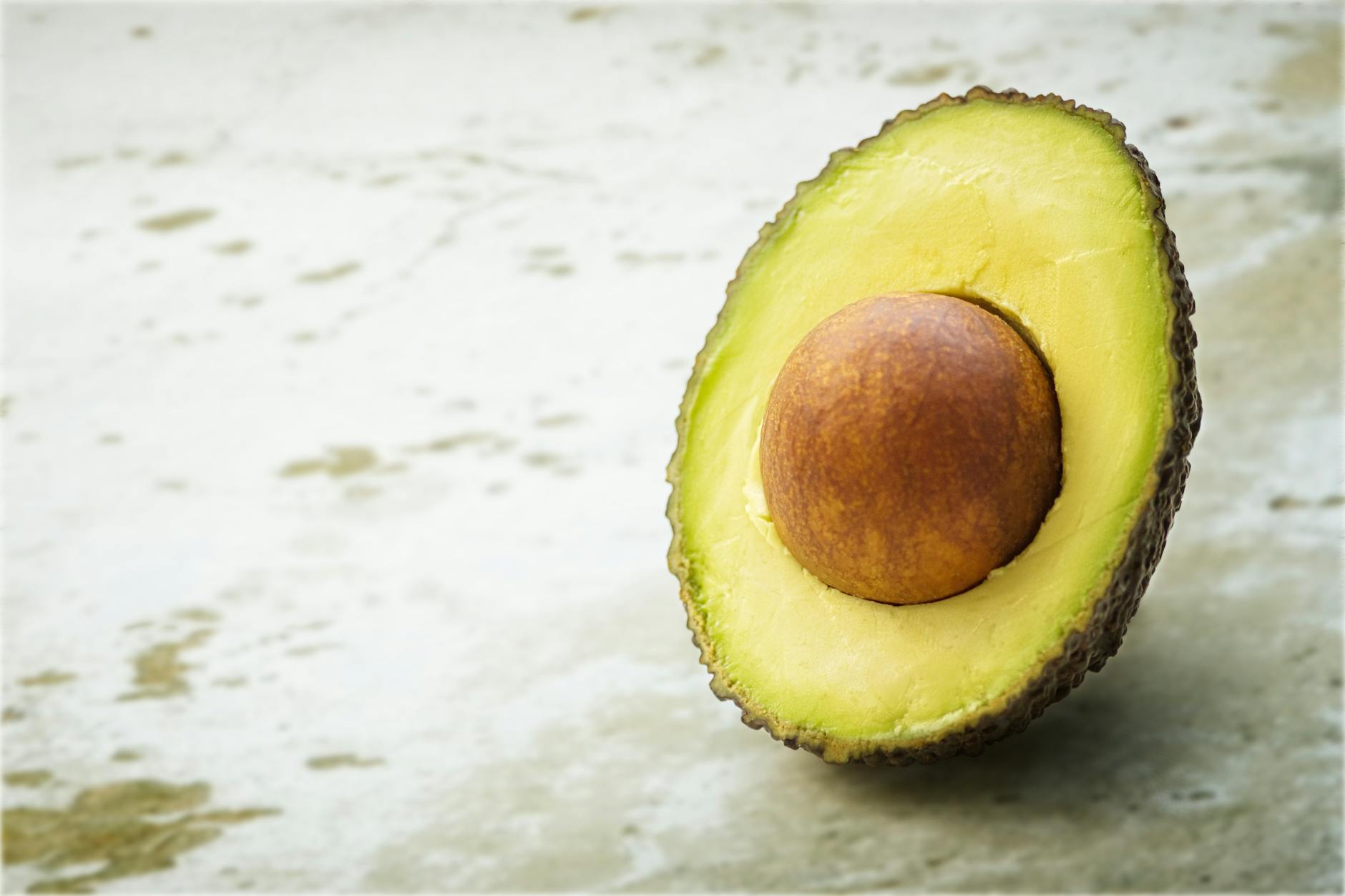
Swapping saturated fats for polyunsaturated fats may help lower LDL cholesterol, and this is the best-documented claim attached to grapeseed oil. Dietary guidance from the American Heart Association has long favored trading butter, lard, and coconut oil for oils higher in polyunsaturated fat, and linoleic-acid-rich oils fit that pattern. In practice, using grapeseed oil where you’d otherwise reach for butter shifts your fat intake toward the kind associated with healthier cholesterol levels.
The second benefit comes from vitamin E, a fat-soluble antioxidant that helps protect cell membranes from oxidative damage. Oxidative stress plays a role in aging processes and cardiovascular risk, so adequate vitamin E intake forms part of a broader dietary pattern linked to heart health. One tablespoon covers a meaningful share of your daily needs, though whole foods like almonds and sunflower seeds deliver even more per calorie.
The Seed-Oil Objection, Answered Honestly
Seed oils have become villains in some corners of the internet, and the objection deserves a straight answer rather than dismissal. The concern centers on omega-6 intake and inflammation, yet major reviews, including work published by Harvard’s T.H. Chan School of Public Health, find that linoleic acid does not raise inflammatory markers in human trials. The actual problem in modern diets isn’t omega-6 itself; it’s the combination of excess calories from fried and ultra-processed foods alongside low omega-3 intake.
Your move is straightforward: keep total added oils moderate, favor whole-food fat sources like fish and walnuts for omega-3s, and treat grapeseed oil as a tool for specific jobs rather than a base for everything you eat. Used that way, the heart-health case holds up. That same fat chemistry serves your skin as well as your arteries, so the next stop is the vanity aisle.
Skin, it turns out, responds to linoleic acid almost as readily as blood vessels do.
Benefits 3–4: Skin Repair, Hydration, and Tone Support
Grapeseed oil absorbs quickly because its dominant fatty acid, linoleic acid, is thinner and faster-penetrating than the oleic acid found in heavier oils like olive and avocado. That light texture earns it a comedogenic rating around 1 to 2, meaning it clogs pores far less than coconut oil, which sits near 4. For most skin types, including oily and combination skin, that makes facial use reasonable rather than reckless.
Linoleic acid also feeds the skin barrier directly. Acne-prone skin tends to show lower levels of linoleic acid in its surface sebum, and topical application may help restore moisture retention and elasticity. Small human trials and lab work suggest grapeseed oil formulations can aid wound closure and improve skin hydration, though the evidence remains preliminary and product formulations vary widely.
Warning: Skip facial application entirely when a grape allergy is on record, and stop at the first sign of redness, itching, or swelling after any use.
A Direct Answer on Putting It on Your Face
Yes, you can apply grapeseed oil directly to your face, and thousands of people do it nightly. The safe protocol looks like this:
- Patch test: Dab a drop inside your forearm and wait 24 hours before touching your face.
- Cleanse first: Smooth onto clean, slightly damp skin so the oil seals in existing moisture.
- Use drops, not pours: Two to four drops cover the whole face; more just sits there.
- Massage gently: Press with fingertips in upward strokes for 30 seconds.
- Frequency: Start two nights per week and work toward nightly use as your skin adjusts.
Skip it on active cystic breakouts until you know how your skin responds, and layer it last in your routine, after water-based serums, since oil blocks water-based products from penetrating. On tone and brightness: some small studies on grape-derived compounds suggest effects on pigmentation, but claims about skin lightening outrun the evidence for plain oil. Consistent moisturizing, sun protection, and patience will do more for uneven tone than any single oil. What works on your face also works on your scalp, just with different technique.
The same lightweight texture that hydrates skin can coat hair strands without weighing them down.
Benefits 5–6: Hair Strength, Shine, and Scalp Health
Hair care is where grapeseed oil’s light texture pays off most visibly. Heavy oils like castor and coconut coat thick strands well but flatten fine hair into stringy clumps within hours. Grapeseed oil spreads in a thin film, adds slip and shine, and rinses clean with one shampoo pass, which is why it shows up in countless commercial hair serums as a carrier ingredient.
The scalp benefits come partly from mechanics and partly from moisture. Massaging any oil into the scalp improves local blood flow, and a hydrated scalp flakes less. Some early lab research has looked at grape-seed compounds against the microbes involved in dandruff, but for plain oil, the realistic claim is comfort and dryness relief, not dandruff treatment. Persistent flaking, itching, or hair loss calls for a dermatologist rather than a home remedy.
Two Methods Worth Knowing
- Pre-wash treatment: Work a tablespoon of oil through dry hair from mid-length to ends, wrap in a warm towel for 30 minutes, then shampoo. Fine hair does well with this once a week; coarse or curly hair can go twice weekly.
- Leave-in dilution: Mix two or three drops into your usual conditioner or styling cream and apply only to damp ends. Straight, fine hair should stay away from root-level leave-in use or shine turns greasy by lunchtime.
- Scalp massage: Part hair in sections, place a few drops of oil on fingertips, and massage the scalp in circles for five minutes before washing. Twice a week is plenty.
Tip: Warm the oil between your palms for ten seconds before applying. Warm oil distributes thinner and penetrates the hair cuticle more evenly than cold oil straight from the bottle.
Hair and skin routines share one theme: grapeseed oil performs best as a lightweight supporting player. Its remaining two benefits live deeper in the biochemistry, in compounds you can’t see but researchers keep studying.
Those invisible compounds may also calm inflammation and slow microbial growth.
Benefits 7–8: Anti-Inflammatory and Microbe-Fighting Potential
Proanthocyanidins are the star molecules here, and they’re worth understanding because they explain much of the buzz around anything grape-derived. These condensed tannins scavenge free radicals in laboratory settings and have shown anti-inflammatory activity in cell and animal studies. Concentrated grape seed extract has been studied in human trials for blood pressure and circulation, with some studies suggesting modest effects. Plain grapeseed oil contains these compounds at far lower concentrations, so the honest grade for benefit seven is preliminary: plausible mechanism, thin direct evidence for the oil itself.
The eighth benefit involves early findings against certain bacteria and fungi in petri-dish studies, which has fueled marketing claims across skincare and food preservation. Lab results don’t equal outcomes on living skin or in your body, and regulatory agencies haven’t endorsed grapeseed oil for any such purpose. Treat antimicrobial claims on product labels as marketing until stronger human data arrives.
Grading the Evidence Honestly
- Strong: Replacing saturated fat with polyunsaturated fat may lower LDL cholesterol.
- Moderate: Vitamin E content contributes to antioxidant intake; the fat profile suits high-heat cooking.
- Preliminary: Wound-healing, hydration, and elasticity effects in small human and lab studies.
- Anecdotal: Hair growth, skin lightening, and disease-related claims, none confirmed for the oil.
That grading system is the filter to run every grapeseed claim through, whether it arrives from a beauty blog or a supplement label. Being able to tell which claims rest on solid ground changes how you shop, and it also sets up the most common purchasing dilemma: grapeseed versus olive oil.
Once you know which claims hold up, choosing between grapeseed and olive oil becomes easier.
Grapeseed Oil vs Olive Oil in the Kitchen
Neither oil wins outright, because they’re built for different jobs. Grapeseed oil brings a 420°F smoke point and a flavor so neutral it disappears into a dish; olive oil brings monounsaturated fat, polyphenols, and a peppery character that defines Mediterranean cooking. Price splits them too, with grapeseed running cheaper per ounce in most US grocery stores.
| Factor | Grapeseed Oil | Olive Oil (Extra Virgin) |
|---|---|---|
| Smoke point | ~420°F | ~375–405°F |
| Dominant fat | Linoleic acid (omega-6, ~70%) | Oleic acid (omega-9, ~70%) |
| Flavor | Neutral, invisible | Fruity, peppery, distinctive |
| Key antioxidants | Vitamin E, trace proanthocyanidins | Polyphenols, oleocanthal, vitamin E |
| Price per 16 oz | Lower | Higher |
| Best use | Frying, searing, baking, dressings needing neutrality | Finishing, dipping, salads, low-heat sautéing |
For high-heat work, grapeseed takes the job. Searing chicken skin, stir-frying vegetables at proper wok temperatures, or roasting at 425°F all sit beyond extra virgin olive oil’s comfort zone, where its delicate polyphenols burn off and its flavor turns acrid. For everything finished raw or cooked gently, olive oil wins on flavor depth and a longer track record in cardiovascular research.
The answer depends on the pan in front of you. Keep both: grapeseed for the hot jobs and recipes where oil flavor would clash, olive oil for dressing, dipping, and drizzling. Many home cooks land exactly there, and the last piece of the puzzle is knowing how much of either to use and how to store it.
Whichever bottle wins your counter space, portion sizes and storage habits determine how long it stays good.
Daily Amounts, Storage, and Who Should Be Careful
Daily amounts differ sharply between the kitchen and the bathroom shelf. In cooking, one to two tablespoons a day fits comfortably inside standard dietary fat guidance when it swaps in for other added fats rather than stacking on top of them. On skin, two to four drops per application is the working range, and on hair, a tablespoon pre-wash or a few drops diluted as leave-in covers most head sizes. Taking grapeseed oil by the spoonful as a daily supplement offers no proven advantage over eating it in food, and it adds 120 calories per tablespoon doing it.
Storage decides whether your oil stays beneficial or turns stale. Polyunsaturated oils oxidize faster than monounsaturated ones because their double bonds react readily with oxygen, and rancid oil tastes flat or crayon-like while losing vitamin E potency along the way. Refrigeration slows that process dramatically, though the oil may turn slightly cloudy; it clears at room temperature within minutes.
- Buy dark glass bottles: Light accelerates oxidation, so clear plastic is the worst container choice.
- Store cool and dark: A cupboard away from the stove beats the counter next to it.
- Refrigerate after opening: Refined grapeseed oil keeps 3 to 6 months chilled versus weeks on a warm shelf.
- Smell before use: Any off, waxy, or paint-like odor means the oil has turned; discard it.
Who Should Limit Intake or Check With a Doctor First
Certain situations call for caution before making this oil a daily habit. Anyone on blood-thinning medication such as warfarin should talk with a physician or pharmacist first, since grape seed extract has shown interactions with anticoagulants in case reports, and concentrated supplement forms deserve medical review. The same applies when a condition affected by dietary fat is in play, during pregnancy or nursing with supplemental doses under consideration, or with a grape allergy, professional guidance tailored to the situation is the right call.
Omega-6 balance rounds out the caution list. Most Western diets already skew heavily toward omega-6 relative to omega-3, so adding large volumes of any linoleic-rich oil widens that gap. Fatty fish twice a week, walnuts, chia, or flaxseed keep the ratio healthier while you enjoy grapeseed oil in moderation. Handled sensibly, it earns its spot in both your pantry and your routine.
Used with a little care and balance, grapeseed oil earns its place in both kitchen and routine.
Final Thoughts
Grapeseed oil rewards realistic expectations. Its strongest case rests on a favorable fat profile, meaningful vitamin E, a high smoke point, and a texture that suits skin and fine hair better than heavier oils. Weaker claims, from hair growth to skin lightening, remain unproven. Match the oil to the job, spoon out your portions, store it cold, and check with a healthcare professional before any supplemental use, especially alongside medication.
FAQ
What does grapeseed oil do to your body?
It provides essential linoleic acid and vitamin E, and replacing saturated fats with its polyunsaturated fats may help lower LDL cholesterol. Applied topically, it helps seal moisture into your skin and hair. Evidence for anti-inflammatory effects in humans remains preliminary.
Can I put grapeseed oil directly on my face?
Yes, you can. Patch test on your forearm for 24 hours first, then apply two to four drops to clean, damp skin at night, starting two evenings per week. Stop if irritation develops, and skip it entirely if you have a known grape allergy.
Is grapeseed oil better for you than olive oil?
Neither is universally better. Grapeseed oil wins for high-heat cooking with its 420°F smoke point and neutral taste, while extra virgin olive oil wins for finishing dishes and carries a longer record in heart-health research. Keeping both covers all your needs.
Is it okay to take grapeseed oil every day?
Using one to two tablespoons daily in cooking is reasonable for most healthy adults when it replaces other fats. There’s no proven benefit to drinking it straight, and if you take blood thinners or manage a medical condition, consult a doctor first.
How much grapeseed oil should I take daily?
In food, one to two tablespoons per day fits standard guidance. On skin, two to four drops per application; on hair, about a tablespoon as a pre-wash treatment. Supplement-style dosing hasn’t been established and adds significant calories to your day.
