

A single cooked tuber delivers energy, fiber, and minerals while blending easily into soups, mashes, and savory bowls. Taro root is the edible corm of Colocasia esculenta, and it delivers starch with a gentler texture than many other starchy vegetables.
This guide covers taro’s nutrition profile, digestive advantages, and important safety notes for anyone considering it in weeknight meals, meal prep, or blood-sugar-conscious cooking.
Key Takeaways
- Energy comes with fiber. Cooked taro gives you starch for fuel and enough fiber to slow the meal a bit.
- Gut comfort matters most. Its fiber and resistant starch can make fullness and bowel regularity feel more predictable.
- Preparation changes the result. Boiling or steaming keeps the root gentle, while raw pieces can irritate the mouth.
- Portion size still counts. If you track blood sugar or potassium, taro belongs inside the full meal, not apart from it.
- Processed forms differ. Chips, flour, and bubble tea ingredients do not behave like whole cooked taro.
What Taro Root Brings To The Plate
Taro stores energy underground as a tuber, which is why it behaves more like potato or cassava than a grain. A 100-gram serving of cooked taro is often listed at about 100 calories, 23 grams of carbohydrate, and 4 grams of fiber, and those figures help explain taro root nutrition facts in plain terms.
The same serving also contributes potassium, vitamin C, manganese, and smaller amounts of vitamin B6 and vitamin E. That mix is part of the health benefits of taro root, because it gives you more than plain starch and water.
| Nutrient | Why it matters | What taro contributes |
|---|---|---|
| Carbohydrate | Main fuel source | Provides steady starch for meals and activity |
| Dietary fiber | Digestion and fullness | Helps slow the meal and adds bulk |
| Potassium | Muscle and nerve function | Supports electrolyte balance in the diet |
| Vitamin C | Antioxidant support | Adds a small amount of protective plant nutrition |
| Manganese | Enzyme activity | Supports several metabolic reactions |
Whole cooked taro is different from taro flour, chips, or dessert fillings. Processing can remove water, raise calorie density, or add salt and sugar, which changes how the food behaves at the table. That difference matters more than the name on the package.
So you can think of taro as a flexible staple rather than a specialty food. A simple boiled root gives you a very different result from a fried snack or a sweetened drink ingredient.
That practical effect is why its benefits show up in everyday meals rather than as dramatic single-food results.
Fiber And Resistant Starch Shape Digestion
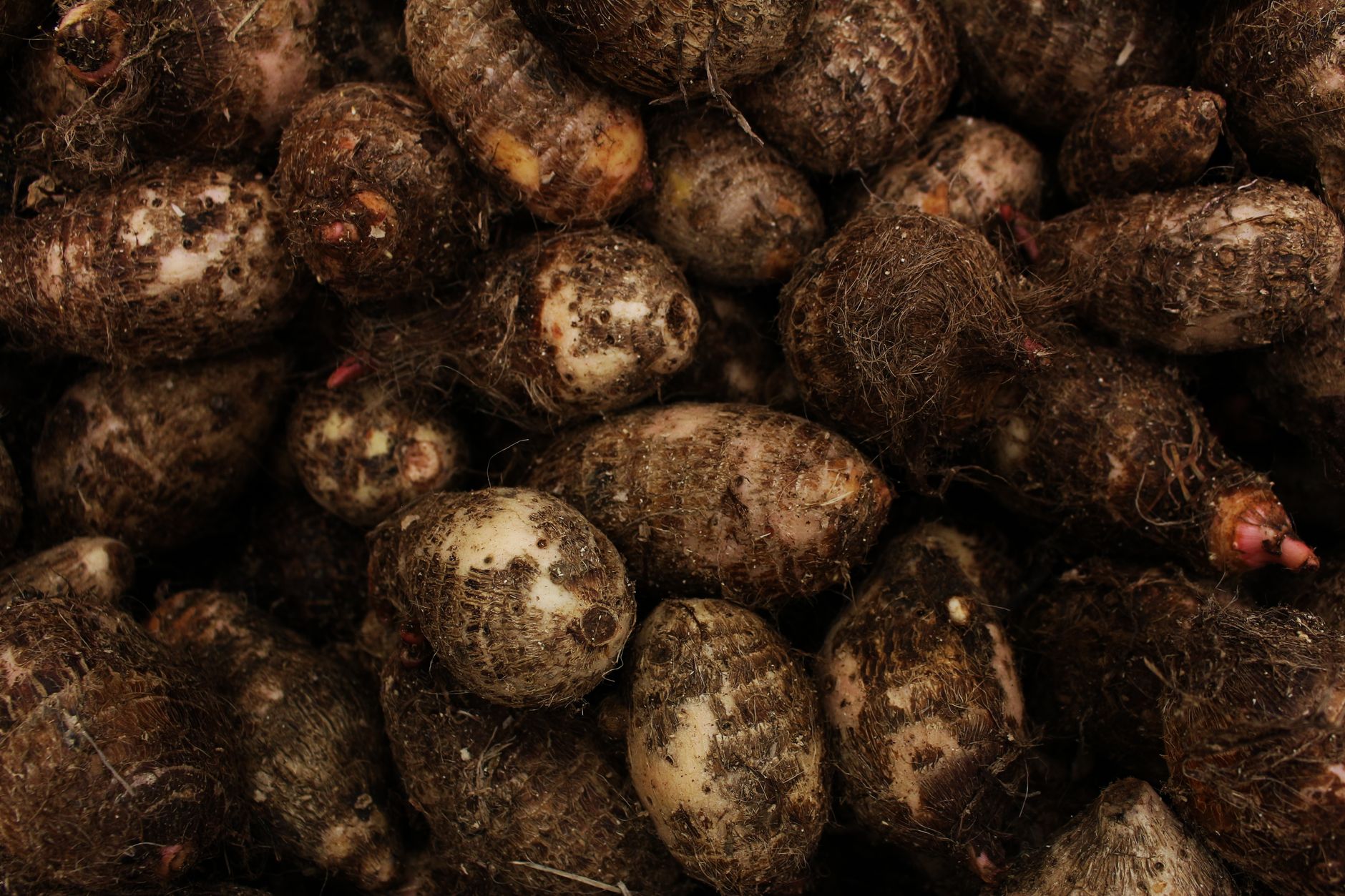
That digestion question starts with dietary fiber. In taro, fiber adds bulk to stool and helps waste move with less strain, which can support more regular bowel habits for some people.
Resistant starch adds a second layer. It resists digestion in the small intestine and reaches the colon, where gut microbes ferment it into short-chain fatty acids. That process can make a meal feel more satisfying and may help you stay full longer after eating. That lines up with the benefits of taro root for digestion described in guidance from Harvard T.H. Chan School of Public Health.
Boiled taro tends to be gentler than dry-roasted or heavily processed forms. The texture stays soft, and that usually makes it easier to eat as part of a mixed plate.
Preparation changes digestibility in a real way. Cooling cooked taro after boiling can raise resistant starch a bit, while mashing it with a lot of fat or sugar changes the meal into something very different from plain root flesh. For benefits of taro root for digestion, the simplest version is often the easiest to assess.
How Fullness Develops After A Taro Meal
A starchy food that arrives with fiber slows gastric emptying, so the meal sits in your stomach a little longer. That slower pace can soften the rush you may feel after highly refined starches.
You may notice less snacking an hour later, especially when taro appears with protein, greens, or broth rather than on its own. That effect is practical, not magical, and it depends on the whole plate.
Even modest improvements can compound, especially when the rest of the menu already leans in the same direction.
The Most Relevant Health Benefits In Daily Life
That everyday effect is where the health benefits of taro root become easiest to use. One bowl of cooked taro can bring fuel, satiety, and a small mineral boost without forcing you into a complicated recipe.
- Steadier energy. Complex carbohydrate gives your body usable fuel for work, errands, and exercise.
- More fullness. Fiber and resistant starch can make a meal feel more complete.
- Potassium intake. Potassium matters for muscle contraction and fluid balance.
- B6 and manganese. These nutrients take part in enzyme activity and energy pathways.
- Antioxidant support. Plant compounds and vitamin C help limit everyday oxidative stress.
Vitamin C and several plant compounds add a little more interest. They are not present in huge amounts after long cooking, but they still help explain why taro is more than empty starch. A root with pigment, phenolics, and vitamin E has a different nutrient profile from polished rice or white bread.
The most practical payoff is meal planning. A cooked taro portion can replace rice, potatoes, or bread on a plate, and that makes it easier to keep meals varied without losing the starch you want. That tradeoff becomes more important once blood sugar enters the picture.
Why The Mineral Mix Matters
Potassium and manganese do separate jobs, and that distinction matters. Potassium helps electrical signals move through nerves and muscles, while manganese helps enzymes handle energy and antioxidant reactions.
Taro is not a cure-all source of minerals, but it can nudge your intake in a better direction. A food that contributes several small pieces can still matter over a week of eating.
Taken together, those patterns explain why comparisons have to account for cooking method, not just the ingredient itself.
Blood Sugar And Heart Health In Context
That weekly pattern matters because taro is still a carb-rich food. Fiber can soften the rise in blood sugar after a meal, but it does not erase the effect of starch, especially once taro is mashed with sweeteners or turned into chips.
Compared with refined starches such as white bread or low-fiber crackers, whole cooked taro usually lands more slowly in the bloodstream. The difference comes from intact structure, dietary fiber, and resistant starch, not from any special metabolic trick. Reviews on low-glycemic eating patterns support that same principle.
| Food | Fiber pattern | Typical meal effect |
|---|---|---|
| Cooked taro | Moderate fiber, some resistant starch | Slower rise than refined starch |
| White rice | Low fiber | Faster digestion |
| Potato chips | Little fiber, more fat and salt | Less filling per calorie |
| Taro flour products | Varies by processing | Can act more like refined starch |
Heart health enters the picture through the full meal, not taro alone. Potassium-rich foods, fiber-rich vegetables, and less processed starches all fit a pattern linked with better dietary quality, but taro does not cancel out a salty sauce or a huge portion.
That restraint matters because wellness claims can get exaggerated fast. Taro may fit a heart-conscious diet, yet it is still one food in a larger pattern that also has to include vegetables, protein, and sensible portions.
A Practical Case For Blood Sugar Awareness
A person who eats taro with grilled fish and greens will see a different response than someone who eats a large taro mash with sugar and coconut cream. The plate composition changes the pace of digestion and the total carbohydrate load.
That same logic applies to taro root and blood sugar in diabetes management. Meal context, cooking method, and serving size shape the response more than the tuber alone. A detailed review in BMJ supports the bigger principle that whole-food context matters more than a single ingredient.
Preparation also determines whether those differences stay modest or become more noticeable at the table.
How Taro Compares With Potato, Sweet Potato, And Ube
That context becomes clearer once you place taro beside other roots. Taro has a denser, silkier texture than potato, a less sweet profile than sweet potato, and a more muted flavor than ube, which makes it useful in savory food.
| Food | Texture after cooking | Best everyday use | Flavor |
|---|---|---|---|
| Taro | Soft, creamy, slightly sticky | Mash, soup, stew, bowl base | Mild, nutty, earthy |
| Potato | Fluffy or waxy, depending on type | Mash, roast, bake | Neutral |
| Sweet potato | Tender, moist, smooth | Roast, mash, side dish | Sweet, orange varieties taste richer |
| Ube | Dense and smooth | Desserts, flavored puree, baked goods | Sweet, floral, purple flesh |
Potato often gives you a lighter, fluffier starch, while sweet potato brings more sweetness and color. Taro sits in the middle: less sweet than either, with a creamy body that works well in savory dishes and in flour blends.
The right choice depends on the meal you want. For a soup, taro holds shape better than many potatoes. For a sweet casserole, sweet potato or ube may fit better. For a plain starch with a different mouthfeel, taro is a useful switch. The next step is knowing how that structure affects texture and glycemic impact.
Texture And Glycemic Impact Move Together
Food structure changes how fast enzymes can reach starch granules. Firmer pieces with fiber intact tend to digest more slowly than purees or flour-based products.
That is why the same root can behave differently in your body depending on whether it is boiled chunks, mashed taro, or a refined snack. Portion size still drives the biggest change.
Handled well, the root fits into balanced meals; handled poorly, it can create avoidable problems for some eaters.
Safe Cooking And Everyday Use Make The Difference
That structural difference also explains why raw taro should not go on the plate. The uncooked tissue contains calcium oxalate crystals, tiny needle-like structures that can irritate the mouth and throat and make swallowing feel rough.
Boiling or steaming is the simplest path for home cooking. Those methods soften the flesh without piling on extra fat, which keeps the root easy to fold into a balanced meal.
How to cook taro root safely starts with peeling, then rinsing, then thorough heating until the flesh turns tender all the way through. A fork should slide through without resistance, and the center should lose any chalky bite. The US Food and Drug Administration gives the same basic kitchen warning for many oxalate-rich foods: cook them fully before serving.
Practical Ways To Use It At Home
- Soup base. Cubes thicken broth and add body without cream.
- Simple mash. Mash with a little olive oil and garlic for a savory side.
- Rice swap. Serve it beside protein and greens instead of rice.
- Stew ingredient. Add chunks near the end so they hold shape.
- Flour blend. Use taro flour in mixed baking for texture, not as a miracle flour.
Shopping is easier than many people expect. Pick roots that feel firm, heavy for size, and free from soft spots or mold. Store them in a cool, dry place with good airflow, then cook within a reasonable window so the flesh stays fresh.
A simple scene works well here: a pot of coconut-free taro soup, shredded chicken, spinach, and ginger gives you starch, protein, and vegetables in one bowl. That kind of meal shows the health benefits of taro root without turning it into a health halo.
That balance is the useful takeaway, especially once individual digestion and meal context enter the picture.
Who Should Be More Cautious With Taro Root
That meal balance still leaves room for caution. Some stomachs react more strongly to new fiber sources, and taro can feel heavy at the start. Gas, bloating, or loose stool may show up if your gut is not used to resistant starch or a larger serving of starchy root food.
- Digestive sensitivity. Start with a small portion so your gut can adjust.
- Blood sugar tracking. Pair taro with protein and nonstarchy vegetables.
- Kidney concerns. Potassium limits matter for anyone told to watch electrolyte intake.
- Mouth irritation. Raw or undercooked taro can sting or scratch the throat.
- Food tolerance. Persistent swelling, rash, or trouble swallowing needs medical care.
People living with kidney disease need more caution because potassium handling can change a lot from person to person. A food that helps one meal plan can strain another, so taro should fit the advice already given by a clinician or dietitian.
Introduce taro gradually and watch how your body responds over the next meal or two. That step is especially useful for anyone who has not eaten many high-fiber roots before, since the gut often needs time to adapt. The short version is simple: is taro root healthy depends on the rest of the plate and your own tolerance.
Final Thoughts
Taro root works best as a useful starch, not a miracle food. You get energy, fiber, and a small mineral package, plus a texture that fits soups, mashes, and savory bowls. The health benefits of taro root make sense only when you cook it well, keep portions sane, and match it to your own tolerance.
FAQ
What are the health benefits of taro root?
Taro root gives you complex carbohydrate for energy, dietary fiber for digestion, and minerals such as potassium, vitamin C, and manganese. Those nutrients can make a meal more filling and more balanced than a refined starch alone.
How many calories, carbs, and fiber are in taro root?
A cooked 100-gram serving is often described as around 100 calories, about 23 grams of carbohydrate, and about 4 grams of fiber, though the exact numbers shift with variety and cooking method. Processed taro products can differ a lot from whole cooked root.
Is taro root safe to eat raw?
No. Raw taro contains calcium oxalate crystals that can irritate the mouth and throat, so it should be cooked until fully tender. Boiling or steaming is the simplest home approach.
Can taro root help with blood sugar control?
Taro is still a starch, so it can raise blood sugar, but its fiber and resistant starch may soften the rise compared with refined starches. Portion size, meal pairing, and cooking method shape the response far more than the root alone.
Who should avoid or limit taro root?
People with kidney concerns, digestive sensitivity, or trouble tolerating high-fiber foods should be more cautious. Anyone told to limit potassium or who notices swelling, throat irritation, or ongoing stomach discomfort should speak with a qualified clinician.
How does taro root compare with potato or sweet potato?
Taro is creamier and less sweet than sweet potato, and it can feel denser than many potatoes. That makes it a better fit for soups, mashes, and savory bowls, while potato and sweet potato may suit other meal styles better.
