

Kidney beans benefits refer to the protein, dietary fiber, and slow-digesting carbs that make this low-cost legume more filling than many refined starches. You also get folate, iron, potassium, magnesium, and antioxidants in a form that supports steadier meals and better day-to-day nutrition.
This guide covers why kidney beans deserve a regular spot in meals, from their place in everyday cooking to the ways they support weight goals, steadier energy, and smarter food choices.
Key Takeaways
- Protein and fiber work together to make kidney beans more filling than white rice or bread alone.
- Folate, iron, potassium, and magnesium give your cells, blood, muscles, and nerves support in one serving.
- Kidney beans and blood sugar control are linked to slower digestion, not magic, so meal pairing still matters.
- Safe cooking is nonnegotiable, because undercooked beans can cause severe stomach distress from lectins.
- Portion size shapes the result, since beans work best as part of a balanced plate, not as a huge side.
Why Kidney Beans Earn a Place at the Table
Dry beans may look plain in the pantry, but they turn into a compact nutrition bundle once cooked. Kidney beans, a form of Phaseolus vulgaris, bring plant protein, dietary fiber, and slow-digesting carbs together in a way that supports steadier meals.
That matters because the payoff goes beyond calories. Fiber slows how fast food leaves your stomach, protein helps satiety, and the bean matrix slows carbohydrate breakdown, which is why kidney beans benefits show up in digestion, energy, and metabolic balance.
One cup of cooked kidney beans gives you folate, iron, potassium, and magnesium, along with plant compounds that help defend cells from oxidative stress. Those are background nutrients, but they shape day-to-day health in practical ways.
To make the list useful, the nine benefits below move from basic nutrition to the kind of meal-level payoff you can feel at lunch, dinner, or in your grocery cart. That structure also helps you separate real value from vague bean praise.
Fiber does much of that work, and its effects ripple through several health benefits.
The Core Nutrition That Drives Their Health Value
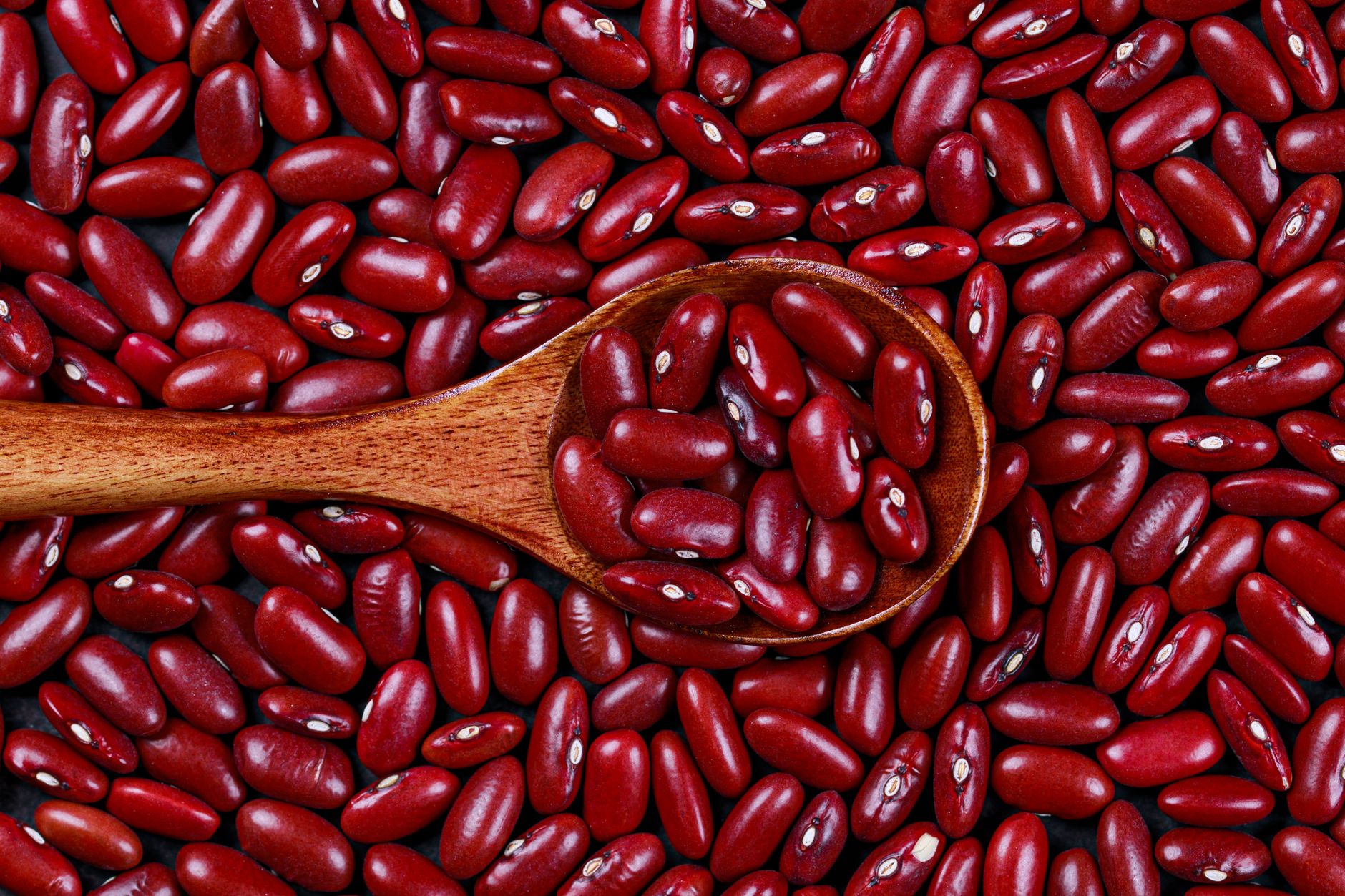
A bowl of kidney beans changes a meal, not just a side dish. Protein and fiber do most of the work, since both slow stomach emptying and make hunger return later than it does after refined starches.
| Nutrient | What it does in plain language | Why your meal feels different |
|---|---|---|
| Protein | Provides amino acids for tissue repair and upkeep | Your plate feels more substantial and less snack-worthy an hour later |
| Fiber | Slows digestion and adds bulk | You digest the meal more gradually and stay full longer |
| Folate | Helps make DNA and new cells | Your body has the raw material it needs for growth and renewal |
| Iron | Helps carry oxygen in blood | Your cells get the oxygen they need for normal energy use |
| Potassium | Helps muscles and nerves work normally | Your meals lean in a direction that supports rhythm and fluid balance |
| Magnesium | Assists muscle, nerve, and enzyme function | Your body has another mineral that helps daily metabolism run smoothly |
USDA FoodData Central lists cooked kidney beans as a food with a strong fiber-to-calorie ratio, which is why they fill a plate without crowding out other foods. That profile is rare in refined grains, where calories climb faster than satiety.
Antioxidants and polyphenols in beans matter too. These plant compounds help neutralize oxidative stress, a chemical wear-and-tear process that affects cells throughout the body, including the gut lining and blood vessels.
The chemistry is worth a closer look: bean fiber comes in soluble and insoluble forms, and soluble fiber can form a gel-like texture during digestion. That gel slows glucose absorption, which is one reason kidney beans act differently from white bread or instant noodles.
Those same qualities also make kidney beans a practical fit for managing weight and appetite.
Nine Benefits That Make Kidney Beans Worth Eating
Kidney beans benefits start with how they change the feel of a meal, then move into longer-term nutrition support. The nine points below tie each benefit to a concrete outcome so the value is easy to picture on your plate.
1. They Keep You Full Longer
Protein plus fiber is a strong satiety pair. A bean-based lunch can keep hunger quieter through the afternoon than a meal built on refined carbs alone, which matters on any day you need to avoid grazing.
2. They Help Smooth the Blood Sugar Response
Slow-digesting carbohydrates break down more gradually than sugar-heavy starches. That slower pace may help blunt sharp rises and crashes, especially when kidney beans sit next to vegetables and lean protein.
3. They Add Budget-Friendly Plant Protein
Kidney beans are a practical protein source for meals that do not rely on meat. A chili, burrito bowl, or bean salad can bring real protein to the table without a large grocery bill.
4. They Bring Folate for Cell Growth
Folate helps your body make and repair DNA, so it matters during periods of fast turnover such as growth, recovery, and pregnancy planning. That is one reason beans show up so often in nutrient-dense meal patterns.
5. They Contribute Iron for Oxygen Transport
Plant iron is different from the iron in meat, but it still helps carry oxygen through the blood. Pairing beans with vitamin C-rich foods, such as bell peppers or tomatoes, can help iron absorption from the meal.
6. They Offer Potassium and Magnesium for Daily Function
Potassium helps fluid balance and muscle action, while magnesium supports enzymes that run energy metabolism. Together, they make a bean serving more than a carb source, especially when your meal needs better mineral coverage.
7. They Can Fit Heart-Smart Eating Patterns
Soluble fiber can bind with bile acids in the gut, which may help lower LDL cholesterol over time as the body uses more cholesterol to replace those acids. That mechanism is one reason beans fit well in meal plans shaped around heart health, and it supports the broader health benefits of kidney beans.
8. They Support Gut and Colon Function
Fiber adds bulk to stool and feeds gut bacteria that ferment it into short-chain fatty acids. Butyrate, one of those fatty acids, helps nourish colon cells and is linked with a healthier gut environment.
9. They Improve Meal Quality Without Much Fuss
Beans turn simple meals into more balanced plates. A taco bowl, soup, or pasta dish can gain protein, fiber, and minerals with one ingredient, which is a practical benefit on busy nights.
The National Center for Biotechnology Information has several reviews on legumes that point in the same direction: regular bean intake tends to improve nutrient quality without adding much saturated fat. That makes kidney beans useful for everyday eating, not just special health-focused meals.
For a concrete example, a bowl of bean chili with onions, tomatoes, and peppers gives you protein, fiber, and vitamin C in one pot. A second example, a rice bowl with kidney beans and avocado, slows the carb load and makes the meal more filling. A third, a cold bean salad with cucumber and tuna, works well when you want lunch that does not need reheating.
Because digestion slows, the benefits extend well beyond fullness into several overlooked systems.
How They Fit Weight Goals and Steadier Blood Sugar
A plate with beans behaves differently from a plate with white rice alone. The fiber and protein in kidney beans stretch digestion, so the meal tends to stay with you longer and may reduce the urge to snack soon after.
Why They Work in Weight-Conscious Meals
Kidney beans for weight loss show up in search results for a reason, but the more accurate idea is satiety, not magic. A half-cup to one-cup serving can anchor a plate, yet the rest of the meal still matters, especially sauces, cheese, and fried add-ons.
That is why a bean bowl with salsa, lettuce, and grilled chicken feels different from a bean burrito smothered in heavy toppings. The bean itself does part of the work by bringing bulk and chew, and the rest of the plate determines how dense the meal becomes.
Why Blood Sugar Rises More Slowly
Kidney beans and blood sugar control are linked to the bean’s low glycemic index and its fiber structure. A Harvard School of Public Health review of legumes has long pointed to a slower post-meal glucose response as one practical advantage of beans over refined grain sides.
That slower response is most useful in meals that would otherwise lean carb-heavy. Pair beans with nonstarchy vegetables, a modest portion of rice or corn, and a lean protein source, and you get a meal that releases energy more evenly through the afternoon.
A Simple Plate Example
A weekday dinner of blackened fish, roasted broccoli, and kidney beans on the side gives you more balance than fish with fries alone. The beans add fiber and starch, the vegetables add volume, and the fish keeps protein high enough to steady the meal.
Another useful pattern is breakfast-for-dinner soup, where beans thicken tomato broth and replace some of the refined starch that would otherwise push the meal faster through digestion. That same logic helps explain why kidney beans benefits show up so clearly in meal planning.
Those digestive effects depend on choosing beans that suit both your recipes and your tolerance.
Heart, Gut, and Colon Benefits That Often Get Overlooked
The mineral story is easy to miss because beans do not advertise it the way fortified cereals do. Potassium and magnesium work behind the scenes, helping muscle contraction, nerve signaling, and the electrical rhythm that keeps the heart beating in a steady pattern.
Potassium-rich foods matter because sodium is only part of the blood pressure story. Magnesium also helps the muscles around blood vessels relax, which is one reason beans fit neatly into a lower-sodium eating pattern.
Heart Rhythm and Blood Vessel Function
Potassium helps cells move electrical signals in a controlled way, and that matters for cardiac rhythm. Magnesium supports enzyme reactions tied to energy and muscle contraction, so a bean serving contributes more than just carbohydrate calories.
Regularity and Microbial Fuel
Fiber adds weight to stool and helps bowel movements stay regular. Once that fiber reaches the colon, gut microbes ferment part of it and produce short-chain fatty acids, which help feed colon cells and shape the gut environment.
Colon Health and Protective Compounds
Colon health gets another boost from the plant compounds in Phaseolus vulgaris, including polyphenols. These compounds do not act like medicine, but they are part of why legumes show interesting associations in nutrition research on colorectal health and metabolic wellness.
Healthline, WebMD, and BBC Good Food all point to the same practical truth in different ways: fiber-rich beans tend to help the digestive tract work more smoothly than low-fiber processed foods. The mechanism is simple enough to trust without overpromising any outcome.
Even then, preparation matters, since cooking method and portion size shape the final result.
Choosing the Right Kidney Beans for Your Kitchen
Red and white kidney beans look similar at a glance, but they behave differently in a pot. Red kidney beans hold their shape well in chili and soup, while white kidney beans, often called cannellini in kitchens, taste softer and work well in mash, salad, and creamy stews.
| Bean type | Flavor and texture | Best kitchen use |
|---|---|---|
| Red kidney beans | Hearty flavor, firm bite, classic bean shape | Chili, rice bowls, casseroles, mixed bean salads |
| White kidney beans | Milder taste, creamier feel, softer finish | Soups, purees, warm salads, Mediterranean-style dishes |
| Canned beans | Soft texture, ready to use, often salted | Fast weeknight meals, packed lunches, last-minute sides |
| Dried beans | Chewier texture, lower cost per serving, more prep time | Batch cooking, meal prep, large pots of chili or soup |
Canned beans save time, and a rinse under running water can remove part of the sodium from the canning liquid. Dried beans take soaking and simmering, but they give you more control over texture and seasoning.
For vegetarian meals, kidney beans do heavy lifting because they bring protein, fiber, and minerals to dishes that might otherwise lean on cheese or pasta. For weight-conscious eating, they work best in measured portions beside vegetables and lean protein, not as a giant bowl on their own.
White kidney beans and red kidney beans both fit the same nutritional family, but the culinary choice changes your meal. A thick red bean chili tastes robust and rustic; a white bean salad feels lighter and cleaner on the fork.
Handled well, kidney beans become one useful part of a balanced routine.
Safe Cooking, Smart Portions, and Common Limits
Raw or undercooked kidney beans can cause severe stomach upset because they contain a lectin called phytohaemagglutinin. The fix is simple in principle: soak dried beans, discard the soak water, then boil them thoroughly before lowering the heat to finish cooking.
Boiling matters more than simmering alone. The bean needs enough heat for long enough to inactivate lectins, which is why slow-cooker shortcuts can be risky unless the beans are boiled separately first.
Cooking Steps That Lower Risk
- Sort and rinse to remove stones, broken beans, and surface dust before soaking.
- Soak dried beans in plenty of water to cut cook time and soften the seed coat.
- Discard soak water so compounds that leach out do not stay in the pot.
- Boil vigorously for at least 10 minutes before switching to a gentler simmer.
- Cook until tender so the center is soft, not chalky or firm.
- Use canned beans carefully by rinsing them well and heating them through in soups or sautés.
Portions That Fit a Balanced Plate
A practical serving is often a half-cup to one-cup cooked portion, depending on the rest of your meal and your energy needs. That amount gives you enough protein and fiber to matter without crowding out vegetables or another protein source.
Frequency depends on your digestion and the shape of your overall diet. A few bean meals each week suit many adults, while some people feel better with smaller servings spread across the week rather than one large portion at a time.
Who Should Go Slowly
People with sensitive digestion, a history of gas and bloating, or sodium limits may need a gentler start. Gradual intake gives your gut bacteria time to adapt, which often makes the difference between a comfortable meal and an afternoon of pressure.
Gas comes from fermentation in the colon, not from beans rotting in your stomach. That normal process can feel rough at the start, but rinsing canned beans, cooking dried beans well, and starting with small servings often makes the shift easier.
Kidney beans side effects are usually digestive, not dramatic, but raw-bean toxicity is a separate issue and deserves respect. Once cooking is handled properly, the remaining question is how those beans fit your routine without crowding out variety.
Final Thoughts
Kidney beans earn their place because they do several jobs at once: protein, fiber, minerals, and a slower carb response. The real win is not one isolated nutrient, but the way a simple bean can change how a meal feels, digests, and fits into your day.
FAQ
Are kidney beans good for weight loss?
At roughly 225 calories per cooked cup, they bring protein, fiber, and a strong sense of fullness for the calorie count. Your results depend on the rest of the plate, since creamy sauces, fried toppings, and oversized portions can erase that advantage.
How do kidney beans help control blood sugar?
Fiber and slow-digesting carbohydrates slow how fast starch turns into glucose during digestion. That slower release can soften a sharp post-meal rise, especially when you pair beans with vegetables and a lean protein.
What are the side effects of kidney beans?
Gas, bloating, and abdominal pressure are the most common reactions, especially when beans are added quickly to the diet. Under-cooked beans can also cause severe stomach distress because of lectins, so full cooking matters.
How do you cook kidney beans safely to remove lectins?
Soak dried beans, discard the soaking water, then boil them vigorously before finishing at a simmer until they are soft. Canned beans skip the raw-bean risk, but rinsing them well and heating them through still helps your meal feel easier on digestion.
What is the difference between red kidney beans and white kidney beans?
In chili, stews, and rice bowls, the firmer red variety holds its shape, while the white type tastes milder and turns creamier. Your best choice depends on texture and the dish you want, not on a large nutrition gap.
Can kidney beans fit a heart-healthy eating pattern?
Yes, because their fiber and mineral content fit well with meals that aim for more potassium, magnesium, and less saturated fat. They are not a cure for heart problems, but they can be a smart staple in a balanced pattern.
