

The global plant-based food market is growing fast, with a projected compound annual growth rate of 25.70% from 2025 to 2032. You are likely searching for nutritious, versatile ingredients. Are cannellini beans good for you? Yes, cannellini beans are a nutritional powerhouse! These white beans offer incredible benefits. Cannellini beans provide excellent protein and fiber. This post explores cannellini beans nutrition, focusing on their protein, fiber, and overall health advantages. You will discover why cannellini beans belong in your diet.
Key Takeaways
Cannellini beans are very good for you. They give you lots of protein and fiber. These beans help your muscles and digestion.
These beans have many important nutrients. They give you iron, calcium, and B vitamins. These nutrients help your body work well.
Cannellini beans help your heart stay healthy. They also help control blood sugar. This is because they have a lot of fiber.
You can use cannellini beans in many meals. You can put them in soups, salads, or dips. They are easy to cook and store.
What Are Cannellini Beans?

Defining White Beans
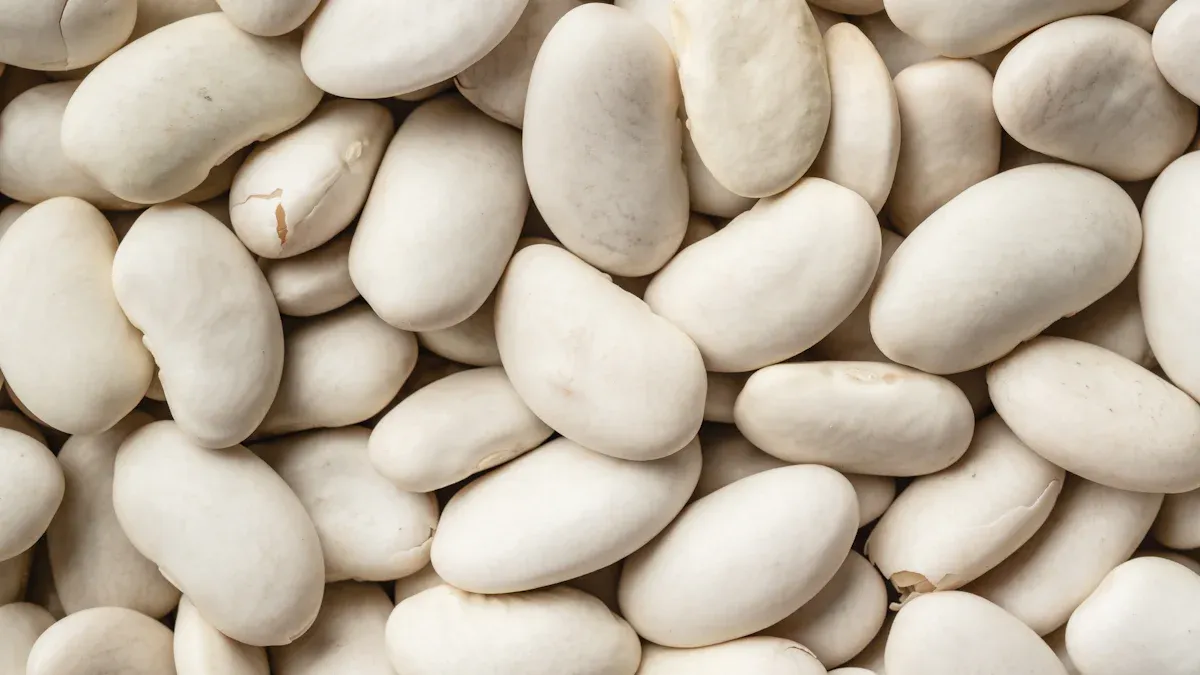
Cannellini beans are a popular variety of white beans. You recognize these large white beans by their distinct appearance. They are creamy-colored and known for their mild flavor. Cannellini beans have a famous kidney shape with squared ends. Their color is a light, creamy white. When you cook them, they become smooth, soft, and buttery.
This delicate and creamy texture makes them ideal for mashing or pureeing. They also produce a fluffy texture and hold their shape well. This makes cannellini beans suitable for many dishes. You will find their flavor nutty and earthy, especially compared to other white beans. Their robust nature allows them to absorb flavors from other ingredients, making them a versatile base for your culinary creations. These characteristics set them apart from other legumes.
Culinary Uses
You can use cannellini beans in many ways in your kitchen. Their versatility makes them a favorite ingredient for home cooks and chefs alike. You can add them to warming soups, where they contribute a creamy texture and hearty substance. They also work exceptionally well in quick salads, adding protein and fiber to your greens.
Many people use them to make delicious dips, like a savory white bean hummus. You can even include them in one-pot pasta recipes, creating a complete and satisfying meal. These large white beans are excellent as a simple side dish. Try serving them with crusty bread, fresh garlic, and a drizzle of extra virgin olive oil for a classic Italian touch. You can also create smooth purées with them, which serve as a healthy base for sauces or spreads. Their ability to hold shape makes them perfect for hearty stews, ensuring they do not turn to mush during cooking. From Mediterranean to American cuisine, cannellini beans truly offer endless possibilities for your meals.
Cannellini Bean Nutrition Facts
You want to understand what you put into your body. Knowing the cannellini bean nutrition facts helps you make informed choices. These beans offer a wealth of nutrients. They provide essential macronutrients and micronutrients. Let’s explore the detailed nutrition facts of cannellini beans.
Macronutrient Breakdown
Cannellini beans are a fantastic source of energy. They give you sustained fuel throughout your day. A typical 1/2 cup serving provides a balanced macronutrient profile. You get a good amount of carbohydrates for energy. You also receive significant protein for muscle health. Importantly, they contain no fat.
Here is a quick look at the macronutrient breakdown for a 1/2 cup serving:
Macronutrient | Amount (per 1/2 cup serving) |
|---|---|
Calories | 110 |
Protein | 8g |
Carbohydrates | 19g |
Fat | 0g |
This chart visually represents the macronutrient content: You can see how these cannellini beans contribute to your daily needs.
Vitamins and Minerals
Beyond macronutrients, cannellini beans pack a punch with vital vitamins and minerals. These micronutrients support many bodily functions. They help your body work properly. You will find a good supply of:
Copper
Iron
B vitamins (including B12)
Potassium
Zinc
Calcium
Folate
These elements are crucial for your overall health. For example, iron helps transport oxygen in your blood. Folate is important for cell growth.
Daily Value Contributions
Cannellini beans contribute significantly to your daily nutrient intake. They help you meet your recommended daily values (DV) for several key minerals. The daily value tells you how much of a nutrient is in one serving of food. It helps you understand if a food is high or low in a nutrient.
Here are some notable daily value contributions:
Nutrient | Daily Value (DV) |
|---|---|
Copper | 55% |
Iron | 36% |
Calcium | 16% |
This chart further illustrates these contributions: You can see that cannellini beans nutrition offers a substantial boost. They provide excellent fiber content too, which we will discuss further. These nutrition facts highlight their value in your diet.
Protein Powerhouse: Cannellini Beans
Plant-Based Protein for Muscle Health
Cannellini beans are a good source of protein. They offer a powerful plant-based protein option for your diet. This protein is important for maintaining muscle health. One-half cup of boiled cannellini beans provides 7 grams of protein. This serving also gives you 5.5 grams of fiber and about 22 grams of carbohydrates. Cannellini beans are a high-protein choice. They provide essential amino acids. Your body cannot make these amino acids on its own. Protein is vital for muscle growth and repair. It also helps with energy production and immune function.
Satiety and Weight Management
The protein in cannellini beans helps you feel full. This feeling of fullness is called satiety. When you feel full, you eat less. This can help with weight loss. Eating foods rich in protein can reduce your overall calorie intake. This makes cannellini beans a great addition to your meals for weight loss. They support your efforts for weight loss by keeping hunger at bay. Including them in your diet can be a smart strategy for weight loss. This helps you achieve your weight loss goals.
Amino Acid Profile
Cannellini beans offer a complete amino acid profile. These are the building blocks of protein. They contain many important amino acids. These include Tryptophan, Threonine, Isoleucine, Leucine, Lysine, Methionine, Cystine, Phenylalanine, Tyrosine, Valine, Arginine, and Histidine. They also provide Alanine, Aspartic Acid, Glutamic Acid, Glycine, Proline, Serine, and Hydroxyproline. A 100g serving of cannellini beans contains 4.4g of protein. This rich profile makes them an excellent choice for your protein needs.
Fiber’s Role in Cannellini Beans
Soluble and Insoluble Fiber
You know cannellini beans are an excellent source of fiber. This dietary fiber comes in two main forms: soluble and insoluble. Soluble fiber dissolves in water. It helps slow down digestion. This promotes a feeling of fullness. It also enhances nutrient absorption from your food. Soluble fiber helps lower blood cholesterol and glucose levels. It binds to cholesterol-containing bile to remove toxins from your body. Insoluble fiber does not dissolve in water. It adds bulk to your stool. This boosts regularity and overall digestive health. Insoluble fiber promotes material movement through your digestive system. It helps with constipation or irregular stools. This type of fiber also assists in preventing digestive issues like irritable bowel syndrome.
Digestive Health Benefits
The high fiber content in cannellini beans offers many digestive benefits. You experience improved gut health. Both types of fiber work together. They keep your digestive system running smoothly. Regular bowel movements are a key advantage. This helps prevent discomfort and promotes a healthy gut environment. Eating high fiber foods supports your body’s natural cleansing processes.
Blood Sugar Regulation
Cannellini beans are a superfood. They contain rich soluble fiber, protein, and minerals. This makes them especially good for managing blood sugar. They have a very low glycemic load (GI of 31). This means your body metabolizes them slowly. This slow process ensures a steady energy supply. It also prolongs satiety. This effectively helps control blood sugar levels. Unlike high GI foods, cannellini beans prevent rapid blood sugar spikes. These spikes can lead to insulin resistance. The fiber in cannellini beans moderates sugar absorption. This assists in controlling blood sugar levels. Their high fiber helps slow down sugar absorption. This promotes improved glucose control. Including cannellini beans in high fiber diets is a smart choice. These high fiber diets support stable blood sugar.
Health Benefits of Cannellini Beans
You will discover many health benefits from including cannellini beans in your diet. These benefits extend beyond their protein and fiber content. Understanding the full scope of cannellini beans nutrition helps you appreciate their value.
Heart Health Benefits
Cannellini beans offer significant support for your heart. They contribute to a healthy heart in several ways. You can protect your heart by including them in your diet. Their fiber content helps lower bad cholesterol. This action reduces your risk of heart disease. The potassium in cannellini beans also helps manage blood pressure. Stable blood pressure is crucial for a strong heart. Eating these beans regularly supports your cardiovascular heart system. You give your heart valuable nutrients. This promotes overall heart wellness. Your heart will thank you for these healthy choices.
Antioxidant Properties
You also gain powerful antioxidant properties from cannellini beans. These benefits come from special compounds. Cannellini beans contain hydroxycinnamic and hydroxybenzoic acids. They also have other polyphenols. These include flavonoids, isoflavonoids like genistein and daidzein, and phenolic acids. These compounds act as antioxidants. They protect your cells from damage. This damage comes from oxidative stress. Oxidative stress links to cancer development. These antioxidants also show anti-inflammatory effects. They can chelate metals. This means they bind to metals. This helps remove harmful substances from your body. You support your body’s defense system.
Bone Health Support
Cannellini beans contribute to strong bones. You get a significant amount of calcium from them. One cup of these beans provides about 190 mg of calcium. Calcium is essential for bone density. They also give you valuable protein. Protein is also important for bone health. You build and maintain strong bones with these nutrients. This support helps prevent bone weakness. You ensure your skeletal system stays robust.
Iron for Energy
You can boost your energy with cannellini beans. They are a good source of iron. Iron is a necessary nutrient for many bodily functions. An iron deficiency can cause low energy. You might also experience breathlessness, headaches, or irritability. Dizziness or anemia can also occur. Iron carries oxygen in your blood. This keeps your muscles, brain, and energy strong. It is essential for oxygen transport and energy production. Cannellini beans provide 2.3 mg of iron per ½-cup serving. This helps you maintain optimal energy levels. You prevent iron deficiency. The overall health benefits of cannellini beans are clear. You support your body’s vitality.
How to Prepare Cannellini Beans
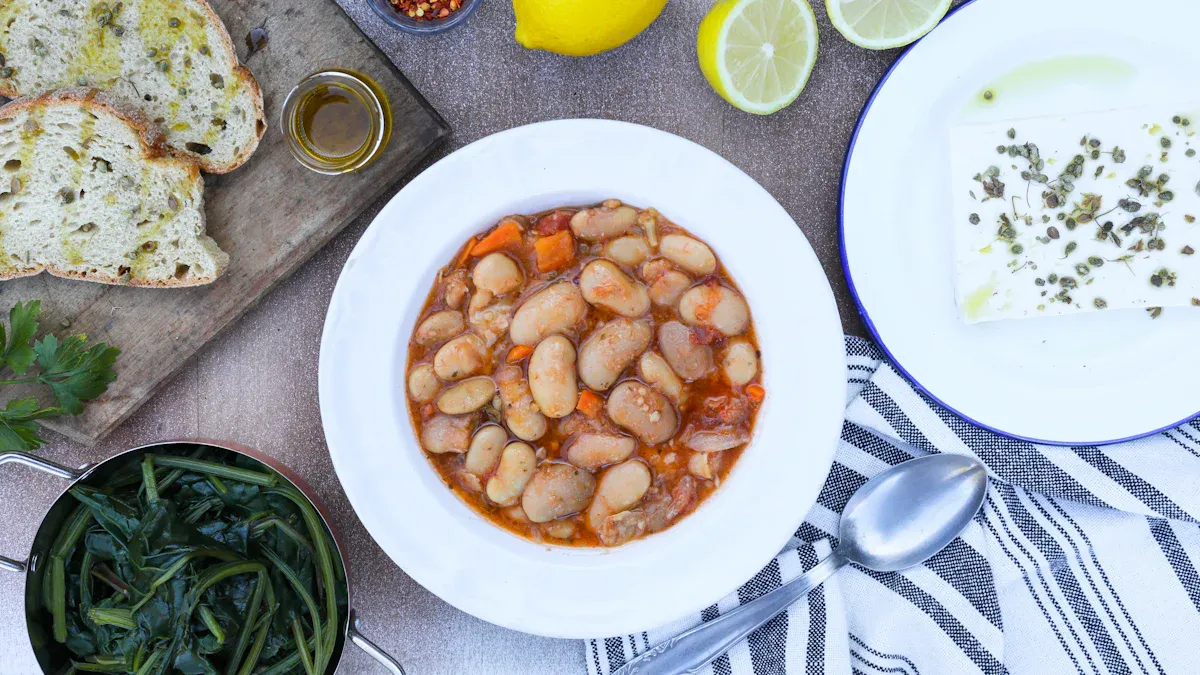
You can easily incorporate cannellini beans into your meals. Knowing how to prepare cannellini beans ensures you get the best flavor and texture.
Dried vs. Canned Beans
You have two main options: dried or canned cannellini beans. Dried beans require more preparation but often offer a superior texture. To prepare dried cannellini beans, you should:
Soak them in plenty of cold water for at least 5 hours, or overnight. This reduces cooking time and aids digestion.
Drain and rinse the soaked beans.
Place beans in a large pan, cover with 5cm of cold water, and bring to a boil.
Skim off any foam, then boil for an additional 10 minutes.
Skim off foam again, then add a small amount of salt. Avoid adding too much salt or acidic ingredients early, as this can harden the skins.
Simmer gently with the lid half-on for 1 to 1.5 hours until tender. Add more water if needed to keep beans submerged. This recipe ensures perfectly cooked beans. For a quicker option, use canned cannellini beans. Simply drain and rinse them before adding to your recipe.
Versatile Culinary Uses
Cannellini beans are incredibly versatile. You can use them in countless dishes. For example, you can add them to a hearty soup recipe or a fresh salad recipe. They make an excellent base for a creamy white bean dip recipe with lemon zest and fresh herbs. You can also create a velvety smooth cannellini bean sauce recipe for a healthy sandwich spread or a creamy pasta sauce. This simple recipe involves pureeing the beans with garlic and tamari. You can even include them in a vegetarian cassoulet recipe.
Tips for Nutrient Absorption
You want to get the most nutrients from your cannellini beans. Combine them with vitamin C-rich foods. For instance, combining cannellini beans with spinach enhances iron absorption by up to 300%. Quick sautéing of spinach preserves 90% of its vitamin C. Soaking dried cannellini beans for 8-12 hours also ensures optimal texture. This indirectly contributes to better digestion and nutrient availability. Starting beans in cold water and gradually simmering them is an optimal preparation technique. Add salt only after beans are tender. This prevents toughening the skins and aids digestion.
Storage Guidelines
Proper storage keeps your cannellini beans fresh. Store dry cannellini beans in a cool, dry place. Avoid high temperatures and humidity. You can keep unused dry beans in a resealable plastic bag or a tightly covered, non-metal container for up to one year. For cooked cannellini beans, store them in a covered, non-metal container in the refrigerator for 3 to 4 days. You can also freeze them for up to 6 months. Consider freezing cooked cannellini beans in smaller, one-to-two-cup portions for convenience.
Potential Considerations
You should also know about some potential considerations when you include cannellini beans in your diet. These points help you enjoy them safely and comfortably.
Digestive Comfort
You might worry about digestive issues when you eat beans. Many people avoid beans because they fear gas or bloating. Cannellini beans, like other legumes, contain oligosaccharides. These are a type of indigestible fiber. When these reach your large intestine, good bacteria ferment them. This process releases gases. This can lead to gas, bloating, and cramps. You can reduce these discomforts. Soak dried cannellini beans before cooking. Change the cooking water. Gradually add beans to your diet. Soaking can lower oligosaccharide content. Changing cooking water can reduce it by 25 to 85 percent. Your body will adapt to the added fiber with regular consumption. Studies show that initial gas and bloating often disappear by the second week.
Antinutrients
Cannellini beans also contain antinutrients. These are natural compounds. They can reduce how well your body absorbs some nutrients. Examples include phytates and lectins. However, proper preparation greatly reduces these. Soaking, rinsing, and thoroughly cooking cannellini beans are key steps. These methods break down most antinutrients. This makes the beans safe and nutritious to eat. You can enjoy their benefits without worry.
Allergic Reactions
Allergic reactions to cannellini beans are rare. However, they can happen. Symptoms usually appear within minutes to an hour after you eat them. You might experience a rash or swelling. Your mouth or throat might tickle or itch. You could also have tummy pain, vomiting, or nausea. More severe reactions, like anaphylaxis, are possible. These can involve breathing difficulties or loss of consciousness. If you suspect an allergy, seek medical attention. Studies show that sensitization to white beans ranges from 5.7% to 14.2% in some groups.
Cannellini beans offer impressive nutritional strengths. You get significant protein and fiber from them. A cup provides 17.4 grams of protein and 11.3 grams of fiber. These beans support a healthy diet. They help with muscle health and digestion. You also gain heart health and weight management benefits. Cannellini beans are low in fat and rich in antioxidants. Include cannellini beans in your meals. Experiment with them for culinary enjoyment. Make informed choices for a balanced eating plan and a healthy diet.
FAQ
Are cannellini beans a complete protein?
No, cannellini beans are not a complete protein on their own. They lack some essential amino acids. You can combine them with grains like rice or quinoa. This creates a complete protein meal. You get all the amino acids your body needs.
How much fiber do cannellini beans provide?
Cannellini beans are rich in fiber. A 1/2 cup serving gives you about 7.4 grams of fiber. This includes both soluble and insoluble fiber. This amount contributes significantly to your daily fiber needs. It supports healthy digestion and blood sugar control.
Can you eat cannellini beans every day?
Yes, you can eat cannellini beans every day. They offer many health benefits. They provide protein, fiber, and essential minerals. Start with small amounts if you are new to beans. This helps your digestive system adjust.
What is the difference between cannellini beans and other white beans?
Cannellini beans are a type of white bean. They are larger than navy beans. They have a kidney shape and a creamy texture. Great Northern beans are also white beans. They are smaller and have a milder flavor. You can often substitute them in recipes.
Do cannellini beans cause gas?
Cannellini beans can cause gas for some people. They contain complex carbohydrates called oligosaccharides. Your body has trouble digesting these. Soaking and rinsing dried beans helps. Gradually adding them to your diet also reduces gas.