

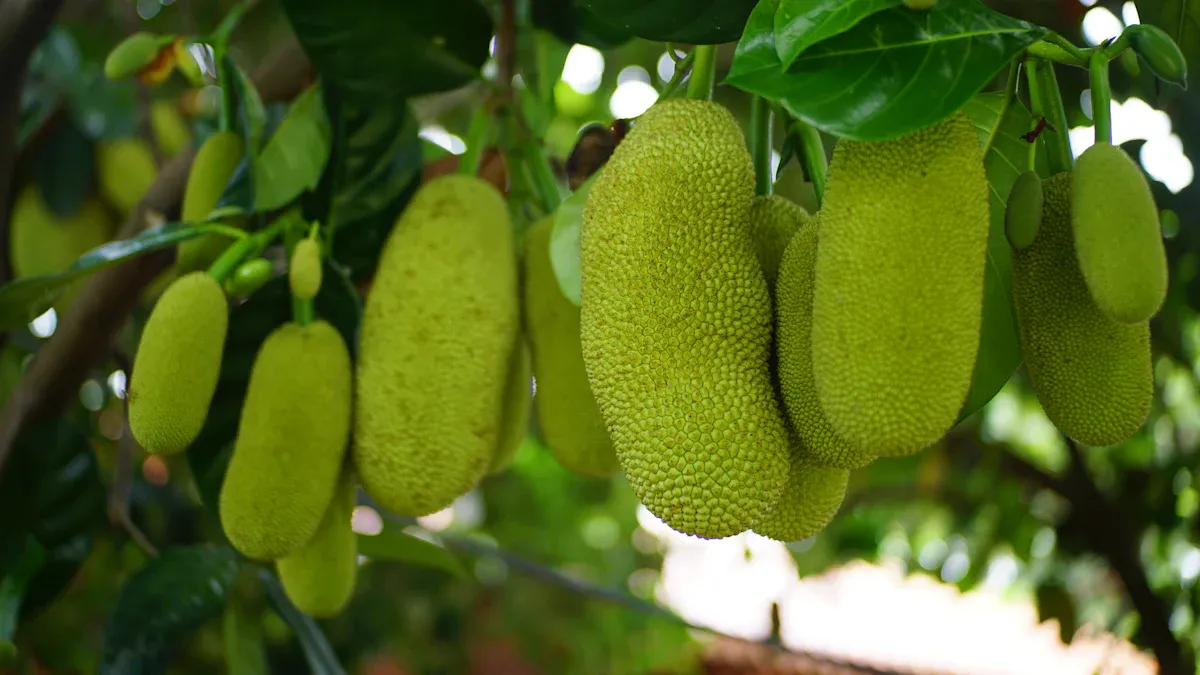
Have you heard of jackfruit? This unique tropical fruit is the largest edible fruit in the world, and it is gaining popularity. Many people recognize jackfruit as a fantastic plant-based meat alternative. The global market for jackfruit meat alternatives will grow by 13.4% each year from 2025 to 2033. This impressive jackfruit also offers great nutrition and many health benefits. You will learn what is jackfruit, how to use this amazing fruit, and its unique characteristics. Jackfruit comes from the Mulberry family.
Key Takeaways
Jackfruit is the world’s largest tree fruit. It comes in two forms: unripe for savory dishes and ripe for sweet treats.
Jackfruit is very healthy. It has vitamins, minerals, and fiber. It helps your digestion, blood sugar, and immune system.
You can use unripe jackfruit as a meat substitute. It works well in tacos, sandwiches, and curries.
Ripe jackfruit is sweet. You can eat it raw or use it in desserts like ice cream and cakes.
Be careful with jackfruit if you have allergies or take certain medicines. Eat it in small amounts.
What Is Jackfruit
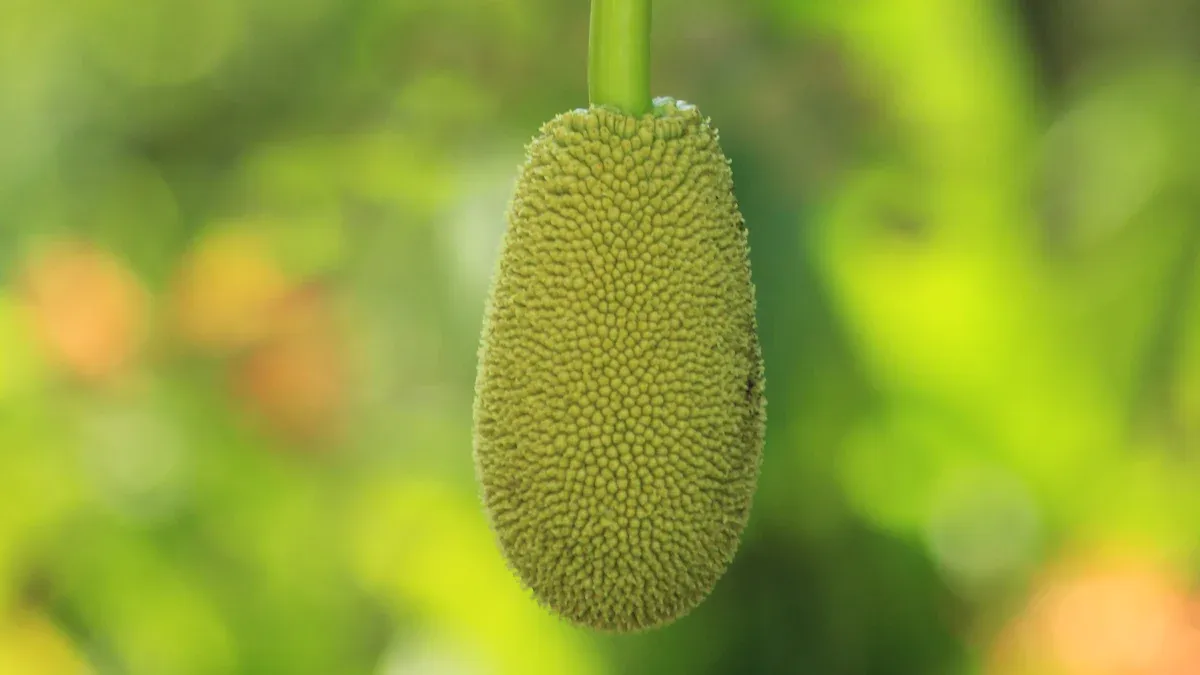
You might wonder, what is jackfruit? This remarkable tropical tree fruit has a rich past and unique features.
Jackfruit Origin and History
Jackfruit comes from South and Southeast Asia. Many believe it originated in the Western Ghats of South India. Some also suggest Malaysia as its origin due to the many types found there. However, it has never grown wild in Malaysia. This suggests people brought it there. Recent studies point to Borneo as a key area for its development. Jackfruit has been a cultivated crop in India for at least 3000 years. People grew it in China for over 1000 years. Jackfruit spread throughout the tropics as a useful tree.
Historical records show its long cultivation. A 1980 scientific article states jackfruit came from the Indian Peninsula. From there, it spread to other warm regions. A 16th-century Portuguese doctor described eating jackfruit. He noted its inner parts tasted like roasted chestnuts. Its yellow rinds had a pleasant taste.
Jackfruit Characteristics
Jackfruit is the world’s largest tree-borne fruit. It can grow up to two feet long. It can weigh up to 40 pounds. Some individual jackfruit can even reach 100 pounds. The world record is over 94 pounds. An average jackfruit usually weighs between 10 and 25 pounds.
Ripe vs. Unripe Jackfruit
You will find jackfruit in two main forms: ripe and unripe. Each has different uses. Unripe jackfruit has a fibrous texture. It has little to no smell. Its meat is white or light green. It has smaller, even spikes and a hard, lighter green skin. This form is perfect for savory dishes. It mimics meat well.
Ripe jackfruit is soft. It has well-developed capsules. It smells like fruit, often compared to fruit chewing gum. Its appearance is yellow or orange inside. It has more developed, thicker spikes. The skin is softer and darker green. The bright yellow inside contains large pods of sweet, stringy yellow flesh.
Jackfruit Flavor Profile
Ripe jackfruit offers a unique tropical fruit flavor. People describe it as a mix of pineapple, banana, and mango. It can even taste like bubblegum. This comes from compounds like isoamyl acetate, also known as banana oil. As jackfruit ripens, its sugar content increases. This makes the fruit sweeter.
Jackfruit Nutrition
Jackfruit offers an impressive nutritional profile. You will find this tropical fruit packed with essential vitamins, minerals, and dietary fiber. It truly stands out as a healthy choice.
Jackfruit Vitamins
Jackfruit is a good source of vitamin C. This important vitamin supports your immune system. A 100-gram serving of raw jackfruit contains 4.6 mg of vitamin C. If you eat one cup of raw, sliced jackfruit (about 165 grams), you get around 23 mg of vitamin C. This amount provides 25% of your Daily Value for this vital vitamin. Beyond vitamin C, jackfruit also provides B vitamins like B6. These vitamins help your body convert food into energy. This makes jackfruit a valuable source of vitamin C and other key vitamins.
Jackfruit Minerals
You will also find important minerals in jackfruit. This fruit contains magnesium. Magnesium helps your body absorb calcium. It strengthens your bones and helps prevent bone problems like osteoporosis. Jackfruit also provides iron. Iron is crucial for preventing anemia and ensuring good blood circulation. You also get copper from jackfruit. Copper plays a big role in your thyroid gland’s metabolism. This rich nutritional profile makes jackfruit a superfood.
Jackfruit Fiber Content
Jackfruit is an excellent source of dietary fiber. Fiber is important for your digestive health. It helps keep your system regular. A 100-gram serving of jackfruit contains 1.5 grams of dietary fiber. This amount contributes to your daily fiber needs. Eating enough dietary fiber can help you feel full longer. This makes jackfruit a smart addition to your diet.
Jackfruit Macronutrients
When you look at the macronutrients, jackfruit provides energy. A 100-gram serving has about 95 calories. It contains 23.25 grams of carbohydrates. Of these carbohydrates, 19.08 grams are sugars. This natural sweetness makes ripe jackfruit a delicious treat. You get a good balance of energy and beneficial nutrients from this fruit.
Health Benefits of Jackfruit
Jackfruit offers many impressive health benefits. You can improve your overall well-being by including this tropical fruit in your diet.
Digestive Health Benefits
This fruit offers great health benefits for your digestive system. Studies show that fermented jackfruit products can improve your gut health. For example, diets using fermented jackfruit leaf and pulp in rats increased the diversity of gut bacteria. These diets also boosted beneficial microbes. They lowered the Firmicutes:Bacteroidetes ratios. This means your gut can work better. You saw more methane-producing microbes and butyric acid-producing microbes. These changes help your body use energy.
Jackfruit seeds also play a role. Resistant starch from jackfruit seeds can change your gut bacteria. It affects bacteria like Bacteroides, Ruminococcus, and Bifidobacterium. These bacteria are important for how your body handles fats. Research also shows that jackfruit seed resistant starch works with Bifidobacterium pseudolongum. Together, they help control gut bacteria and reduce high cholesterol in mice.
SCOBY jackfruit beverages also help your gut. In obese mice, these drinks increased good gut microbes. These include Bifidobacterium, Faecalibaculum, Akkermansia, Lactobacillus, and Bacteroides. The drinks also reduced Firmicutes and increased Bacteroidetes. This improved the Bacteroidetes:Firmicutes ratio. These findings show jackfruit can positively change your gut microbiota.
Blood Sugar Control
This fruit can also help you manage your blood sugar. This is one of the important health benefits of jackfruit. Jackfruit seed powder (JSP) can improve how your body handles glucose. JSP contains flavonoids and phenolic compounds. These help your body process fats better. JSP also has non-digestible carbohydrates. These can help lower cholesterol in your blood.
Jackfruit contains many helpful plant chemicals. These include flavonoids, phenolic compounds, and saponins. Green unripe jackfruit is a good choice for blood sugar control. People eat it instead of rice. It has soluble fiber, like pectin, and a lower glycemic load. This helps keep your blood sugar steady. Both unripe and ripe jackfruit have active parts. These parts help prevent problems with diabetes and obesity.
The peel extract of jackfruit also helps. It has compounds that stop an enzyme called α-glucosidase. This enzyme breaks down carbohydrates. Stopping it helps slow sugar absorption. This effect is much stronger than some common medicines. Jackfruit has a lot of protein and fiber. These slow down digestion. This helps regulate your blood sugar levels. It also contains flavonoid antioxidant compounds. These help control blood sugar and lower your risk of type 2 diabetes.
Clinical studies support these findings. One study looked at green jackfruit flour in people with type 2 diabetes. Participants who ate 30g of jackfruit flour daily for 12 weeks saw a big drop in their HbA1c levels. This is a measure of long-term blood sugar control. They also had lower fasting and after-meal blood sugar levels. Continuous glucose monitoring showed lower average blood glucose with jackfruit flour. Another study found that jackfruit leaf tea also lowered blood sugar levels in people with type 2 diabetes. This shows the health benefits of jackfruit for blood sugar.
Immune System Support
This fruit is a great superfood for your immune system. It contains important vitamins and antioxidants that boost your body’s defenses. Jackfruit is a good source of vitamin C. Vitamin C is full of cancer-fighting antioxidants. It helps your immune system work better. It also helps your body make more white blood cells. These cells fight infections.
Jackfruit also has other antioxidants. These include lignans, isoflavones, and saponins. These compounds fight harmful free radicals in your body. Free radicals can damage your cells. By fighting them, these antioxidants boost your immune function. Vitamins A and C in jackfruit help prevent illnesses. They also reduce your risk of viral infections. Vitamin C specifically helps prevent inflammation. It lowers your risk of chronic diseases.
Carotenoids and flavonoids are two main antioxidants in jackfruit. They help reduce inflammation. They also lower your risk of conditions like type 2 diabetes, heart disease, and high blood pressure. These compounds protect your cells from damage caused by free radicals. This makes jackfruit a powerful ally for your immune health.
Antioxidant Power
This fruit is rich in powerful antioxidant compounds. These compounds protect your body from damage. The main antioxidants in jackfruit are flavonoids and polyphenols. These substances fight oxidative stress. Oxidative stress can harm your cells and lead to various diseases.
Jackfruit also contains resveratrol. This plant chemical is known for its anti-inflammatory properties. Extracts from jackfruit pulp show strong anti-inflammatory action. They reduce the formation of nitric oxide. This helps calm inflammation in your body. An enriched extract from jackfruit wood contains artocarpin. This compound reduces inflammation by lowering pro-inflammatory cytokines. These are substances that cause inflammation. Jackfruit has other active compounds like phenolics and flavonoids. These are key in fighting oxidative stress and inflammation.
Heart Health Benefits
Jackfruit also provides significant health benefits for your heart. It is a good source of potassium. The American Heart Association says potassium-rich foods can lower blood pressure. Potassium works against sodium. It also relaxes your blood vessel walls. This helps reduce tension.
Studies on rats show that a diet with many jackfruit seeds improved cholesterol levels. It increased “good” HDL cholesterol. It reduced “bad” LDL cholesterol. Jackfruit, especially its seeds, contains both soluble and insoluble fiber. Soluble fiber can help lower LDL cholesterol levels. Research suggests that dietary fiber can also reduce your risk of heart diseases.
Jackfruit seed powder (JSP) can reduce cholesterol levels. In one study, JSP lowered total cholesterol (TC), triglycerides (TGs), and LDL cholesterol in mice. A 20% JSP supplement significantly reduced TC and LDL levels. A 10% JSP supplement also showed some reduction. The concentration of TGs was lower in mice treated with JSP. Another study found that jackfruit seeds lowered LDL cholesterol and increased HDL cholesterol in rats. These good effects come from the fiber, flavonoids, and phenolic compounds in jackfruit seeds. These compounds bind to bile acids and cholesterol. This reduces cholesterol absorption. It also helps your body process fats better.
Uses for Jackfruit
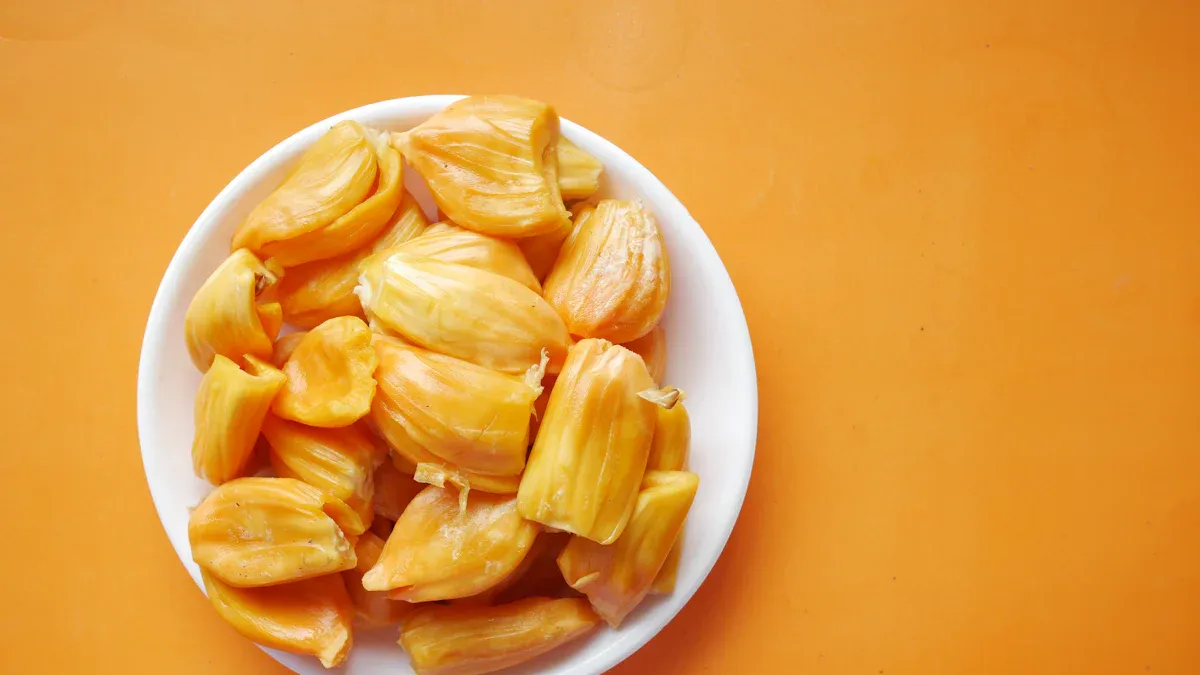
You will find jackfruit offers incredible culinary versatility. People eat it raw, dried, or cooked in many parts of the world, especially in Southeast Asia and India.
Unripe Jackfruit Uses
You can use unripe jackfruit in many ways. Its mild flavor and fibrous texture make it a versatile ingredient. In Southeast Asian cooking, people often use unripe jackfruit as a vegetable. You will find it in curries, stews, and stir-fries. Its consistency allows it to mimic meat well. This makes it a popular choice for vegetarians and vegans. For example, in Indonesia, ‘Gudeg’ is a famous sweet jackfruit stew. It is a regional delicacy.
Ripe Jackfruit Uses
Ripe jackfruit offers a different experience. Its natural sweetness makes it perfect for desserts. You can enjoy eating jackfruit raw, or you can use it in many sweet dishes. Many popular dessert recipes feature ripe jackfruit. These include Fruit Chè, a Vietnamese fruit dessert, and various fruit cocktail desserts. You can also make delicious treats like Banana Coconut Ice Cream or Turon, a Filipino banana lumpia dessert. Some unique recipes include Jackfruit Halwa, a seasonal dessert that melts in your mouth. It is quite effortless to make. Other sweet jackfruit dishes include steamed jackfruit rice cakes, jackfruit pudding, and even jackfruit upside-down caramel cake.
Jackfruit as Meat Substitute
Jackfruit is a great meat alternative. Its unique texture makes it ideal for plant-based dishes. You can prepare unripe jackfruit to create a meat-like texture. First, drain canned jackfruit. Place it in a large pan and cover it with water. Bring it to a boil and cook for 45 minutes. Rinse and cool the jackfruit. Then, shred it by hand or with forks. This creates stringy, meat-like strands. For the best texture, return the shredded jackfruit to the pan. Cover it with water and boil for another 30 minutes. Rinse and thoroughly dry the jackfruit. Squeeze out excess liquid. This ensures it absorbs marinades and sauces properly.
Other methods also help achieve a meat-like texture.
Boiling and Braising: Simmering jackfruit in water or coconut milk makes it tender and pull-apart.
Shredding: Pulling apart boiled jackfruit creates uniform, meat-like strands. These resemble pulled pork or shredded chicken.
Moisture Control: Squeezing out excess liquid prevents mushiness. It also allows better absorption of flavors.
Roasting and Grilling: Roasting shredded jackfruit at high temperatures (e.g., 450°F for 20-25 minutes) or grilling it creates a firmer, crisper texture.
Pan-frying and Sautéing: Pan-frying jackfruit in oil adds caramelization, umami notes, and crispy edges.
Sweet Jackfruit Dishes
You can create many sweet dishes with ripe jackfruit. Its natural sweetness and tropical aroma make it a delightful ingredient. Beyond the dessert options mentioned earlier, you can explore more. Consider making a Jackfruit Banana Milk Crumble. You can also try a Caramelised Jackfruit Semolina Cake. For a quick treat, make a 3-ingredient jackfruit ice cream. If you enjoy baked goods, a Jackfruit Cake (Panasa Podapitha) is a traditional choice. You can even prepare an Oats and Jackfruit breakfast dessert in just five minutes. These dishes highlight the fruit’s versatility in desserts.
Savory Jackfruit Dishes
Unripe jackfruit shines in savory dishes. Its firm, neutral nature and ability to shred make it perfect for absorbing spices and sauces. This culinary versatility allows you to use it in many ways. You can make delicious tacos, including vegan pulled pork, soft tacos, or barbacoa tacos. It also works well in sandwiches, such as vegan pulled pork sandwiches or a jackfruit no-tuna melt. Burgers are another popular option.
You can even find it in Mexican dishes like ancho chili jackfruit tamales or jackfruit gorditas. For Asian-inspired meals, try vegan bao buns with pulled jackfruit. Other savory applications include vegan crab coconut soup, spicy jackfruit salad, curries, biryani, and vegan carnitas. These recipes show the wide range of savory dishes you can create. Young green jackfruit, often canned in brine or water, is ideal for these savory preparations. It holds its shape through various cooking methods like roasting, simmering, and grilling.
Jackfruit Risks and Considerations
You should know about some potential risks and considerations when you enjoy jackfruit. This helps you use it safely and effectively.
Jackfruit Allergies
Some people can have an allergic reaction to jackfruit. You might experience symptoms if you are sensitive to certain compounds. Jackfruit contains a Bet v 1 allergen. This is similar to what you find in birch pollen. It can cause oral jackfruit allergy. Jackfruit also has a lot of pectin. Inhaled pectin can cause occupational asthma. You might also see cross-reactivity with nuts high in pectin, like cashews and pistachios. This could trigger reactions if you have nut allergies. Jackfruit and breadfruit also contain lectins. These lectins can cause adverse reactions. They can even cause red blood cells to clump together.
Medication Interactions
Jackfruit can interact with certain medications. You should be careful if you take specific drugs.
Medications for diabetes: Jackfruit can lower your blood sugar. If you take diabetes medications, your blood sugar might drop too low. You should monitor your blood sugar closely.
Sedative medications: Jackfruit seeds can make you sleepy. They can also slow your breathing. Combining jackfruit with sedatives could lead to too much sleepiness and breathing problems.
Medications that slow blood clotting: The latex in jackfruit bark might slow blood clotting. If you take blood-thinning medications, you could have a higher risk of bruising and bleeding.
Consumption Moderation
Enjoy jackfruit, but eat it in moderation. Like any food, too much can cause discomfort. Ripe jackfruit has natural sugars. Unripe jackfruit has a lot of fiber. Eating too much of either might upset your stomach. Listen to your body and enjoy jackfruit as part of a balanced diet.
Sourcing and Storage
Proper sourcing and storage keep your jackfruit fresh and tasty.
Whole, unripe jackfruits: Store these at 11-13°C (52-55°F). Keep the humidity at 85-95%. This can keep them good for 2-6 weeks.
Ripe jackfruit: You should eat ripe jackfruit quickly. Its optimal storage only lasts a few days.
Freezing ripe jackfruit bulbs: You can freeze ripe jackfruit bulbs. They will keep their texture and flavor for 6-8 months.
Solar drying: This method turns extra fruit into shelf-stable products. It reduces moisture and prevents spoilage.
For fresh-cut jackfruit, store whole fruits for 3–6 days before cutting them. This helps develop the best flavor. It also keeps amino acids and other good compounds.
You have learned what is jackfruit, a truly versatile fruit. It offers impressive nutrition and great culinary potential. Jackfruit stands out as a healthy, sustainable food option, especially for plant-based diets. You should explore its unique place among tropical fruits. Experiment with jackfruit in your cooking. Discover its diverse applications. Jackfruit’s role in global cuisine and healthy eating will continue to grow.
FAQ
Is jackfruit a fruit or a vegetable?
Jackfruit is a fruit. You can use it as a vegetable when it is unripe. Its texture makes it a great meat substitute. When ripe, it becomes sweet. You can enjoy it in desserts.
How do you know if a jackfruit is ripe?
A ripe jackfruit smells sweet. Its skin turns a darker green or yellow. The spikes on its skin become softer. You can gently press the skin. It will give slightly when ripe.
Can you eat jackfruit seeds?
Yes, you can eat jackfruit seeds. You should cook them first. You can boil, roast, or bake them. They taste like chestnuts. They are also nutritious.
Where can you buy jackfruit?
You can find jackfruit in Asian markets. Many grocery stores now carry it. Look for it fresh, canned, or frozen. Canned jackfruit often comes in brine or water.
Is jackfruit good for weight loss?
Jackfruit can support weight loss. It has a lot of fiber. Fiber helps you feel full longer. This can reduce overeating. It is also low in calories.