

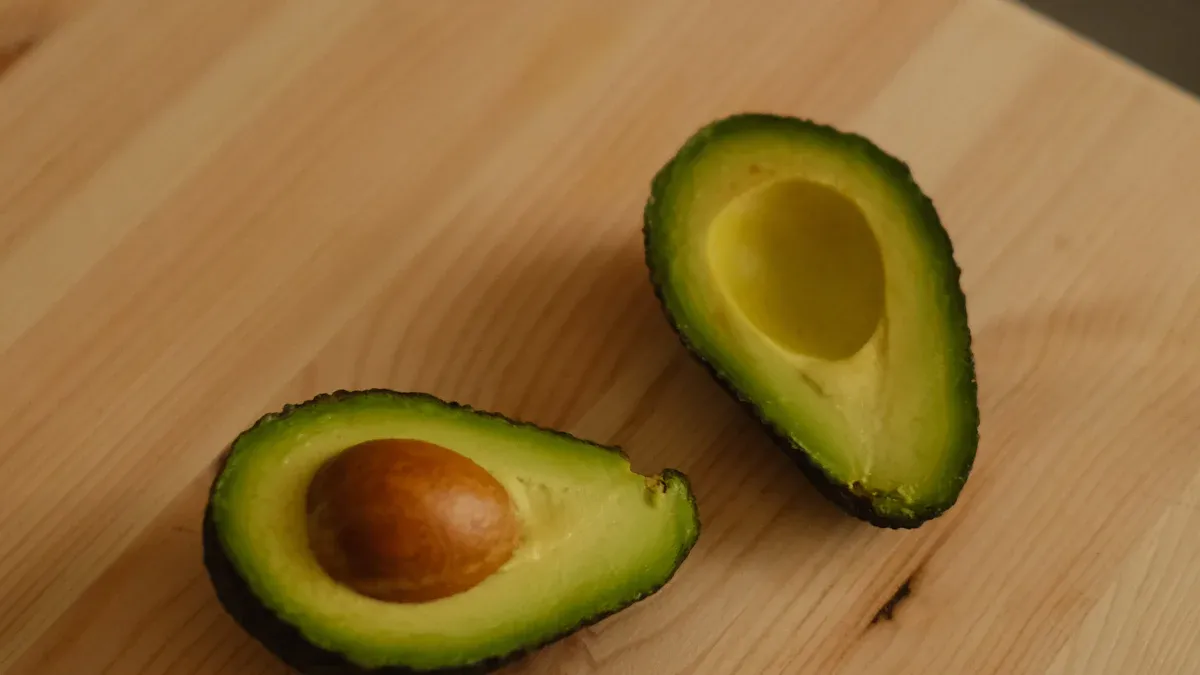
Small avocados are gaining popularity. You find them incredibly convenient for single servings. Do not let their size deceive you. These tiny fruits pack a powerful punch of goodness. The small avocado nutrition is truly remarkable. You will discover the many health benefits of avocado. We explore their amazing nutrition, health benefits, and practical uses in your diet. How can such a small avocado be a true superfood?
Key Takeaways
Small avocados are full of good nutrients. They have healthy fats, fiber, and many vitamins and minerals.
Eating avocados helps your heart. It can lower bad cholesterol and blood pressure.
Avocados are good for your stomach. The fiber helps digestion and keeps your gut healthy.
Avocados help you feel full. This can help you manage your weight.
You can easily add avocados to your meals. They are great in smoothies, salads, and as snacks.
Small Avocado Nutrition Facts
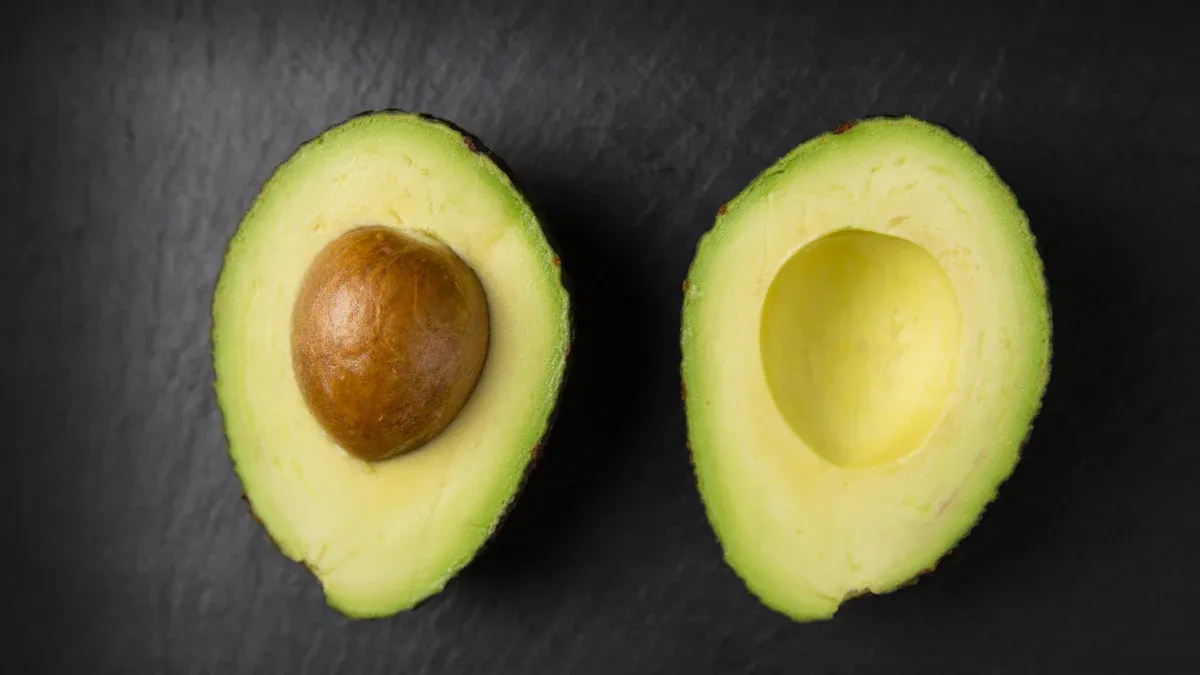
You might wonder about the specific small avocado nutrition. These small fruits offer a remarkable nutritional profile. A single small avocado provides a good amount of energy and essential nutrients. You get a lot of goodness in a compact package.
Macronutrients: Healthy Fats, Fiber, and Protein
You will find that a small avocado is a powerhouse of macronutrients. It gives you healthy fats, dietary fiber, and even some protein. Look at what one small avocado typically offers:
Nutrient | Value |
|---|---|
Calories | 80 |
Total Fat | 8g |
Dietary Fiber | 3g |
You get about 80 calories from one small avocado. It contains 8 grams of total fat. You also receive 3 grams of dietary fiber. This makes avocado a nutrient rich choice. Most of the fat in an avocado is healthy fat. A small avocado typically contains around 22g of total fat. The majority of this is heart-healthy monounsaturated fat. These fats are good for your health. You will find that avocados are free from sodium, sugar, and cholesterol. This makes them an excellent addition to your diet. You gain important nutrients without unwanted additives.
Vitamins and Minerals: Potassium, Folate, and B Vitamins
Beyond fats and fiber, you also get a wide array of vitamins and minerals from an avocado. You receive nearly 20 different vitamins and minerals. These nutrients support many body functions.
Half of a medium-sized fruit provides up to… 10 percent potassium, 15 percent folate.
You get a significant amount of potassium. This mineral helps maintain fluid balance. Folate is another key nutrient. It is vital for cell growth. You also find many B vitamins in avocado. These vitamins help your body convert food into energy.
Here are some of the B vitamins you get:
Folate: 44.5mcg (11.13% Daily Value)
Vitamin B6: 0.143mg (8.41% Daily Value)
Other B vitamins present include niacin (B3), pantothenic acid (B5), and riboflavin (B2). You can see the concentration of various B vitamins in a 68g serving of avocado below.
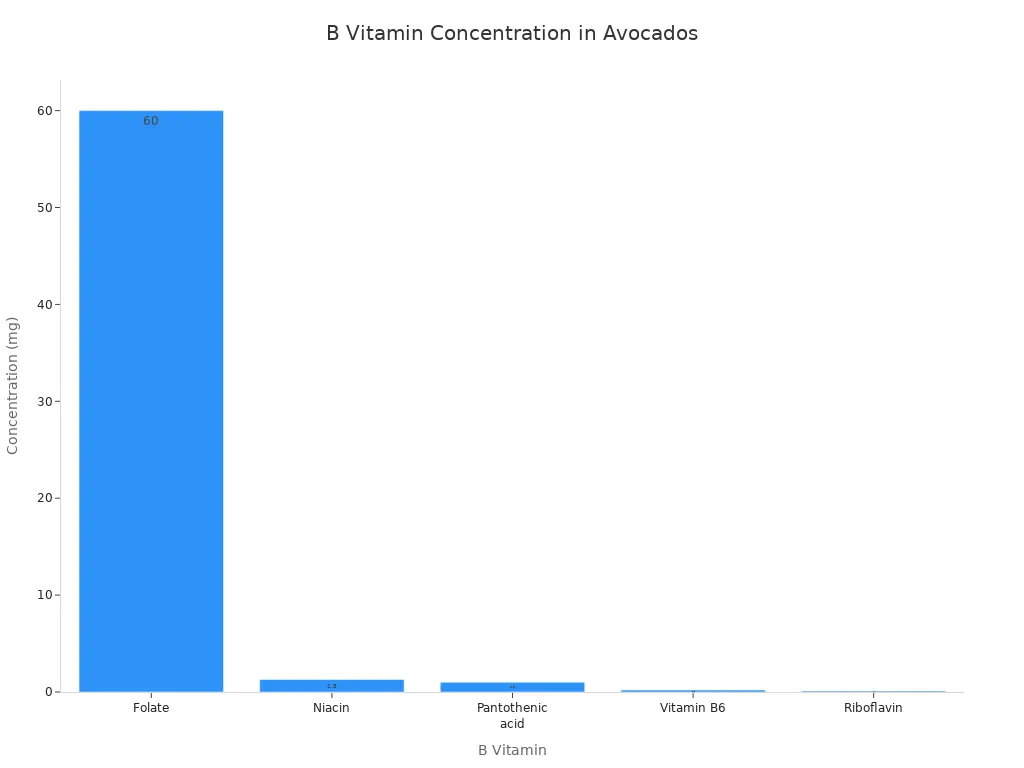
You can see that folate is the most abundant B vitamin. These vitamins and minerals contribute greatly to your overall nutrition.
Antioxidants and Phytonutrients: Carotenoids and Polyphenols
Small avocados also contain powerful antioxidants and phytonutrients. These compounds protect your cells from damage. You find carotenoids in avocados. These are plant pigments that act as antioxidants. Lutein and zeaxanthin are examples of carotenoids. They are good for your eye health. You also get polyphenols. These are another group of beneficial plant nutrients. They offer anti-inflammatory benefits. These additional nutrients further enhance the nutritional profile.
Health Benefits of Avocado Consumption
You gain many health benefits when you include avocado in your diet. Its unique nutritional makeup helps your body in several ways. You will see how this superfood supports your overall health.
Heart Health Support
You can protect your heart when you eat avocado. The monounsaturated fatty acids (MUFAs) in avocado are healthy for the heart. These fats help improve your cholesterol levels. Studies show that a diet rich in avocado can lower total cholesterol and bad LDL cholesterol.
One study found that eating one avocado daily for six weeks reduced oxidized LDL. This is a harmful type of cholesterol. You also get a reduction in total cholesterol by about 18.80 mg/dL and LDL-C by 16.50 mg/dL. This shows that replacing other fats with avocado is a smart choice for your heart.
🥑 Tip: Replacing unhealthy fats with avocado can significantly improve your heart health.
Avocado consumption also helps your blood pressure. Research shows it can reduce systolic blood pressure. This is the top number in your blood pressure reading. You also get important nutrients like potassium and magnesium. These minerals are vital for a healthy heart. Regular avocado consumption links to a 16% lower risk of cardiovascular disease. It also links to a 21% lower risk of coronary heart disease. You can see the powerful health benefits of avocado for your cardiovascular system.
Digestive Wellness and Gut Health
You support your digestive system when you eat avocado. Avocado is rich in dietary fiber. This fiber helps your digestion work smoothly. It promotes regular bowel movements. This is important for removing toxins from your body.
The fiber in avocado also feeds the good bacteria in your gut. This helps create a healthy gut microbiome. A study found that eating avocado daily increased the diversity of gut bacteria. This means you have more types of good bacteria. These good bacteria produce short-chain fatty acids. These acids are vital for the health of your gut cells. Avocado fiber acts as a prebiotic. It helps balance your gut bacteria. This can lead to less inflammation in your digestive tract. You also get a reduction in certain bile acids. This further supports your gut health.
Weight Management and Satiety
You can manage your weight better with avocado. The combination of healthy fats and fiber in avocado helps you feel full. This feeling of fullness is called satiety. When you feel full, you eat less.
Research shows that adding half of a fresh avocado to your lunch makes you feel more satisfied. You will also have less desire to eat for several hours after your meal. This can help you avoid snacking later. The fat and fiber in avocado slow down how fast food leaves your stomach. This keeps you feeling full longer. This combination also affects hormones that control your appetite. You can maintain feelings of fullness. This helps you stick to your diet goals. Avocado consumption does not hinder weight loss efforts. It helps you feel satisfied.
Skin, Eye, and Brain Benefits
You also get benefits for your skin, eyes, and brain from avocado. Avocado contains lutein and zeaxanthin. These are special antioxidants. They are good for your eyes. They help protect your eyes from damage. Eating avocado can increase the amount of these compounds in your eyes. This is important for good vision.
Your skin also benefits from avocado. The healthy fats in avocado increase your skin’s elasticity. This makes your skin more supple. Avocado also provides vitamins E and C. These vitamins are key for healthy skin. Biotin, a B vitamin in avocado, helps prevent dry skin. You nourish your skin from the inside out.
For your brain, the healthy fats in avocado support brain function. They help keep your brain cells healthy. This contributes to better cognitive health.
Anti-Inflammatory Properties
You can reduce inflammation in your body with avocado. Avocado contains compounds that fight inflammation. These include phenols and flavonoids. These are types of antioxidants. They help calm down processes in your body that cause inflammation.
Studies show that avocado can reduce markers of inflammation. For example, eating a burger with avocado led to less activation of an inflammatory pathway. It also lowered levels of certain inflammatory proteins. The seeds of avocado are especially rich in these anti-inflammatory compounds. They have more polyphenols and antioxidants than the pulp. You can see how avocado helps your body fight inflammation. This is another great health benefit of avocado.
Diet Uses for Small Avocados
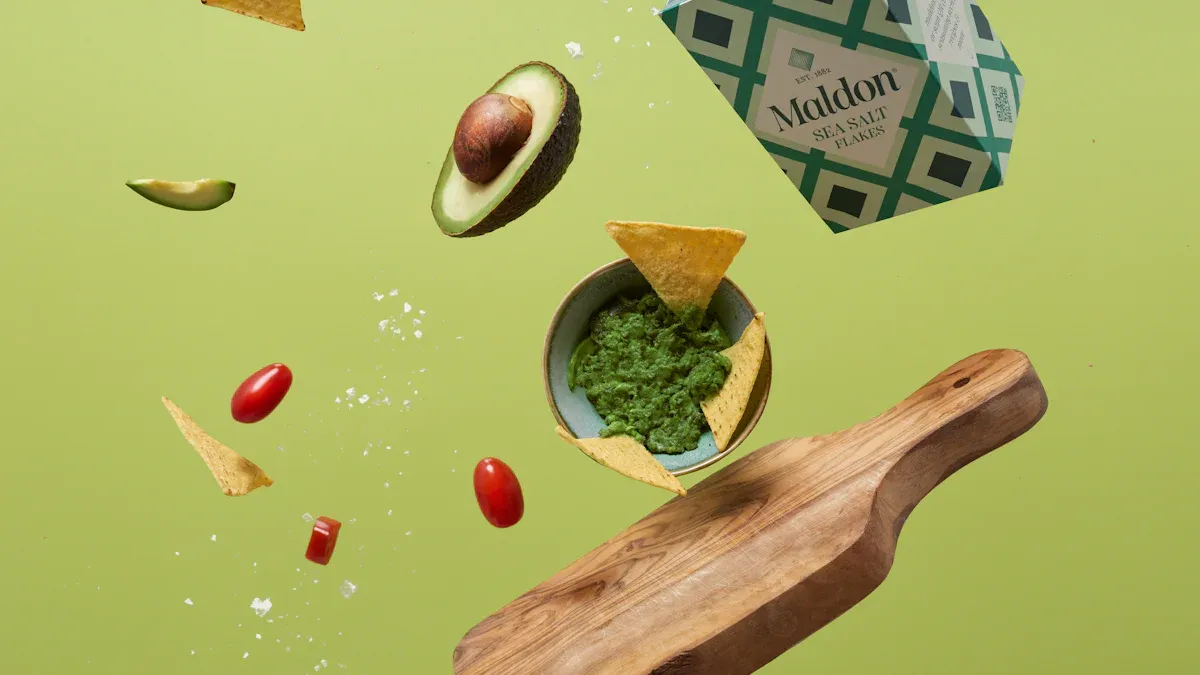
You can easily add small avocados to your daily meals. They bring flavor and nutrition to any dish. These versatile fruits fit into many eating plans.
Breakfast Ideas: Smoothies and Toasts
Start your day right with avocado. You can blend them into delicious smoothies. Try a Green Smoothie Bowl. It features avocado, banana, and chocolate protein powder. You can enhance it with blueberries, chia seeds, and cacao nibs. Another option is a Low Carb Mint Chip Protein Shake. This shake uses avocado, whey protein, and peppermint oil. You can also make a Blueberry Avocado Banana Smoothie with spinach for extra nutrients.
Avocado toast is another popular breakfast. You can top your toast in many ways. For a simple start, use avocado with olive oil and salt. For a Caprese twist, add tomatoes, fresh basil, and balsamic glaze. You can also combine ricotta cheese, sprouts, and everything bagel seasoning. Radishes or cucumbers with sesame oil offer an Asian flavor. Smoked salmon and capers are also great. These ideas help you include this fruit in your morning diet.
Lunchtime Meals: Salads and Wraps
Small avocados make your lunch more satisfying. They add creaminess and nutrients to salads or wraps. Create an avocado salad dressing. Blend avocado with lemon juice, red wine vinegar, olive oil, and herbs like cilantro. This dressing pairs well with cucumbers, tomatoes, and red onion. Another dressing uses a ripe avocado, water, lemon juice, dill, and garlic. Blend it until smooth. These dressings make your meals more flavorful and add healthy fats to your diet.
Dinner Dishes: Guacamole and Sauces
Everyone loves guacamole. But you can use avocado in many other dinner sauces. Its rich, buttery texture can replace mayonnaise or dairy. Try Snapper with Avocado Guasacaca Salsa. This Venezuelan salsa combines avocado, bell peppers, and cilantro. You can also make an Avocado Tahini Dipping Sauce. It blends avocado with tahini, lemon, and garlic. A Spicy Avocado Aioli adds a fiery kick. For a fresh taste, try Avocado Basil Dipping Sauce. It mixes avocado with basil, garlic, and lemon. You can even top enchiladas with a smooth Avocado Crema. These options expand your dinner menu.
Healthy Snacking Options
Small avocados are perfect for healthy snacking. They are convenient and filling. You can make avocado toast with cottage cheese or eggs. Smoothies with avocado, banana, spinach, and Greek yogurt are quick snacks. Jicama sticks with guacamole offer a crunchy treat. Mini chicken-avocado sandwiches are also good. For something sweet, try homemade granola bars with avocado and dark chocolate. Avocado chocolate almond oat bites are another sweet option. These snacks fit well into a healthy diet.
Portion Control and Calorie Awareness
Small avocados help you manage your portions. Their size makes it easy to control how much you eat. You get all the benefits of this fruit without overdoing it. This is important for any eating plan. You can enjoy the healthy fats and fiber. You stay aware of your calorie intake. Incorporating small avocados supports a balanced nutritious diet.
Selecting and Storing Small Avocados
You can maximize your enjoyment of small avocados by knowing how to choose and store them. Proper selection ensures you get a delicious fruit. Good storage keeps it fresh longer.
Choosing the Perfect Small Avocado
You want to pick a perfectly ripe small avocado. Look for specific visual cues. The skin will turn darker, almost black. The skin will also become bumpier. These signs tell you the avocado is ready to eat. Gently squeeze the fruit. It should yield to slight pressure. Avoid avocados with soft spots or bruises.
Optimal Storage for Freshness
You can store your avocados to maintain their freshness. If you have firm, unripe whole avocados, keep them at room temperature. A range of 68-75°F (20-24°C) is ideal. Place them away from direct sunlight or heat. This prevents premature ripening. To slow down ripening, you can use ethylene-absorbing products. Once your avocado is ripe, refrigerate it. This extends its shelf life for up to a week. The refrigerator’s crisper drawer works best. It offers low humidity. This keeps your ripe avocado fresh for about two to three days. Never store avocados in water. This can allow harmful bacteria to grow.
Ripening Tips
You might want to ripen a very firm avocado quickly. Place it in a paper bag with a ripe banana. The banana releases ethylene gas. This gas speeds up the ripening process. Avocados ripened this way often take about five days. This method is faster than others. It also gives you flawless flesh, a creamy texture, and delicious flavor. Patience is important. Natural ripening with a banana provides the best taste.
Sustainable and Local Sourcing
You can also consider where your avocados come from. Look for locally grown options. This supports local farmers. It also reduces the environmental impact of transportation. Sustainable sourcing helps ensure good practices. You can find these at farmers’ markets or specialty stores.
You now understand the superb small avocado nutrition. You see the many health benefits of avocado. These include heart health, better digestion, and improved overall health. This small fruit offers immense benefits. You can easily add avocado to any diet. Its versatility makes it perfect for a healthy diet. You can enjoy it in smoothies, salads, or as a snack. Make small avocados a regular part of your healthy eating habits. You will gain significant health benefits. Remember, small, healthy choices lead to big improvements in your health and nutrition.