


Hummus is a nutrient-dense dip. It is made from chickpeas, tahini, lemon juice, and olive oil. This popular dip is a rich source of plant-based protein, fiber, and healthy fats. Hummus offers many health benefits. Its powerful nutrition helps address common deficiencies.
For instance, hummus can alleviate iron deficiency, a global health problem. It also helps with deficiencies in folate, vitamin B12, and vitamin A. These are major causes of anemia. Consuming chickpeas or hummus correlates with higher intake of protein, vitamin C, magnesium, potassium, and iron. This makes hummus a valuable addition to a healthy diet. Its comprehensive hummus nutrition helps people meet recommendations for key nutrients and food groups.
Key Takeaways
Hummus is a healthy dip. It has protein, fiber, and good fats. These nutrients help your body work well.
Eating hummus helps your digestion. It keeps your heart healthy. It also helps control your blood sugar.
You can use hummus in many ways. Eat it with veggies, put it in sandwiches, or mix it into salad dressing.
Making hummus at home is best. You can choose healthy ingredients. Store-bought hummus may have extra salt or bad oils.
If you are allergic to sesame, do not eat hummus. Hummus has tahini. Tahini is made from sesame seeds.
Hummus Nutrition Facts: A Closer Look
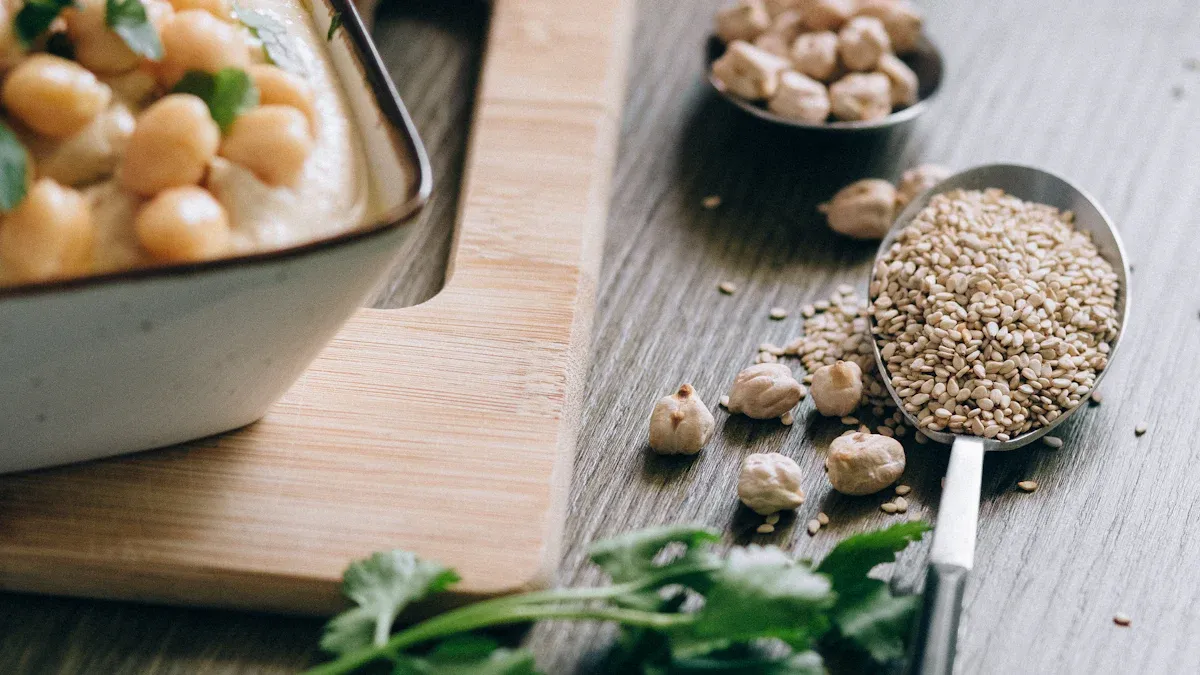
Hummus offers a powerful blend of nutrients. Understanding its components helps explain its health benefits. This section details the specific nutritional makeup of hummus.
Key Macronutrients: Protein, Fiber, and Healthy Fats
Hummus is a nutritional powerhouse, largely due to its main ingredients. Chickpeas provide significant protein, dietary fiber, and resistant starch. Tahini, made from sesame seeds, contributes healthy fats and some protein. Olive oil adds more healthy fats. These ingredients work together to create a balanced food.
A typical serving of hummus, about four tablespoons (around 100 kcal), contributes about 2 cups of legumes per week. It also provides roughly 25 grams of dietary fiber. Many diets often lack this amount of fiber. Hummus also offers polyunsaturated fatty acids, various vitamins, and minerals.
Here is a breakdown of key macronutrients in 100g of hummus:
Nutrient | Per 100g (Hummus) |
|---|---|
Protein | 8.86 g |
Fat | 9.60 g |
Fiber | 6.0 g |
Monounsaturated Fat | 4.039 g |
Polyunsaturated Fat | 3.613 g |
The caloric distribution in hummus shows approximately 59% from fat, 29% from carbohydrates, and 12% from protein. This balance makes hummus a satisfying and energy-sustaining food.
Essential Micronutrients: Vitamins and Minerals
Beyond macronutrients, hummus also delivers a wide array of essential vitamins and minerals. These micronutrients play crucial roles in many bodily functions. Hummus contains important elements like manganese, copper, folate, iron, and B vitamins. These contribute significantly to overall nutrition.
Here is the percentage of the Recommended Daily Intake (RDI) for various nutrients in a 100g serving of hummus:
Nutrient | % RDI per 100g serving |
|---|---|
Manganese | 39% |
Copper | 26% |
Folate | 21% |
Magnesium | 18% |
Phosphorus | 18% |
Iron | 14% |
Zinc | 12% |
Vitamin B1 | 12% |
Vitamin B6 | 10% |
Potassium | 7% |
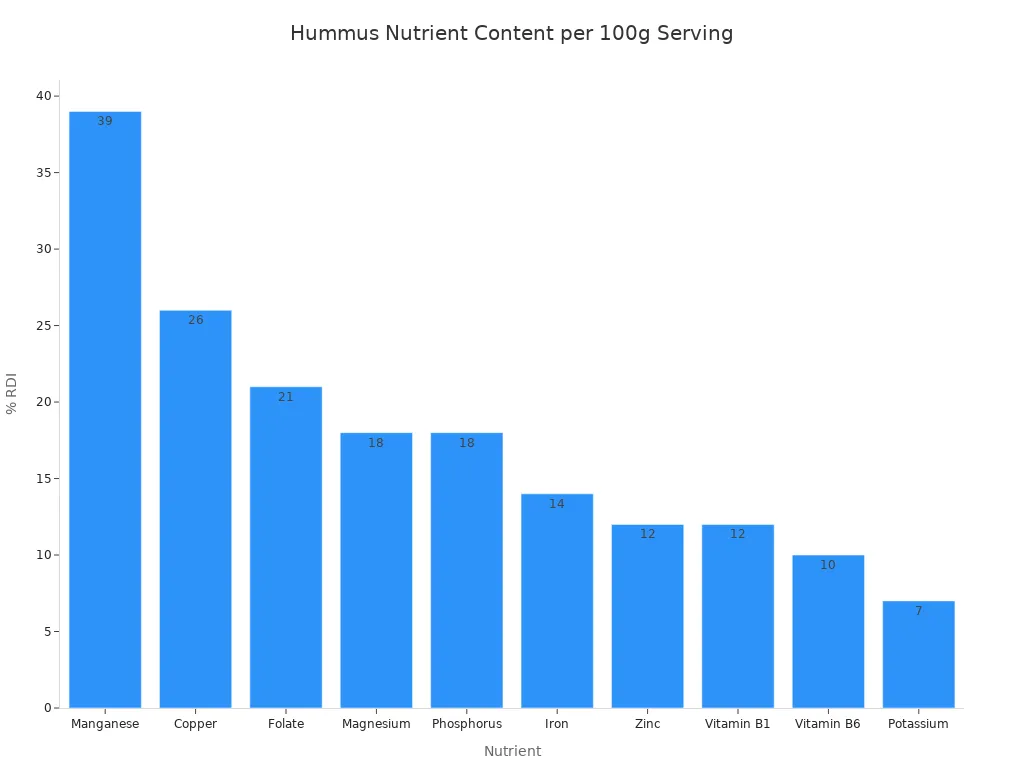
This rich micronutrient profile highlights the significant nutritional impact of hummus. It helps meet daily requirements for many vital substances.
Calorie Content and Serving Size
Understanding the calorie content of hummus helps with portion control. A typical 1/4 cup serving of hummus contains about 88 calories and 4 grams of fat. A smaller portion, like 1 tablespoon, has approximately 39 calories and 2.7 grams of fat. These figures show hummus can fit well into a balanced diet. The carbohydrates in hummus come mainly from the chickpeas. This provides sustained energy. The overall hummus nutrition facts make it a smart choice for many meals.
Hummus vs. Other Dips: Nutritional Edge
Hummus stands out when compared to many other common dips and spreads. Its nutritional profile offers clear advantages. Traditional hummus forms have low sugar content, high protein, and moderate calories. This makes it a superior choice for health-conscious individuals.
Let us compare hummus to some other popular options:
Dip/Spread | Calories (kcal/100g) | Protein (g/100g) | Sugars (g/100g) |
|---|---|---|---|
Hummus | 166 | 7.9 | 0.3 |
Peanut Butter | 588 | 25 | 20 |
Greek Yogurt (Plain) | 59 | 10 | 3.6 |
Baba Ganoush | 90 | 2 | N/A |
Refried Beans | 91 | 5.5 | N/A |
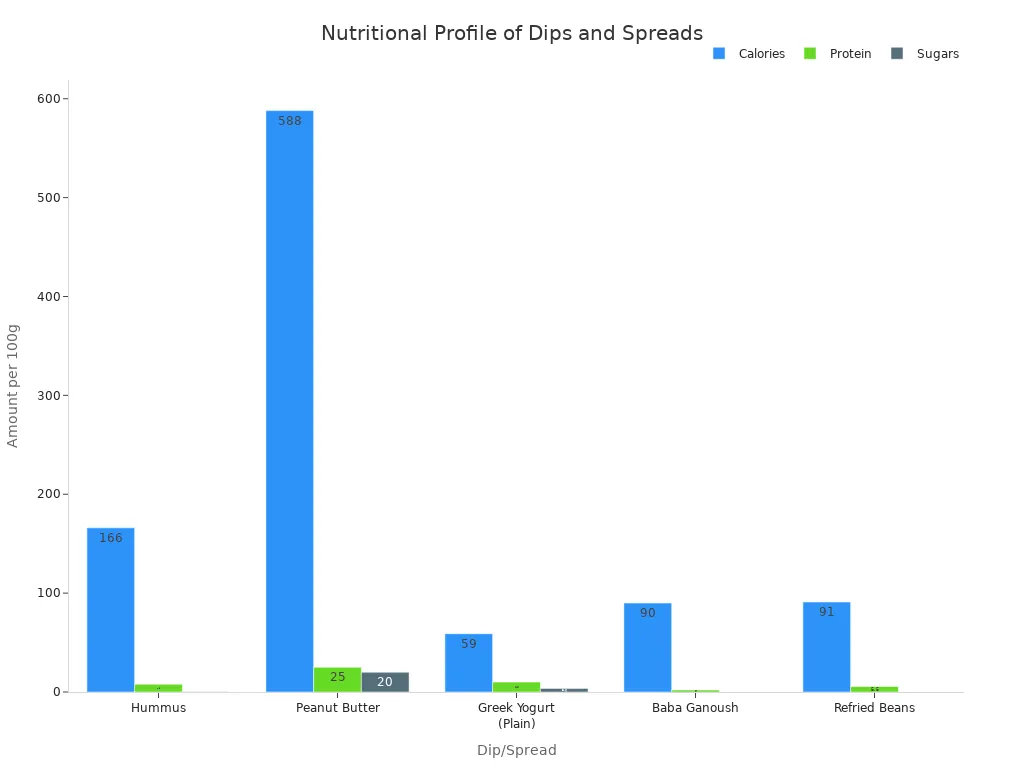
This comparison clearly shows the nutritional impact of hummus. It has fewer calories than peanut butter and significantly less sugar. While Greek yogurt has fewer calories, hummus offers a more diverse range of macronutrients and micronutrients from its chickpeas and tahini. This makes hummus a versatile and healthy option. Its excellent hummus nutrition facts solidify its place as a beneficial food.
The Powerful Health Benefits of Hummus
Hummus offers many powerful health benefits. Its rich nutritional profile translates into significant advantages for the body. This section explores how the components of hummus contribute to overall well-being.
Digestive Health: High Fiber Content
Hummus is excellent for digestive health. It contains a high amount of dietary fiber, mainly from chickpeas and tahini. This fiber aids digestion and helps maintain regularity. Studies show that moderate consumption of hummus helps keep the gastrointestinal system healthy. It slows carbohydrate absorption and delays gastric emptying.
This process supports a healthy gut. A 3.5-ounce serving of hummus provides nearly 6 grams of fiber. This contributes significantly to daily fiber recommendations. The National Library of Medicine states that hummus, rich in fiber, prevents constipation. It can also help with intestinal conditions like diverticulosis. Healthy fats, such as olive oil in hummus, may also increase bacterial diversity in the gut. This diversity marks a healthy microbiome, according to April 2022 research in Nature.
Heart Health: Cholesterol Reduction and Blood Pressure
Hummus can play a role in supporting heart health. Consumers of chickpeas and hummus often show a lower intake of total fat, saturated fatty acids, and cholesterol. They also tend to have better overall nutrient intake and diet quality.
While some studies have linked chickpea and hummus consumption to lower total serum cholesterol, a cross-sectional analysis did not find a direct association with lower LDL cholesterol or blood pressure. However, this study did observe a lower risk for elevated fasting glucose levels. This suggests a positive impact on a key cardiovascular risk factor. Small clinical trials on chickpeas have shown mixed results regarding polyunsaturated fatty acid intake, but one trial did indicate decreased cholesterol consumption.
Blood Sugar Control: Low Glycemic Index
Hummus helps control blood sugar levels. It has a low Glycemic Load (GL) of approximately 6 per 100g. This indicates a minimal impact on blood sugar levels when people consume it in moderation. The dietary fiber from chickpeas helps regulate blood sugar.
It also improves digestive health. The plant-based protein content in hummus contributes to balanced blood sugar levels. It also promotes satiety. Healthy fats from tahini and olive oil support heart health. They also provide a satiating effect, further aiding in blood sugar management. The combination of fiber, protein, and healthy fats slows the digestion of carbohydrates. This stabilizes blood sugar levels effectively.
Weight Management: Satiety and Reduced Intake
Hummus can be a valuable tool for weight management. Its combination of protein, fiber, and healthy fats promotes a feeling of fullness. Research shows that hummus snacks lead to lower hunger and desire to eat.
They also reduce prospective food consumption throughout the afternoon compared to no snack. Hummus snacks tended to elicit lower hunger and desire to eat compared to snack bars. Afternoon snacking, including hummus, delayed subsequent eating initiation by about 80 minutes compared to no snack. It also reduced subsequent (evening) snack intake. Despite these improved appetite and mood effects, the acute consumption of hummus had minimal effects on overall daily energy intake in healthy adults.
Plant-Based Protein Source: Muscle Repair and Energy
Hummus serves as an excellent plant-based protein source. Protein is essential for muscle repair and energy. Combining different plant proteins, such as hummus with whole-wheat pita, helps create a complete amino acid profile. A complete amino acid profile ensures the body receives all essential nutrients. This is crucial for muscle repair and energy production. This approach ensures a balanced amino acid intake, even from plant-based sources. It maximizes the body’s utilization of protein. The protein in hummus supports muscle maintenance and provides sustained energy throughout the day.
Anti-inflammatory Benefits
Hummus also offers anti-inflammatory benefits. Chickpeas, a key ingredient in hummus, contain inflammation-fighting nutrients. They are rich in compounds such as peptides, polyphenols, and saponins. These compounds possess both antioxidant and anti-inflammatory properties. They contribute to the anti-inflammatory effects of hummus. Regular consumption of hummus can help reduce inflammation in the body. This supports overall health and well-being.
Powerful Uses and Versatile Ways to Enjoy Hummus
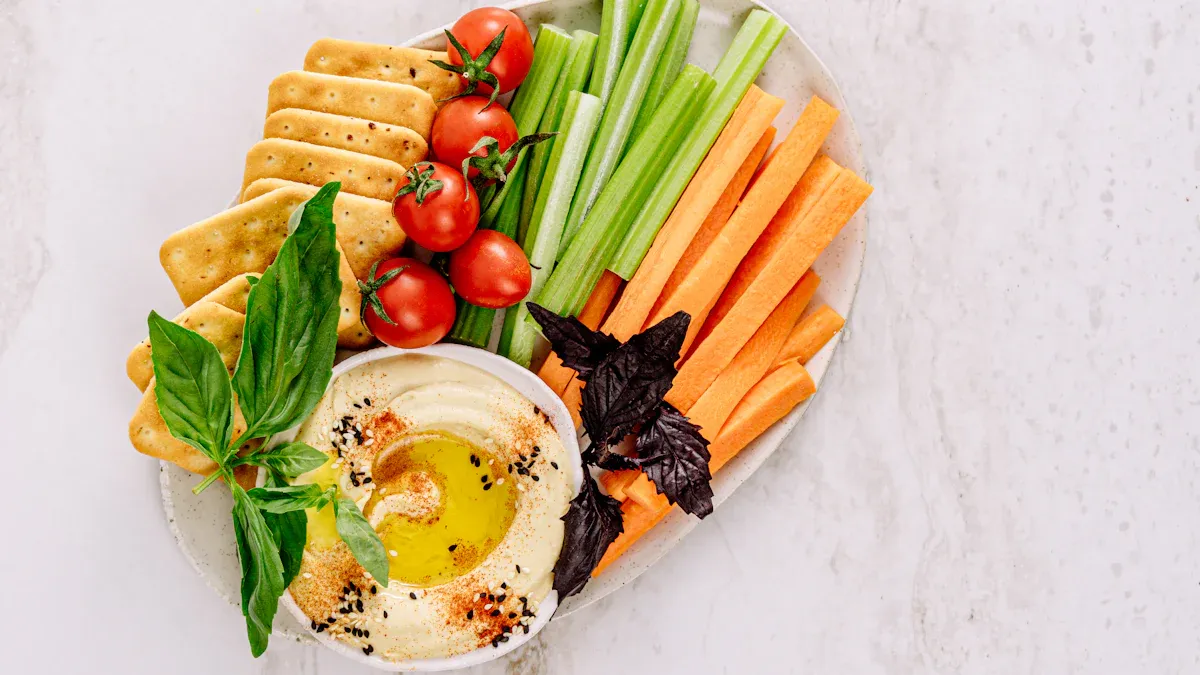
Hummus offers many practical and creative ways to enhance daily meals. Its versatility makes it a staple in healthy kitchens. People enjoy hummus in various dishes, from simple snacks to main courses.
Classic Dip: Vegetables, Pita, and Crackers
Hummus shines as a classic dip. People often pair it with fresh vegetables. These include crisp cucumber slices, carrot sticks, bell pepper strips, celery, and cherry tomatoes. Soft, pillowy pita bread and crispy, oven-baked pita chips also make excellent companions. For a crunchy option, people choose whole wheat, multigrain, or sesame crackers. Herb-infused crackers, like rosemary or garlic, also complement hummus well.
Sandwich and Wrap Spread: Healthy Alternative
Hummus serves as a healthy alternative to traditional spreads in sandwiches and wraps. It is rich in fiber and healthy fats. This makes it a nutritious choice. People create easy vegan hummus wraps with shredded beetroot, carrots, lettuce, and tomatoes. They add black beans or chickpeas for extra protein. Falafel and hummus wraps are another popular option. These include shredded iceberg lettuce, cucumber, and a creamy sauce. Turkey hummus pinwheels offer a fun, portable, and nutrient-dense option for lunchboxes. A Mediterranean wrap with hummus and fresh veggies provides a simple, healthy meal.
Salad Dressing Base: Creamy and Flavorful
Hummus forms a creamy and flavorful base for salad dressings. To prepare a simple dressing, combine oil-free hummus with Dijon mustard, lemon juice, and maple syrup. Add onion powder and black pepper for extra flavor. Whisk these ingredients together, gradually adding water to reach the desired consistency. Another recipe uses plain hummus, fresh lemon juice, hot sauce, and agave nectar. These ingredients create a delicious, creamy dressing.
Ingredient in Main Dishes: Bowls, Pasta, Roasted Vegetables
Hummus can transform main dishes. It makes an amazing base for a creamy pasta sauce. A dollop of hummus over cooked noodles, with lemon juice and pasta cooking water, creates a rich, smooth sauce. This method offers a healthy, fiber-rich, and plant-based protein meal. To make pasta with hummus and roasted vegetables, first roast chopped red pepper, sweet onion, and zucchini. Cook your preferred pasta. Then, return the drained pasta to the pot. Add hummus and lemon juice. Gradually add reserved pasta water until the sauce reaches a creamy consistency. Finally, combine the hummus noodles with the roasted vegetables.
Creative Hummus Variations: Red Pepper, Garlic, Edamame
People create many creative hummus variations. Edamame hummus uses shelled edamame, garlic, lemon juice, and tahini. Some recipes add parsley and olive oil.
Another edamame version includes garlic scapes, coriander, and cashew butter. Roasted red pepper hummus features roasted red bell peppers and garlic cloves. This variation often uses canned or home-cooked chickpeas, tahini, and fresh lemon juice.
Homemade Hummus: Tips for Customization
Making homemade hummus allows for customization. For better flavor, use high-quality tahini and fresh lemon juice. Include seasonings like ground cumin and a small garlic clove. Let garlic sit in lemon juice to lessen its harshness. For texture, use a high-powered blender for a silky smooth consistency. If cooking dried chickpeas, use baking soda to soften them. Cook the chickpeas until very soft. Add water gradually to achieve the desired consistency. This is how to prepare hummus with perfect texture and flavor.
Potential Considerations for Hummus Consumption
While hummus offers many health benefits, consumers should consider certain factors. These factors help ensure they make the best choices for their dietary needs.
Sodium Content in Store-Bought Options
Store-bought hummus can sometimes contain higher levels of sodium. A 2-tablespoon serving of a specific hummus brand, for example, contains 110 mg of sodium. Many nutritional guidelines suggest that a healthy dip should have 140 milligrams of sodium or less per serving. This helps align with overall dietary recommendations. For comparison, the maximum recommended daily sodium intake for babies aged 7 to 12 months is 370 mg. People should always check nutrition labels to monitor their sodium intake, especially if they have dietary restrictions.
Additives and Preservatives to Watch For
Commercial hummus products often include additives and preservatives to extend shelf life. These ingredients can sometimes have health implications.
Potassium Sorbate: This food preservative prevents mold or yeast growth. Prolonged use has been linked to skin allergies like eczema.
Sodium Benzoate: Another preservative, when combined with Vitamin C, can produce benzene. Benzene is a substance known to cause leukemia and other cancers. The risk is small, but it remains a potential concern.
Phosphoric Acid: Manufacturers add this to hummus for a tangy taste. It serves as a cheaper alternative to real lemon juice. This inorganic chemical is known to promote osteoporosis by leaching calcium from bones.
High Fructose Corn Syrup: Some major hummus producers use this sweetener.
Soybean Oil or Canola Oil: Pre-packed hummus often uses these oils due to their low cost. They can disrupt the balance of Omega 3 to Omega 6 fatty acids. This imbalance can lead to an Omega 3 deficiency. This deficiency is associated with chronic diseases like cancer, depression, and arthritis.
Pesticides: Soybeans, corn, and canola are often grown with genetically modified seeds and heavily sprayed with pesticides. Pesticides are linked to various health problems, including neurological, reproductive, and endocrine disorders.
Homemade hummus allows control over ingredients, avoiding these additives.
Feature | Homemade Hummus | Store-Bought Hummus |
|---|---|---|
Ingredients | Chickpeas, Tahini, Lemon Juice, Olive Oil, Garlic, Salt | Chickpeas, Tahini, Lemon Juice, Olive Oil, Garlic, Salt, Preservatives, Additives, extra oils |
Health Implications | Lacks preservatives, allows control over sodium and healthy fats, good for artificial additive intake, supports heart health | May include extra oils and preservatives to extend shelf life, which can alter nutritional value and introduce artificial additives |
Allergen Information: Sesame in Tahini
Tahini, a key ingredient in traditional hummus, comes from sesame seeds. Sesame is a common allergen. In the United States, the prevalence of sesame allergy is estimated to be between 0.1% and 0.24% of the population. This makes it the ninth most common food allergen in the U.S. and the most common seed allergy.
Symptoms of a sesame allergy can range from mild to severe:
Mild to Moderate Symptoms: nausea, vomiting, diarrhea, hives, abdominal pain, coughing, hoarse voice, itchiness in the throat or mouth, facial redness, and swelling.
Severe Symptoms (Anaphylaxis): trouble breathing, fainting, wheezing, rapid heartbeat, cardiac arrest, and dizziness. Anaphylaxis is life-threatening and requires immediate medical attention.
Individuals with sesame sensitivity must strictly avoid hummus containing tahini. They should always carry at least two epinephrine products. They must also seek emergency medical assistance immediately after using an epinephrine product. Reading all product labels carefully is crucial. Sesame may be listed as ‘spice’ or ‘spices’ if used as a flavoring agent. Vigilance about cross-contamination from cooking utensils or shared food items, such as at salad bars, is also important.
Hummus is a highly nutritious and versatile food. It offers significant health benefits. This dip provides protein, fiber, and healthy fats. These components support digestion, heart health, and blood sugar control. Hummus offers many benefits for overall nutrition. People should explore the many ways to incorporate hummus into their diet. This will improve health and culinary enjoyment. Make hummus a staple in a balanced lifestyle.
FAQ
Is hummus good for weight loss?
Hummus can aid weight management. Its protein, fiber, and healthy fats promote fullness. This reduces hunger and overall food intake. It helps people feel satisfied longer.
Can people with sesame allergies eat hummus?
Traditional hummus contains tahini, made from sesame seeds. Sesame is a common allergen. Individuals with sesame allergies must avoid hummus with tahini. They should check labels carefully for sesame ingredients.
What are the main benefits of eating hummus?
Hummus offers many benefits. It supports digestive health with high fiber. It helps control blood sugar due to its low glycemic index. Hummus also provides plant-based protein for muscle repair.
Is homemade hummus healthier than store-bought?
Homemade hummus often offers more control over ingredients. People can avoid additives, preservatives, and excessive sodium. This allows for a healthier, customized product. Store-bought options may contain unwanted oils or sweeteners.