

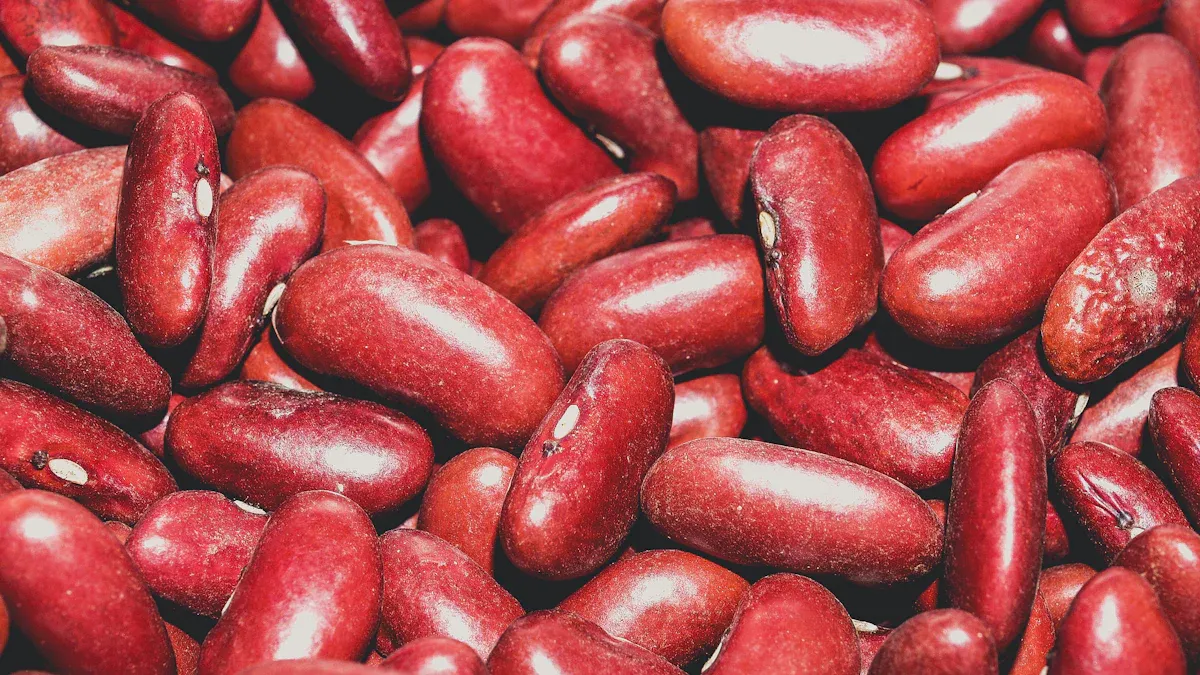
You often see the humble kidney bean in many dishes, yet its incredible Kidney Beans Nutrition is often overlooked. These versatile legumes offer so much more than just a hearty texture. Kidney beans are a nutrient-dense food, packed with essential components for your overall health. You will discover the comprehensive health benefits of kidney beans and learn about their practical culinary uses. Incorporating kidney beans into your diet is easy and important for good health. Explore the amazing Kidney Beans Nutrition and unlock its full potential.
Key Takeaways
Kidney beans are full of protein and fiber. They also have important vitamins and minerals.
Eating kidney beans helps your heart. They can lower bad cholesterol and keep blood pressure healthy.
Kidney beans help control blood sugar. This makes them good for people with diabetes.
Kidney beans are good for your stomach. They help with digestion and keep you regular.
You can use kidney beans in many meals. They are great in stews, salads, and as a meat substitute.
Kidney Beans Nutrition: Key Facts
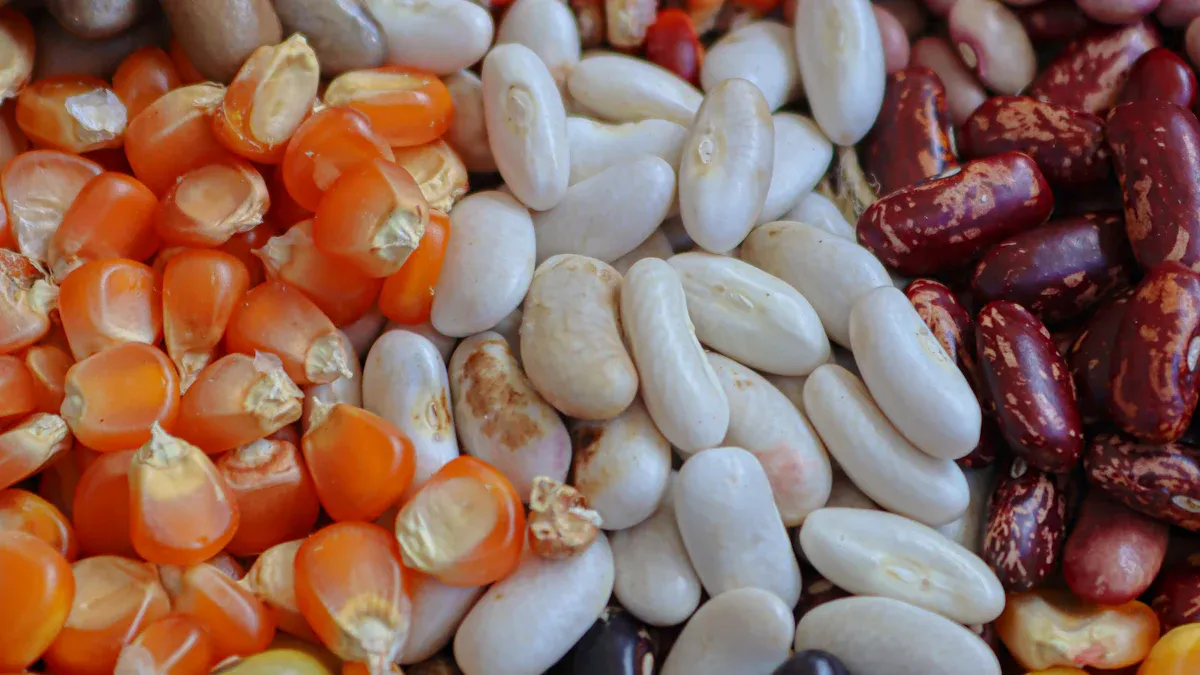
Kidney beans offer impressive nutrition. You find them rich in essential nutrients. They are an excellent plant-based protein source. They also contain various minerals, vitamins, fiber, antioxidants, and unique plant compounds. These kidney beans are a healthy choice. They have low fat and calorie content. In fact, they are among the healthiest beans. They have slightly less fat and saturated fat than other varieties. You gain many nutrition facts from these beans.
Protein Powerhouse
You get a significant amount of protein from kidney beans. They are a major source of protein for plant-based diets. You get substantial plant protein from them.
Fiber-Rich Content
Kidney beans are packed with fiber. This fiber is crucial for your digestive health. A 100-gram serving of cooked kidney beans gives you 6.4 grams of dietary fiber. This contributes significantly to your daily needs.
Essential Vitamins & Minerals
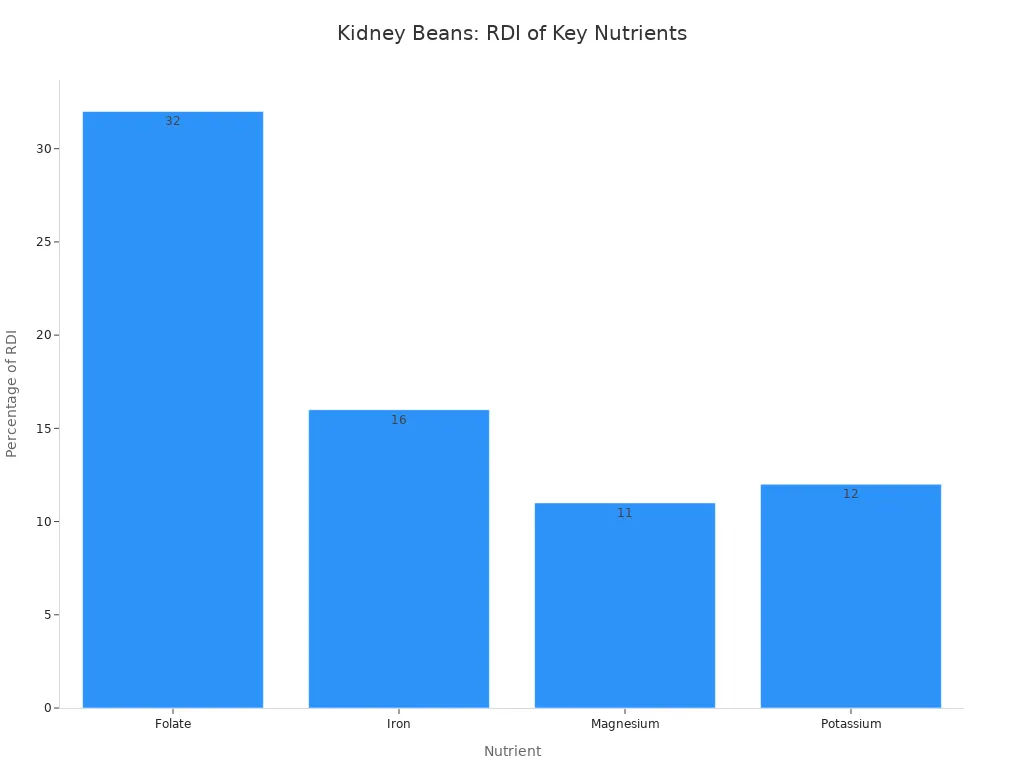
You find many vital vitamins and minerals in kidney beans. They are particularly high in folate, iron, magnesium, and potassium. Folate helps with DNA synthesis. Iron is necessary for red blood cell production. Magnesium supports muscle function. Potassium helps maintain fluid balance.
Nutrient | Amount per 100 grams | Percentage of RDI |
|---|---|---|
Folate | 130 mcg | 32% |
Iron | 2.9 mg | 16% |
Magnesium | 45 mg | 11% |
Potassium | 405 mg | 12% |
Antioxidant Abundance
Kidney beans contain many antioxidants. These compounds protect your body from damage. They contribute to your overall health.
Low Fat & Calorie Profile
Kidney beans are a low-calorie food. They also have very little fat. This makes them an excellent choice for managing your weight. You can see their low fat and calorie content compared to other beans:
Bean Type | Calories (per ½ cup) | Fat (G) (per ½ cup) |
|---|---|---|
Light Red Kidney | 112 | 0.4 |
Dark Red Kidney | 109 | 0.2 |
White Kidney | 124 | 0.3 |
Black | 114 | 0.5 |
Pinto | 122 | 0.6 |
This nutrition facts table shows kidney beans are a smart choice.
Complex Carbohydrates
Kidney beans are a great source of complex carbohydrates. These carbohydrates provide steady energy. They prevent quick energy bursts and crashes. The fiber in beans helps with slow energy release. This is good for prolonged activities. Complex carbohydrates help maintain stable blood sugar levels. This ensures consistent energy and prevents fatigue. This is part of their excellent kidney bean nutrition. You gain many nutrition facts from these beans.
Heart Health Benefits of Kidney Beans
You can significantly improve your heart’s health by including kidney beans in your diet. These legumes offer important health benefits for your cardiovascular system.
Cholesterol Reduction
Your heart benefits from the high fiber content in kidney beans. This fiber helps lower your cholesterol levels. A study looked at how eating dry beans and peas affected cholesterol in adults. These adults had slightly high cholesterol. The study found that eating beans did not change good cholesterol or triglyceride levels. This suggests that beans affect cholesterol in ways beyond just their fiber content. Beans are rich in both dietary fiber and beneficial plant compounds. This research used strong methods. It showed that different types of beans can have varied effects on your health.
Blood Pressure Support
Kidney beans also help regulate your blood pressure. They contain potassium and magnesium. These minerals are vital for good heart health. Potassium helps your blood vessels relax. It also helps your body get rid of excess sodium. This process helps lower blood pressure. Magnesium also plays a role in lowering blood pressure. It acts like a natural calcium blocker. It also helps your blood vessels relax. A half-cup serving of kidney beans gives you 356 mg of potassium. This amount contributes to the many benefits these beans offer for your heart.
Blood Sugar Control & Kidney Beans
You can find great benefits for your blood sugar levels when you eat kidney beans. These legumes help your body manage glucose effectively.
Stable Glucose Levels
Kidney beans are a fantastic source of complex carbohydrates and fiber. These components work together to moderate your blood sugar levels. They prevent sudden spikes after you eat. The glycemic index (GI) of kidney beans is low. It ranges from about 32 to 53. This makes them a low GI food. This is much lower than white bread, a common food. Their low GI comes from their high resistant starch content.
This resistant starch makes up a large part of their total starch. They also contain α-amylase inhibitors. These factors help slow down sugar absorption. Studies show that white kidney bean extract can reduce high blood glucose levels after meals. Dietary fibers, like resistant starches, are known to lower glucose responses after eating. They also make your body more sensitive to insulin. This means your body uses sugar better. Eating bean products can lead to lower blood glucose levels 30 and 60 minutes after a meal. This shows how kidney beans help stabilize your blood sugar.
Diabetes Management Aid
Because kidney beans help stabilize glucose, they are an excellent choice for managing diabetes. They offer a healthy option for individuals with diabetes. Their ability to provide steady energy and prevent sugar crashes makes them valuable. Including them in your diet regularly improves blood sugar control. You can enjoy them as part of a balanced meal plan.
Digestive Wellness & Kidney Beans
You can greatly improve your digestive system with kidney beans. These legumes offer important benefits for your gut health.
Gut Health Promotion
Dietary fiber in kidney beans helps your digestion. It also promotes good bacteria in your gut. These beneficial bacteria are important for your overall health. When you eat kidney beans, their fiber acts as food for these tiny helpers. For example, cooked navy beans and black beans promote specific types of bacteria. These include Prevotella and other groups like Clostridiales and Coriobacteriaceae. Cranberry beans also encourage Prevotellaceae and the genus S24-7. These bacteria help keep your gut balanced. A healthy gut supports your immune system and nutrient absorption.
Regularity Support
Kidney beans play a big role in preventing constipation. Their high fiber content adds bulk to your stool. This makes it easier for waste to move through your digestive system. Regular bowel movements are key for colon health. Adults should eat between 25 and 38 grams of dietary fiber each day. This amount can also be 14 grams per 1,000 calories you consume. A 100-gram serving of kidney beans gives you 6.4 grams of fiber. This makes kidney beans an excellent way to reach your daily fiber goals. You support your digestive health and keep things moving smoothly.
Weight Management with Kidney Beans
You can manage your weight effectively with kidney beans. These legumes are a powerful tool for achieving your weight goals. Their high fiber and protein content contribute to feelings of fullness. You will feel satisfied after eating them.
Satiety & Fullness
Kidney beans are rich in dietary fiber. This fiber promotes a feeling of fullness. Both soluble and insoluble fiber in kidney beans aid in weight management by promoting satiety. Kidney beans are also high in protein. This enhances your protein intake and improves overall nutritional value. This can impact satiety. Studies show that pulses, including dry beans, have nutritional attributes beneficial for weight control. These include slowly digestible carbohydrates, high fiber, and protein. You will find that eating kidney beans helps you feel full for longer.
Calorie Control
This feeling of fullness helps you eat fewer calories overall. Observational studies consistently show an inverse relationship between pulse consumption and BMI. Short-term experimental studies indicate that pulse consumption increases satiety over 2–4 hours. A pilot study on a bean-based high-fiber weight loss diet found participants experienced a significant increase in fullness and a reduction in hunger.
This happened even though they consumed approximately 250–350 fewer calories per day. This suggests that increasing fiber intake, including from dry beans, plays an important role in enhancing satiety. It also helps you stick to a lower-calorie diet. Research indicates that legumes, such as beans, increase satiety more effectively than animal-based protein sources. You will feel more satisfied and consume fewer calories with a plant-based, high-protein meal. The high fiber content in kidney beans is likely the reason for this increased satiety.
Boosting Immunity & Metabolism
You can give your body a powerful boost with kidney beans. These legumes offer important support for both your immune system and your metabolism.
Immune System Support
You can strengthen your immune system with kidney beans. They contain many vitamins, minerals, and antioxidants. These nutrients work together. They help your body fight off illness. Antioxidants protect your cells from damage. Vitamins and minerals are essential for immune cell function. Eating kidney beans regularly helps keep your defenses strong.
Metabolic Enhancement
Kidney beans help your metabolism. They have complex carbohydrates and protein. These give you steady energy. Kidney beans contain phaseolamin. This helps slow down how your body digests starch. It reduces how many calories you absorb.
This also lowers the glycemic index of your meals. It helps control your blood sugar. The high protein and fiber in kidney beans make you feel full. This helps you eat less. Kidney beans also improve your gut health. They help your body use fats better. They can reduce fat buildup and high blood sugar. Their low glycemic index, around 24, prevents blood sugar spikes. The high protein content in kidney beans also meets your energy needs. It helps you feel satisfied. This can lead to eating less food. It helps with weight management.
Kidney Beans for Kidney Health
You can give your kidneys excellent support by including kidney beans in your diet. These legumes offer many benefits for your kidney health. They provide essential nutrients without adding unnecessary burdens.
Nutrient-Rich Support
You will find kidney beans packed with beneficial components. They are low in fat. They also contain high amounts of fiber and protein. These nutrients are vital for overall well-being. Kidney beans also provide important minerals like iron, potassium, and magnesium.
Iron helps carry oxygen in your blood. Potassium helps balance fluids. Magnesium supports muscle and nerve function. All these elements contribute to your body’s proper function. They help maintain good kidney health. You give your kidneys the building blocks they need to work well.
Low Fat Contribution
You benefit from the low fat content of kidney beans. Foods high in fat can sometimes put extra strain on your kidneys. By choosing low-fat options like kidney beans, you help reduce this burden. This makes them a smart choice for a kidney-friendly diet. Their low fat profile means your body processes them easily. You get all the good nutrients without the extra fat. This helps your kidneys stay healthy and function efficiently. You make a positive choice for your long-term well-being.
Essential Uses: Versatile Kidney Beans

Savory Dishes & Stews
You can use kidney beans in many hearty meals. They are a staple in traditional savory dishes and stews. You find them in Stewed Kidney Beans and Slow-Simmered Kidney Beans. People also make Kidney Bean Casserole and Kidney Bean Vegetable Soup. You can enjoy Kidney Beans and Rice. These dishes show the versatility of cooked kidney beans. They absorb flavors well, making them perfect for rich, slow-cooked meals.
Salads & Bowls
Kidney beans add great flavor and texture to salads and grain bowls. Cooked kidney beans hold their shape well. This gives a satisfying bite. Their deep red color also makes salads and bowls look more appealing. You can add cooked kidney beans to a Kidney Bean Tuna Salad or a simple green salad. They provide a robust element to any fresh dish.
Plant-Based Alternatives
Kidney beans are excellent meat alternatives. You can use them in chili and soup instead of meat. You can also make burger patties from cooked kidney beans. Shape these into steaks or cutlets. You can even roast kidney beans to create crunchy, bacon-like bits. Kidney beans are a hearty and filling option. They are especially good in Mexican dishes. Remember, you must know how to prepare kidney beans properly. Raw kidney beans contain toxins called phytohaemagglutinin.
Creative Culinary Applications
You can get creative with kidney beans in countless ways. Try them in a Kidney Bean Taco Bake or Sweet-Sour Kidney Beans. You can also make a simple Kidney Bean Salad. Kielbasa and Kidney Beans is another tasty option. Always ensure you cook raw kidney beans thoroughly. This makes them safe to eat. Knowing how to prepare kidney beans correctly unlocks their full potential. Cooked kidney beans are safe and delicious additions to almost any meal.
You now understand the impressive kidney beans nutrition. These legumes offer many health benefits. They provide excellent nutrition for your overall health. You gain many benefits from their rich profile. You can easily add kidney beans to many meals. They fit well in traditional dishes. You also use them in modern plant-based creations. Make kidney beans a regular part of your diet. You will enjoy improved health and well-being. Embrace the simple power of kidney beans. This superfood offers profound benefits. It boosts your kidney bean nutrition. You will find great kidney beans nutrition in every serving.