

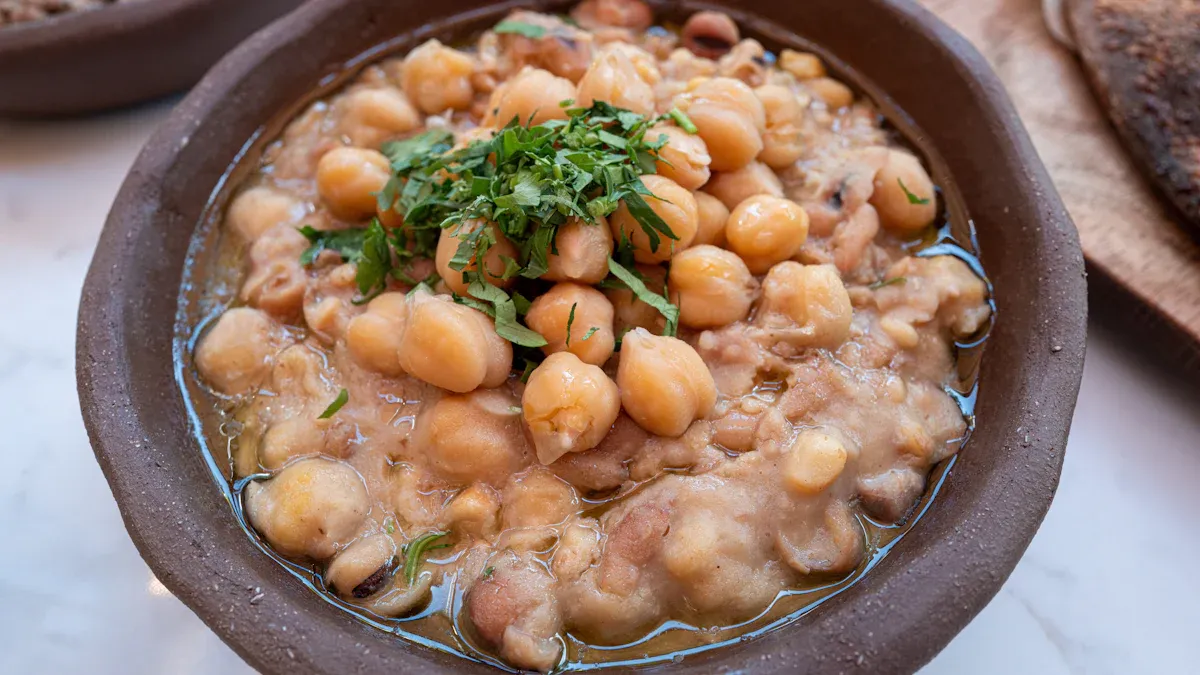
Pinto beans, a humble legume, hold a powerful place in many global cuisines. These versatile beans are more than just a pantry staple; they are a true nutritional powerhouse. This article explores pinto beans nutrition, their significant health benefits, and practical uses. Understanding these benefits helps individuals make informed choices for better health and overall well-being. Their impressive nutrition profile offers many advantages.
Key Takeaways
Pinto beans are very good for you. They have protein, fiber, and important vitamins and minerals.
Eating pinto beans helps your heart stay healthy and keeps your blood sugar steady. They also help your stomach work well.
Pinto beans can help you manage your weight. They make you feel full because they have a lot of protein and fiber.
Pinto beans have special things called antioxidants. These can help protect your body from cancer.
You can use pinto beans in many dishes. Soaking them before cooking makes them easier to digest and cook faster.
Pinto Beans Nutrition: Key Components
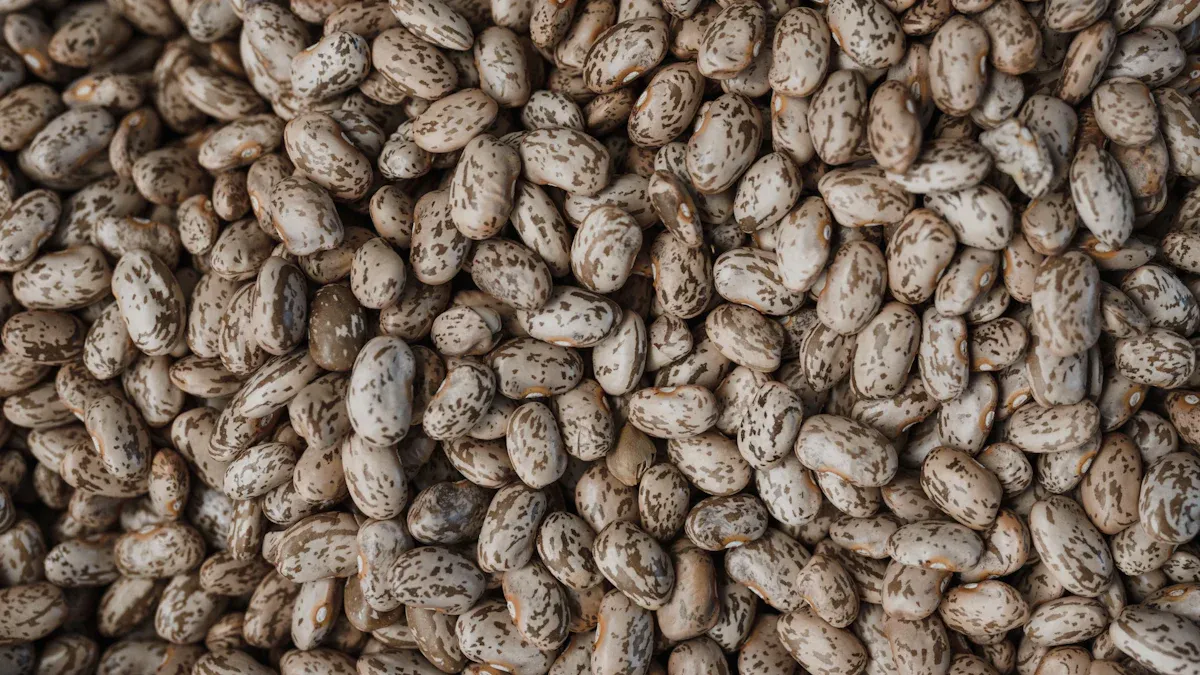
Rich in Protein & Fiber
Pinto beans offer impressive pinto beans nutrition. They are an excellent source of protein and fiber. A 1-cup serving of cooked pinto beans contains 15.4g of protein. This makes them a valuable component for muscle repair and growth. Pinto beans also provide various protein types.
Protein Type | Molecular Weight (kDa) |
|---|---|
Vicilin | 41 |
Phytohemagglutinins | 30, 29, 27, 26, 23, 16 |
11S Legumin Subunits | 195, 9 |
Other bands | 55, 76, 98 |
These diverse proteins contribute to the overall nutritional value.
Pinto beans are also an excellent source of fiber. One cup (171 grams) of boiled pinto beans contributes 40–60% of the daily value for fiber for women and men, respectively. This significant amount of dietary fiber helps maintain digestive health. For adults, a daily fiber intake of 25-30 grams or more is widely recommended. Some analyses suggest that 25-29 grams is adequate.
Over 30 grams is even more beneficial. Achieving 30 grams or more often requires consuming a variety of whole grains, legumes, nuts, seeds, fruits, and vegetables throughout the day. Daily fiber intake recommendations can vary by sex. General estimates suggest women should aim for 25 grams of fiber per day. Men should target 38 grams daily. The high fiber content in pinto beans supports these recommendations.
Essential Vitamins & Minerals
Understanding the pinto beans nutrition is key to appreciating their health benefits. Beyond protein and fiber, pinto beans nutrition facts reveal a rich profile of essential vitamins and minerals. They supply crucial micronutrients for various bodily functions. These pinto beans nutrition facts highlight their importance.
Pinto beans are a good source of B vitamins. These vitamins play vital roles in energy metabolism and nerve function.
B Vitamin | Daily Value (%) |
|---|---|
B9 (Folate) | 51% |
B1 (Thiamin) | 23% |
B6 (Pyridoxine) | 10-20% |
They also provide important minerals.
Iron: 20% of the Daily Value (DV)
Magnesium: 21% of the Daily Value (DV)
Potassium: 21% of the Daily Value (DV)
These minerals are essential for blood health, muscle function, and maintaining fluid balance.
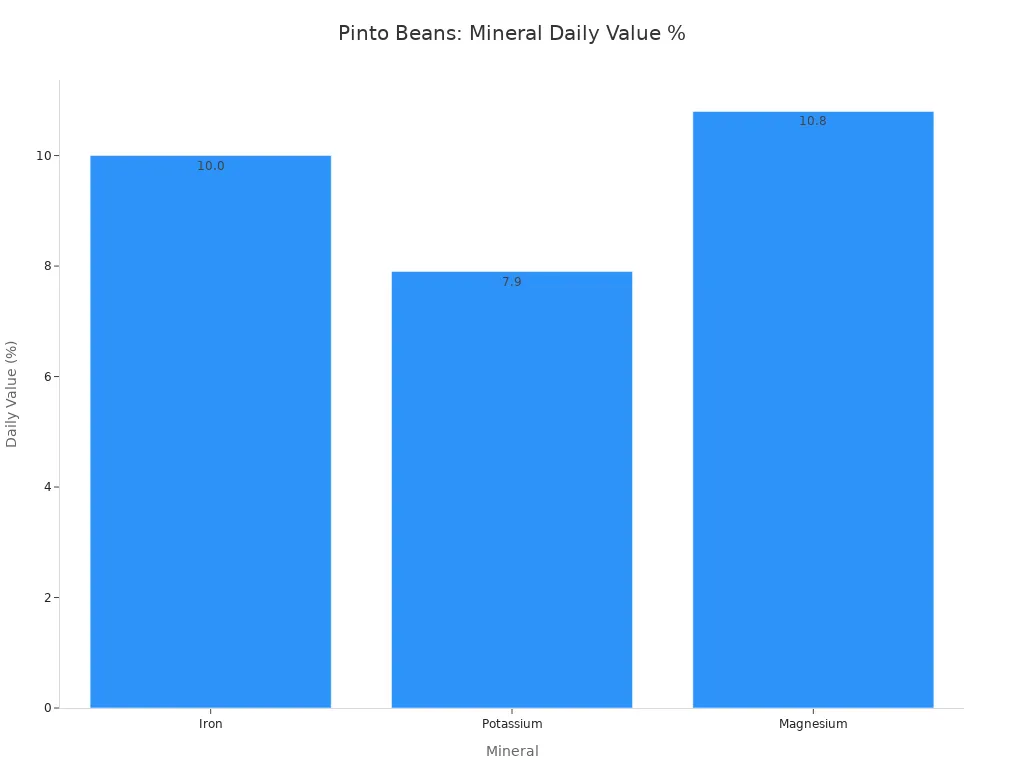
This chart illustrates the significant contribution of pinto beans to daily mineral needs. This comprehensive nutrition profile makes pinto beans a valuable addition to any diet.
Complex Carbohydrates
Pinto beans are also an excellent source of complex carbohydrates. These carbohydrates provide sustained energy release. Unlike simple sugars, complex carbohydrates digest slowly. This helps maintain stable blood sugar levels. They fuel the body for longer periods. This aspect of pinto beans nutrition contributes to overall energy and well-being. The combination of complex carbohydrates, protein, and fiber makes pinto beans a truly satisfying and nutritious food. The overall pinto beans nutrition makes them a valuable addition to any diet.
Pinto Beans: Powerful Health Benefits
Pinto beans offer many health benefits. They significantly support various bodily functions and protect against chronic diseases. These benefits stem from their rich nutritional profile.
Heart Health & Blood Sugar Control
Pinto beans significantly support heart health and blood sugar control. Their rich fiber content makes them a powerful cholesterol-lowering food. A human study showed that eating a half-cup of pinto beans daily reduced total and LDL cholesterol by over 8%. This effect was more significant than oatmeal, which typically reduces cholesterol by 2% to 3%. Another trial found that daily consumption of 1 cup of canned beans, including pinto beans, decreased total cholesterol by 5.46% and LDL cholesterol by 8.08%. Studies on hamsters also indicate pinto beans lower cholesterol. They reduce its synthesis in the liver and absorption in the small intestine. Pinto beans influence cholesterol excretion through feces. This helps reduce heart disease risks and protects the heart. A healthy heart is vital.
Pinto beans also play a crucial role in blood sugar control. They have a low glycemic index (GI) of 39. Foods with a GI less than 55 raise blood sugar levels slowly. Pinto beans cause a slower increase in blood sugar. This makes them an excellent choice for managing diabetes. They fit well into a diabetic diet plan. Their ability to fight diabetes is a key benefit for those managing this condition. These benefits make pinto beans a valuable food for heart health and managing blood sugar. They contribute to overall heart health and help prevent diabetes complications.
Gut Health & Regularity
Pinto beans offer significant benefits for gut health and regularity. They are an excellent source of fiber. This fiber helps prevent constipation. Derocha, a registered dietitian nutritionist, explains that soluble fiber in legumes, including pinto beans, absorbs water in the intestine.
This action makes food pass more easily through the digestive system. Legumes also act as prebiotics. They nourish beneficial gut bacteria. This enhances overall gut health and digestion. Pinto beans contain both insoluble and soluble fiber. This combination adds bulk and weight to stools. It also softens them. This facilitates easier passage and promotes regular bowel movements. These benefits are crucial for a healthy digestive system.
Weight Management & Satiety
Pinto beans provide excellent benefits for weight management and satiety. They help individuals feel full for longer periods. This can promote weight loss. Pinto beans are rich in both protein and fiber. These two nutrients are key for appetite control.
Protein triggers the release of satiety hormones like CCK, PYY, and GLP-1. These hormones signal fullness to the brain. Fiber slows digestion. It keeps food in the stomach longer. Fiber also feeds beneficial gut bacteria. Together, protein and fiber create lasting fullness. This prevents the feeling of hunger soon after eating.
Studies show that beans, including pinto beans, improve satiety. Their effect is not significantly different from beef. This suggests beans are strong for promoting fullness. A meta-analysis of 9 trials found that bean consumption increased acute satiety by 31% compared to control foods. Individuals felt significantly more satisfied after eating beans. Incorporating pinto beans into a high-fiber diet can effectively support weight management goals.
Antioxidant & Cancer-Fighting Properties
Pinto beans possess powerful antioxidant and cancer-fighting properties. They are rich in antioxidants. These compounds help protect the body from damage. Pinto beans contain various antioxidant compounds.
Phenolic acids
Flavonols
Polyphenols
Flavonoids
Kaempferol
These compounds contribute to the beans’ health benefits. Scientists attribute the anti-cancer effects of beans, including pinto beans, to their high concentrations of folate and fiber. Their low glycemic index also plays a role. Pinto beans have the highest total content of phenolic compounds among tested beans. These phenolic compounds have antioxidant and anti-inflammatory properties. They help decrease the risk of chronic health issues like cancer. Researchers suggest these compounds control oxidation and inflammation. This contributes to their potential anti-cancer effects.
A study demonstrated that dry beans inhibit colon carcinogenesis in rats. Rats fed a bean diet had significantly fewer colon adenocarcinomas. They also had a lower incidence of colonic tumors. The bean-fed group had 5 tumors versus 22 in the control group. Only 24% of bean-fed rats had tumors compared to 50% of control rats. Tumor multiplicity was also much lower in the bean-fed rats. This indicates dry beans contain anticarcinogenic compounds. These compounds can inhibit colon cancer. Pinto beans are truly cancer-fighting foods. They offer significant benefits in the fight against cancer. Their role in preventing cancer is a major health advantage. These benefits extend to overall health.
Key Uses & Preparation
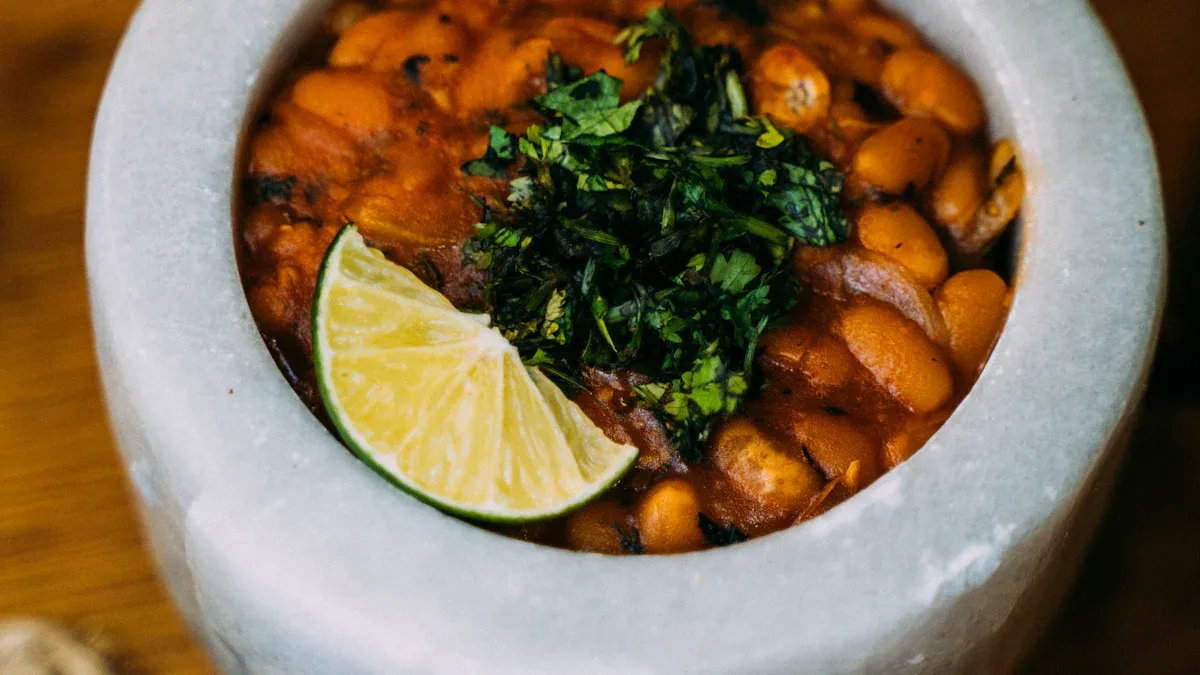
Culinary Versatility
Pinto beans are incredibly versatile in the kitchen. They are a staple in many global cuisines. In South Texas and northeastern Mexico, pinto beans are essential in Mexican-American households. They give flavor to dishes like enchiladas de queso and asado de puerco. Pinto beans are also a fundamental ingredient in Mexican cooking, with a history of cultivation for at least 5,000 years. They are important in Southwestern cooking, especially in New Mexico, where they are the state vegetable. In the eastern United States, people enjoy pinto beans as ‘soup beans’ with cornbread.
Pinto beans fit into many dishes. They appear in appetizers, soups, salads, and main dishes. People even use them in desserts like cakes and pies. Specific uses include classic refried beans, chili, and burrito bowls. They also top nachos or serve as a base for huevos rancheros. One can even make pinto bean hummus. They can replace other beans in various recipes. People often serve pinto beans with cilantro and lime in Tex-Mex dishes. Appalachian traditions pair them with chopped raw onion or chow chow.
Soaking & Cooking Methods
Soaking dried pinto beans is a good practice. It helps reduce cooking time. Soaking also improves digestibility. It minimizes gas-producing side effects. A regular soak of at least 6 hours, or overnight, is best. Soaking also leads to a better texture with less splitting. A study on black beans showed soaking reduced gas-producing carbohydrates by 28%.
Legume | No Soak (Dry) Cook Time (minutes) | Soaked Cook Time (minutes) |
|---|---|---|
Pinto Beans | 25 | 10 |
Cooking times vary by method. Soaked beans cook faster.
Cooking Method | Soaked Beans | Unsoaked Beans |
|---|---|---|
Stovetop | 1-2 hours | 2-3 hours |
Instant Pot/Pressure Cooker | 25-35 minutes | 35-45 minutes |
Slow Cooker | 6-8 hours | 8-10 hours |
For example, unsoaked beans in an Instant Pot take about 42 minutes for tender results. Soaked beans in a pressure cooker need only 6-9 minutes.
Simple Recipe Ideas
Pinto beans are easy to include in many delicious recipes. Here are some simple recipe ideas.
Big Pot of Pinto Beans: Rinse and soak dry pinto beans. Simmer them with salt, minced garlic, diced onion, salt pork, and jalapeño pickle juice until tender.
Frijoles a la Charra: This recipe builds on the “Big Pot of Pinto Beans.” Add cooked bacon, canned diced tomatoes, jalapeños, chipotles in adobo, and cilantro. Blend these ingredients and stir them into the cooked beans. Simmer the mixture.
Borracho Beans: This version adds 12 ounces of dark beer, like Modelo Negro, to the Frijoles a la Charra recipe. Simmer for an extra 10 minutes. These recipes show the versatility of pinto beans.
Considerations for Enjoying Pinto Beans
Pinto beans offer many benefits, but some people experience digestive discomfort. Proper preparation can help manage these issues and improve nutrient absorption.
Managing Digestive Comfort
Some people worry about gas and bloating when eating beans. Several cooking techniques can reduce these effects. Adding a teaspoon of baking soda to four quarts of water with dried beans helps break down gas-making sugars. Bring the mixture to a boil, then soak the beans for at least four hours. This method is effective and does not change the flavor.
Pressure cooking also breaks down sugars quickly. After soaking beans for 4-8 hours, place them in a pressure cooker with water. Cook them on high pressure for 10-12 minutes. Allow for natural pressure release. Soaking dried beans for 8-12 hours, with frequent draining and rinsing, removes excess sugar starch.
This starch is a main cause of gas. Incorporating herbs like ajwain or epazote into bean dishes can also help reduce gas. Ajwain is an Indian spice used for stomach upset. Epazote is a traditional herb in South American and Mexican cuisine known for its gas-reducing properties. These methods make pinto beans a more comfortable addition to a healthy diet.
Nutrient Absorption Tips
Pinto beans are rich in minerals like iron, but compounds called phytates can hinder absorption. Several methods can improve mineral bioavailability. Soaking and cooking beans reduce phytic acid. This helps the body absorb more iron.
Food processing technologies like sprouting, fermentation, and phytase enzymatic treatment also effectively reduce phytate concentrations. Fermentation, for example, improves mineral bioavailability by breaking down phytic acid. Germination also significantly boosts phytate-degrading activity. Consuming beans with dietary enhancers can further boost iron absorption. These enhancers include mineral chelating peptides, vitamins A and C, and saccharides. Pairing pinto beans with vitamin C-rich foods, like tomatoes or bell peppers, helps the body absorb more iron. These simple steps ensure you get the most nutritional value from your pinto beans for overall health.
Pinto beans offer remarkable pinto beans nutrition. They provide protein, fiber, and essential vitamins and minerals. These components deliver significant health benefits, including improved heart health and better digestion. Their culinary versatility allows easy integration into many diets. Embrace pinto beans as a cost-effective and powerful source of nutrition. Making informed dietary choices supports overall well-being and maximizes these benefits.
FAQ
Are pinto beans good for you?
Yes, pinto beans are very good for you. They offer protein, fiber, and essential vitamins. They support heart health and help manage blood sugar. They also have properties that fight cancer.
Do pinto beans cause gas?
Some people experience gas from pinto beans. Soaking and proper cooking methods reduce gas-causing sugars. This makes them easier to digest. Adding herbs like epazote also helps.
Can pinto beans help with weight loss?
Yes, pinto beans can help with weight loss. They contain protein and fiber. These nutrients make you feel full longer. This reduces overall food intake. They are a great addition to a healthy diet.
How do pinto beans help prevent cancer?
Pinto beans contain antioxidants and fiber. These compounds protect cells from damage. Studies show they can inhibit colon cancer. Their low glycemic index also contributes to fighting cancer. They are a powerful food against cancer.
What is the best way to cook pinto beans?
Soaking pinto beans before cooking is best. This reduces cooking time and improves digestion. You can cook them on the stovetop, in a slow cooker, or a pressure cooker. Pressure cooking is the fastest method.