

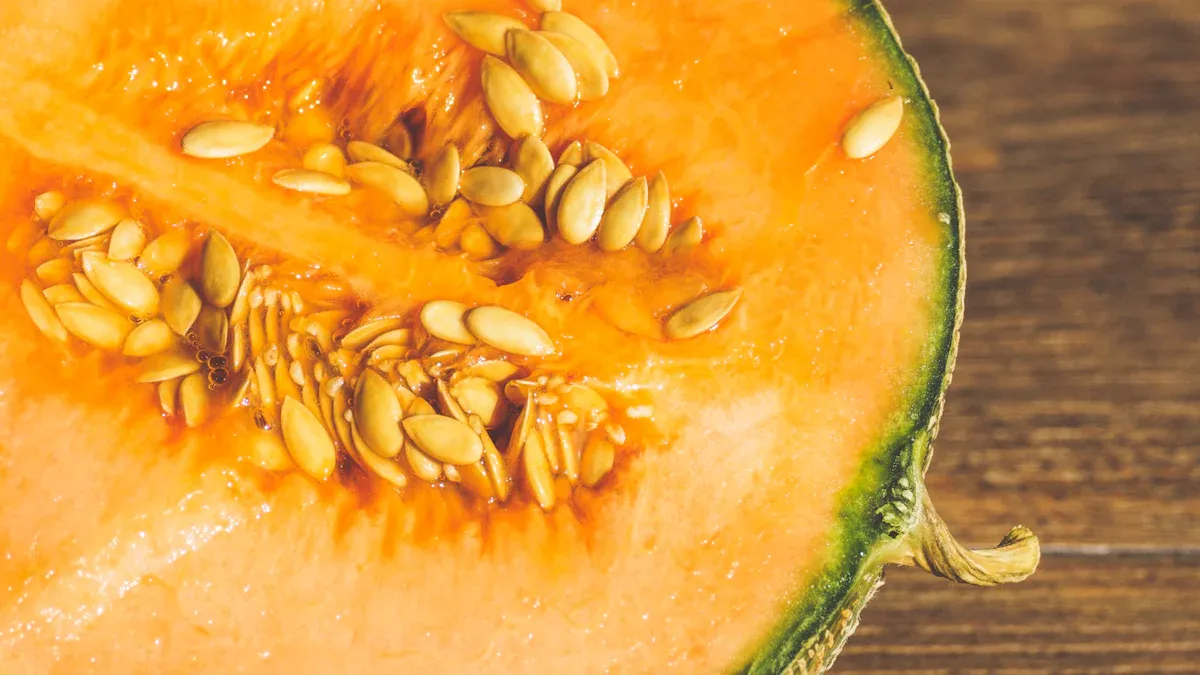
Are you searching for a healthy, versatile, and low-carb alternative? Spaghetti squash offers a unique noodle-like texture. This makes it a popular choice for many kitchens. This post dives into spaghetti squash nutrition and its diverse culinary applications. You will discover how this amazing healthy vegetable can boost your health. It can also transform your everyday meals. Spaghetti squash is a truly healthy option.
Key Takeaways
Spaghetti squash is a healthy vegetable. It has few calories and carbohydrates. It is a good choice for your diet.
This squash has many vitamins and minerals. It helps your digestion. It also helps you manage your weight.
Spaghetti squash is a great substitute for pasta. It has fewer carbs than regular pasta. This helps control blood sugar.
You can cook spaghetti squash in many ways. It works well in many recipes. You can use it in place of noodles or in casseroles.
Always cook spaghetti squash properly. Do not eat it if it tastes bitter. This keeps you safe and healthy.
Understanding Spaghetti Squash

What is Spaghetti Squash?
Spaghetti squash is a unique winter squash. You recognize it by its oblong shape and yellow skin. When you cook it, the flesh separates into delicate, spaghetti-like strands. This gives it its name. People love this natural texture. It makes spaghetti squash a popular choice for many meals. You can easily shred the cooked flesh with a fork. This creates perfect “noodles” for your dishes. It is also naturally gluten-free.
Why Choose This Versatile Vegetable?
You should choose spaghetti squash for many reasons. Its unique texture makes it an excellent substitute for traditional pasta. This is especially true if you are looking for a low carb option. Many people enjoy its mild flavor. This allows it to pair well with various sauces and seasonings. Its popularity continues to grow as more people discover its benefits. You get a healthy vegetable that adds volume and nutrients to your plate without extra calories. It offers a simple way to make your meals lighter and more nutritious.
Spaghetti Squash Nutrition Facts and Health Benefits
Key Nutritional Components
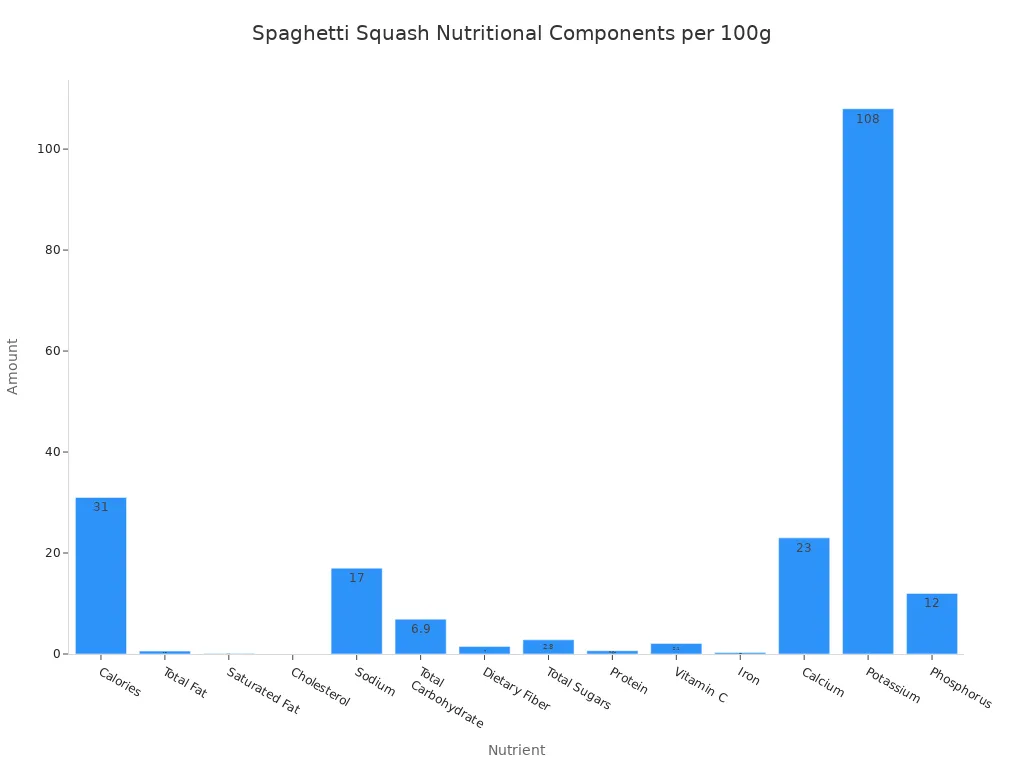
Spaghetti squash offers impressive nutrition facts. You get many essential nutrients from this vegetable. A 1-cup serving (about 155g) of cooked spaghetti squash contains only 42 calories. It provides about 10 grams of carbohydrates and 2.2 grams of fiber. This makes it a great choice for your diet.
Let’s look at a more detailed nutrient profile for spaghetti squash:
Nutrient | Amount (per 101g) |
|---|---|
Calories | 35 |
Total Fat | 1g |
Saturated Fat | 0g |
Cholesterol | 0mg |
Sodium | 17mg |
Total Carbohydrate | 7g |
Dietary Fiber | 2g |
Sugar | 3g |
Protein | 1g |
Vitamin C | 2mg |
Iron | 0.3mg |
Calcium | 23mg |
Potassium | 109mg |
Magnesium | 12mg |
Zinc | 0.2mg |
Phosphorus | 12mg |
Vitamin A | 121IU |
Folate | 12mcg |
Niacin | 1mg |
Thiamin | 0mg |
Manganese | 0.1mg |
Choline | 8mg |
Pantothenic acid | 0.4mg |
You find several important vitamins in spaghetti squash. These include Vitamin C, Vitamin B6, and Vitamin A. It also provides essential minerals. These include folic acid, potassium, and calcium. These components contribute to your overall health.
For a one-cup (155g) serving of spaghetti squash, you get these vitamins and minerals:
Manganese: 0.2mg
Vitamin A: 9.3mcg
Vitamin B6: 0.2mg
Vitamin B5: 0.6mg
Vitamin C: 5.4mg
Folate: 12.4mcg
Spaghetti squash also contains beneficial compounds. Beta-carotene is one such compound. It supports your immune function. It also helps with disease prevention. Lutein is another important compound. It is crucial for your eyesight. This nutrient profile makes spaghetti squash a truly nutrient dense food.
Health Advantages of Spaghetti Squash
The health benefits of spaghetti squash are numerous. You gain many advantages by including it in your diet.
One major benefit is its support for digestive health. Spaghetti squash is a good source of fiber. This fiber helps maintain regular bowel movements. It prevents constipation. A high in fiber diet promotes healthy digestion. This keeps your gut working well.
Spaghetti squash aids weight management. It is a low calorie food. You can enjoy a large portion without consuming many calories, as it is low in calories. This makes it an excellent low-calorie substitute for higher-calorie foods. Its high in fiber content also helps you feel full longer. This reduces overall calorie intake. Many people find it helpful for weight loss goals. It can support your weight loss efforts.
You also benefit from its antioxidant potential. Spaghetti squash is rich in antioxidants. These compounds protect your cells from damage. Beta-carotene is an antioxidant found in spaghetti squash. It protects cells from damage that can lead to cancer. Vitamin C also acts as an antioxidant. It further contributes to disease prevention. These antioxidants are vital for your health. They help maintain healthy vision and optimal eye health.
This vegetable offers other benefits too. It can improve bladder health. Its overall spaghetti squash nutrition supports your body’s functions. The various vitamins and minerals contribute to your general well-being and health benefits. You are making a smart choice for your health when you eat cooked spaghetti squash.
Spaghetti Squash vs. Pasta: A Nutritional Showdown
Calorie and Carb Comparison
When you choose between spaghetti squash and traditional pasta, you will find significant differences in calories and carbohydrates. Spaghetti squash is a fantastic low carb alternative. It helps you manage your carbohydrate intake. Look at this comparison:
Component (per cup cooked) | Spaghetti Squash | Regular Wheat Pasta |
|---|---|---|
Carbohydrates | ~10 g | ~40–45 g |
A cup of cooked spaghetti squash contains about 10 grams of carbohydrates. In contrast, a cup of cooked regular wheat pasta has around 38.3 grams. Whole wheat pasta offers about 35.2 grams. This makes spaghetti squash a clear winner if you follow a low carb diet or aim for weight loss. It is also a low calorie choice.
Nutrient Density Differences
Spaghetti squash offers more than just fewer carbs; it also provides a richer nutrition profile. You get more essential vitamins and minerals from spaghetti squash.
Spaghetti squash provides vitamin C, potassium, and other essential minerals.
It is high in vitamin C, potassium, and manganese.
Spaghetti squash is rich in vitamins C, A, K, thiamin, riboflavin, niacin, folate, and pantothenic acid.
It contains over nine minerals vital for bone health, with manganese being the most concentrated.
Traditional pasta, while providing some nutrients, often lacks this diverse range. You gain more beneficial compounds for your health when you choose spaghetti squash.
Dietary Impact and Health Implications
Choosing spaghetti squash over pasta can positively impact your diet and health. Its low glycemic index of 42 means it causes a slower rise in blood sugar. This is beneficial for blood sugar control. The high fiber content in spaghetti squash also helps you feel full. This supports weight loss efforts. You can enjoy a satisfying meal that is low in calories and rich in fiber. This helps you maintain a healthy weight. This simple swap helps you improve your overall nutrition and supports your health goals.
Spaghetti Squash Recipes: Amazing Meals
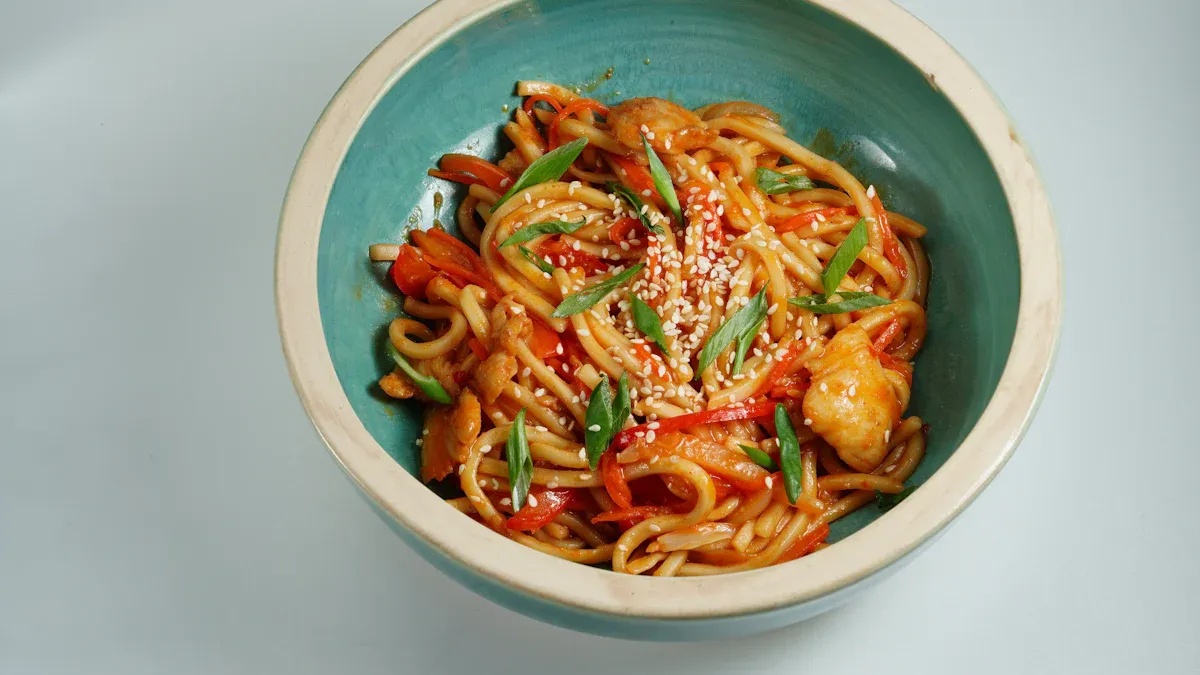
You can easily incorporate this versatile vegetable into your meals. It offers a healthy and delicious alternative. You will find many amazing spaghetti squash recipes.
Basic Preparation and Cooking
You need to prepare your squash properly for the best results. Baking is a preferred method. It gives you tender, non-mushy strands. First, preheat your oven to 400 degrees Fahrenheit. Line a large baking sheet with parchment paper. Cut off the very top and bottom ends of the squash. Stand it upright. Carefully slice it in half from top to bottom. Scoop out all the seeds. Drizzle each half with 1 teaspoon of olive oil. Rub the oil all over the insides. Sprinkle salt and pepper lightly over the interiors. Place the halves cut-side down on the prepared baking sheet.
Bake the squash for 40 to 60 minutes. The cut sides will turn golden. A fork will easily pierce the interiors. Smaller squash cooks faster than larger ones. This cooking method reduces moisture. It yields golden, caramelized edges for extra flavor. It also prevents moisture from collecting inside. This creates a perfect built-in bowl. Many people find 35-40 minutes perfect for cooking. This prevents overcooking and mushy texture. Once baked, you fluff the interiors with a fork. This makes the insides spaghetti-like. This roasted spaghetti squash is now ready for your favorite sauces.
You can also microwave your squash. Pierce it several times with a fork. Place it in a microwave-safe dish with a little water. Microwave for 8-12 minutes, flipping halfway. This is a quicker cooking method.
Creative Spaghetti Squash Uses
This vegetable is incredibly versatile. You can use it in many creative ways. It works wonderfully as a pasta substitute. You can use it in place of traditional spaghetti noodles in any favorite pasta recipe. For example, try a “Pizza Pasta” recipe using the squash. This gives you a low-carb version of a classic.
Beyond pasta, it can also serve as a low-carb substitute in other dishes. Think about using it in a potato casserole. This expands its use beyond just pasta-like applications. You can even make a lasagna style baked spaghetti squash. This offers a hearty, healthier meal. You can also mix the squash with actual spaghetti. A 1/2 & 1/2 ratio works well. This incorporates more nutrients. It retains some traditional texture and taste. Children often do not notice the difference once you add sauce and cheese. You can even make spaghetti squash tacos for a fun twist. These recipes offer delicious ways to enjoy this vegetable.
Tips for Flavorful Dishes
You can enhance the flavor of your squash dishes. Simple seasonings make a big difference. For a basic improvement, try smoked paprika and lime.
Consider different flavor profiles for your spaghetti squash.
Southwest: Use cumin, chili flakes, and cilantro. This combination is forgiving. It uses common pantry staples. It reliably transforms bland squash. Use 1 teaspoon cumin, ¼ teaspoon chili flakes, and 2 tablespoons chopped cilantro per squash half.
Thai Coconut Curry: Add curry powder and toasted coconut.
Mediterranean Bright: Try lemon thyme and sumac.
Umami Boost: Incorporate mushroom powder and nutritional yeast.
Citrus Refresh: Use orange zest and Marcona almonds.
These tips help you create flavorful recipes. Experiment with different spices and herbs. You will discover your favorite combinations. Good cooking starts with good seasoning.
Considerations for Spaghetti Squash
Potential Allergies and Sensitivities
Spaghetti squash is a healthy food for most people. However, you should know about potential sensitivities. Some individuals might feel digestive discomfort or fatigue after eating certain types of squash. This is rare. These reactions can link to compounds like FODMAPs, salicylates, or lectins.
You should also be aware of cucurbitacins. These are bitter chemicals found naturally in the squash family. Modern spaghetti squash varieties usually have low levels. However, environmental stress can increase these compounds. High levels of cucurbitacins can be toxic. This can cause “toxic squash syndrome.” Symptoms include severe stomach cramps, nausea, vomiting, and diarrhea. A very bitter taste in your squash is a key warning sign. If your squash tastes unusually bitter, you should not eat it.
Mindful Consumption and Preparation
Proper preparation of spaghetti squash ensures safety and enjoyment. You should always start with clean hands. Wash your hands with soap and water before handling any food.
Here are steps for safe preparation:
Rinse your whole spaghetti squash under cold, running water. You can gently scrub it with a clean vegetable brush.
Prepare a clean countertop and use clean utensils.
Carefully cut the squash in half. If it is too tough, microwave it for a few minutes to soften it.
Remove all seeds and stringy fibers with a spoon.
Cook the squash until its flesh is easily pierced with a fork. This ensures it is fully cooked and safe to eat.
Following these steps helps you enjoy all the benefits of spaghetti squash, including its beneficial fiber, without worry. This mindful approach supports your overall health.
Spaghetti squash offers great nutritional benefits and amazing versatility. You understand its spaghetti squash nutrition now. It provides a healthy, low carb option for your diet. This makes it a fantastic alternative for a balanced diet. Explore the many ways you can use spaghetti squash in your cooking. Incorporate this amazing vegetable into your meals. You will enjoy healthier and more delicious dishes.
FAQ
Is spaghetti squash good for weight loss?
Yes, spaghetti squash helps with weight loss. It is low in calories and carbohydrates. It also contains fiber. Fiber helps you feel full longer. This reduces your overall calorie intake.
Can you eat spaghetti squash raw?
You can eat spaghetti squash raw. However, most people prefer it cooked. Cooking softens the flesh. It also allows the strands to separate easily. This makes it more enjoyable to eat.
How do you store spaghetti squash?
You can store whole, uncooked spaghetti squash in a cool, dark place. It will last for one to three months. Store cooked spaghetti squash in an airtight container. Keep it in the refrigerator for up to five days.
Is spaghetti squash gluten-free?
Yes, spaghetti squash is naturally gluten-free. This makes it an excellent alternative for people with gluten sensitivities. It is also a great choice for those following a gluten-free diet.