


Is turkey bacon truly a healthier alternative to traditional pork bacon, or is it just a clever marketing gimmick? Many people choose turkey bacon as a perceived healthy option. This blog gives you a factual, balanced look at turkey bacon nutrition. You will understand its nutritional profile and how it compares to pork bacon. Make informed choices for your health and diet. It can be a leaner alternative, but knowing the facts helps you decide if it’s a healthy alternative for you.
Key Takeaways
Turkey bacon often has fewer calories and less fat than pork bacon. This makes it a leaner choice for your meals.
Turkey bacon is a processed meat. It can be high in sodium and may contain nitrates or nitrites. These can be bad for your health.
Always read food labels carefully. Look for turkey bacon with less sodium and no added nitrates or nitrites. This helps you make healthier choices.
Eat turkey bacon in small amounts. It is best as an occasional treat, not an everyday food. This helps you keep a healthy diet.
What is Turkey Bacon?
Understanding Its Composition
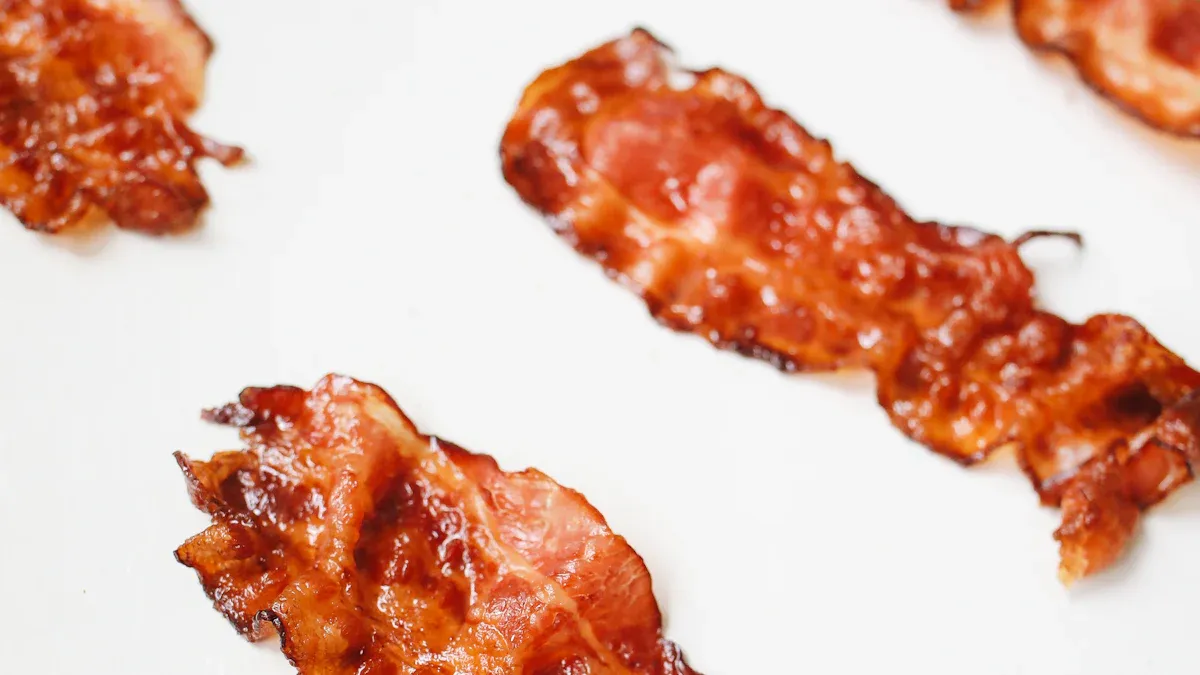
Turkey bacon offers a popular alternative to traditional pork bacon. You might wonder what exactly it is. Manufacturers make turkey bacon from chopped and formed turkey meat. This often includes dark meat, which gives it a richer flavor. They season and cure the meat, then press it into strips. This process gives turkey bacon its familiar appearance, similar to pork bacon but often leaner.
To understand turkey bacon, you should know its ingredients. Its nutritional composition comes from these components. Primary ingredients often include:
Turkey Thigh or a blend of ground turkey (dark and white meat)
Water
Sea Salt
Vinegar
Cane Sugar
Cultured Celery Powder
Manufacturers also add curing agents like sodium nitrite for preservation, color, and taste. Flavor enhancers, such as sugar or natural smoke flavorings, give it a bacon-like taste. Binders and extenders, like sodium phosphate or soy protein, help maintain its structure and moisture.
The manufacturing process for turkey bacon begins with selecting and preparing the meat. Workers finely chop or mince the turkey meat. They then add seasonings, salt, and sometimes preservatives. To create a marbled look, similar to pork bacon, they process white and dark meats separately. The white meat often gets a finer grind before combining. Next, the meat undergoes curing. This process is vital for preservation. It typically involves salt, sugar, and preservatives like sodium nitrate. Finally, they press the cured meat into slabs. They then smoke it to give it a bacon-like flavor. Some large-scale producers might cook the bacon instead of smoking it, adding smoke flavoring later.
Turkey Bacon vs. Pork Bacon: Nutrition Facts
You often wonder if turkey bacon is truly better for you than pork bacon. Let’s look at the nutrition facts. This section gives you a direct comparison. You can see how these two breakfast favorites stack up nutritionally.
Calorie and Fat Comparison
When you choose your breakfast meat, calories and fat are often top concerns. Turkey bacon generally offers fewer calories than traditional pork bacon. Look at this comparison:
Type of Bacon | Calories per 1-ounce serving |
|---|---|
Pork Bacon | 111 |
Turkey Bacon | 64 |
You can see turkey bacon has fewer calories per ounce. If you look at it slice by slice, the difference is also clear:
Type of Bacon | Calories per slice |
|---|---|
Turkey Bacon | 30 |
Pork Bacon | 43 |
This shows turkey bacon is lower in calories. It can be a good choice if you watch your calorie intake.
Now, let’s talk about fat. Turkey bacon often has less total fat and saturated fat. This is a big reason many people choose it.
Nutrient | Pork Bacon (1 slice) | Turkey Bacon (1 slice) |
|---|---|---|
Total Fat | 3.3 g | 2.0 g |
Saturated Fat | 1.1 g | 0.5 g |
You get less total fat and saturated fat with turkey bacon. Two strips of turkey bacon typically contain about 3 grams of fat. This is roughly half the fat found in pork bacon. A similar serving of pork bacon can have 6 to 7 grams of fat. This lower fat content appeals to you if you want to reduce saturated fats. All-natural turkey bacon can even have 75% less fat than conventional pork bacon.
Protein and Sodium Levels
Protein is important for your muscles and feeling full. Both types of bacon offer protein. One serving of Godshall’s turkey bacon contains 6 grams of protein. This is a good amount to start your day.
Sodium is another key nutrient to watch. Both turkey bacon and pork bacon can be high in sodium. You should always check the nutrition facts label. Some versions of turkey bacon can have more sodium than pork bacon.
Bacon Type | Amount | Sodium (mg) |
|---|---|---|
Turkey Bacon | 2 ounces | >1,900 |
Pork Bacon | 2 ounces | ~1,300 |
However, other brands show turkey bacon with less sodium. For example:
Bacon Type | Serving Size | Sodium (mg) |
|---|---|---|
Turkey Bacon (Jenni-O) | 1 serving (3 slices) | 130 |
Pork Bacon | 1 serving (3 slices) | 270 |
So, sodium levels vary a lot by brand. Always read the label to make the best choice for your diet.
Other Key Nutritional Differences
You might also wonder about carbohydrates, fiber, and sugars. Both turkey bacon and pork bacon typically have very few carbohydrates.
Type of Bacon | Carbohydrates (per 2 pan-fried slices) |
|---|---|
Turkey Bacon | 0g |
Pork Bacon | 0g |
Neither type of bacon is a significant source of fiber or sugar. The main differences lie in calories, fat, protein, and sodium.
When it comes to micronutrients, there are some differences. Turkey bacon generally provides lower levels of essential nutrients like iron and B vitamins compared to traditional pork bacon. However, some micronutrients are comparable or even higher in turkey bacon.
Micronutrient | Turkey Bacon (% DV) | Pork Bacon (% DV) |
|---|---|---|
Vitamin B12 | 6% | 4% |
So, while turkey bacon offers fewer calories and less fat, you might get slightly less of some other important vitamins and minerals. Understanding these nutrition facts helps you make informed choices for your meals.
Benefits of Turkey Bacon Nutrition
Choosing turkey bacon offers you several advantages. These benefits make it a popular choice for many people. You can enjoy a familiar taste while making healthier dietary choices.
A Leaner Protein Source
Turkey bacon provides a good source of protein. Protein is essential for building and repairing your body’s tissues. It also helps you feel full and satisfied after meals. This can help you manage your weight. You get important protein without as much fat as traditional bacon. This makes turkey bacon a high protein food that supports your daily nutrition goals.
Lower Calorie and Fat Alternative
One of the main benefits of turkey bacon is its lower calorie and fat content. You consume fewer calories when you choose turkey bacon over pork bacon. This is especially true for saturated fat. Many brands offer significantly fewer calories and less fat per serving. This makes it a smart choice if you are watching your calorie intake. You get a tasty breakfast item that is lower in calories. This contributes to potential health benefits for your heart and overall well-being. These benefits help you maintain a healthy diet.
Suitable for Pork-Free Diets
Turkey bacon is an excellent option if you avoid pork for religious, ethical, or dietary reasons. It allows you to enjoy a bacon-like experience without compromising your dietary restrictions. This makes it a versatile and inclusive food choice. You can still enjoy the flavor and texture of bacon. This offers you significant health benefits and flexibility in your meal planning. It is a better for you alternative that fits many lifestyles.
Turkey Bacon: Potential Downsides and Health Concerns
While turkey bacon offers some benefits, you should also understand its potential downsides. Making informed choices about your diet means looking at the full picture. This section explores some concerns you might have about turkey bacon.
High Sodium Content
You might choose turkey bacon for its lower fat content. However, you need to pay close attention to its sodium levels. Many versions of turkey bacon still contain a lot of sodium. High sodium intake can negatively affect your health.
“As with bacon made from pork, turkey bacon is high in saturated fat and sodium – two substances that put you at greater risk for developing heart disease,” states a health expert. “And the similarities don’t stop there.”
Processed meats, including turkey bacon, often contain high amounts of sodium. Manufacturers add sodium during curing, smoking, or preservation. One study shows these meats have about 400% more sodium than unprocessed meat. This extra sodium can raise your blood pressure. High blood pressure increases your risk of heart attack and stroke. A 2010 review in Circulation found that eating processed meat daily links to a 42% higher risk of heart disease. It also links to a 19% higher risk of diabetes. Recent research supports these findings. Therefore, you must check the nutrition label for sodium content when buying turkey bacon.
Understanding Nitrates and Nitrites
You often see labels like “no added nitrates or nitrites” on processed meats. It is important to understand what these terms mean. Nitrates and nitrites are chemicals. They help preserve meat, prevent bacterial growth, and give it a pink color and savory flavor.
Naturally occurring nitrates and nitrites come from water and vegetables. Leafy and root vegetables like lettuce, beets, celery, and carrots are common sources.
About 80% of the nitrates and nitrites you consume come naturally from plants.
Food producers add synthetic and naturally derived nitrates and nitrites to meats like hotdogs, bacon, and sausages. They do this for preservation, flavor, and color.
Synthetic nitrates are added to foods as preservatives. Naturally occurring nitrates are different. You find them in produce like spinach and celery. These vegetables also contain vitamin C and other compounds. These compounds help prevent nitrates from turning into harmful nitrosamines. There is no data suggesting these natural nitrates are harmful.
Traditionally, food producers used synthetic sodium nitrate. Now, many producers use nitrates from vegetables like celery. You might see packaging that says “no added nitrates or nitrites.” However, the fine print often clarifies “except those naturally occurring in celery powder.” This means the product still contains nitrates, just from a natural source.
However, nitrites, whether synthetic or naturally derived, can pose health risks.
High levels of nitrites are dangerous for infants. They can cause methemoglobinemia. This condition reduces oxygen supply to body tissues.
Nitrites can react with other compounds to form nitrosamines. Many nitrosamines can cause cancer.
The International Agency for Research on Cancer (IARC) classifies processed meat as carcinogenic. They link ingested nitrite from processed meat to colorectal cancer.
Eating more processed meat over time connects to higher rates of mortality, colorectal cancer, type-2 diabetes, and heart diseases.
Nitrosamines can form when you cook food at high temperatures. They also form when cured meat is processed.
Some studies suggest a link between high nitrite intake and certain cancers in children.
Processed Food Classification
You should know that turkey bacon is a processed meat. This classification has important implications for your health. Most dietary guidelines recommend limiting processed meats.
For example, the Dietary Guidelines for Americans 2015–2020 suggests eating patterns low in red and processed meats. They recommend eating more minimally processed plant foods. The American Diabetes Association also advises eating less red or processed meats. This includes diets like the DASH diet or Mediterranean-style diet. The American College of Cardiology/American Heart Association also recommends diets low in red and processed meats. In 2015, the IARC classified processed meats as a Group 1 carcinogen. This means they definitely cause colorectal cancer in humans. They recommend reducing consumption for cancer prevention.
Major health organizations, including the WHO, AICR, and the American Cancer Society, recommend consuming “little to none” processed meat. Even small daily amounts can increase health risks. A 2025 study, a meta-analysis of over 60 high-quality studies, found that eating one hot dog per day increased the risk of Type 2 diabetes by 11%. It also increased colorectal cancer risk by 7%. This research shows there is no “safe” or “low-risk” amount of processed meat. Even small quantities increased disease risk across many studies.
These downsides mean you should consume turkey bacon in moderation. Consider these healthier alternatives to processed meat:
Fresh or frozen chicken, turkey, or fish
Eggs
Beans & lentils
Tofu or tempeh
Fresh beef or pork (uncured)
You can also reduce your processed meat intake with simple tips:
Read labels. Avoid items with nitrates, nitrites, or those labeled as cured or salted.
Limit grilling or smoking meat at high temperatures.
Try Meatless Mondays.
Fill two-thirds of your plate with fruits, vegetables, grains, and legumes.
Keep processed meats as rare treats, not daily staples.
Understanding these potential downsides helps you make better choices for your overall health and nutrition.
Healthier Turkey Bacon Choices and Uses

You can enjoy turkey bacon as part of a balanced diet. You just need to make smart choices. This section gives you actionable advice. You will find practical ideas for selecting and using turkey bacon.
Selecting Healthier Varieties
You should always read food labels carefully. Look for turkey bacon options with lower sodium. Also, choose products with no added nitrates or nitrites. Many brands now offer uncured turkey bacon. This means they use only naturally occurring nitrates, often from celery powder. An ultra-lean version of turkey bacon, such as Jennie-O’s, can be as low as 20 calories, 0g saturated fat, and 120mg sodium per slice. This is a healthier choice.
When you shop, look for specific label claims. These claims indicate a healthier product. You want minimally processed options. Check for “no additives,” “no hidden MSG,” and “humanely raised without antibiotics.” USDA-certified organic products are also a good sign. Some brands offer turkey bacon free of major allergens like gluten, dairy, lactose, and soy. Butterball offers a low sodium turkey bacon with just 80 milligrams of sodium per slice. This reduced sodium content brings out a pleasant sweetness. Other uncured options include Applegate Naturals, Godshall’s, Never Any!, and Great Value. These choices help you find the healthiest version.
Smart Cooking Methods
How you cook turkey bacon also matters. You can reduce added fats. Try baking it in the oven. Lay strips on a baking sheet. Cook until crispy. Air frying is another great method. It uses hot air to cook the bacon. This gives you a crispy texture without extra oil. If you pan-fry, use a non-stick pan. You will not need much, if any, added oil. These methods make your turkey bacon a healthier option.
Creative Culinary Applications
Turkey bacon is versatile. You can use it in many meals. For breakfast, try Grab & Go Turkey Bacon Egg White Cups. They are quick and full of vegetables. Pesto Bagel Breakfast Sandwiches are another great idea. They combine eggs, turkey bacon, and pesto. Turkey Bacon Breakfast Muffins offer a savory blend. They are perfect for on-the-go mornings.
For lunch, add crumbled turkey bacon to salads. You can also make a lighter BLT sandwich. For dinner, sprinkle it into soups or pasta dishes. You can also use it as a topping for baked potatoes. Consider a Breakfast Turkey Bacon Roll Up with cream cheese and eggs. Sunrise Turkey Bacon Breakfast Pizzas or a Turkey Bacon Casserole are also delicious. A Classic Chicken Bacon and Egg Sandwich becomes healthier with whole grain bread and fresh produce. A Chicken Bacon and Avocado Wrap provides a portable, protein-rich meal. These ideas help you incorporate turkey bacon into your diet creatively.
Turkey bacon can be a healthier alternative to pork bacon. You get less fat and fewer calories. However, you must watch for high sodium and processing. Always read labels carefully. Choose wisely and enjoy turkey bacon in moderation. This helps you maintain an overall healthy diet. Make informed choices to enjoy your favorite foods responsibly for better health.
FAQ
Is turkey bacon always healthier than pork bacon?
Not always. Turkey bacon often has fewer calories and less fat. However, some brands contain high sodium levels. You must check the nutrition label. Choose wisely for a healthier option.
What are nitrates and nitrites in turkey bacon?
Nitrates and nitrites are preservatives. They give bacon its color and flavor. Some come from synthetic sources. Others come from natural sources like celery powder. Both can form nitrosamines, which may pose health risks.
Can you eat turkey bacon every day?
You should eat turkey bacon in moderation. It is a processed meat. Health organizations recommend limiting processed meat intake. Enjoy it as an occasional treat, not a daily staple.
How do you choose the healthiest turkey bacon?
Look for labels that say “low sodium” or “no added nitrates/nitrites.” Choose uncured options. You can also find brands with fewer calories and less saturated fat. Read the nutrition facts carefully.