

Vitamin C supplements can feel confusing when capsules, softgels, powders, and single-serve pouches all make similar claims. These options are organized by format, vitamin C amount, added ingredients, portability, and bottle size, helping you find a practical fit for daily routines, travel, or a broader immune-support formula. A qualified healthcare professional can also help you assess how vitamin C fits into your individual needs.
The Lineup, Simplified

Dr. Mercola Liposomal Vitamin C 1,000 mg 60 Capsules
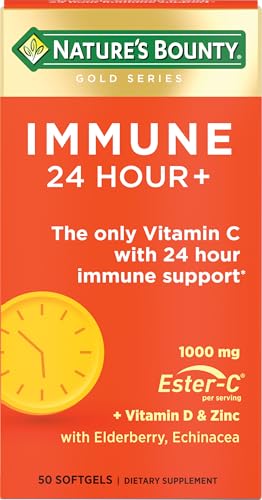
Nature’s Bounty Immune 24 Hour + 50 Count
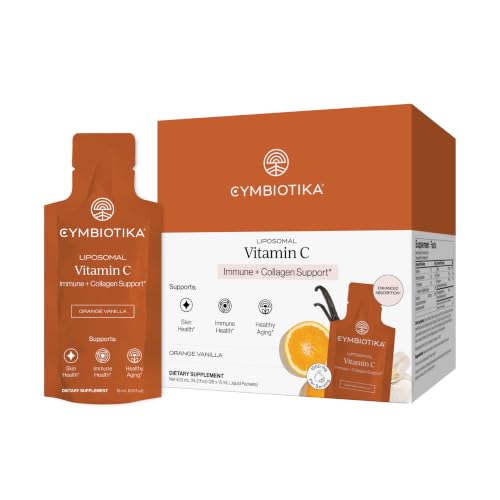
CYMBIOTIKA Liposomal Vitamin C with Biotin

Wholesome Wellness Liposomal Vitamin C Capsules 200 Pills 1500mg

Dr. Mercola Liposomal Vitamin C 1,000 mg 180 Capsules

Bronson Vitamin C Powder 2.2 lb
What Each Pick Brings To The Table
The Dr. Mercola capsule formula keeps the decision straightforward: 1,000 mg of vitamin C in a liposomal delivery system, presented in a familiar 60-capsule bottle. Liposomal technology is intended to carry vitamin C within a fat-based particle, which can support absorption and may be easier on digestion for some people. That makes this a sensible starting point when your priorities are immune and antioxidant support without a broad blend of extra ingredients.
Compared with the 180-capsule Dr. Mercola version later in the lineup, this bottle is better suited to trying the format without committing to a larger supply. For your morning routine, the capsule form disappears into the routine more easily than a powder, although it offers less portability than the CYMBIOTIKA pouches.
Bright Spots
- Each serving supplies 1,000 mg of vitamin C.
- The fat-based delivery system supports absorption and digestion.
- The focused formula avoids a crowded ingredient panel.
- Thirty servings fit neatly into a compact capsule bottle.
Things To Consider
- You need to swallow two capsules for each listed serving.
- The bottle is less convenient than individually packed pouches for travel.
Key Specs
Made For
This format works well for people who want a focused liposomal supplement and prefer capsules over powders or drink mixes.
A Better Fit Elsewhere
CYMBIOTIKA Liposomal Vitamin C with Biotin suits you better when portability and single-serve pouches matter more than capsule storage.
Nature’s Bounty takes a broader approach than the focused Dr. Mercola capsule. Its rapid-release softgels combine 1,000 mg of Ester-C, a vitamin C form, with elderberry, echinacea, vitamins A and D, zinc, and other nutrients. That makes the formula more relevant for someone who wants several immune-support ingredients in one product rather than a single vitamin C capsule.
The softgel format may also appeal to people who dislike swallowing dry capsules, although two softgels make up one serving. Compared with the Wholesome Wellness formula later, this option provides a more complex nutrient profile but gives you less control over the individual ingredients.
Notable Upsides
- Combines 1,000 mg of Ester-C with several immune-support nutrients.
- Rapid-release softgels offer a smooth, easy-to-swallow format.
- Includes elderberry, echinacea, zinc, vitamins A, and D.
- The formula excludes several common food ingredients, including gluten, wheat, soy, milk, and fish.
Trade Offs
- The wider blend may not suit someone seeking vitamin C alone.
- You need two softgels for each listed serving.
- Exclusions are specific, so check the full panel for personal ingredient preferences.
Feature Snapshot
Who It Suits Best
This formula fits people who want a broad immune-support blend and prefer softgels over standard capsules.
Where Another Pick Shines
Dr. Mercola Liposomal Vitamin C 1,000 mg 60 Capsules is the better fit when you prefer a simpler formula centered on liposomal vitamin C.
CYMBIOTIKA changes the format in a useful way. Its 1,000 mg liposomal vitamin C comes in 28 single-serve orange-vanilla pouches, so you can leave one in a work bag or carry it on a trip without managing a bottle of capsules. The pouch format is the clearest advantage here, particularly for people who routinely move between home, work, and travel.
Biotin is added alongside the vitamin C, which broadens the formula toward skin and hair support. Unlike the capsule options in this lineup, the pouches are lightly sweetened with organic cassava syrup, so people sensitive to added sweeteners may prefer a capsule instead. The package is third-party tested and made without gluten, soy, or animal ingredients.
Real Benefits
- Single-serve pouches simplify storage and travel.
- Provides 1,000 mg of liposomal vitamin C in an orange-vanilla flavor.
- Combines vitamin C with biotin for broader skin and hair support.
- The formula is vegan, non-GMO, and third-party tested for purity.
Small Caveats
- Each pouch includes cassava syrup for flavor.
- The added biotin may not align with every personal supplement routine.
- Pouches create more packaging than a conventional capsule bottle.
Built With In Mind
This pick suits commuters, travelers, and anyone who values a grab-and-go pouch more than bottle-based storage.
Look Elsewhere When
Bronson Vitamin C Powder 2.2 lb suits you better when preparing larger quantities at home is more useful than individually packed portions.
The Wholesome Wellness bottle is built around quantity and capsule convenience. It supplies 1,500 mg of liposomal vitamin C per serving in a container of 200 vegetable capsules, described as a 100-day supply. For someone who already understands the format and prefers a large bottle, that setup can reduce the frequency of replacing a smaller container.
Sunflower phospholipids form part of the delivery system, which helps distinguish this formula from plain ascorbic-acid powder. Compared with the CYMBIOTIKA pouches, however, it is less convenient for travel, and the large bottle needs more storage space. The honest read is that the appeal comes from capsule format and bottle size rather than added botanicals.
The Value In It
- A 200-capsule bottle suits routines that use a larger supply.
- Each serving contains 1,500 mg of liposomal vitamin C.
- Sunflower phospholipids support the fat-based delivery system.
- Vegetable capsules suit people avoiding gelatin-based capsules.
Practical Considerations
- The large bottle requires more storage space than 28 pouches or 50 softgels.
- It does not include the biotin found in the CYMBIOTIKA formula.
Quick Facts
The Right Fit
This bottle works best for people who prioritize a large capsule supply and ample storage space at home.
Another Choice May Suit
Dr. Mercola Liposomal Vitamin C 1,000 mg 180 Capsules is a better fit for 1,000 mg servings and a smaller bottle footprint.
The 180-capsule Dr. Mercola bottle preserves the same 1,000 mg serving amount as the 60-count version while reducing how often you need another bottle. Two capsules make up one serving, and the formula uses sunflower lecithin plus medium-chain triglycerides to carry the ascorbic acid. For an established capsule routine, that larger supply can be the more practical choice.
Nothing here suggests a broader botanical blend like the Nature’s Bounty formula. Instead, the appeal is consistency: 1,000 mg of vitamin C per serving, 90 listed servings, and one ingredient focus. Compared with the Wholesome Wellness option, you give up the larger 1,500 mg serving and 200-capsule count in exchange for a slightly smaller bottle.
The Helpful Details
- Provides 1,000 mg of vitamin C per two-capsule serving.
- A 180-count bottle reduces refill frequency.
- Sunflower lecithin and medium-chain triglycerides form the capsule delivery system.
- The focused formula contains no added elderberry, echinacea, or biotin.
Minor Gripes
- The larger bottle occupies more space than the 60-count version.
- Two capsules are needed for each listed serving.
Who Should Grab It
This option fits people who have established a two-capsule routine and want fewer bottle replacements.
Reach For A Different Pick When
CYMBIOTIKA Liposomal Vitamin C with Biotin is the better choice when you need individually packed portions and a biotin-containing formula.
Bronson is the practical counterpoint to the capsule-heavy list. Its 2.2-pound container holds pure ascorbic acid in fine, soluble crystals, which gives you complete control over how much enters a drink or preparation at home. The trade-off is immediate: this is ordinary powdered vitamin C, not a liposomal capsule formula, so anyone specifically seeking a fat-based delivery system should look elsewhere.
For people who already mix vitamin C into smoothies or drinks, the large powder supply offers flexibility and fewer container changes. The crystals are non-GMO, and Bronson states that the product is tested at its cGMP-registered facility in Hauppauge, New York. Your main fit check is whether the powder format and any flavor or texture considerations suit your preparation habits.
Positive Points
- Pure ascorbic acid without a capsule shell.
- The 2.2-pound package holds a large supply for home preparation.
- Fine crystals are designed to dissolve for easier mixing.
- The formula is non-GMO and made at a cGMP-registered facility.
Where It May Fall Short
- It does not use liposomal delivery.
- The bulk powder requires more storage and preparation than capsules or pouches.
Core Details
Whose Shelf It Belongs On
This powder fits people who regularly prepare drinks at home and prefer plain ascorbic acid over a liposomal capsule.
Swap It Out When
Dr. Mercola Liposomal Vitamin C 1,000 mg 60 Capsules is the better fit when fat-based delivery and capsule convenience are your priorities.
What to Look for in a Liposomal Formula
Liposomal vitamin C uses a fat-based carrier to package vitamin C in small particles. That delivery approach is the main distinction from plain ascorbic acid, but capsule count, added ingredients, packaging, and ease of use can matter just as much in a routine.
Delivery System And Ingredients
Check whether the formula uses phospholipids, sunflower lecithin, or another carrier associated with the liposomal approach. You also need to decide whether a broad blend makes sense. Nature’s Bounty adds elderberry, echinacea, zinc, vitamins A and D, while Dr. Mercola stays focused on vitamin C.
Serving Amount And Format
Compare the listed vitamin C amount without assuming that more is automatically better for your needs. Dr. Mercola provides 1,000 mg per serving, Wholesome Wellness provides 1,500 mg, and Bronson uses pure ascorbic acid powder. Capsules suit home routines, softgels offer a smooth alternative, and pouches make travel easier.
Bottle Size And Practical Storage
A 180- or 200-capsule bottle can reduce refills, but it also needs more space than a 50-count softgel bottle or 28 individual pouches. Powder products require storage and preparation on a different scale. Your cabinet space, travel habits, and willingness to mix products are useful practical checks.
Dietary Preferences And Added Ingredients
Review the complete ingredient panel rather than relying on front-of-package language. The lineup includes vegan, non-GMO, gluten-free, soy-free, and sugar-free claims, but those terms apply differently across products. CYMBIOTIKA includes cassava syrup, while some capsule formulas rely on sunflower lecithin and other carriers.
Shopping Details That Change the Choice
Where Shoppers Go Wrong
A common mistake is assuming every product in the liposomal category uses the same delivery system. Bronson Vitamin C Powder is pure ascorbic acid without liposomal particles, so its larger package serves a different purpose from the capsule and pouch options. Another mistake is comparing only the vitamin C amount while ignoring added ingredients, serving format, and how much space the product occupies.
What Separates Premium From Basic
Higher-priced choices may spend more on specialized carriers, added nutrients, third-party testing, or packaging convenience. The extra cost can be reasonable for a formula with multiple nutrients, a portable pouch format, or a large capsule supply. A simpler bottle or plain powder may offer better value when your routine is straightforward.
Frequently Asked Questions for Liposomal Vitamin C
What does liposomal vitamin C mean?
Liposomal vitamin C packages vitamin C in a fat-based particle intended to support absorption. The format may also be easier to tolerate for some people.
Is liposomal vitamin C better than regular vitamin C?
The answer depends on your priorities, absorption goals, and preferred format. Liposomal delivery may offer advantages for some people, while plain powder can be more economical for home preparation.
Can you take liposomal vitamin C with other supplements?
Combining supplements can affect your total nutrient intake and may interact with your individual health needs. A qualified healthcare professional can review your complete routine, especially when you are pregnant, nursing, managing a medical condition, or taking medication.
Do liposomal vitamin C supplements cause digestive discomfort?
Digestive tolerance varies by person and formula. The Dr. Mercola products specifically describe liposomal technology as supporting absorption and gastrointestinal comfort, which may make them worth considering for sensitive digestion.
Are liposomal vitamin C pouches easier to travel with?
The individual CYMBIOTIKA pouches are easier to carry than a bottle of capsules or a large powder container. Their single-serve packaging reduces the need to divide or store portions separately.
Wrap Up
Dr. Mercola offers the clearest capsule-focused choice, Nature’s Bounty serves people wanting a broader immune-support blend, and CYMBIOTIKA stands out for portable pouches and added biotin. Wholesome Wellness suits larger capsule routines, while Bronson Vitamin C Powder 2.2 lb fits home mixing rather than liposomal delivery. Your best decision comes down to format, ingredient preferences, and storage needs.
