

Gas-related fussiness can make even a routine feeding feel uncertain, especially when your baby arches, gulps, or struggles to settle afterward. The right bottle can help pace milk flow and limit the amount of air entering the nipple, while a pump-to-bag system can simplify the process for families using expressed milk. Four of the seven options below are bottles, and three are probiotic drops intended to complement a feeding routine rather than replace a bottle.
The Main Contenders

Philips Avent AirFree 9 oz Bottle
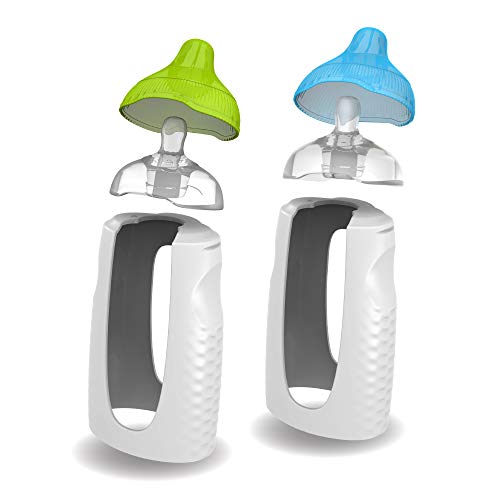
Kiinde Twist Squeeze Bottle, 2-Pack

NUK Smooth Flow Gift Set

BioGaia Immune Active Baby Drops

BioGaia Baby Drops, 50 Servings

BioGaia Baby Probiotic Drops

Thyseed Anti-Colic Glass Baby Bottle for Breastfed Infants, 5 oz
A Closer Look At Each Pick
The AirFree vent keeps the nipple supplied with milk while directing air away from the feeding path. That approach matters during a busy feeding, when a baby who is already uncomfortable may need a steady flow and a chance to feed in a more upright position.
Unlike a conventional vent that needs the bottle to remain at a particular angle, this design is intended to keep the nipple filled even when held horizontally. The two-bottle set is practical for caregivers who want a medium-flow option without assembling a separate pumping system.
Notable Upsides
- Air management targets a common feeding concern without requiring a separate reservoir.
- The wide neck and limited parts make regular cleaning less fiddly.
- Upright feeding gives caregivers another positioning option during reflux-prone feeds.
- You can remove the vent for a more conventional bottle setup.
- Two 9 oz bottles provide a useful pair for home or travel use.
Practical Considerations
- Medium flow may not suit a newborn who needs a slower pace.
- Confirm that your baby accepts the included medium-flow nipple before building a routine around it.
Key Specs
Made For
This set suits caregivers of gas-prone babies who want an upright feeding position, medium flow, and a simple two-bottle setup.
Where Another Pick Suits Better
Kiinde Twist Squeeze Bottle, 2-Pack is a better fit for families that want to pump, store, and feed expressed milk through one integrated system.
Kiinde takes a different route from the Philips Avent AirFree 9 oz Bottle by connecting pumping, storage, and feeding through a disposable Twist pouch. Families using expressed milk can avoid transferring milk into another container before every feed, which reduces handling and the number of surfaces involved.
The pouch twists into the squeeze bottle, while the Active Latch nipple is shaped to encourage a more active latch. That design may be especially useful for babies moving between breast and bottle, although the system requires the correct Kiinde pouches and nipples to work as intended.
The Good Stuff
- The pump-to-bag format reduces transfers between pumping and feeding.
- Twist pouches are designed for storage in the refrigerator or freezer.
- The locking cap is intended to help prevent leaks during storage.
- Silicone nipples simplify cleaning and suit top-rack dishwasher use.
- The included case makes two bottles easier to organize and carry.
Trade Offs
- The workflow depends on compatible Kiinde pouches, bottles, and nipples.
- Disposable pouches create ongoing supply requirements.
- Families using direct breastfeeding may find the specialized system more than they need.
Who Will Love This
This system fits caregivers who pump regularly, refrigerate expressed milk, and want fewer transfers between pumping and bottle feeding.
A Better Fit Elsewhere
Philips Avent AirFree 9 oz Bottle fits simpler setups where a conventional bottle and upright positioning are enough.
The NUK set covers more of a newborn household than a single bottle, with two 5 oz bottles, two 10 oz bottles, three pacifiers, a learner cup, and two additional nipples. The Smooth Flow nipple lets the baby influence the pace, while its shape is intended to resemble the breast during nursing.
Compared with the Philips Avent AirFree 9 oz Bottle, this package provides more sizes and accessories but centers on gradual flow control. The SafeTemp indicator adds another practical layer by showing when milk may be too hot, which is useful during sleepy late-night feeds.
Points In Its Favor
- Multiple bottle capacities suit changing feeding volumes.
- Fast-flow replacement nipples broaden the set’s usefulness as your baby grows.
- The transition kit introduces drinking from a cup at an early stage.
- The temperature indicator offers a visible check before feeding.
Small Caveats
- The 9-piece bundle may include more than a caregiver needs for occasional bottle use.
Technical Highlights
The Right Fit
This gift set suits new parents who want bottles, pacifiers, nipples, and a cup transition set in one organized package.
Another Choice May Suit
Kiinde Twist Squeeze Bottle, 2-Pack suits families whose priority is an integrated expressed-milk routine rather than a broad newborn accessory set.
These drops are a supplement rather than a feeding bottle, so they belong alongside your feeding equipment instead of replacing it. The product pairs a probiotic with vitamin D and is positioned for infants and toddlers from their first day, including breastfed, bottle-fed, and mixed-fed babies.
For a gas-focused routine, the manufacturer markets the probiotic for digestive discomfort and regularity. You still need a bottle that controls flow and manages air, which makes the Philips Avent AirFree 9 oz Bottle the more direct choice for feeding mechanics.
Positive Points
- Combines a daily probiotic with vitamin D in one drop format.
- The drop presentation can make scheduled routines easier to organize.
- It is designed for feeding methods that include breast milk, formula, or a mixture.
Things To Consider
- This item does not control milk flow or reduce air entering a bottle.
- Check the label and discuss any supplement routine with your child’s clinician.
Feature Facts
Built With In Mind
This drop suits caregivers who want to add a labeled probiotic and vitamin D routine alongside a separate bottle setup.
Look Elsewhere When
Philips Avent AirFree 9 oz Bottle is the better fit when your main concern is bottle flow, air management, and upright feeding.
The 50-serving format distinguishes this BioGaia option from the smaller packs, making it more appealing for families that already follow a daily supplement schedule. Vitamin D accompanies the probiotic, and the product is positioned for newborn feeding routines across breast, bottle, and mixed feeding.
Its gas focus comes from the probiotic’s intended digestive role rather than bottle design. You will still need a suitable nipple and air-management system, so a bottle such as the Thyseed Anti-Colic Glass Baby Bottle for Breastfed Infants, 5 oz handles the mechanics of feeding more directly.
What Works In Its Favor
- The 50-serving count supports an extended daily routine.
- Probiotic and vitamin D are combined in one product.
- The drop format works across breast-, bottle-, and mixed-fed households.
- It is positioned specifically around common infant digestive discomfort.
Points To Note
- A supplement cannot control nipple flow or prevent air from entering a bottle.
- The full bottle may be unnecessary for a short trial period, so check the serving instructions before purchasing.
Who Should Grab It
This option suits caregivers who value a longer supply and already plan a daily probiotic routine alongside bottle feeding.
Swap It Out When
BioGaia Immune Active Baby Drops may suit you better when immune positioning is the priority and the smaller pack size is more appropriate.
The 5 mL package makes this BioGaia drop easier to place in a diaper bag or carry during travel. It is labeled for newborn routines and is positioned around gas, colic, spit-ups, and digestive regularity for breastfed, bottle-fed, and mixed-fed infants.
This remains a supplement, not a bottle. For the feeding itself, the NUK Smooth Flow Gift Set gives you several bottle sizes and nipple stages, while this small drop container handles only the daily probiotic portion of the routine.
Reasons It Performs
- The compact 5 mL container suits travel and limited storage space.
- The product is clearly positioned for newborn digestive routines.
- Single and two-pack options offer some packaging flexibility.
Where It May Fall Short
- It does not replace a bottle, nipple, or vent designed to manage feeding pace.
Quick Facts
Best Suited To
This small pack suits caregivers seeking a travel-friendly probiotic routine without carrying a larger bottle of drops.
Reach For A Different Pick When
BioGaia Baby Drops, 50 Servings is a better fit when you prefer one larger supply with a stated 50-serving count.
Glass and a 5 oz capacity give this bottle a different profile from the Philips Avent AirFree 9 oz Bottle. Its base vent is designed to separate air from milk, while the extra-slow-flow nipple uses multiple micro-openings to deliver a steadier pace for newborns transitioning from breast feeding.
The listing describes the base-vent approach as clinically studied and published in JAMA, which gives the design a documented point of distinction. For a breastfed baby, the smaller capacity and breast-like nipple shape may be more useful than a larger bottle designed for substantial formula or milk feeds.
Noteworthy Benefits
- Glass construction gives the bottle a distinct material choice.
- The base vent targets air separation near the bottle rather than the nipple.
- Extra-slow flow supports a gradual feeding pace for newborns.
- The 5 oz size suits smaller initial feeds.
- The nipple shape is designed with breast-fed babies in mind.
Factors To Consider
- The 5 oz capacity may require additional feeds as feeding volumes increase.
- Glass is heavier than many plastic bottle designs and needs careful handling.
At A Glance
Whose Shelf It Belongs On
This bottle belongs with breast-fed newborns who need a 5 oz capacity, extra-slow pace, and a glass feeding vessel.
Where A Sibling Pick Shines
Philips Avent AirFree 9 oz Bottle is a better fit for caregivers who want a larger bottle and a removable vent for conventional feeding.
What Matters Before You Choose a Gas-Focused Bottle
Start With the Feeding Method
The right choice depends on how milk reaches your baby. Direct breast feeding calls for a natural latch and controlled pace, expressed milk favors a pump-to-bag system, and formula feeding often benefits from familiar bottle sizes. Write down your actual routine before comparing vents, capacities, or accessories.
Match the Vent to the Feeding Position
A vent that keeps the nipple supplied with milk can make horizontal positioning less troublesome. The Philips Avent AirFree 9 oz Bottle and Thyseed Anti-Colic Glass Baby Bottle for Breastfed Infants, 5 oz use different vent locations, so check how you naturally hold the bottle before deciding.
Account for Cleanup and Compatibility
The NUK Smooth Flow Gift Set combines bottles, nipples, pacifiers, and a cup, while the Kiinde system depends on matching pouches and nipples. Wide openings and fewer parts simplify cleanup, but a complete system may be more practical than a broad bundle once your feeding routine settles.
Separate Feeding From Supplements
Probiotic drops may fit alongside a bottle routine, but they do not control flow, pace milk, or manage air. Choose the feeding vessel for those jobs, then review the drop label and your child’s clinician’s guidance before adding a supplement.
Buying Details That Change the Decision
Mistakes Worth Dodging
Do not select a bottle solely because its label mentions colic, since nipple pace, bottle position, and feeding technique also influence a feed. Check the included flow stage and replacement-nipple options, and confirm that any pumping accessories belong to the same system before building a routine around it.
What Separates Premium From Basic
More elaborate choices spend their premium on glass construction, integrated pumping and storage, specialized vents, or broader accessory sets. Those additions help particular households, while a simpler bottle may be more suitable when straightforward feeding and easy cleanup matter most.
Frequently Asked Questions
Do gas-focused bottles need a special vent?
A vent can help keep the nipple filled with milk and reduce the amount of air reaching the feeding path. The Philips Avent AirFree 9 oz Bottle and Thyseed Anti-Colic Glass Baby Bottle for Breastfed Infants, 5 oz place their vents in different positions.
Can a slow-flow nipple help with gassiness?
A slow-flow nipple can pace milk and give a baby more control during feeding. It cannot account for every source of discomfort, so persistent concerns deserve discussion with your child’s clinician.
Are probiotic drops a replacement for a bottle?
No. BioGaia drops are supplements intended to complement feeding, while bottles control milk delivery, nipple flow, and air management.
Which bottle size should a gassy newborn use?
A smaller bottle can be convenient for initial feeds, while a 9 oz capacity offers more room for larger feeds. Your baby’s feeding volume and usual meal length are more useful than the gas label alone.
Which option works best with pumped milk?
Kiinde Twist Squeeze Bottle, 2-Pack is designed around a pump-to-bag workflow. It reduces transfers by connecting the storage pouch, bottle, and nipple as one feeding system.
Final Thoughts
The Philips Avent AirFree 9 oz Bottle offers the most balanced approach to upright feeding, air management, and straightforward cleaning, while the Kiinde system serves families built around expressed milk. Choose the nipple pace, capacity, and feeding method first, then treat anti-colic labeling as one supporting feature rather than the entire decision.
