

Moving from a bottle to a straw cup can turn snack time into a small science experiment, especially once little hands start squeezing, tilting, and dropping things. The right training cup gives children a manageable way to control the flow while keeping spills away from clothes, car seats, and bags. These options suit families starting at 6 months, toddlers ready for a firmer straw, and households that need several cups for daycare, travel, or shared mealtimes.
Your Options, Compared

GROSMIMI PPSU Baby Straw Cup Stage 1 10oz Sky Blue
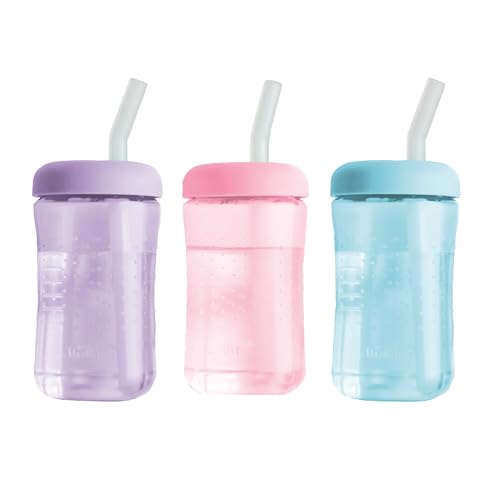
The First Years Squeeze & Sip Straw Cups 3 Count

Nuby Wash or Toss Reusable Hard Spout Cups 10oz

Munchkin It’s a Miracle 360 Cup and Fruit Infuser Set

GROSMIMI PPSU Baby Straw Cup Stage 2 10oz Dinosaur

UBMOM PPSU Backflow Prevention Sippy Cup 9.47oz Beige
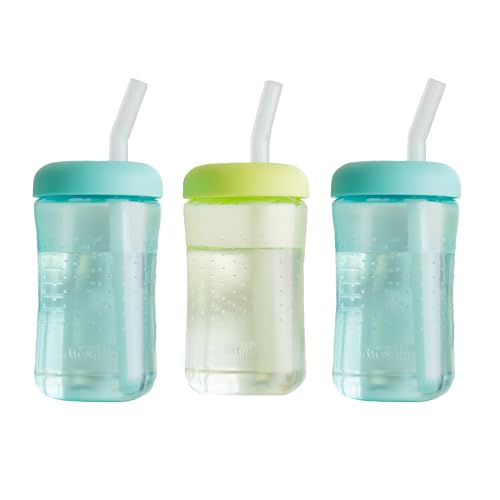
The First Years Squeeze & Sip Straw Cups 7oz 3 Count
The Picks, Examined More Closely
The soft Stage 1 straw gives babies a less demanding place to begin than a rigid spout. For a child around 6 months who is still building the mouth control needed for a straw, that difference may make practice less frustrating.
The 10-ounce capacity handles ordinary drinks, while the rotating handles let small hands reposition the cup without forcing an awkward wrist angle. The honest read is that this cup fits beginners better than toddlers who already chew aggressively on straws.
Strong Points
- The soft Stage 1 straw is intended for early sips and developing gums.
- A cross-cut straw and flip-top lid are designed to reduce leaks during everyday handling.
- The 360-degree handles make the cup easier to grip as a child’s control improves.
- Every drinking-contact component is made from PPSU or silicone, with no metal included in that path.
- Disassembly supports thorough cleaning, and the parts are suitable for the top rack of a dishwasher, microwave, or sterilizing process.
Things To Consider
- The soft straw is better suited to first practice than to toddlers who chew cup parts aggressively.
- The 10-ounce size may offer more capacity than a new drinker needs during short sips.
At A Glance
Made For
This cup suits parents introducing a soft straw to a baby around 6 months who is still learning to control the flow.
A Better Fit Elsewhere
The First Years Squeeze & Sip Straw Cups 3 Count may suit families that prefer squeezing the cup to regulate the drink flow.
Squeezing the soft cup gives a child more influence over each sip than a rigid spout would. A valve in the silicone straw regulates the flow, which can help during the early days of moving away from a bottle and learning to pause between drinks.
Three cups mean one can stay at home while another travels in the diaper bag or daycare tote. Depending on the child, the cups may also graduate from training tools into ordinary toddler drink containers, extending their useful life.
The Value In It
- Squeezing the cup gives a beginner a physical way to slow the drink flow.
- The valve helps limit spills as a child practices holding and tipping the cup.
- Three color choices make it easier to assign cups to different locations.
- Top-rack dishwasher cleaning reduces the work involved in daily rinsing.
- The cups are intended for babies and toddlers at least 6 months old.
Small Caveats
- Young children must understand the squeezing action before it becomes an effective training method.
- Color availability may vary, so treat the pictured assortment as a general guide rather than a promise.
Who Will Love This
This set suits families teaching a 6-month-old to drink through a straw and wanting several cups for use around the home.
Another Choice May Suit
The GROSMIMI PPSU Baby Straw Cup Stage 1 10oz Sky Blue may suit you better when a soft straw and rotating handle matter more than squeezing.
A hard spout offers a different route away from a bottle than the flexible straw designs elsewhere in this list. The bite-resistant construction and free-flow opening may appeal to toddlers who are more comfortable pulling liquid through a fixed spout than sealing their lips around a straw.
Six 10-ounce cups cover a crowded household, daycare rotation, and trips without much fuss. Character graphics also make these cups more engaging for preschool-aged children, although the set is less directly focused on a new straw user.
A Few Strong Suits
- The hard spout is designed to withstand chewing better than a soft straw.
- A free-flow opening supports a steady sip without squeezing a container.
- Snap-on lids make the cups convenient to assemble and carry.
- Six cups provide useful coverage for daycare, travel, and household rotation.
- Each 10-ounce cup can be washed and reused or discarded after a messy outing.
Practical Considerations
- This is a hard-spout cup rather than a true straw trainer, so it suits a different stage of the transition.
- Six cups require more storage and washing space than a single training cup.
Feature Snapshot
The Right Fit
This set suits families seeking several reusable hard-spout cups for daycare, travel, or children who are not ready to manage a straw.
Look Elsewhere When
The GROSMIMI PPSU Baby Straw Cup Stage 1 10oz Sky Blue makes more sense for a child specifically learning how to use a soft straw.
The 360-degree drinking design removes the need to orient a spout toward the mouth, which can help a child drink from several positions. Its valves close when the child stops drinking, making the cup a practical fit for lunchboxes and car rides.
The set pairs a 10-ounce drinking cup with a larger 14-ounce fruit infuser. For a toddler beyond the earliest straw stage, the combination provides two distinct formats without requiring a separate infuser purchase.
Positive Points
- Drinkable edges support sipping from more than one direction.
- The 360-degree valve seals when drinking pauses, helping contain ordinary spills.
- Two capacities suit different drink sizes and eating situations.
- The fruit infuser adds light fruit flavor without requiring a separate container.
- The two-cup arrangement is useful for home, daycare, or travel.
Things That May Matter
- This design is intended for children at least 18 months old, so it comes later than the 6-month options.
- The 14-ounce infuser may be larger than necessary for smaller drinks or compact bags.
Technical Highlights
Built With In Mind
This set suits parents of toddlers at least 18 months old who value flexible drinking positions and want a fruit infuser alongside a standard cup.
Swap It Out When
The UBMOM PPSU Backflow Prevention Sippy Cup 9.47oz Beige may be a better fit for a child still transitioning at around 6 months.
Stage 2 keeps the same drinking flow and cross-cut straw design as the earlier model, but uses a firmer straw for children who chew. That distinction matters once soft straws become a source of frustration or show visible wear from constant mouthing.
For a 12-month-old already comfortable with straw drinking, the dinosaur graphic and rotating handles add a more playful, child-led feel. The 10-ounce body remains compact enough for everyday use, though larger hands may eventually outgrow the handles.
The Helpful Details
- The firmer Stage 2 straw is intended to resist biting.
- Rotating handles reduce wrist twisting as children change grip positions.
- The cross-cut straw and flip-top lid support spill control during active play.
- Disassembled parts are suitable for thorough cleaning in several common methods.
- The playful dinosaur design gives a practical cup a more engaging appearance.
Where It May Fall Short
- The firmer straw is a poor match for a baby still developing initial straw skills.
- Children who use the cup through prolonged chewing may need closer attention to the straw condition.
Core Details
Right Fit For
This cup suits a 12-month-old with established straw skills who regularly chews on a softer trainer straw.
Reach For A Different Pick When
The GROSMIMI PPSU Baby Straw Cup Stage 1 10oz Sky Blue is the better choice for a baby still learning basic straw control.
The removable disk and straw give this cup an unusual flexibility during a bottle transition. You can begin with the setup intended for bottle feeding, then add the straw as the child becomes ready to practice independent sipping.
A flexible straw and rotating handle support small hands, while the backflow disk is designed to reduce liquid returning toward the mouth. The 9.47-ounce capacity sits below the 10-ounce choices here, which may be useful for smaller drinks but offers less room for growth.
What Works In Its Favor
- Removing the disk and straw creates a bottle-style setup for an earlier feeding stage.
- The backflow disk includes a rubber-edged design intended to limit spills.
- Rotating handles reduce the need to twist a small wrist into a fixed position.
- The flexible straw gives children a gentle surface for developing sip control.
- PPSU is described as resistant to absorbing colors and odors from common drinks.
Points To Keep In Mind
- You need to remove and reinstall the disk and straw to change between feeding styles.
- The smaller 9.47-ounce capacity may need more frequent refilling for older toddlers.
Who Should Grab It
This cup suits parents who want one container to move from bottle-style feeding to straw practice as their baby develops.
Consider Something Else When
The The First Years Squeeze & Sip Straw Cups 3 Count may suit you better when controlled flow through squeezing matters most.
The smaller 7-ounce format works well for toddlers who drink modest amounts during snacks or short outings. A squeezable cup and valve-controlled straw let the child regulate the flow, which can make early straw practice easier than relying on a fixed spout alone.
Three cups support separate locations, and the 7-ounce size may sit more comfortably in a small diaper bag than the larger choices. The limitation is capacity, especially once a child begins drinking larger amounts at meals.
Key Advantages
- The squeezable body gives a new straw drinker greater control over the flow.
- The valve is designed to help keep liquid inside the cup.
- Seven-ounce cups suit smaller portions and compact travel bags.
- Three cups can be divided among home, daycare, and travel.
- The same format can continue serving as a regular toddler cup after training.
Possible Compromises
- The smaller capacity may require refilling more often during substantial meals.
- Children who do not yet understand the squeezing action may need close guidance at first.
Key Product Details
Made For
This three-cup set suits families seeking a compact straw trainer for short snacks, daycare, and travel.
Where A Sibling Pick Shines
The Nuby Wash or Toss Reusable Hard Spout Cups 10oz may suit you better when six larger cups and hard spouts take priority over straw practice.
What Matters in a Bottle-to-Straw Cup
Choose the drinking action your child can manage
A soft straw suits a baby learning to seal their lips around a narrow opening, while a squeezable cup gives a child direct control over the drink flow. A hard spout is another approach altogether, so it may not solve the specific challenge of learning to use a straw.
Match the cup to the child’s stage
The GROSMIMI Stage 1 cup begins at 6 months with a softer straw, while Stage 2 targets children at least 12 months old who tend to chew. The Munchkin set begins at 18 months, making age guidance a useful first filter before capacity or design.
Check capacity and cleaning needs
A 7-ounce cup is convenient for smaller portions and compact bags, while 10-ounce models cover more typical drinks. Six-cup sets save you from locating a cup in every room, although they also create more washing and storage work.
Cup Transition Details That Matter
Common Shopping Slip Ups
Choosing a straw shape before considering your child’s current drinking ability can make practice harder than it needs to be. Check the age stage, straw firmness, valve action, and cleaning method together, then think about where the cup will actually be used.
What The Higher Tier Buys
PPSU bodies, rotating handles, multiple straw stages, and removable components address different needs rather than forming one universal upgrade. Paying more makes sense when your child’s age, chewing habits, or planned locations justify a feature such as a firmer straw or a larger cleaning-compatible set.
Frequently Asked Questions
What age should a child start using a straw cup?
A child around 6 months may be ready to begin with a soft straw or squeezable trainer cup. Watch for interest in the bottle, the ability to sit upright, and growing control over the mouth.
Are straw cups appropriate for toddlers?
Yes, provided the straw and cup match the child’s age and drinking ability. A firmer straw can suit a chewing toddler, while a soft stage or squeeze-controlled design is gentler for early practice.
What size cup is best for daycare?
The 7-ounce The First Years Squeeze & Sip set is compact for small bags, while the 10-ounce GROSMIMI cup holds more. Consider the amount your child drinks and the space available in the travel bag.
Are these cups dishwasher safe?
The GROSMIMI cups and The First Years Squeeze & Sip cups are suitable for the top rack of a dishwasher. Always follow the current care instructions for the exact product and its individual parts.
Should a training cup replace every bottle?
A training cup can support the transition, but children may still need familiar feeding methods during meals, naps, or travel. A gradual approach usually works better than removing every familiar option on the same day.
Final Thoughts
The strongest fit depends on the exact skill your child is building. Soft straws suit beginners, squeeze-controlled cups offer active flow control, hard spouts serve chew-happy toddlers, and 360-degree drinking edges work better for older toddlers. Match the cup to the child’s stage, then let daily practice determine the pace.
