

A toddler reaching for a cup at snack time is a small but meaningful step toward independence. The right cup can support that progress with a manageable size, a comfortable grip, and a drinking method that suits your child’s development, whether you’re practicing bottle-to-cup transitions or handling everyday spills.
A Closer Look At The Lineup
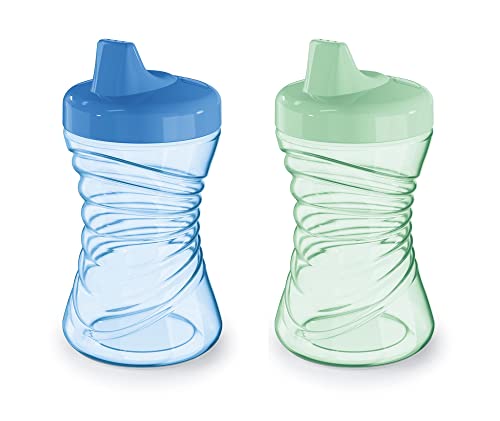
NUK Fun Grips Hard Spout Cup 10 oz
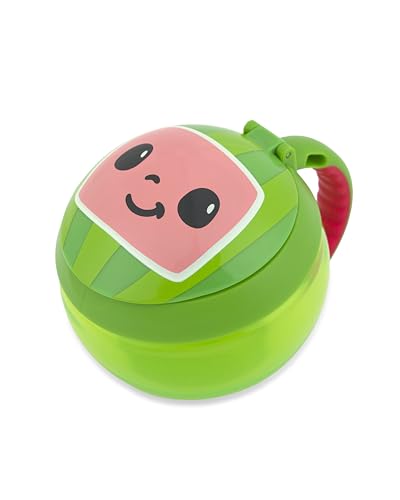
Skip Hop x CoComelon Snack Cup 7.5 oz

NUK Learner 5 oz, 2-Pack

GROSMIMI PPSU Baby Straw Cup Stage 1, 10 oz, Sky Blue
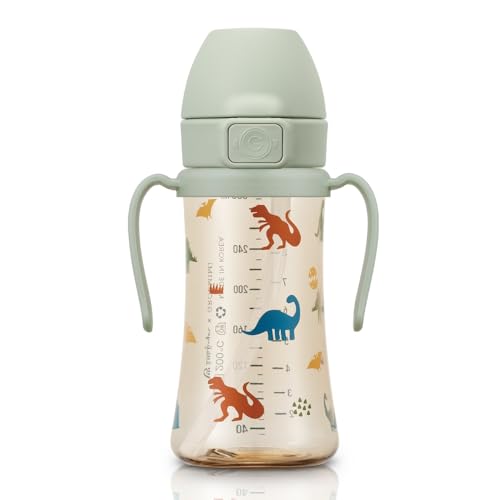
GROSMIMI Straw Cup Stage 2

Nuby 2 oz Training Cup

Nuby Clik-It Grip N’ Sip 10 oz 3-Pack Colors
Meet The Standout Selections
The 10-ounce capacity gives a toddler enough drink for a short outing without making the cup feel oversized. Its raised hard spout resists biting, while the hourglass body helps it remain upright on a high chair tray or in a stroller cup holder.
This suits children ready to move beyond a soft spout, especially around 12 months and older. Compared with the smaller NUK Learner Cup, it offers more capacity and a more substantial drinking surface, which can be useful during daycare days or longer car rides.
Where It Helps
- The raised spout gives a practiced cup drinker a clear, bite-resistant place to sip.
- A flow-control valve helps regulate the drink as the child pulls on the spout.
- The hourglass shape reduces tipping during the wobbly stage of independent drinking.
- Dishwasher-safe construction makes daily cleanup simpler for busy households.
Small Caveats
- The hard spout may be less suitable than a silicone spout for a child just beginning to practice.
Key Specs
Made For
Toddlers at least 12 months old who already have some cup experience and prefer a durable spout.
Another Choice May Suit
The NUK Learner Cup is a gentler option for children moving from a bottle to their first soft spout.
This is a snack container rather than a drinking cup, so its job begins where many sippy cups end. The 7.5-ounce capacity holds a modest portion of puffs, crackers, fruit snacks, or other small foods, while the handle gives a toddler something manageable to carry.
The CoComelon artwork adds personality that may make the cup more appealing during snack time. In our view, that matters most for children who are still learning to control small portions and for families who want a dedicated snack container for the stroller or diaper bag.
Positive Points
- The screw-off lid allows the sections to separate for a more thorough rinse.
- A small handle supports independent carrying and self-serving at 12 months and older.
- The compact shape fits readily into a stroller holder or snack pouch.
Practical Considerations
- The 7.5-ounce capacity suits snack portions rather than a full drink.
- Dishwasher cleaning is limited to the top rack, so the lid and handle should be checked before washing.
Feature Snapshot
The Right Fit
Families seeking a compact, character-themed container for portioned finger foods and toddler snack independence.
A Better Fit Elsewhere
The NUK Fun Grips Hard Spout Cup is the better choice when your child needs a drink container rather than a snack holder.
A bottle can be the last familiar part of a toddler’s routine, so changing the drinking method takes patience. The NUK Learner Cup takes a gentler approach with a silicone spout, air vent, and removable anti-slip handles that give small hands something secure to hold.
Its 5-ounce capacity is smaller than the 10-ounce options in this group, which can make first practice sessions less intimidating. The blue dinosaur design also gives a child a recognizable reason to claim the cup, although the practical transition features matter more.
What Makes Sense
- The soft silicone spout offers a gentler surface for gums during bottle-to-cup practice.
- Removable handles give a child more control over the cup’s position while reducing wrist strain during early practice.
Where It May Fall Short
- The 5-ounce capacity may require refilling more often during daycare or travel.
- A soft spout may be less appealing once a child has progressed to a harder spout or straw.
Who Should Grab It
Caregivers introducing a cup to a bottle-reliant child who is ready to practice with a soft spout and removable handles.
Reach For A Different Pick When
Choose the NUK Fun Grips Hard Spout Cup for a child ready for more capacity and a sturdier spout.
Straw drinking gives a child another way to practice mouth control and independent sipping. This Stage 1 version uses a softer silicone straw for babies at 6 months and older, with a cross-cut design intended to help manage flow and limit spills.
The drinking components use PPSU and silicone rather than metal. PPSU is a durable plastic used for demanding applications, while the silicone straw and rotating handles provide softer contact points for a developing grip.
Real-World Strengths
- The soft Stage 1 straw suits a child making early straw-sipping attempts.
- The 10-ounce capacity works for playdates, stroller rides, and daycare routines.
- Rotating handles follow the child’s hand position without requiring awkward wrist turns.
- Every drinking-contact part is made from PPSU or food-grade silicone.
- Disassembly supports thorough cleaning, and the parts can also go in the microwave or a sterilizer.
Worth Noting
- Straw practice may require a little guidance before a child masters the flow.
Technical Sheet
Built With In Mind
Babies aged 6 months and older who are beginning to learn straw drinking with a soft spout and rotating handles.
A Sibling Pick Shines
The GROSMIMI PPSU Baby Straw Cup Stage 2 suits older toddlers whose chewing makes a softer straw less suitable.
The move to a firmer straw usually follows a toddler’s increasing interest in chewing everything within reach. This Stage 2 GROSMIMI cup is intended for children 12 months and older, using a firmer silicone straw while preserving the same cross-cut flow design as the Stage 1 model.
For an active toddler carrying a cup from the living room to the car, the rotating handles and flip-top lid remain useful. The dinosaur design also gives the cup a more playful look, though your child’s chewing habits should guide the stage more than the artwork.
The Good Stuff
- The firmer straw is better suited to a child who has begun chewing on the drinking spout.
- The 10-ounce body holds a practical amount for everyday drinks.
- The flip-top lid and cross-cut straw are designed to limit spills during carrying and tipping.
- Rotating handles make the cup easier for small hands to hold from different positions.
Trade Offs
- The Stage 2 straw is less suitable for a baby still developing initial straw-sipping skills.
- Many separate cleaning points mean the components need to be taken apart regularly.
Who Will Love This
Toddlers at least 12 months old who have mastered basic straw drinking and tend to chew on spouts.
Swap It Out When
Choose the GROSMIMI PPSU Baby Straw Cup Stage 1 for a younger baby who needs a softer straw.
During early cup practice, a small vessel can make the task feel manageable. At 2 ounces, this Nuby training cup offers a compact format for short sips, tasting activities, or helping a child become familiar with holding and tipping a cup.
The silicone construction, angled walls, and flow-oriented spout shape support a gentler learning process. Its easy-grip, non-slip design is the practical center of the cup, while the small capacity remains the main limitation for routine use.
Strong Points
- The 2-ounce size suits brief practice sessions without presenting a large quantity of liquid.
- Silicone and angled walls provide a gentler surface for a child learning to sip.
Points To Keep In Mind
- The small capacity offers little room for a normal drink or a substantial snack.
- Its training focus makes it less convenient for daycare or long outings.
Quick Facts
Best Suited To
Children beginning their first cup-drinking practice with a lightweight design and very small drink size.
Look Elsewhere When
The NUK Learner Cup is a better fit for everyday practice because it includes handles and a two-cup set.
Three colors and a 10-ounce capacity make this set easy to divide across children, rooms, or travel bags. The soft silicone spout is designed for children from 4 months and older, while the handles help little hands maintain a steady grip.
The built-in Touch-Flo valve opens as the child drinks and closes between sips, which is helpful during wagon rides and playtime. Compared with the smaller Nuby 2 oz Training Cup, this set provides more capacity and a stronger fit for daily routines.
Where It Delivers
- The valve responds to sipping, helping reduce leaks when the cup is set down.
- The soft spout is gentle on gums and emerging teeth.
- Handles give a toddler a firmer grip during independent drinking.
- Three color choices make cups easier to assign in a shared household.
- The 10-ounce size fits water, milk, or juice for everyday use.
Factors To Consider
- The three-cup format creates more pieces to track, wash, and store.
Details At A Glance
Whose Shelf It Belongs On
Families with several young children or those who want a spare cup for home, daycare, and travel.
Skip It When
The Skip Hop x CoComelon Snack Cup is a better choice when your main need is carrying finger foods rather than drinking.
Your Child’s First Cup: What Matters
Match the Drinking Method
A hard spout suits a child who already controls a cup but may bite on a softer surface. A soft spout offers a gentler start for bottle-to-cup practice, while a straw gives an older child more control over liquid flow.
Check Capacity and Grip
A 2-ounce cup keeps early practice sessions small, while a 10-ounce cup works better for daycare, travel, and regular meals. Handles matter for children still developing hand strength, and rotating grips can reduce awkward wrist positions.
Consider Cleaning and Storage
Removable parts make it easier to reach surfaces where milk or fruit snacks collect. Check the dishwasher instructions, available storage space, and whether your child can handle the lid independently before settling on a design.
Starting Your Cup Comparison Right
Common Shopping Slip Ups
The most common mistake is choosing a straw cup before a child has shown interest in straws. Another is overlooking a hard spout for a child with tender gums, or choosing a large capacity when the priority is a short practice session.
What The Higher Tier Buys
PPSU and silicone drinking components can justify a higher-tier choice for households that sanitize cups regularly. A multi-component straw design may also be worthwhile, provided your child is ready for that drinking method.
Frequently Asked Questions
What is the best sippy cup for a 12-month-old?
The NUK Fun Grips Hard Spout Cup is a strong fit for a 12-month-old ready for a durable spout and larger capacity. A soft-spout or soft-straw option may suit a child who is still developing.
Should a toddler use a straw cup or sippy cup?
Choose a straw cup for a child who can pull liquid through a straw without excessive squeezing. A spout cup offers more control for children still learning how to drink from a small opening.
What size cup is best for toddlers?
A 5-ounce cup suits early practice, while 10 ounces is more practical for daycare and everyday meals. Match the capacity to the amount your child usually drinks rather than choosing only by age.
Are silicone straws suitable for toddlers?
Silicone straws can be suitable because they offer a softer surface than rigid plastic. The Stage 1 GROSMIMI straw suits earlier drinkers, while Stage 2 offers a firmer option for children who chew on the spout.
How do I help a toddler learn to drink from a cup?
Offer small sips, keep the cup within easy reach, and allow plenty of practice without expecting immediate independence. A soft spout, compact cup, or secure handle can make the first attempts less frustrating.
Final Verdict
Your toddler’s drinking habits matter more than decoration or extra features. Start with the drinking method and grip your child can comfortably manage, then consider capacity, cleaning, and where the cup will be used most often. The right fit should feel manageable in your child’s hands and simple for you to include in daily life.
