

A glass bottle feels substantial in your hand, but choosing one for a newborn is about more than appearance. You need a nipple flow that suits your baby, a shape you can handle during sleepy feedings, and cleaning that fits your routine. These options cover different needs, from multi-bottle households to single-bottle setups and travel days.
The Essentials At A Glance

YOHKOH Glass Baby Bottles 8.8oz 4-Pack
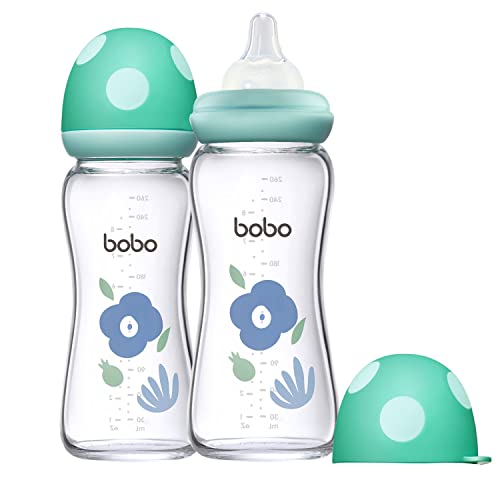
YOHKOH Glass Baby Bottles 8.8oz 2-Pack

Philips Avent Glass Baby Bottles 8 oz 3-Pack

Philips Avent Natural PPSU Bottles 9 oz

Oberni Glass Baby Bottle 5 oz Pink

Philips Avent Natural Glass Bottles 8 oz

Gulicola Glass Baby Bottles 5 oz 4-Pack
What Each Pick Brings To The Table
Four bottles give a feeding rotation enough room to wash one while another is in use, making this set practical for households that bottle-feed throughout the day. The 8.8-ounce size offers more capacity than the smaller formats on the YOHKOH line, which may suit a baby who takes larger feeds as they grow.
Borosilicate glass is a heat-tolerant glass type often used for kitchen vessels because it handles temperature changes better than ordinary glass. The clear body and printed measurement scale make it easy to monitor the amount remaining, although every bottle needs careful handling around a busy sink.
The Upside
- Four bottles reduce the interruption caused by washing a bottle after every feed.
- The listed 8.8-ounce format uses a medium-flow nipple intended for babies at least three months old.
- Food-grade silicone has a soft surface that suits a gentle sucking action.
- A pressure-regulating valve in the nipple is designed to help keep air separate from milk.
Things To Consider
- Glass adds weight compared with a lightweight plastic bottle, especially during one-handed nighttime feeding.
- Top-rack dishwasher placement is required for the listed cleaning method.
Key Specs
Made For Newborns
This set is best for caregivers who want several glass bottles and have a baby over three months who is ready for medium-flow feeding.
Where Another Pick Suits Better
The Oberni Glass Baby Bottle 5 oz Pink may suit you better when a newborn-sized slow-flow bottle and a single-bottle setup take priority.
Two bottles create a simple rotation without requiring the full four-bottle YOHKOH set. That makes this version more practical for limited storage space, travel, or families that primarily use one bottle and keep another nearby for washing.
The 8.8-ounce glass body and medium-flow silicone nipple closely match the larger configuration in the four-bottle set. For a baby at least three months old, that combination may look more useful than a smaller slow-flow bottle, provided glass weight and careful handling suit your feeding space.
A Favorable Mix
- The two-bottle format creates a workable clean-and-dry rotation.
- Clear glass makes the remaining milk level easy to see.
- The pressure-regulating nipple is designed to help separate milk from air during sucking.
Points To Note
- Two bottles provide less backup than the related four-pack during a demanding feeding day.
- The listed medium flow is intended for babies at least three months old, so it does not suit the earliest stage.
- Glass requires a secure, uncluttered washing area because of its weight and breakability.
Feature Snapshot
Right Fit For Small Families
This two-pack suits caregivers who want a larger glass bottle, medium flow, and a smaller rotation than the four-bottle YOHKOH option.
Consider Something Else When
The YOHKOH Glass Baby Bottles 8.8oz 4-Pack fits you better when several ready-to-use bottles matter more than compact storage.
The Philips Avent Glass Baby Bottles 8 oz 3-Pack center their feeding design around a Natural Response nipple. The shape releases milk as the baby sucks, allowing the infant to control the pace rather than receiving a constant stream, which can be reassuring during combination feeding.
Three bottles form a useful middle ground between the compact YOHKOH two-pack and the larger four-bottle YOHKOH set. The 8-ounce size may handle everyday feeds well, though caregivers moving between breast and bottle should consider how the wider breast-shaped nipple feels to their baby.
Strengths Worth Knowing
- The feeding-paced nipple supports a more natural pause-and-resume rhythm.
- Three bottles support a rotation without creating the largest storage footprint here.
- The wide, breast-shaped nipple may ease transitions between breast and bottle feeding.
Minor Gripes
- Glass adds weight compared with the PPSU alternative in this list.
- The 8-ounce capacity may be more than some early-stage babies need.
Who Will Love This
This set is well suited to combination-feeding caregivers who value a paced nipple and want three 8-ounce glass bottles.
A Better Fit Elsewhere
The Gulicola Glass Baby Bottles 5 oz 4-Pack may suit you better when a newborn-specific extra-slow flow takes priority over a paced 8-ounce design.
These bottles break from the glass theme in a useful way. PPSU is a heat-resistant plastic that offers a glass-like appearance with less weight, making the set easier to pack for a weekend trip or carry through a crowded airport.
The two 9-ounce bottles include medium-flow Flow 3 nipples, while the Natural Response design lets the baby regulate milk flow. Compared with the Philips Avent Glass Baby Bottles 8 oz 3-Pack, this set trades three glass bottles for two larger, lighter ones.
Positive Points
- The lightweight PPSU body reduces the load in a diaper bag.
- Two 9-ounce bottles provide useful capacity for larger feeds.
- Flow 3 medium nipples suit babies ready for a medium feeding pace.
- The no-drip nipple is designed to reduce leakage during pauses.
Trade Offs
- This is a plastic bottle rather than a glass option, so it does not meet a strict glass-material preference.
Core Details
Best Suited To Travel
This set suits caregivers who want break-resistant feeding gear, larger bottles, and less weight during travel.
Reach For A Different Pick When
The Philips Avent Natural Glass Bottles 8 oz suit you better when a glass body is nonnegotiable and a three-bottle rotation is useful.
The Oberni Glass Baby Bottle 5 oz Pink focuses on a newborn-sized slow flow and a wide neck that makes filling and washing easier. Its 5-ounce size may be a sensible starting point for a baby with a smaller appetite, especially during frequent early feeds.
A breast-shaped silicone nipple supports a familiar latch for babies moving between nursing and bottle feeding. The anti-colic system is intended to reduce swallowed air, while the contoured cap opens with a thumb press, which helps during less coordinated late-night moments.
Where It Delivers
- Slow flow is suited to babies developing a new feeding rhythm.
- The wide neck simplifies filling, washing, and steam cleaning.
- The streamlined body gives a small baby an easier grip.
Where It May Fall Short
- One bottle provides no rotation during continuous bottle use.
- The 5-ounce capacity may become limiting as feeds increase.
- Glass still calls for a secure washing area and careful handling.
Technical Highlights
Built With In Mind
This bottle suits caregivers of newborns or preterm babies who need a slow-flow nipple, smaller capacity, and wide cleaning opening.
Swap It Out When
The Gulicola Glass Baby Bottles 5 oz 4-Pack may suit you better when four bottles and extra-slow nipples are needed for a newborn rotation.
Eight ounces gives this bottle enough capacity for many routine feeds without moving into the larger 9-ounce PPSU format. The borosilicate glass body also handles the warm-up, washing, and sterilizing tasks that come with regular bottle use.
Its Natural Response nipple follows the same feeding-paced concept as the three-pack Philips Avent Glass Baby Bottles 8 oz 3-Pack. The difference is that this listing centers on a single 8-ounce format, so check the included quantity before planning a multiple-bottle rotation.
Good Reasons To Consider
- The 8-ounce capacity sits in a practical range for routine feeds.
- Borosilicate glass tolerates the heating and thermal changes involved in bottle preparation.
- The paced nipple and breast-shaped design support familiar combination feeding.
Practical Considerations
- Glass is heavier and easier to break than the Philips Avent PPSU bottles.
- Confirm the quantity included in the listing before counting on a three- or four-bottle rotation.
The Right Fit For Home Feeding
This bottle suits home-focused caregivers who want an 8-ounce glass design with a paced nipple for combination feeding.
Look Elsewhere When
The Philips Avent Natural PPSU Bottles 9 oz suit you better when low weight and break resistance matter more than using glass.
Four 5-ounce bottles give you a generous rotation without moving to the 8-ounce and 9-ounce formats found elsewhere in the list. The extra-slow flow is aimed at newborns, making this set particularly relevant during the earliest stage of bottle feeding.
The borosilicate body provides clear visibility, while the nipple’s guided points are designed to encourage a consistent latch. Storage caps are also included, so you may have a place to protect the nipples and openings while the remaining bottles are not in use.
Positive Takeaways
- Four bottles make early feeding rotations much easier to manage.
- Extra-slow flow is specifically intended for newborns.
- Each bottle has a 5-ounce capacity suited to smaller feeds.
- Included storage caps protect openings between uses.
- The clear glass body makes milk levels easy to observe.
The Fine Print
- The smaller capacity may need replacing with larger bottles as your baby’s feeds increase.
Quick Facts
Whose Shelf It Belongs On
This four-pack suits caregivers preparing a dedicated bottle set for a newborn who needs extra-slow flow.
Where A Sibling Pick Shines
The YOHKOH Glass Baby Bottles 8.8oz 4-Pack suits you better when a larger 8.8-ounce bottle and medium-flow nipple are more useful.
What To Prioritize Before You Buy
Capacity That Matches Real Feeds
The right capacity is tied to how much your baby usually takes, not the largest amount the bottle can hold. A 5-ounce bottle may be useful for a newborn or smaller feed, while 8-ounce and 9-ounce options can reduce the number of refills during a growing baby’s meal. You can also compare the same attribute across the YOHKOH, Oberni, Gulicola, and Philips Avent sets without changing your entire routine.
Nipple Flow And Feeding Rhythm
Flow describes how quickly milk comes through the nipple. Slow and extra-slow nipples are intended for newborns, while medium flow suits babies developing a stronger sucking rhythm. Natural Response designs add another layer by releasing milk in response to sucking, which may be helpful during combination feeding.
Glass Weight And Cleaning Space
Borosilicate glass provides clear visibility and handles temperature changes well, but it is heavier than PPSU. Account for the space needed to wash and dry several bottles, and keep glass away from the edge of a sink. The Philips Avent Natural PPSU Bottles 9 oz make more sense when portability and reduced weight take priority.
The Parts You Will Actually Clean
Fewer components usually make a bottle easier to assemble and wash. Wide necks also improve access to the interior, while top-rack dishwasher compatibility, steam, boiling water, and sterilizer options determine which cleaning routine fits your kitchen.
Common Mistakes Worth Dodging
Mistakes Worth Dodging
Choosing a large bottle before considering the baby’s typical feed can leave you preparing and storing more milk than needed. Check the nipple flow alongside the capacity, and confirm the number of bottles in the set before building a rotation.
What Separates Premium From Basic
The extra expense may reflect the bottle material, valve design, nipple shape, storage caps, or quantity in the set. A larger four-bottle package offers convenience, while PPSU provides lower weight; neither difference matters more than your baby’s flow and your handling preferences.
Frequently Asked Questions
Are Glass Baby Bottles Better Than Plastic Bottles?
Glass baby bottles offer clear visibility and strong heat tolerance, while PPSU bottles are lighter and less likely to break. Your cleaning routine, feeding location, and handling preferences determine which tradeoff matters more.
What Size Glass Baby Bottle Is Best for a Newborn?
A 5-ounce bottle is often the more practical starting size because many newborn feeds are smaller. Flow matters too, so look for a slow or extra-slow nipple intended for the earliest stage.
How Do You Clean Glass Baby Bottles?
Follow the listed cleaning method for the bottle you choose. The YOHKOH and Oberni options support top-rack dishwasher use, while boiling water and steam are also supported for the Oberni bottle.
Do I Need Multiple Glass Baby Bottles?
Multiple bottles make a rotation easier because one can be washed while another is ready. Two bottles provide a basic system, while four offer better coverage during frequent feeding days.
What Nipple Flow Should a Newborn Use?
Newborns generally benefit from a slow or extra-slow flow that matches their developing sucking strength. A medium-flow nipple is more appropriate once your baby is listed for that stage.
Wrap Up
The right glass bottle comes down to capacity, nipple flow, and how many bottles your routine needs. A compact two-pack works for simple rotations, four-bottle sets handle frequent feeding days, and the Philips Avent PPSU option stands apart when lower weight matters more than glass. Check the included quantity and flow level before ordering, then choose the set that fits your baby and your sink.
