

Milk splashes across the high chair whenever your child tips the cup, and tiny straws hide milk residue in places you rarely check. These cups for babies, toddlers, and young children approach spill control, drinking flow, cleaning, and handling in different ways, so the most useful choice depends on your child’s age and your daily routine.
The Leading Options At A Glance

GROSMIMI PPSU Baby Straw Cup 10oz Beige

The 730 Project Honey Bear 3-Pack

Thyseed PPSU Weighted Straw Cup with Handles, Soft Silicone Spout, 10oz, 6+ Months

Special Supplies Honey Bear Straw Cup 4-Pack Animal Designs
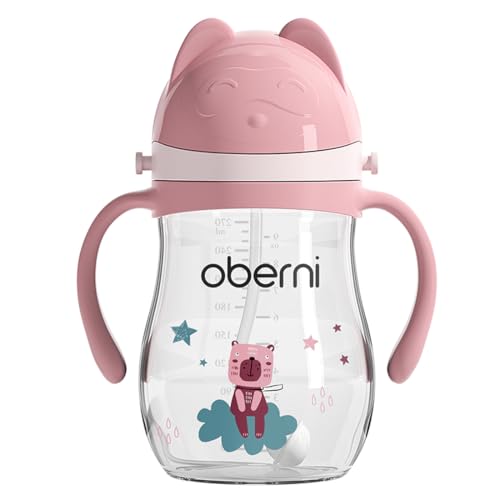
Oberni Leakproof Sippy Cup with Weighted Straw, Tritan, 9oz, Pink

The 730 Project Mighty Masher
The 730 Project Honey Bear Pack
A Deeper Look At The Lineup
Milk tends to reveal every weakness in a toddler cup, especially when a small hand tips it across a tray. This 10-ounce GROSMIMI model uses a cross-cut straw and rotating silicone handles to keep drinking under control as your child learns, though exact spill resistance will depend on how firmly the cup is held.
Two interchangeable straw stages make this a longer-term option than a single-straw cup. The soft Stage 1 straw suits children starting at six months, while the firmer Stage 2 resists biting as chewing develops, a useful contrast to the fixed straw on The 730 Project Honey Bear 3-Pack.
Noteworthy Benefits
- PPSU and silicone form the drink-contacting parts without metal in the drinking path.
- Fully separated parts make narrow straws and handles easier to reach during cleaning.
- Handles rotate through 360 degrees, giving small hands more comfortable positions.
- Top-rack dishwasher, microwave, boiling, and steam cleaning are all supported.
Things To Consider
- The 10-ounce size may feel larger for babies who drink only small amounts at a time.
- Two straw stages add parts to organize, so check that your dishwasher basket has room.
Quick Facts
Made For First Sips
This cup suits families starting straw use around six months who want a soft first stage and a firmer replacement for later chewing.
A Better Fit Elsewhere
The 730 Project Honey Bear 3-Pack is the better fit for households wanting three squeezable cups and several spare straws.
Three bear-shaped cups solve more than a single mealtime problem. You can rotate cups between the kitchen, diaper bag, and car, while the six included straws provide a manageable replacement supply for a home learning cup.
The squeezable 8-ounce body is easier to grip than a rigid handled design, although the fixed straw differs from the GROSMIMI cup’s replaceable stages. That makes this set especially useful for families that value having several cups over managing multiple straw sizes.
Points In Its Favor
- Three cups support separate drink locations or staggered rotations.
- The integrated lid avoids loose cap pieces that can chip or break.
- Airtight straws resist pulling out during normal handling.
- Six straws and a dedicated cleaner simplify ongoing maintenance.
Minor Gripes
- The lid is described as leak-resistant rather than fully sealed, so careful handling still matters.
- Each cup holds 8 ounces, which may be more than younger babies drink at once.
- The bear shape adds visual character, though it does not suit every child’s preferences.
Key Details
Built With In Mind
This set works well for families starting straw use around four months who need multiple cups for home, travel, and daycare.
Where A Sibling Pick Shines
The GROSMIMI PPSU Baby Straw Cup 10oz Beige is the better fit for children who need softer and firmer straw stages as their chewing develops.
Moving from a bottle can feel unpredictable, and the Thyseed cup approaches that transition with a breast-inspired silicone spout rather than a rigid straw. The soft texture may make acceptance easier for a child who resists unfamiliar mouth shapes, though each child adapts differently.
Its one-piece body is simpler than the GROSMIMI model’s separated straw stages. A V-shaped valve regulates flow as the child sucks, while the two handles give a 10-ounce cup a steadier grip during a shaky first attempt.
The Practical Payoff
- The soft silicone spout offers a gentle starting point for bottle transition.
- A flow-control valve supports a measured sip rather than a free-flowing stream.
- The molded one-piece construction has fewer joints where residue can collect.
- The included brush reaches inside the drinking spout.
Practical Considerations
- Your child may prefer a conventional straw after mastering the soft spout.
- The 10-ounce capacity may be more than necessary for short feeds.
Feature Snapshot
The Right Fit
This cup best suits children moving from bottle or breast feeding to a handled cup with a gentle, regulated flow.
Another Choice May Suit
The GROSMIMI PPSU Baby Straw Cup 10oz Beige fits families specifically seeking a cross-cut straw with two firmness stages.
A monkey, lion, kitty, and bunny give this four-cup set more personality than the uniform blue bear configuration. That visual variety can make cup practice feel like a small activity rather than another step in the day, particularly for a child drawn to animal shapes.
The enclosed lids and flexible plastic bodies are designed for self-drinking practice, with ten reusable silicone straws included. Compared with the 8-ounce The 730 Project cups, this set offers more character choices but specifies hand-wash cleaning rather than dishwasher use.
Notable Upsides
- Four animal designs give each child a recognizable cup.
- Ten reusable straws provide extras for home, daycare, and replacements.
- A bottle brush and four straw cleaners cover several cleaning tasks.
- Flexible cups and silicone straws are easy for small hands to manipulate.
Small Caveats
- Hand-washing adds a cleanup step compared with dishwasher-safe models.
- The plastic and silicone pieces may occupy more cabinet space than a single cup.
- Children with specific feeding plans should follow their pediatric team’s guidance.
Who Should Grab It
This set suits families that want character-focused cups for babies and young children practicing self-drinking.
Look Elsewhere When
The 730 Project Honey Bear 3-Pack is the better fit when dishwasher cleaning and squeezeable 8-ounce cups matter more than animal designs.
A cup that stays useful while a toddler changes position needs more than a standard straw. The Oberni design uses a weighted straw that remains aligned with the liquid as the cup tilts, allowing a child to sip while standing, sitting, or reclining.
A flip-top lid and V-shaped valve add a second layer of spill control, and the removable carrying strap suits short outings. This rigid 9-ounce design contrasts with the squeezable The 730 Project Honey Bear cups, offering a more structured setup for an active toddler.
Where It Excels
- The weighted straw stays positioned as the drink level changes.
- Double sealing combines a flip-top cover with a sip valve.
- A non-slip handle gives small hands a firmer grip.
- The carrying strap supports travel between home and destinations.
- Every component separates for cleaning and sterilization.
Factors To Consider
- Check the age marking before use, since the listing is aimed at children 12 months and older.
- The flip-top and valve create more parts than the one-piece Thyseed design.
At A Glance
Best Suited To
This cup fits toddlers who drink in changing positions and need a secure handle, weighted straw, and travel strap.
Swap It Out When
The Thyseed PPSU Weighted Straw Cup is the better fit for a child who needs a softer spout and a simpler one-piece body.
The Mighty Masher is a mealtime companion rather than a drinking cup, but it completes a practical setup for baby-led weaning. Its small stainless-steel head reaches into a mason jar, where families can mash a modest portion of banana, avocado, potato, or another cooked ingredient directly in the container.
Unlike the smooth purée produced by a blender, this tool leaves more texture in the food. That works well when your child is moving toward softer lumps, though a fully smooth texture requires another preparation method.
Practical Advantages
- The compact head fits through a standard mason-jar opening.
- High-carbon stainless steel provides a rust-resistant, durable tool body.
- One masher handles baby portions, guacamole, egg salad, and larger servings.
- Dishwasher cleaning reduces the effort after repeated food preparation.
Worth Noting
- The remaining texture may be unsuitable when a completely smooth consistency is needed.
- It does not replace a straw cup for drinking practice.
Technical Notes
Whose Shelf It Belongs On
This tool suits parents preparing small, textured portions during baby-led weaning and serving them alongside a transition cup.
Reach For A Different Pick When
The GROSMIMI PPSU Baby Straw Cup 10oz Beige is the better fit when your priority is drinking from a handled cup rather than preparing food.
Milk residue and missing straw parts can make an otherwise useful cup feel ready for replacement. This accessory bundle supplies four straws and two travel lids for The 730 Project Honey Bear cup, along with a 9-inch bottle brush and two narrow straw cleaners.
It is not a complete drinking cup, so your existing bear cup is required. For families that already own the matching design, the bundle turns lost parts and everyday cleaning into one organized maintenance kit.
The Case For It
- Four replacement straws cover routine wear and multiple cup locations.
- Two travel lids support drinks carried away from home.
- The replaceable brush head reaches narrow areas of the bear bottle.
- Two straw cleaners target the interior tubes that ordinary brushes can miss.
Less Ideal Details
- No drinking cup is included, so this bundle is not a starting set.
- Compatibility centers on The 730 Project bear cup rather than generic straw cups.
Made For Small Hands
This pack suits existing Honey Bear cup owners who need spare straws, travel lids, and dedicated cleaning tools in one place.
Consider Something Else When
The 730 Project Honey Bear 3-Pack is the better fit for families needing complete cups rather than replacement parts.
What Matters in a Child’s Straw Cup
Spill Control and Drinking Position
A cup that remains upright is easier for a beginner, while a weighted straw can stay aligned with the liquid as the container tilts. Consider your child’s posture and grip: a bottle-shaped handle may help during transitions, whereas a squeezable body gives small hands a different way to hold the cup.
Cleaning the Drinking Path
Milk leaves residue in straws, valves, and narrow lid openings. Fully separated components and an included narrow brush simplify cleanup, while dishwasher-safe parts save time during busy evenings. Check the cleaning method before purchasing, as some cups require hand washing.
Straw or Soft Spout
A cross-cut straw can support a controlled sip, while a soft silicone spout may offer a gentler transition from bottle feeding. Your child’s response matters more than any single design feature. A child who grips a spout but resists hard straws may do better with the opposite approach, and vice versa.
Capacity and Portability
An 8-ounce cup is compact for daycare and short outings, while a 10-ounce cup holds a larger drink for home or longer activities. A carrying strap adds mobility, but extra parts require a place in the diaper bag and enough room for complete disassembly during cleaning.
Practical Notes Before You Choose
Mistakes Worth Dodging
Do not choose solely by the character design, since the drinking system matters more after a few weeks of use. Check age guidance, capacity, cleaning methods, and replacement-part compatibility before ordering. A cup that suits your child’s grip but leaves milk trapped inside an inaccessible tube may create more cleanup than the spill control solves.
What Separates Premium From Basic
Higher-tier cups commonly add rotating or non-slip handles, multiple flow stages, easier disassembly, or coordinated cleaning accessories. Those features help most when your child is still learning or when spills would disrupt a specific routine. A basic squeezable cup remains sensible for straightforward straw practice and smaller households.
Frequently Asked Questions
Are milk straw cups suitable for babies at six months?
Milk straw cups can suit babies around six months, but age guidance varies by model. The GROSMIMI Stage 1 straw is intended for 6+ months, while the Thyseed cup also lists 6+ months.
Which cup on this list is easiest to disassemble?
The GROSMIMI PPSU Baby Straw Cup 10oz Beige separates into individual parts and supports several cleaning methods. Its two straw stages mean you will have more pieces to organize, but each narrow section becomes easier to reach.
Do weighted straws make cups better for toddlers?
Weighted straws can help because they remain aligned with the liquid as a cup tilts. The Oberni 9oz cup is a practical option for children who drink while standing, sitting, or reclining.
Are honey bear cups better than handled transition cups?
Honey bear cups favor squeezing, while handled cups provide a more conventional grip. Your child’s hand strength and preference will determine which style feels easier to manage.
Can the Honey Bear accessory pack replace a missing cup?
No, the accessory pack includes straws, lids, brushes, and cleaners rather than a complete cup. You need a compatible Honey Bear cup to use the replacement parts.
Final Verdict
Start with the GROSMIMI cup for a soft first straw and room to graduate, the The 730 Project 3-Pack for several household cups, or the Oberni model for weighted-straw drinking in changing positions. Match the cup to your child’s grip, age, and cleaning routine, then let repeated practice determine what works best.
