

Getting a newborn’s supplement routine right can feel surprisingly complicated. The liquid must be easy to administer, the formula must suit your baby’s needs, and the label should make sense without a chemistry degree. Your pediatrician’s guidance should come first, especially when breastfed babies receive separate vitamin D, iron, or multivitamin products. The six options below cover different formats and nutrient combinations to help you make a more informed comparison.
How The Shortlist Stacks Up
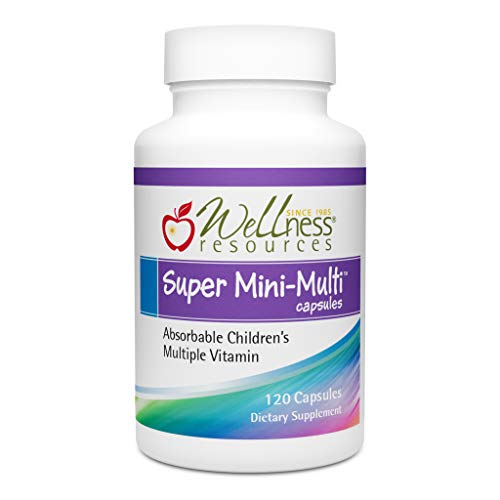
Super Mini-Multi Children’s Multivitamin with Methyl Folate, 120 Capsules

Carlson Super Daily D3 Drops

Feel Great Kids Multivitamin Gummies

MARYRUTH’S Infant Vitamin Drops

Wellements Baby D3 Drops Newborn+

Wellements Organic Infant Iron Drops
A Closer Look At Each Pick
The capsule format makes this a realistic fit for older children rather than newborns. It suits families moving beyond liquid supplements and seeking a broad vitamin profile that includes methyl folate, methyl B12, coenzyme B vitamins, and iron bisglycinate.
Its ingredient restrictions also appeal to families who avoid unnecessary sweeteners, dairy, gluten, and artificial colors or flavors. For a newborn, though, the swallowable format is the deciding limitation, and professional guidance remains essential.
A Few Highlights
- Methyl folate and methyl B12 provide already-methylated forms of these B vitamins.
- Iron bisglycinate adds a form of iron described as highly absorbable and gentle on the stomach.
- The broad formula suits older children who have moved beyond infancy.
- Vegetarian capsules contain no sweeteners, gluten, dairy, or artificial colors and flavors.
Things To Consider
- Young babies may not be able to swallow the capsules reliably.
- Moisture can cause spotting on capsules, so keep the bottle closed with its desiccant in a dry place.
Feature Snapshot
Made For
This option suits families with older children who can swallow capsules and need a broad multivitamin profile.
A Better Fit Elsewhere
MARYRUTH’S Infant Vitamin Drops offer a more practical liquid format for a baby who cannot swallow capsules.
Where Super Mini-Multi offers broad capsule coverage, Carlson narrows the focus to vitamin D3 in a concentrated liquid. The drops can be mixed into food or a drink, making the format straightforward for families seeking a targeted nutrient rather than a complete multivitamin.
This is a more specialized choice for your household. The label lists support for teeth, bones, muscles, and calcium absorption, while its vegetarian, non-GMO, dairy-free formula adds practical appeal.
What Works In Its Favor
- The concentrated D3 format avoids the complexity of a broad multivitamin.
- Liquid drops can be incorporated into food or a drink.
- The formula is vegetarian, non-GMO, dairy-free, and unflavored.
- Independent laboratory review focuses on potency and quality.
Honest Caveats
- This product supplies one targeted nutrient instead of a broad multivitamin profile.
- The concentrated labeling makes age-specific professional guidance especially important.
- A drop bottle requires careful storage and handling to prevent spills.
Right Fit For
This option suits families seeking a concentrated D3 liquid after their pediatrician identifies a specific need.
Consider Something Else When
Wellements Baby D3 Drops Newborn+ may align more closely with a newborn-specific routine and age-oriented label.
Where Carlson focuses on one nutrient in liquid form, Feel Great Vitamin Company uses a chewy format for children. Citrus and strawberry flavors make the gummies feel more like a treat, which can help a child become comfortable with a regular supplement routine.
The formula combines zinc, iodine, B vitamins, vitamin D, and vitamin C in a product made in the USA under cGMP manufacturing standards. It fits children ready to chew gummies, not infants who need a liquid.
A Few Strong Suits
- Two fruity flavors make the format more approachable for picky children.
- The nutrient mix covers several everyday needs in one product.
- Natural fruit sweetness replaces the harder experience of swallowing pills.
- The formula is made without gluten and bottled in the USA.
Practical Considerations
- Gummies require chewing and are not suited to newborn feeding routines.
- A flavored supplement may encourage children to ask for gummies outside the intended routine.
Quick Facts
Who Will Love This
This choice suits families with toddlers or older children who readily chew gummies and prefer a fruity format.
Not Your Match When
MARYRUTH’S Infant Vitamin Drops suit infants more closely because they use a liquid rather than a chewy gummy.
Beyond the gummy routine, MARYRUTH’S offers a straightforward liquid multivitamin designed for infants. The orange-vanilla flavor and drop format address two common feeding challenges: a product that must be swallowed and one with an unpleasant taste.
Its formula includes vitamins A, B, C, D, and E plus zinc, making it a broader choice than a single-nutrient D3 product. Your pediatrician can also help determine whether that breadth is appropriate alongside your baby’s feeding plan.
What Makes Sense
- Broad vitamin and mineral coverage fits a multivitamin routine.
- The liquid format is more practical for infants than capsules or gummies.
- Orange-vanilla flavor may make administration easier.
- Vitamin D3, vitamin C, and zinc each serve defined roles in the formula.
Points To Note
- A broad multivitamin may overlap with other nutrition your baby receives.
- The liquid must be measured carefully and stored away from curious hands.
Core Details
The Right Fit
This option suits parents seeking a broad liquid multivitamin for an infant rather than a single nutrient.
Look Elsewhere When
Wellements Organic Infant Iron Drops suit families whose pediatrician has identified iron as the specific nutrient to address.
Narrowing the search from a full multivitamin to one nutrient makes the comparison much easier. Wellements Baby D3 Drops Newborn+ is formulated around vitamin D3 in an organic liquid for newborns, toddlers, and young children.
The liquid can be placed on a nipple or pacifier, or mixed with milk, juice, or food. That flexibility is useful during the unpredictable early weeks, although your pediatrician should guide the routine.
A Favorable Mix
- The newborn-oriented label directly addresses the youngest feeding stage.
- Several serving methods make the liquid easier to incorporate into a routine.
- Glass packaging contains vitamin D3, organic olive oil, and medium-chain triglyceride oil.
- The product is organic, non-GMO verified, and made without preservatives, gluten, artificial colors, or artificial flavors.
Details To Watch
- This is a focused D3 product, not a broad multivitamin.
- The manufacturer advises against placing the liquid directly into a baby’s mouth.
Built With In Mind
This choice suits families of breastfed newborns who have been advised to consider vitamin D and prefer a flexible liquid format.
Swap It Out When
MARYRUTH’S Infant Vitamin Drops suit you better when you want a broader vitamin and mineral profile instead of D3 alone.
While Wellements Baby D3 Drops Newborn+ addresses one vitamin, this companion formula focuses on iron for infants and toddlers. The liquid comes in glass packaging with a dispenser and a cherry flavor, making it more approachable than a plain mineral supplement.
Iron contributes to hemoglobin, the protein in red blood cells that carries oxygen throughout the body. That role explains why iron may become a particular point of discussion during early-life nutrition planning.
The Good Stuff
- The formula targets a specific mineral rather than offering a broad multivitamin.
- Cherry flavor can make the liquid easier to accept.
- The included dispenser supports controlled administration toward the inner cheek.
- Glass packaging and organic ingredients suit families focused on simple product profiles.
Worth Bearing In Mind
- Iron belongs in a routine only when your baby’s needs have been assessed.
- The glass bottle and liquid dispenser require careful handling during busy changes.
- Any other iron-containing supplement should be considered to avoid accidental duplication.
Key Attributes
Whose Shelf It Belongs On
This option suits families whose pediatrician has identified supplemental iron as part of an infant’s routine.
Another Choice May Suit
Wellements Baby D3 Drops Newborn+ suit families seeking targeted vitamin D rather than iron supplementation.
How to Match a Newborn Supplement to Daily Care
Start With Pediatric Guidance
Your baby’s feeding method, age, diet, and any existing supplements determine what may be appropriate. Bring the product label to your pediatrician, especially when you are considering more than one vitamin or mineral formula.
Match the Nutrient to the Need
A multivitamin covers several nutrients, while a focused product addresses one. MARYRUTH’S Infant Vitamin Drops offer broad coverage, while Wellements Baby D3 Drops Newborn+ and Wellements Organic Infant Iron Drops suit more specific professional guidance.
Consider the Format
Liquid drops fit infancy more closely than capsules or gummies. Think about how the product will be administered, whether your baby accepts its flavor, and whether the bottle will be easy to handle during a routine.
Read the Complete Label
Check the nutrient list, ingredient profile, age wording, and storage directions before purchase. A narrower product may complement a feeding plan better than a broad multivitamin, but only your child’s healthcare professional can judge that combination.
Two Mistakes Worth Sorting Out Early
Mistakes Worth Dodging
Do not choose a gummy for a baby who cannot chew, or combine several nutrient products without checking the labels. Broad wording such as “immune support” can also distract from the narrower question of which nutrients your baby actually receives.
Where The Extra Money Goes
Higher-priced formulas may spend more on nutrient sourcing, manufacturing standards, testing, packaging, or specialized administration formats. Those features matter when they solve a specific issue for your baby, such as a narrower age range or a more practical delivery method.
Frequently Asked Questions
Are newborn vitamins necessary for every baby?
Not every baby needs the same supplement. Feeding method, diet, age, and medical guidance determine which nutrients may be appropriate.
When should I ask a pediatrician before using a supplement?
Ask before starting any vitamin or mineral product for a newborn, toddler, or child with a medical condition. A qualified pediatric clinician can help prevent overlapping nutrients and match the routine to your baby’s needs.
Are multivitamin gummies suitable for babies?
Gummies require chewing, so they generally fit toddlers and older children rather than newborns. The Feel Great Kids Multivitamin Gummies option is better viewed as a children’s format than an infant product.
Can newborn vitamin D drops be mixed into a feeding routine?
Wellements Baby D3 Drops Newborn+ can be mixed with milk, juice, or food, or placed on a nipple or pacifier. Your pediatrician should confirm its role in your baby’s routine.
What should I check before choosing newborn vitamins?
Check the intended age, nutrient list, ingredient profile, delivery method, and storage instructions. You should also compare the product with anything else your baby receives.
Final Verdict
Your baby’s needs and feeding routine should determine the format, not novelty or packaging alone. Liquids offer the most practical fit for infancy, while focused products make more sense when your pediatrician identifies a specific need. Compare the labels, keep the full routine in view, and choose the simplest option that fits the guidance you receive.
