

Spring pollen sends many families searching for relief from sneezing, itchy eyes, and a runny nose, while adults often want a convenient daily option that won’t interfere with school, work, or sleep. The choices below include children’s chewable tablets and grape-flavored syrup alongside herbal softgels, combined systems, and a compact liquid extract. Compare the labeled uses, formats, and ingredients, then consult a qualified healthcare professional for guidance tailored to your household.
A Closer Look At The Lineup

Ohm Bubblegum Chewable Allergy Tablets

Herbs Etc. ReLeaf System
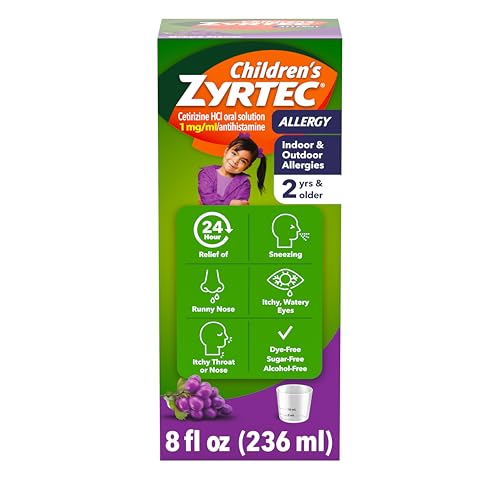
Children’s Zyrtec Grape Syrup

Herbs Etc. ReLeaf System

Herbs Etc. Allertonic

Herbs Etc. Allertonic Liquid
More On The Choices That Made The List
Getting a child to take allergy medicine can turn an ordinary school morning into a small negotiation. These bubblegum-flavored chewable tablets offer a more familiar format than a liquid, with labeling for children ages 2 and older.
Compared with the syrup in the third pick, the chewable format may suit children who dislike the texture or taste of liquid medicine. The label describes 24-hour, non-drowsy relief for hay fever and other upper respiratory allergies, including sneezing, runny nose, nasal or throat itching, and watery eyes.
The Value In It
- The bubblegum flavor makes the tablets more approachable for children.
- Chewable tablets avoid the measuring step required by the syrup option.
- Labeled for children ages 2 and older, based on their age group.
- Each tablet may be chewed or crushed before swallowing.
Worth Noting
- Crushed tablets still need an appropriate way to swallow, so children with swallowing difficulties need extra attention.
- Check with a qualified healthcare professional before combining allergy products.
Key Specs
Made For
This option fits families seeking a non-drowsy chewable product for a child who handles tablets more easily than liquid.
Where Another Pick Suits Better
Children’s Zyrtec Grape Syrup may make more sense for a child who strongly prefers grape-flavored liquid over chewable tablets.
A two-part routine can appeal to adults who prefer coordinated products rather than managing several separate supplement bottles. This system pairs Allertonic softgels with Quercetin AllerReLeaf tablets, both positioned for non-drowsy seasonal support.
Unlike the single-formula Allertonic option, this set gives you two complementary formats and ingredients. The listed botanical blend includes mullein, eyebright, stinging nettle, and other plant-based ingredients, making it most relevant to people specifically seeking a herbal wellness routine.
What Pays Off
- Combines two seasonal-support products in one set.
- Offers both softgels and tablets for a varied routine.
- The ingredient list gives shoppers clear plant-based alternatives to compare.
- Marketed as non-drowsy for use around normal daytime routines.
Trade Offs
- Two formulas create more packaging and scheduling than a single softgel product.
- Herbal support is not equivalent to a labeled over-the-counter allergy treatment.
- Anyone taking other medicines should ask a qualified healthcare professional about combining products.
Feature Snapshot
Right Fit For
This set fits adults who want a coordinated herbal routine and recognize that a supplement is different from a medicine with labeled symptom relief.
Another Choice May Suit
Herbs Etc. Allertonic suits people who want a simpler routine with one supplement rather than a coordinated two-product system.
Liquid allergy medicine can be a practical choice for children who dislike tablets or need a measured serving. This grape-flavored syrup comes in an 8 fl oz bottle and is labeled for 24-hour relief from indoor and outdoor allergens.
The familiar flavor and liquid format set it apart from the chewable Ohm option. For a family that already uses a liquid routine, the measuring cup may fit naturally into the morning routine, although storage and handling matter more than with a bottle of tablets.
What Works In Its Favor
- Grape flavor gives children a familiar option for liquid medicine.
- The labeled use covers both indoor and outdoor seasonal allergens.
- A liquid format suits children who will not take chewable tablets.
- The 8 fl oz bottle offers a straightforward household format.
Points To Note
- Accurate measuring is an added responsibility with syrup.
- Loose clothing and a washable surface can be useful around a child who spills liquid.
- Follow the product label and ask a qualified healthcare professional about combining allergy medicines.
Who Will Love This
This syrup fits households whose child accepts grape-flavored liquids and uses a measured routine for seasonal allergy symptoms.
Swap It Out When
Ohm Bubblegum Chewable Allergy Tablets may be easier for a child who handles tablets comfortably and dislikes liquid textures.
The smaller count makes this version of the ReLeaf System easier to assess for a seasonal routine that may be brief. It retains the same plant-based approach as the larger set, pairing softgels and tablets for general seasonal comfort.
Compared with the 120-count system, this option simply carries fewer units and may suit a household that wants less product on hand. The honest read is that format and count matter more here than a dramatic difference in use.
Practical Pluses
- Two product types support a coordinated routine.
- The smaller total count suits shorter seasonal periods.
- Plant-based ingredients fit wellness-focused preferences.
Some Limits To Know
- You still manage two separate products rather than one formula.
- Supplement ingredients may not suit every person or combination of medicines.
Built With In Mind
This version fits adults seeking the ReLeaf format in a smaller seasonal quantity.
Reach For A Different Pick When
The 120-count Herbs Etc. ReLeaf System may be more practical for a household expecting a longer routine without restocking as often.
Managing one bottle instead of a coordinated pair keeps the routine straightforward. These Allertonic softgels are positioned as a non-drowsy herbal supplement for seasonal changes, with support intended for healthy breathing, sinuses, and airways.
Stinging nettle and eyebright anchor the listed botanical blend. Unlike the ReLeaf System, this choice leaves the second formula out entirely, which may appeal to you because there is less to organize.
Positive Takeaways
- One bottle simplifies a daily supplement setup.
- Softgels offer a compact format for travel or storage.
- The formula is marketed as non-drowsy.
- A 120-count package supports an extended routine.
- Stinging nettle and eyebright provide recognizable listed botanicals.
Less Ideal Details
- It is a supplement rather than a medicine with specific symptom-relief labeling.
- You need to review the full ingredient panel for personal fit.
Technical Highlights
The Right Fit
This single-formula option fits adults who want a compact herbal supplement and prefer keeping seasonal routines uncomplicated.
Where A Sibling Pick Shines
Herbs Etc. ReLeaf System is the stronger fit when you specifically want coordinated softgel and tablet products in one seasonal set.
A small liquid bottle can be useful in a carry-on bag, desk drawer, or compact seasonal storage area. This vegan Allertonic extract comes in a 2 fl oz package with 59 listed servings and uses a traditional herbal approach for seasonal support.
Fresh mullein, stinging nettle, and eyebright form the featured ingredient blend. Compared with the 120-count softgel option, it takes less cabinet space, although the liquid format requires careful measurement according to its labeled directions.
Features That Help
- The 2 fl oz bottle is easy to store and carry.
- The package lists 59 servings for routine planning.
- Fresh mullein, stinging nettle, and eyebright are featured ingredients.
- The formula is labeled vegan and non-drowsy.
Possible Compromises
- Liquid extracts require more careful handling than softgels.
- The compact bottle may need closer replenishment than a large tablet supply.
Quick Facts
Whose Shelf It Belongs On
This extract fits travelers and apartment dwellers who value a small bottle more than the convenience of preformed softgels.
Consider Something Else When
Herbs Etc. Allertonic softgels may suit you better when portable capsules and simpler handling matter more than bottle size.
What Matters Before You Select Your Allergy Product
Start With the Product Category
An over-the-counter antihistamine and a herbal supplement serve different roles, so identify the type of product you want before comparing formats. Medication should be selected according to its label and advice from a qualified healthcare professional, while supplements should match your ingredient preferences and health needs.
Match the Format to Your Routine
Chewable tablets may fit a child who handles pills comfortably, while grape-flavored syrup may be easier for a child who prefers liquids. Adults can compare a coordinated two-product system, single-formula softgels, or a compact liquid extract based on storage, portability, and routine complexity.
Check Labels and Compatibility
Age guidance, active ingredients, serving information, and warnings deserve careful attention before use. Anyone who is pregnant, nursing, managing a health condition, or taking other medicines should speak with an appropriate healthcare professional before starting a new allergy product.
Two Details That Shape Your Decision
Mistakes Worth Dodging
Don’t choose solely by flavor, count, or the word “natural.” Check age guidance and labeled uses for medicines, then review every botanical in a supplement.
What The Extra Money Goes
A higher count or combined system costs more mainly because it supplies more units or more product formats. The extra cost is practical only when it matches your routine and reduces restocking or coordination.
Frequently Asked Questions
Can children use a chewable allergy product?
Some chewable products are labeled for specific age groups, including the Ohm tablets listed for ages 2 and older. Follow the package directions and ask a qualified healthcare professional for guidance about your child.
Are herbal allergy supplements the same as antihistamine medicines?
No, supplements and antihistamine medicines are different product categories with different labeling and intended uses. Discuss the distinction with a qualified healthcare professional before choosing one for symptom relief.
Should you use softgels or a liquid extract?
Softgels are simpler to carry and store without a separate measuring step, while a liquid extract requires careful measurement. Choose the format that you can use consistently and store safely.
What should you check before combining allergy products?
Review the complete labels and ingredient lists, especially for duplicate ingredients or other medicines in your routine. A qualified healthcare professional can help assess compatibility.
Which option is easiest for seasonal travel?
The 2 fl oz Allertonic liquid extract is the most compact choice in this lineup, while softgels offer the simplest handling. Your packing space and preference for measuring versus swallowing should guide the decision.
Wrap Up
The right seasonal allergy choice depends on the person using it. Children may respond better to a familiar chewable or grape-flavored format, while adults may prefer a simple softgel, compact liquid, or coordinated herbal system. Read the label closely, match the format to your household, and seek personalized guidance from a qualified healthcare professional.
