

A brace can make a physically demanding day feel more manageable, especially when you spend hours lifting, driving, standing, or moving around the house. The right low back support belt should fit securely without restricting normal movement, while the support structure matches your daily workload. These options range from slim everyday designs to reinforced work belts with suspenders, removable pads, and adjustable stays.
The Shortlist At A Glance

Rakiie Lower Back Brace, Orange, XXL

EGJoey Lumbar Support Belt

SOLOEVER Work Back Brace, Grey, X-Large

SOLOEVER Back Brace, Black, M

FREETOO Lumbar Support Brace
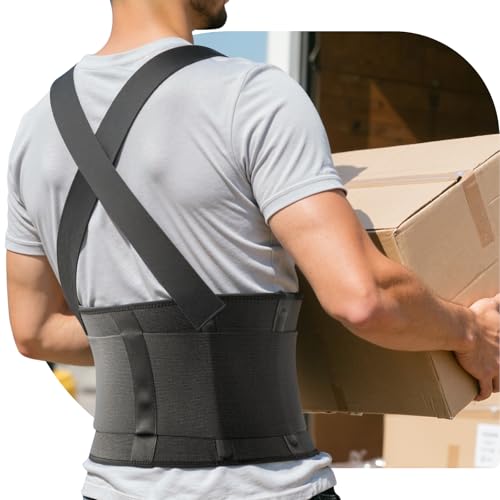
SOLOEVER Adjustable Work Brace
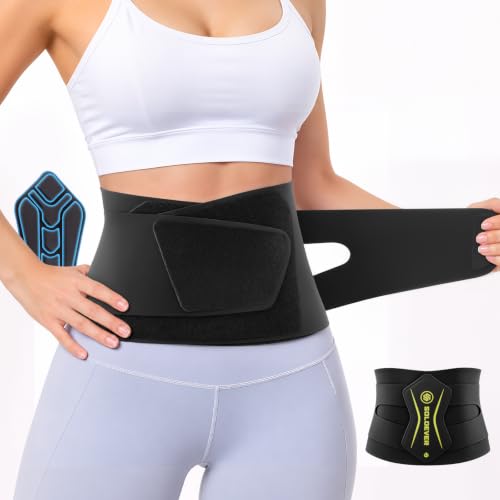
SOLOEVER Ultra Thin Back Brace
More Details On Our Top Picks
The Rakiie Lower Back Brace combines four memory aluminum alloy stays with a removable pad that follows the lumbar curve. That gives it more structure than a simple wraparound belt, making it useful during warehouse shifts, yard work, or long periods of standing. Unlike the suspender-style SOLOEVER options later in the list, this model keeps the support concentrated around your waist and lower back.
Two elastic side straps let you regulate compression, and the breathable knitted fabric should sit more comfortably during a warm shift than a thick, rigid wrap. For most people, wearing it over a light shirt is the more practical starting point because that reduces direct contact with the skin.
Useful Strengths
- Four memory alloy stays provide structured support without requiring suspender hardware.
- The removable 3D pad adds cushioning and can be repositioned around the lumbar area.
- Adjustable side straps accommodate different levels of compression.
- Breathable knit fabric suits extended wear during active work.
Points To Keep In Mind
- The XXL version is intended for a larger fit, so waist measurement matters more than pants size.
- Several stays and straps create a firmer feel than the slimmer FREETOO design.
Key Specs
Made For
You get the most benefit if you work on your feet, lift regularly, or want more structure than a soft compression belt.
Another Choice May Suit
The SOLOEVER Work Back Brace suits you better when suspender-style anchoring and tension adjustment are more important than low-profile construction.
The EGJoey Lumbar Support Belt stands apart through its interchangeable support system. You can use flexible steel supports or ABS supports, depending on whether you want more structure or a lighter setup. That flexibility makes it useful for someone moving between exercise, driving, and household tasks rather than wearing one brace for every situation.
The belt uses eight rear straps, a double-layer abdominal section, and adjustable compression to reduce shifting as you bend or walk. Compared with the Rakiie Lower Back Brace, the EGJoey offers more choice over the internal support pieces, although it does not emphasize a removable lumbar cushion in the same way.
Standout Benefits
- Steel and ABS support pieces can be exchanged to suit different support levels.
- Eight straps create several adjustment points around the waist and back.
- The double-layer abdominal design helps limit unwanted movement.
- Breathable, washable fabric suits exercise and other warm settings.
Worth Noting
- The many straps and removable pieces take more time to arrange than a simpler belt.
- Measure your waist at navel level, since the listed sizes span different body proportions.
At A Glance
Right Fit For
You benefit most from this belt if you want to switch between firmer and lighter support as your activity changes.
Consider Something Else When
The SOLOEVER Ultra Thin Back Brace is the better fit for you when a low-profile design matters more than selectable support inserts.
Suspenders give the SOLOEVER Work Back Brace a clear advantage during construction, warehouse work, and repetitive lifting. They help keep the belt from riding upward when you bend, climb, or carry bulky materials. For physical jobs, that secure placement may matter more than the slim profile offered by the later SOLOEVER Ultra Thin Back Brace.
Double-pull tension straps, flexible posterior stays, and breathable fabric form the core support system. You can adjust the front tension as your workload changes, while the X-Large designation should be checked against your waist measurement before ordering.
Bright Spots
- Suspenders keep the brace more stable during bending and heavy movement.
- Double-pull straps let you fine-tune front compression.
- Flexible rear stays add structure without locking every part rigid.
- Breathable material supports comfortable wear in warm work environments.
Trade Offs
- The suspenders add bulk under a shirt or jacket.
- A structured work belt may feel more substantial than a soft daily wrap.
Technical Highlights
Built With In Mind
You gain the most from this design during construction, landscaping, warehousing, or other repetitive physical work.
Where A Sibling Pick Shines
The Rakiie Lower Back Brace suits you better when you want structured support without shoulder straps.
The black SOLOEVER Back Brace is a practical choice for everyday wear, particularly during desk work, driving, or household tasks where you want support without a heavy work-belt appearance. Its main advantage is straightforward: a lumbar pad and adjustable compression can provide a steadier fit than a loose wraparound garment.
Size selection is the part worth giving extra attention. The available measurements run from S through XXL, so you should measure at navel level rather than relying on your pants size. Compared with the suspended SOLOEVER Work Back Brace, this model is less associated with demanding jobs and more with routine movement.
Practical Pluses
- A neutral black design works easily under everyday clothing.
- The lumbar pad supports focused compression around the lower back.
- Multiple listed sizes accommodate a broad waist range.
Small Caveats
- Check the waist chart carefully because the boundary measurements meet between sizes.
- Center the lumbar pad before tightening the support for an even fit.
Made For
You benefit most from this brace during office work, driving, errands, or routine time at home.
Look Elsewhere When
The FREETOO Lumbar Support Brace may suit you better when a removable cushioning pad is your main priority.
The FREETOO Lumbar Support Brace centers on a removable lumbar pad, giving you a straightforward way to add cushioning and compression around your lower back. That makes it a sensible option for office workers, drivers, and anyone spending long periods seated or standing without wanting the bulk of a suspendered work belt.
Compared with the SOLOEVER Back Brace, this model puts more attention on the pad itself rather than a broader collection of support components. The honest read is that it may appeal most to people who want a focused, uncomplicated brace instead of a multi-strap system.
Useful Highlights
- The removable pad lets you reposition or reduce the cushioned contact area.
- Focused lumbar support suits seated and standing routines.
- The simple concept works for men and women without separate designs.
Things To Consider
- Position the removable pad over the lumbar curve before tightening the belt.
- You may prefer the SOLOEVER range when more visible adjustment points are useful.
Who It Suits Best
You benefit most from this brace when you want a removable cushion for routine wear without a jobsite-style design.
Reach For A Different Pick When
The EGJoey Lumbar Support Belt suits you better when selectable steel or ABS support pieces are important.
The SOLOEVER Adjustable Work Brace is built around tension you can change as the day unfolds. Double-pull straps provide front compression, while flexible posterior stays add structure to the lumbar area. For warehouse work, driving, or repetitive household lifting, that combination offers a practical middle ground between a soft wrap and a heavier brace.
Breathable fabric helps manage warmth, and the adjustable construction can accommodate different levels of activity. Compared with the suspended SOLOEVER Work Back Brace, this option is easier to wear under lighter clothing, though it may not hold its position quite as decisively during large bending motions.
Benefits That Matter
- Double-pull tension straps allow controlled compression adjustments.
- Flexible posterior stays support the lower back during movement.
- Breathable fabric remains practical for active work and warm conditions.
Possible Compromises
- Without suspenders, the fit depends more on careful waist adjustment.
- Check that the brace sits flat rather than bunching around your lower back.
Best Suited To
You benefit most from this model during driving, warehouse tasks, manual work, or repeated household lifting.
Swap It Out When
The SOLOEVER Work Back Brace, Grey, X-Large suits you better when suspenders can keep the support anchored during vigorous movement.
The SOLOEVER Ultra Thin Back Brace is designed for people who want lumbar support without a bulky silhouette. Its three-part system combines a removable 3D pad, four flexible stays, and dual side straps. That gives you focused support while preserving a slimmer profile than the suspender-style SOLOEVER Work Back Brace.
The removable pad follows the lower-back curve, while the flexible stays add stability and the side straps control compression. This arrangement works particularly well under fitted clothing, although people who need more rigid stays or shoulder anchoring may prefer the heavier work-belt design.
Noteworthy Benefits
- The slim format remains less noticeable beneath everyday clothing.
- A removable 3D pad provides cushioning at the lumbar curve.
- Four flexible stays add support without excessive rigidity.
- Dual side straps allow the compression to be adjusted.
Small Limitations
- The low profile may provide less anchoring during large lifting motions.
- You should check the fit around your lower back for any unwanted bunching.
Quick Facts
The Right Fit
You benefit most from this brace for commuting, desk work, travel, or other situations where a discreet profile is useful.
A Better Fit Elsewhere
The Rakiie Lower Back Brace, Orange, XXL fits you better when memory alloy stays and broader lumbar structure are your priorities.
What Matters Most Before You Pick a Back Brace
Start with the task
Your workload determines how much structure you need. Office work and driving may suit a slimmer lumbar pad, while repeated lifting benefits from flexible stays, stronger tension straps, or suspenders. Think about the position that creates the most discomfort, then choose a design that supports that position without restricting your movement.
Measure the waist correctly
Use a tape measure at navel level while standing relaxed, and compare the result with the size chart. Pants sizes can be misleading because waist proportions vary. Pay particular attention to the listed boundaries, especially when your measurement falls near
