

A hot spot on your heel before a long walk deserves attention before the shoe starts rubbing. The right dressing can create a protective layer, absorb a small wound, or secure padding, so the right choice depends on whether you’re dealing with friction, a broken blister, or a broader wound.
The seven options below cover different needs, from preventive moleskin to flexible wraps and larger absorbent dressings. Hikers, runners, travelers, pet owners, and households stocking a first-aid kit each have a different reason to pay attention to fit, adhesion, and coverage.
A Closer Look At The Lineup

Lenicany Self-Adhesive Elastic Wrap

Leukoplast Oval Bandages

SpecOps Ultra-Thin Moleskin Roll

Medi-First 62178 Extra Long Woven Bandages

SpecOps 60 Moleskin Strips

SpecOps Athletic Moleskin Roll
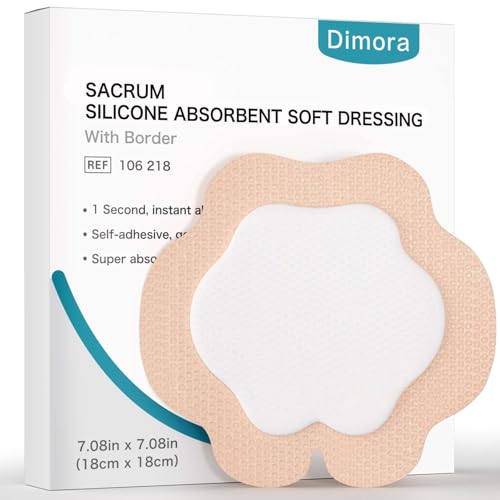
Dimora 7 x 7 Silicone Absorbent Sacral Dressing, 10 Count
The Details Behind The Selections
Lenicany Self-Adhesive Elastic Wrap works best when you need to hold a small dressing in place without scissors. Unlike an ordinary adhesive bandage, cohesive tape grips to itself, so it can wrap around a heel, ankle, finger, or knee without needing separate fasteners. You may find it especially useful around a blistered heel, provided you place a suitable wound covering over the affected skin first.
The 1-inch width makes it narrow enough for fingers and small pets, while five yards of stretch gives you room to cover larger joints. Each of the 12 rolls arrives separately packed, and the non-woven fabric is light and breathable. You can tear off the length you need by hand, which keeps the roll useful in a kit or on a trip.
Everyday Advantages
- Hand-tearing avoids carrying scissors for quick adjustments.
- Elastic stretch follows fingers, paws, ankles, and knees.
- Separate color-coded rolls make sharing a kit easier.
- The breathable fabric suits pet bandaging and active use.
Small Caveats
- The wrap has no absorbent island pad for a draining blister.
- Each roll measures just 1 inch wide, so larger body areas need multiple wraps.
Quick Facts
Who It Suits Best
Active pet owners and travelers who need a flexible secondary wrap will find this especially useful.
Where Another Pick Suits Better
Leukoplast Oval Bandages are a better fit for a small broken blister that needs its own absorbent pad.
Leukoplast Oval Bandages suit small areas that need a ready-made covering rather than a roll of tape. The flexible oval shape fits over minor cuts, scrapes, and small open blisters without extending far onto healthy skin. Compared with Lenicany Self-Adhesive Elastic Wrap, these bandages provide the absorbent layer and surrounding adhesive in one simple piece.
The 1-by-1-1/4-inch format is compact, while the box of 100 makes sense for a busy bathroom cabinet, a camping trip, or a household with several people who need inexpensive everyday wound protection. The adhesive surrounds the central pad on all sides, helping keep the dressing centered as it flexes with the body.
Useful Highlights
- Absorbent material is designed to take in fluid quickly.
- Surrounding adhesive helps keep the oval centered.
- The flexible shape follows small joints and curved skin.
- A box of 100 covers frequent minor-wound needs.
Areas To Watch
- The small oval size may not cover a large heel blister.
- This is a wound dressing, not a wide friction-protection patch.
Feature Snapshot
Made For
Households and day hikers needing a small, ready-to-use dressing for cuts, scrapes, or minor blister damage.
Consider Something Else When
SpecOps Ultra-Thin Moleskin Roll serves you better when the main concern is rubbing before a blister forms.
Moleskin is a thin adhesive covering placed over a known friction point, and SpecOps Ultra-Thin Moleskin Roll takes a deliberately low-profile approach. Unlike the padded Leukoplast Oval Bandages, it adds little bulk between your skin and the inside of a shoe. The 15-foot length also gives you room to cover a heel, toe, or shoulder area with a piece shaped to the location.
Its non-padded construction is designed to reduce shear stress, the dragging force created when skin moves against footwear or equipment. That matters on long hikes, during running mileage, or when a backpack strap crosses the same shoulder area repeatedly. The adhesive is intended to remain attached through sweat, water, sand, and sun exposure.
What Stands Out
- The ultrathin profile leaves more room inside a shoe.
- Custom sizing suits unusually shaped hot spots.
- Adhesion is designed for sweat and outdoor conditions.
- The roll works for feet, shoulders, and backpack contact points.
Practical Considerations
- You must size and shape the material before application.
- It is friction protection rather than an absorbent wound dressing.
Right Fit For
Long-distance hikers, runners, and backpackers who know exactly where their footwear creates rubbing benefit from the custom fit.
A Better Fit Elsewhere
SpecOps 60 Moleskin Strips suit you better when you want several ready-made sizes and no cutting during a trail stop.
Medi-First 62178 Extra Long Woven Bandages bring more adjustability than a ready-made oval dressing. The 3/4-inch-wide roll can be torn to different lengths and wrapped around an ankle, finger, arm, or torso. That makes it useful for holding a separate blister pad in position or covering a minor cut, especially in a first-aid kit shared by adults and children.
The material is latex-free and described as lightweight, flexible, and breathable. A non-stick pad provides a central contact area, while the woven roll can maintain pressure and a protective barrier around the wound. The box contains 40 bandages, and the source notes that the material can remain in place during water exposure.
Reasons It Performs
- Adjustable lengths suit many body areas and wound sizes.
- Latex-free construction suits more sensitive skin.
- Breathable woven material supports longer wear.
- The non-stick pad adds comfort over minor wounds.
Where It May Fall Short
- It is more involved than applying a ready-made oval bandage.
- The roll does not replace a dedicated friction patch or moleskin.
Who Will Love This
Families, campers, and people building a practical first-aid kit appreciate the adjustable format and latex-free material.
Another Choice May Suit
SpecOps Ultra-Thin Moleskin Roll is a better fit for a specific shoe or backpack hot spot that needs a low-profile friction barrier.
SpecOps 60 Moleskin Strips take the sizing work out of blister protection. The pack contains 60 precut pieces in multiple sizes for the heel, ball, arch, and toes, so you can peel one from the pouch and position it without finding a cutting surface. Compared with SpecOps Ultra-Thin Moleskin Roll, the tradeoff is less freedom to shape a piece around an unusual contour.
Rounded corners are intended to reduce lifting at the edges, while pressure-sensitive adhesive bonds more firmly after it is rubbed against the skin. The design accounts for sweat, water, and multi-day wear, which makes it a sensible pack item for long walks, training sessions, and repeated footwear use. A resealable zip pouch keeps the unused strips protected from moisture and debris.
What Earns Its Place
- Multiple sizes cover common areas of the foot.
- Precut pieces remove the need to cut or measure.
- Rounded corners help reduce edge lifting.
- The resealable pouch suits travel and shared kits.
Worth Noting
- Precut shapes may fit a broad hot spot less precisely than a roll.
- The adhesive needs firm rubbing to establish a secure bond.
The Details
Perfect Match For
Travelers, runners, and hikers who prefer grabbing a correctly sized strip without unpacking scissors or shaping a roll.
Reach For A Different Pick When
SpecOps Ultra-Thin Moleskin Roll offers a better fit when the friction area is irregular and needs fully custom coverage.
SpecOps Athletic Moleskin Roll is built for people who know that a familiar hotspot will return with every mile. The 15-foot roll offers a large supply of thin, non-padded material that you can size for the exact area rubbing against a shoe. Its low profile matters more than cushioning in situations where extra thickness would increase pressure inside tight footwear.
The athletic focus also makes sense for runners, hikers, climbers, and service members who repeatedly encounter moisture, equipment pressure, and changing terrain. Unlike SpecOps 60 Moleskin Strips, this roll gives you more freedom to cover a broad toe box, heel edge, or shoulder area. You may find that freedom useful, though the application process takes a little more preparation.
A Few Highlights
- A 15-foot supply supports repeated custom applications.
- The non-padded design stays thin between skin and footwear.
- Custom shapes can cover unusual friction points.
Less-Strong Areas
- You need to cut and shape each piece before use.
- It is a friction barrier, not an absorbent island dressing.
Who Should Grab It
Endurance athletes and outdoor users with recurring, clearly identifiable friction points benefit from the customizable coverage.
Where A Sibling Pick Shines
SpecOps 60 Moleskin Strips are more convenient for quick applications when your footwear rubs in several predictable locations.
Dimora 7 x 7 Silicone Absorbent Sacral Dressing, 10 Count serves a different need from a small blister dressing. Its broad shape is designed for the sacral area around the lower back and tailbone, where pressure injuries can create a larger area of drainage. Exudate is wound fluid, and this dressing combines a wider absorbent tail with a silicone border that sits against sensitive skin.
The source describes the tail as 23% wider than the earlier design to improve coverage around the lower sacrum and coccyx. Absorbent material draws fluid into the dressing, while the border provides gentler contact during sitting, sleeping, and repositioning. Ten pieces make the format more suitable for recurring dressing changes than a one-piece blister bandage.
The Helpful Details
- The broad shape covers the sacral and coccyx region.
- The absorbent tail is designed for heavier drainage.
- A silicone border offers gentle contact with sensitive skin.
- Ten dressings support an ongoing care routine.
Possible Compromises
- The 7-by-7-inch size is excessive for a small friction blister.
- It addresses a broad wound area rather than a hot spot inside a shoe.
Key Product Details
The Right Fit
People managing a draining pressure injury in the sacral area need this specialized size and absorbent structure.
Swap It Out When
Leukoplast Oval Bandages are a better fit for a small broken blister that needs compact adhesive wound coverage.
What To Look For In Blister Bandages
Start with the stage of the blister. A hot spot with intact skin calls for a low-profile friction barrier, while a broken blister needs a dressing with an absorbent center and skin-friendly adhesive. Moleskin belongs against the area before damage appears; an ordinary bandage is better suited to covering a small wound. For a larger or draining blister, professional guidance is more appropriate than another roll of tape.
Coverage should follow the location. A narrow 3/4-inch wrap can move around an ankle or finger, whereas thin moleskin can be shaped over a toe, heel, or backpack contact point. Precut strips offer speed, but a roll gives you more control over unusual shapes. You’ll also want to account for shoe volume, since a bulky padded dressing can create more pressure than the blister it covers.
Adhesion and material deserve a quick comparison. Cohesive tape grips to itself rather than sticking directly to skin, which makes it useful for holding another dressing in place. Pressure-sensitive moleskin adheres directly to the intended area and usually needs firm rubbing. Latex-free woven material, breathable non-woven tape, and silicone borders each serve different skin-contact needs.
Finally, consider where the kit lives. A zippered strip pouch handles moisture and debris better than loose pieces in a crowded drawer, while individually wrapped rolls suit shared first-aid kits. Check that the chosen format can be carried, kept clean, and applied without adding tools to your pack.
Small Choices That Change The Outcome
Wrong Turns To Avoid
Do not use a thick patch on a tight, high-friction area, since added bulk can increase pressure. Avoid placing adhesive moleskin directly over an open or draining blister, and do not assume a cohesive wrap provides absorbent protection. Matching the dressing to the location is more useful than choosing by quantity alone.
The Upgrade Payoff
Higher-tier options often add thin profiles, precise sizing, stronger edge designs, or sealed storage. Those details help most during repeated mileage, unpredictable weather, or when your friction points change between shoes. A basic bandage remains sensible for occasional small cuts, while specialized moleskin earns its place when rubbing is frequent and predictable.
Frequently Asked Questions
Should Moleskin Go On An Open Blister?
No, adhesive moleskin is intended for intact skin at a friction point. A broken or draining blister needs an appropriate wound covering and guidance from a healthcare professional.
Are Blister Bandages And Moleskin The Same?
No, a blister bandage includes a pad and adhesive for covering a wound, while moleskin is a thin protective layer placed over intact skin. Your choice depends on whether the skin is already broken.
Can A Cohesive Wrap Hold Blister Padding?
Yes, cohesive tape can secure a separate absorbent pad around a heel, ankle, or finger. It grips to itself rather than relying on a rigid backing, making adjustment easier.
Which Option Is Best For Hiking?
SpecOps 60 Moleskin Strips suit frequent hikers who want several precut sizes in one pouch. The 15-foot roll offers more customization for irregular hot spots.
When Is A Sacral Dressing Appropriate?
A sacral dressing is designed for broad wounds and drainage around the lower back or tailbone. It is too large and specialized for a small blister inside a shoe.
Final Verdict
For a recurring hot spot, choose thin, custom-fit moleskin or precut strips based on how much shaping you want. For an open blister, select a small adhesive dressing with an absorbent pad, while a cohesive wrap can secure that covering in place. Match the format to the size, location, and moisture level of the problem, and your first-aid kit will be much more useful.
