

Pressure sore care gets harder when the dressing has to manage fluid, stay gentle on fragile skin, and remain in place through sleep, sitting, or repositioning. These options cover different needs, from highly absorbent pads for draining wounds to foam dressings for moderate exudate and a sacral design shaped for the lower back. A wound care professional can help match the dressing type and dressing-change schedule to the wound’s current condition.
A Quick View Of The Lineup
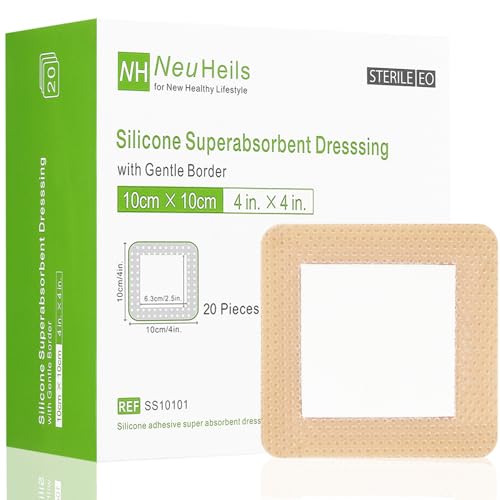
NeuHeils Absorbent Dressing 4×4

McKesson Lite Foam Dressing

Coloplast Biatain Non-Adhesive 4×4

McKesson Alginate Dressing
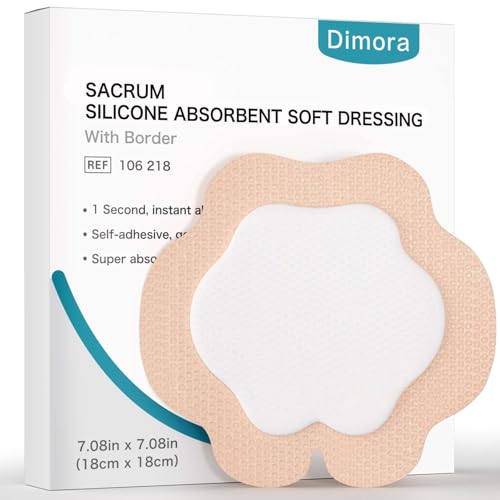
Dimora 7×7 Sacral Silicone Absorbent Wound Dressing with Gentle Adhesive Border, 10 Count

NeuHeils Foam Dressing 4×4

NeuHeils Bordered Dressing 4×4
A Deeper Look At The Lineup
Drainage is the deciding factor for many pressure sore dressings, and this NeuHeils option places a superabsorbent core inside a flexible 4-by-4-inch silicone dressing. Exudate is wound fluid, and the core is designed to draw in and retain heavier drainage while the breathable outer material conforms to body contours.
For someone confined to bed or a wheelchair, that combination of absorption and repositionability looks practical. The adhesive border does not require separate tape, and the smaller 2.5-by-2.5-inch pad leaves more of the surrounding skin exposed.
Features That Help
- The absorbent core retains fluid while maintaining its shape, which suits moderate-to-heavy drainage.
- Silicone adhesive can be repositioned, useful during careful dressing placement on fragile skin.
- The 4-by-4-inch format balances pad capacity with enough surrounding adhesive for secure placement.
- Individually wrapped dressings simplify storage and handling in a home-care setting.
Things To Consider
- The smaller absorbent pad may not suit a wound producing substantial drainage over a large surface area.
- Latex-free construction suits sensitive skin, but your care plan should still account for the wound’s condition and location.
Key Specs
Built With In Mind
This dressing best serves people managing moderate-to-heavy exudate who need a compact, repositionable option and still require surrounding skin protection.
Where Another Pick Suits Better
Coloplast Biatain Non-Adhesive 4×4 may suit a wound with very fragile surrounding skin where adhesive placement is undesirable.
McKesson Lite uses a hydrocellular foam layer, which is a foam structure designed to support a moist wound environment while moving fluid away from the wound bed. The 4-by-4-inch border gives it a familiar square format for ulcers, pressure wounds, cuts, and scrapes of different sizes.
Compared with the NeuHeils Absorbent Dressing 4×4, this option presents a broader wound-care role. Its silicone gel border forms a leak-resistant seal, while the non-stick contact layer is intended to make removal gentler during frequent changes.
Where It Delivers
- The foam construction balances moisture management with breathability for everyday dressing changes.
- A silicone gel border grips surrounding skin without relying on a rigid adhesive layer.
- The non-stick contact surface helps limit disruption to the wound during removal.
- One 4-by-4-inch size can cover both broad pressure wounds and smaller injuries.
Worth Noting
- The dressing must be sized so the adhesive border rests on intact skin rather than extending onto the wound itself.
- Severe drainage may call for a more specialized absorbent format, so the wound-care plan remains the deciding factor.
Quick Facts
Who It Suits Best
Home caregivers and people with smaller pressure wounds benefit from its flexible foam, gentle border, and straightforward removal process.
Not Your Match When
McKesson Alginate Dressing is a stronger fit for wounds producing heavy exudate that need a gel-forming absorbent sheet.
Adhesive can create its own problems around a pressure sore, especially when the nearby skin is thin, fragile, or easily damaged. Coloplast Biatain Non-Adhesive 4×4 removes that variable, using a sterile foam dressing that can sit in the wound area and be secured separately.
Its three-dimensional foam structure conforms closely to the wound bed and remains flexible under compression. That makes it a different proposition from the bordered McKesson Lite Foam Dressing, whose silicone border provides direct adhesion to surrounding skin.
Useful Highlights
- No adhesive layer reduces the need to attach the dressing directly to fragile peri-wound skin.
- The 3D foam structure conforms closely to irregular wound surfaces and remains flexible under compression.
- Strong absorption and fluid retention help limit leakage and prolonged moisture exposure.
- It accommodates several exuding wounds, including pressure ulcers, leg ulcers, burns, and post-operative wounds.
Points To Note
- Because it has no adhesive border, you need a separate securement method appropriate to the wound and treatment plan.
- The 4-by-4-inch size may require trimming for a smaller wound, so handling and waste can vary by wound shape.
At A Glance
Made For
This option best serves people with very fragile surrounding skin who need flexible absorption without direct adhesive contact.
Look Elsewhere When
NeuHeils Foam Dressing 4×4 may suit you better when a repositionable silicone border is more practical than separate securement.
Calcium alginate dressings belong in a different category from ordinary foam. This McKesson sheet uses absorbent alginate fibers that form a soft gel when they meet wound fluid, creating a moist dressing environment while taking in substantial drainage.
The 4-by-4-3/4-inch sheet can be trimmed to match a wound, which is useful for an irregular heel, elbow, or lower-leg area. The gel-forming surface is also designed to lift away more easily than a pad that remains dry and stuck to the wound bed.
Everyday Wins
- Alginate fibers absorb heavy exudate and turn into a gel around the wound.
- The sheet can be trimmed to fit the shape of the wound, improving contact in confined areas.
- The gel surface is designed for gentler removal than a dry, absorbent sheet.
- It can also help manage minor bleeding at the wound site.
Small Caveats
- Alginate suits moist, draining wounds, while it may be unnecessary for a dry wound with little exudate.
- Because it has no adhesive border, securement and the dressing-change schedule need to come from your care plan.
- Trimming suits smaller or irregular areas but creates less convenient handling than a ready-bordered dressing.
Right Fit For
People caring for deep, heavily draining wounds that benefit from a moist gel-forming surface and a trim-to-fit sheet will find this option useful.
Consider Something Else When
Dimora 7×7 Sacral Silicone Absorbent Wound Dressing is a better fit for a lower-back wound needing a wide adhesive sacral shape.
A square dressing rarely sits as neatly over the lower back as a sacral dressing shaped for that area. The Dimora 7×7 Sacral Silicone Absorbent Wound Dressing has a wider absorbent tail intended to cover the lower sacrum and coccyx, with a 23% wider core than the earlier design.
That shape makes more sense for someone spending long periods in bed or a wheelchair, where pressure, sitting, and repositioning can put drainage against the lower back. Compared with the compact NeuHeils Absorbent Dressing 4×4, coverage takes priority over a small, square footprint.
What It Does Well
- The extended tail follows the lower sacrum and coccyx more closely than a standard square dressing.
- The absorbent core is designed for moderate-to-heavy exudate in a difficult-to-cover location.
- A silicone adhesive border supports placement without relying on separate tape.
- The wider coverage helps reduce rear leakage during sitting, sleep, or repositioning.
Practical Considerations
- The specialized shape takes up more space than a 4-by-4-inch dressing and may not suit a small wound elsewhere.
- Repositioning becomes more important because the adhesive border must rest on healthy skin around the wound.
Feature Snapshot
Who Will Love This
People with lower-back or coccyx pressure sores who need extended sacral coverage and moderate-to-heavy fluid absorption will appreciate this focused design.
Swap It Out When
McKesson Lite Foam Dressing is a more versatile choice for smaller pressure wounds placed away from the sacrum.
The NeuHeils Foam Dressing 4×4 is built around a soft absorbent pad, a gentle silicone contact layer, and a breathable waterproof film. The pad cushions the area and helps spread pressure, while the outer film limits exposure to outside moisture and dirt.
Its main distinction is the repositionable silicone contact layer. During a dressing change, that flexibility can help center the foam over a sore without placing the same fixed adhesive in a slightly different position each time.
Noteworthy Benefits
- The foam core absorbs wound exudate while adding cushion over a tender area.
- A silicone contact layer allows careful repositioning on sensitive or fragile skin.
- The breathable waterproof film helps limit outside moisture and dirt.
- Pressure redistribution makes the dressing suitable for areas that receive repeated contact.
Less-Strong Areas
- The 4-by-4-inch size may be too small for a sacral wound or a broad area of heavy drainage.
- Very heavy exudate may require a dressing with a larger absorbent core, such as an alginate sheet.
Best Suited To
Home caregivers treating moderate-drainage pressure wounds on sensitive skin will find the repositionable foam construction especially useful.
Another Choice May Suit
McKesson Alginate Dressing may suit you better when heavy exudate and a trim-to-fit shape matter more than an adhesive border.
For regular dressing changes, the NeuHeils Bordered Dressing 4×4 combines a soft foam pad with a silicone border that can be repositioned during placement. The pad absorbs exudate, cushions the wound, and helps reduce the chance of prolonged moisture against nearby skin.
It shares several traits with NeuHeils Foam Dressing 4×4, but the 20-count format makes it more practical for households managing frequent changes or keeping a larger reserve on hand. The silicone layer remains the key feature for delicate skin, rather than relying on a stiffer adhesive border.
What Stands Out
- The 20-count box supports repeated dressing changes without a small supply.
- Repositionable silicone contact reduces the need to pull adhesive against fragile skin during placement.
- The absorbent foam provides cushioning as well as fluid management.
- The 4-by-4-inch format works for many common pressure sore locations.
Trade-Offs To Consider
- Its absorption is designed for common wound drainage rather than the heaviest possible exudate load.
- The square shape may not cover the lower sacrum as neatly as the Dimora sacral dressing.
Technical Reference
Who Should Grab It
Caregivers handling frequent changes for moderate-drainage pressure sores will find the larger pack and repositionable border particularly practical.
Reach For A Different Pick When
Coloplast Biatain Non-Adhesive 4×4 is the better fit when fragile surrounding skin makes any direct adhesive contact unsuitable.
What Matters Before You Select a Pressure Sore Dressing
Start with the amount of exudate, meaning the fluid leaving the wound. Light drainage may need a flexible foam dressing, while heavier drainage calls for a more absorbent pad or alginate sheet. The dressing should also fit the wound without covering too much healthy skin.
Adhesion and Skin Condition
A silicone border can make placement and repositioning gentler, which matters for thin or easily damaged skin. A non-adhesive dressing offers more flexibility for securing the product separately. Your care professional can determine which approach suits the wound and surrounding skin.
Shape and Compression Needs
Sacral wounds need a shape that follows the lower back and coccyx, while a square dressing may work better on a heel, elbow, or lower leg. Non-adhesive foam can also suit locations where compression wraps are needed, provided the securement method is appropriate.
Dressing Changes and Supply
Frequent changes call for individual packaging and a supply that matches your routine. A larger pack can simplify storage, while individually wrapped dressings help keep unused items separated. Moisture level, wound depth, and mobility should guide the final choice alongside your care plan.
Two Details That Change Your Choice
Wrong Turns To Avoid
Choosing by pressure sore name alone misses important differences in drainage, shape, and skin condition. Check the wound’s current fluid level, available securement, and dressing dimensions before narrowing the field.
What Separates Premium From Basic
Higher-tier dressings may add specialized adhesive, wider coverage, or a more absorbent core. That extra design matters most for frequent drainage, fragile skin, or a sacral location where a standard square dressing fits poorly.
Frequently Asked Questions
How often should a pressure sore dressing be changed?
The change schedule depends on the wound, drainage amount, dressing type, and clinical plan. Replace the dressing sooner when it becomes wet, loose, soiled, or difficult to keep in place.
What type of dressing handles heavy drainage?
Alginate and superabsorbent dressings are designed for wounds producing substantial exudate. A wound care professional can confirm whether one of these formats matches the wound’s depth and skin condition.
Is silicone adhesive suitable for fragile skin?
Silicone contact layers are often gentler because they allow careful placement and repositioning. Sensitive skin still requires attention to cleansing, application, and the care plan.
Should a sacral pressure sore use a special dressing?
A sacral dressing can provide wider, more targeted coverage over the lower back and coccyx. Its shape may be more useful than a standard square dressing when leakage and rear contact are common concerns.
Can a non-adhesive dressing stay in place?
A non-adhesive dressing usually needs separate securement, such as a suitable wrap or tape. The method must be chosen with the wound-care plan because the wrong securement can disturb the dressing or surrounding skin.
Final Thoughts
The right dressing depends less on the label “pressure sore” than on fluid level, wound shape, skin fragility, and movement. Superabsorbent and alginate options suit heavier drainage, bordered foam handles many routine changes, and non-adhesive or sacral designs solve specific placement problems. Use the lineup to narrow the fit, then confirm the dressing and change schedule with the wound-care professional managing the sore.
