

A glucose meter has to earn its place in your routine, not sit in a drawer with half-used strips. Daily checks become easier when the display is clear, the sample requirement is modest, and the meter stores the information you need without turning setup into a project. These options cover everything from voice-guided testing to compact kits for travel.
A Closer Look At The Lineup

Glucoracy G-425-2 Kit, 50 Strips

Metene TD-4116 Glucose Monitor Kit

FORA Pro Voice V9 Diabetes Monitoring Kit with 100 Strips, 100 Lancets, Case
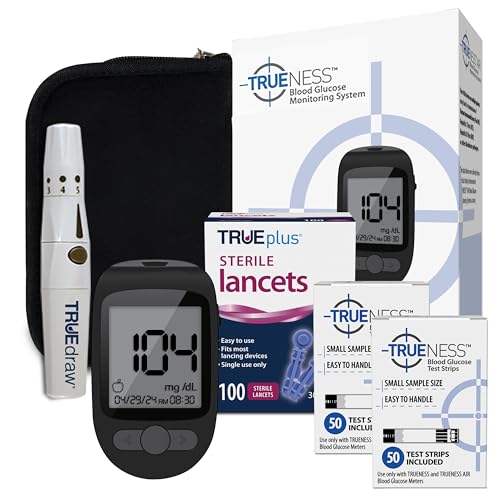
TRUENESS Glucose Meter Kit
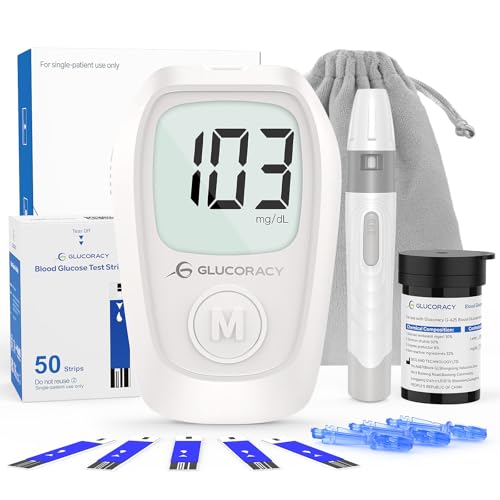
Glucoracy G-425 Meter Kit

Pip Glucose Monitor, 50 Strips & Case

Medline EvenCare G2 Starter Kit with Strips, Batteries, Voice Guide & Case
The Strengths Of Each Pick
A home glucose routine benefits from a meter that shows its work without demanding technical attention. The Glucoracy G-425-2 combines a 2.7-inch display, no-coding setup, and a small 0.7 µL sample, making it a practical fit for adults building a consistent morning and evening habit. Its 448-entry memory is also substantial enough to reveal patterns over several weeks.
Compared with the TRUENESS kit, this model uses a slightly smaller sample and stores somewhat fewer readings, but it offers the larger display that can make a number easier to find at a glance. For a busy kitchen counter or a bedside routine, that visible screen is a meaningful advantage rather than a decorative feature.
The Helpful Details
- The 2.7-inch display makes results easier to see without enlarging fonts or navigating menus.
- A 0.7 µL sample lowers the amount needed for each fingertip check.
- Results arrive in about six seconds, keeping short routines moving.
- Memory stores up to 448 readings for later comparison.
- Five lancet depth settings give you some control over finger-prick intensity.
Practical Considerations
- Use only compatible Glucoracy strips, so confirm the model number before ordering refills.
- Opened strips need protection from humidity, and a dry testing area helps reduce setup errors.
At A Glance
Who It Suits Best
This model suits adults who want a large, straightforward display and enough stored history to review a regular home routine.
Where Another Pick Suits Better
FORA Pro Voice V9 suits people who depend on spoken guidance in English or Spanish rather than relying on visual prompts.
The Metene TD-4116 is built around the habit of checking on schedule. Four programmable reminders can prompt regular checks, while four recording modes organize readings by time of day. That structure works well for a person balancing meals, medication schedules, work, and glucose checks rather than taking occasional readings.
Unlike the more compact Pip kit, this model emphasizes reminders and long-period averages instead of a preloaded lancet design. You get 450 stored values and averages covering 14 through 90 days, so it can serve as a more structured home record.
Everyday Perks
- Daily alarms make scheduled checks easier to remember.
- Four modes separate readings according to time of day.
- The enlarged display improves visibility for daily use.
- A control solution supports routine meter and strip checks.
- Long-period averages help summarize extended patterns.
Some Limits To Know
- Reminder settings take a little more setup than a basic one-button routine.
- The larger display and added modes may feel unnecessary for occasional checks.
- Confirm strip compatibility before adding replacement supplies.
Quick Facts
Made For
This meter suits people who value reminders, organized records, and longer averaging periods in a structured daily routine.
Consider Something Else When
Pip suits travelers who prefer preloaded lancets and a compact kit over programmable reminders.
Visual cues are not enough for every home routine, and that is where the FORA Pro Voice V9 gains distinction. It speaks instructions and results in English or Spanish, turning the meter into a guided experience for people with limited vision or anyone who simply prefers not to read a small screen during every check.
The alternative-site option offers another practical advantage over kits centered only on fingertip sampling. You also get 450 stored readings, date and time records, and averages spanning several weeks. The supplied batteries help you begin without hunting for a replacement pair.
What Helps Most
- Spoken setup and results support hands-free guidance.
- English and Spanish options serve different language preferences.
- Alternative-site sampling offers more placement choices.
- The interface presents stored readings and related details clearly.
- Seven-day through 90-day averages summarize longer patterns.
- No coding reduces the preparation needed before a check.
Points To Note
- Voice prompts add a step you may not want during frequent overnight checks.
Right Fit For
This model suits people who benefit from spoken guidance, a multilingual interface, or more than one sampling location.
A Better Fit Elsewhere
Glucoracy G-425-2 suits people who prefer silent operation and a large visual display over spoken prompts.
Recording more than a single number can reveal where a routine needs attention, and the TRUENESS kit provides room for that detail. Its memory holds 500 results, with 7-, 14-, 30-, and 90-day averages available for review. Before-and-after meal tags add context that a plain timestamp cannot provide.
You get a 1 µL sample, five-second results, and a large digital display with time and date information. The kit also arrives with 100 strips, 100 lancets, a lancing device, and a carrying case, giving you a broad set of supplies for regular home checks.
Useful Touches
- Meal tags make stored readings easier to interpret.
- Five hundred entries provide a detailed history.
- Ketone test alerts add an extra prompt for relevant checks.
Worth Noting
- The meter works only with TRUENESS strips, so refills need the correct branded supplies.
- The 1 µL sample requirement is larger than the 0.5 µL and 0.7 µL samples used by two Glucoracy models.
Specification Snapshot
Best Suited To
This kit suits people who want detailed records, meal context, and a generous initial supply of consumables.
Look Elsewhere When
Medline EvenCare G2 suits people who want spoken guidance and batteries included in a compact starter set.
The G-425 keeps daily checks pleasantly direct. It prepares for a measurement after the strip goes in, produces a result in five seconds, and needs only 0.5 µL of blood. That is the smallest stated sample among the Glucoracy options here, a subtle but useful difference for a person checking in frequently.
Compared with the G-425-2, this version uses a slightly different strip and omits its 2.7-inch display specification. Its one-button strip ejection and adjustable lancing device still make the physical routine easy to manage.
Notable Gains
- The 0.5 µL sample minimizes the amount required per check.
- Five-second results keep the routine brief.
- One-button ejection simplifies discarded-strip handling.
- Five lancet depths allow adjustment for different fingers.
- The large screen presents the result clearly.
Trade Offs
- Two AAA batteries are required, and they are not included.
- Its strips are specific to the G-425 and will not work with the G-425-2.
- The included 50 strips and 50 lancets may need replenishment sooner than the larger bundles in this list.
Who Will Love This
This meter suits adults who prioritize a small sample, rapid results, and straightforward one-button operation.
Another Choice May Suit
TRUENESS Glucose Meter Kit suits people who want more stored readings, meal tags, and a larger initial supply.
Traveling with a glucose meter becomes less cluttered when the lancets arrive preloaded. Pip uses single-use, spring-activated lancets that retract the tip after each check, removing the separate lancing device found in several conventional kits. You can carry the meter and case in a bag without assembling a small collection of loose parts.
The kit includes 50 strips, 60 preloaded lancets, control solution, and a compact case. Its no-coding setup also keeps the process simple for someone new to home monitoring. Compared with the Medline EvenCare G2, Pip offers a more compact travel format but does not provide the same voice guidance.
Noteworthy Benefits
- Preloaded lancets remove the need for a separate lancing device.
- Automatic tip retraction supports discreet, single-use handling.
- The compact case fits readily into travel bags.
- Control solution supports routine performance checks.
- No coding keeps the opening steps straightforward.
Minor Gripes
- Preloaded single-use lancets create a recurring supply need that the separate-device alternatives do not.
Core Details
The Right Fit
This kit suits travelers, people new to glucose monitoring, and anyone who values compact storage over a conventional lancing device.
Reach For A Different Pick When
Metene TD-4116 suits people who want scheduled reminders and multiple averaging periods rather than a travel-oriented lancet system.
The Medline EvenCare G2 makes a thoughtful first kit for a new home routine. Voice assistance walks through the process and reads the result in English or Spanish, while alternate locations on the forearm, palm, or fingertips provide more placement options. A small sample and roughly six-second result keep each check manageable.
The starter set includes the meter, 10 strips, 10 lancets, a lancing device, two AAA batteries, a guide, a logbook, and a carrying case. That completeness matters for a person setting up a home station, while the 300-reading memory supports ongoing review. The listed HCPCS code E2100 may qualify for HSA or FSA reimbursement, so check your plan provider for coverage details.
Where It Delivers
- Voice guidance supports each step and reads the result.
- Three sampling locations offer useful flexibility.
- Results arrive in about six seconds.
Small Caveats
- Ten strips and ten lancets make this a compact starter set rather than a long-term supply.
- Plan eligibility for HSA or FSA reimbursement depends on your provider.
Feature Breakdown
Whose Shelf It Belongs On
This kit suits new users, caregivers, and anyone who benefits from spoken instructions and a ready-to-use supply set.
Swap It Out When
FORA Pro Voice V9 suits people who want spoken results alongside a larger initial supply of strips and lancets.
What Matters Before You Choose a Home Meter
Strip compatibility and supply access
Start with the strips because they become part of your routine. A meter is only useful when matching strips remain available, and models such as the TRUENESS and Glucoracy G-425 require their own compatible supplies. Compare the included quantity with your expected frequency before committing to a model.
Sample size, speed, and ease of use
A smaller sample can make a fingertip check more comfortable, while a fast result keeps the routine from feeling like an interruption. The Glucoracy G-425 uses 0.5 µL, the G-425-2 uses 0.7 µL, and the TRUENESS uses 1 µL. Look beyond the number and consider the display, button layout, and whether your choice supports voice guidance.
Memory, reminders, and ongoing records
Memory becomes useful once you can compare readings over time. Metene adds reminders and several averaging periods, TRUENESS provides meal tags and 500 stored readings, and Medline includes a paper logbook. Choose the record system that matches how you organize daily health information, rather than paying attention only to the largest memory number.
Common Mistakes Worth Avoiding
Mistakes Worth Dodging
Choosing a meter without confirming compatible strips can interrupt your routine later. Avoid judging only by the included screen, since a larger display offers little help when the number remains difficult to see. Voice guidance, sample location, and lancet style are worth comparing for accessibility and comfort.
What The Higher Tier Buys
More advanced meters tend to add memory, reminders, alternative sampling, voice assistance, or larger supply bundles. Those additions help when your routine is frequent, shared with a caregiver, or connected to longer-term record review. A simpler meter can still make more sense for occasional checks where basic results and straightforward operation are the priority.
Frequently Asked Questions
How do I choose a glucose meter for home use?
Choose based on strip compatibility, sample size, display visibility, memory, and the accessories you actually need. Your frequency of checks and any need for voice guidance should carry more weight than extra features you will rarely use.
What does a no-coding glucose meter mean?
A no-coding meter does not require you to enter a code that matches the test strips. That reduces setup steps, though you still need compatible strips and should follow the cleaning and sample instructions in the guide.
How often should I check my blood glucose?
The appropriate frequency depends on your health needs and the schedule set by your healthcare professional. Keeping a consistent pattern can make your records more useful, regardless of the meter you select.
Is a smaller blood sample better for home checks?
A smaller sample can reduce the amount needed for each fingertip check and may make the process feel more comfortable. You still need enough blood for a valid result, so follow the meter and strip instructions carefully.
Are talking glucose meters useful for home monitoring?
Talking meters can make daily checks easier for people with limited vision or a strong preference for spoken guidance. FORA Pro Voice V9 and Medline EvenCare G2 both provide voice features, with the former offering a larger initial supply of strips and lancets.
Final Verdict
Your best home meter is the one that fits your routine without creating extra friction. Large displays help quick visual checks, voice guidance adds accessibility, and compact kits make travel easier. Match the meter to your strip supply, sampling preferences, and record-keeping needs before making the final call.
