

A cluttered supplement label can make it hard to compare EPA, DHA, serving size, and triglyceride form while your blood pressure is already on your mind. These seven fish oil options cover different needs, from salmon-derived formulas to concentrated EPA and DHA choices, mint-coated softgels, and larger bottles for a steady routine. Fish oil is a dietary supplement, not a replacement for prescribed care or healthy lifestyle habits.
The Picks In Brief

Amazing Omega Wild Alaskan Salmon Oil 180 Softgels 2-Pack

Andrew Lessman Essential Omega-3 Mint 60 Softgels
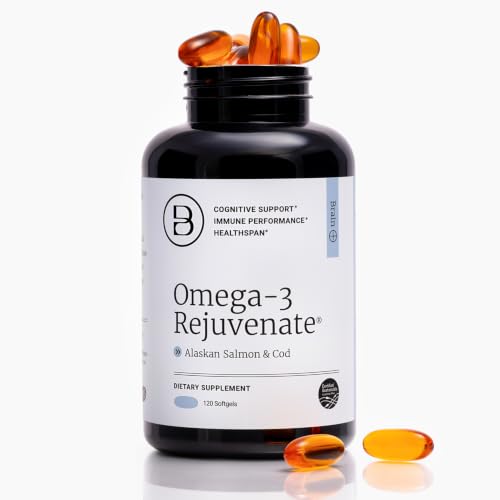
BIG BOLD HEALTH Omega-3 Rejuvenate Fish Oil 120 Softgels

Metagenics OmegaGenics EPA-DHA 720 mg, 120 Count

Metagenics OmegaGenics EPA-DHA 1000 mg, 120 Count
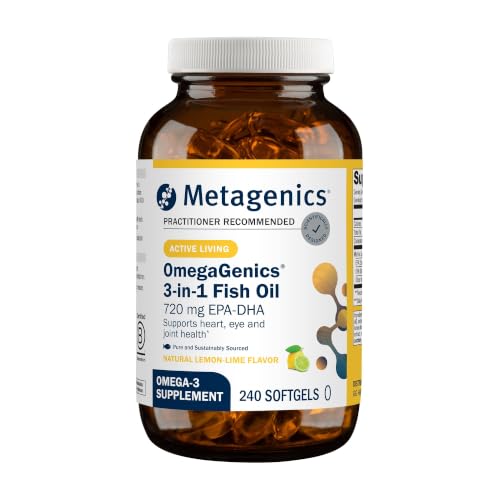
Metagenics OmegaGenics EPA-DHA 720 mg, 240 Count

Fortifeye Super Omega-3 Max rTG Fish Oil, 60 Count
A Deeper Look At The Lineup
Two softgels provide 2,000 mg of wild Alaskan salmon oil, making this a straightforward format for daily routines. The source is screened for heavy metal contaminants, and the formula contains no preservatives, artificial flavors, sweeteners, sodium, sugar, or starch.
Each serving supplies 420 mg of omega-3s, including DHA and EPA, which makes the label easier to assess than a total fish-oil weight alone. The two-bottle set works well for consistent household use, though the volume requires more storage than a 60-count option.
The Value In It
- Two softgels simplify a daily serving.
- The 420 mg omega-3 amount is clearly stated.
- Salmon oil supplies both DHA and EPA.
- Two 180-count bottles support steady use.
Small Caveats
- The 420 mg omega-3 total is lower than the concentrated choices later in this list.
- Plan storage for two bottles, particularly in a compact kitchen cabinet.
Quick Facts
Who It Suits Best
This option suits you best when you value a simple serving, a clearly listed omega-3 amount, and a generous two-bottle supply.
Where Another Pick Shines
Fortifeye Super Omega-3 Max rTG Fish Oil suits you better when fewer capsules and a higher listed EPA-plus-DHA amount matter more than bottle size.
Mint-coated softgels address a practical problem many people notice with fish oil: the lingering aftertaste. The formula delivers concentrated DHA, EPA, and DPA in natural triglyceride form, which is the form found naturally in fish and differs from the ethyl ester form used by some supplements.
Unlike Amazing Omega’s 2,000 mg salmon-oil serving, this choice emphasizes fatty-acid form and spectrum rather than total oil weight. It particularly suits commuters and office workers who take supplements in settings where noticeable aftertaste would be inconvenient.
Positive Takeaways
- Mint flavoring supports a more pleasant routine.
- Natural triglycerides provide a clear formulation advantage.
- DHA, EPA, DPA, and SDA create a broad fatty-acid profile.
Things To Consider
- The label does not use total oil weight as its main selling point, so compare the stated omega-3 amounts carefully.
- Compare the serving size with the 60-count bottle, since a multi-capsule serving can make the supply run out sooner.
Made For
This formula fits you best when you value natural triglycerides, a broad omega profile, and a softgel designed to avoid a strong fishy aftertaste.
Another Choice May Suit
Amazing Omega Wild Alaskan Salmon Oil 180 Softgels 2-Pack suits you better when a clearly stated 420 mg omega-3 serving and a larger two-bottle supply take priority over taste preferences.
This formula combines wild-caught Alaskan salmon and cod oils, then adds vitamins A and D to create a broader nutrient profile. Each serving provides 552 mg of omega-3 fatty acids, including the naturally occurring triglyceride form.
Like Andrew Lessman Essential Omega-3 Mint, it uses natural triglycerides, but this label gives you a specific 552 mg omega-3 figure for easier comparison. The sustainably sourced fish oil and mixed-species blend may appeal to you when you value a wider formula than a single-source salmon capsule.
What Helps Most
- 552 mg of omega-3s provides a clear daily benchmark.
- Salmon and cod oils create a multi-source blend.
- Natural triglycerides support a more natural delivery format.
- Vitamins A and D add nutrients beyond fish oil.
- Sustainably sourced Alaskan fish oil adds sourcing context.
Where It May Fall Short
- The cod component makes it a different choice for anyone avoiding cod-derived ingredients.
- Added vitamins may not suit you as well as a focused fish oil formula.
Feature Snapshot
Who Will Love This
This choice suits you best when you want a mixed-source fish oil, natural triglycerides, and added vitamins in a 120-softgel bottle.
Reach For A Different Pick When
Andrew Lessman Essential Omega-3 Mint 60 Softgels suits you better when a mint coating, broad omega spectrum, and avoidance of cod are your priorities.
A 120-softgel bottle and 720 mg of combined EPA and DHA per serving give this option a straightforward balance of potency and supply. The fish oil comes from cold-water sources and is screened for heavy metals, pesticides, and other contaminants before antioxidant stabilization.
Compared with BIG BOLD HEALTH Omega-3 Rejuvenate, this formula lists a larger combined EPA-and-DHA amount. It works well for established supplement routines where you want a clear potency figure and a moderate bottle size without moving to the 1,000 mg-per-softgel option.
Real-World Strengths
- Each serving lists 720 mg of EPA and DHA.
- Cold-water fish oil provides a clear sourcing basis.
- Contaminant screening addresses common label questions.
- Antioxidant stabilization supports product handling.
Worth Noting
- Serving size still determines how many softgels your routine requires.
- The 120-count bottle takes less space than the 240-count version later in the list.
Core Details
Built With In Mind
This option suits you best when you want 720 mg of combined EPA and DHA, contaminant screening, and a moderate bottle for daily use.
A Better Fit Elsewhere
Metagenics OmegaGenics EPA-DHA 1000 mg, 120 Count suits you better when one softgel carrying 1,000 mg of EPA and DHA matters more than bottle size.
Putting 1,000 mg of EPA and DHA into each softgel makes capsule count the central advantage here. That concentration can simplify a routine for you, particularly compared with formulas that require multiple capsules to reach a comparable listed amount.
Unlike Metagenics OmegaGenics EPA-DHA 720 mg, this option carries its larger omega-3 amount in each softgel rather than across an unspecified serving. The 120-count bottle remains practical for regular use, and the oil is sustainably sourced.
The Helpful Details
- One softgel contains 1,000 mg of EPA and DHA.
- The per-softgel amount simplifies daily planning.
- Concentrated fish oil reduces capsule clutter for some routines.
- The 120-count bottle balances supply and storage.
Possible Compromises
- Concentration can make the softgel larger, so check each softgel’s listed amount against the serving instructions.
Technical Highlights
Right Fit For
This formula fits you best when you prioritize a clear 1,000 mg EPA-and-DHA amount in each softgel and a concise daily routine.
Swap It Out When
Metagenics OmegaGenics EPA-DHA 720 mg, 240 Count suits you better when a 240-count supply and a 720 mg serving align better with your routine.
The 240-count bottle changes the practical side of the 720 mg formula rather than the potency itself. You receive the same listed 720 mg of combined EPA and DHA per serving as the smaller Metagenics version, with twice as many softgels for a longer routine.
That makes this a sensible fit for households already comfortable with fish oil and wanting fewer restocking intervals. The trade-off is storage, since a larger bottle needs more cabinet space and your usage still depends on the serving instructions printed on the label.
The Good Stuff
- 720 mg of EPA and DHA per serving matches the smaller bottle.
- 240 softgels reduce the need for frequent replenishment.
- Cold-water sourcing and contaminant screening support label transparency.
Where It Is Less Suited
- The larger bottle takes up more cabinet space than a 60- or 120-count option.
- A smaller routine may leave more capsules unused before you need the next bottle.
Whose Shelf It Belongs On
This bottle suits you best when you already use a 720 mg serving and want a larger reserve for a steady routine.
Look Elsewhere When
Metagenics OmegaGenics EPA-DHA 720 mg, 120 Count suits you better when compact storage matters more than having twice the softgels.
Two softgels deliver a listed 2,400 mg of EPA and DHA, making this the most concentrated serving in the group. The rTG form, Norwegian purification, wild fish source, and lemon flavor give you several details to consider beyond the capsule count.
For you, the main appeal is fewer capsules for a high-potency routine. Compare that convenience with the lower 420 mg omega-3 serving in Amazing Omega and the one-softgel format of Metagenics OmegaGenics EPA-DHA 1000 mg, 120 Count.
Everyday Wins
- Two softgels provide a high-potency serving.
- rTG preserves a natural triglyceride format.
- Wild fish provide the stated source.
- Lemon flavor adds a more approachable taste feature.
Practical Considerations
- At two softgels per serving, 60 capsules provide 30 listed servings.
- The 2,400 mg figure is specific to this concentrated formula and should not be compared directly with total fish-oil weight.
- A smaller bottle may need replenishing sooner than the 240-count option.
Key Product Details
Who Should Grab It
This option suits you best when you prioritize a high listed EPA-and-DHA serving in only two softgels and accept a smaller bottle.
Consider Something Else When
Metagenics OmegaGenics EPA-DHA 1000 mg, 120 Count suits you better when one softgel per serving and a larger supply matter more than total potency per serving.
What Matters Before You Add Fish Oil
Read the EPA and DHA Amount
Total fish-oil weight does not tell you how much EPA and DHA a serving provides. Compare the combined EPA-and-DHA figure first, then check the number of softgels required for a serving.
For a blood-pressure routine, this comparison helps you avoid choosing a capsule by its label size alone. A 2,000 mg serving of fish oil may contain a different omega-3 total from a concentrated capsule carrying the same total weight.
Consider the Form and Flavor
Natural triglyceride form reflects how omega-3 fats occur naturally in fish, while ethyl esters use a different molecular structure. Natural triglycerides may suit you better when you already prefer that format, and mint or lemon flavoring can make the daily routine more comfortable.
Neither flavor nor form changes the need to follow the labeled serving instructions. Compare these features after you understand the EPA-and-DHA amount.
Match the Bottle to Your Routine
A 240-count bottle reduces replenishment but requires more storage, while a 60-count bottle takes less room and suits a smaller routine. For regular users, a two-bottle pack can offer convenience without requiring a single large container.
Account for the serving size before estimating how long any bottle will last. A concentrated two-softgel serving and a multi-softgel formula can produce very different capsule counts from the same package size.
Account for Your Health Routine
Fish oil fits into a broader approach to heart health, but it does not replace prescribed medication, dietary changes, exercise, or monitoring. A healthcare professional can help you assess how a supplement fits your personal routine, especially when you take blood-pressure or anticoagulant medication.
Smarter Ways to Compare Fish Oil Labels
Pitfalls Shoppers Hit
A common mistake is comparing the largest number on the front of the bottle. Check whether it represents total fish oil, omega-3s, EPA and DHA combined, or a serving of two softgels, because those figures are not interchangeable.
The Upgrade Payoff
Higher-potency formulas can reduce the number of capsules per serving, while triglyceride form, sourcing details, and flavor address separate practical preferences. Paying more becomes more useful when it matches your serving needs, routine, and storage situation rather than merely increasing the label number.
Frequently Asked Questions
Can Fish Oil Lower High Blood Pressure?
Fish oil provides omega-3 fatty acids that support normal cardiovascular function, but it is not a replacement for prescribed care or lifestyle changes. Individual responses vary, and your clinician can help you place it within your blood-pressure routine.
Which Fish Oil Form Is Easier to Absorb?
Natural triglyceride form is the form found naturally in fish and differs from ethyl ester form. Personal tolerance and the rest of your formula can affect how convenient each option feels.
How Much EPA and DHA Should I Take?
Your needs depend on your health history, medication use, and the serving instructions on the product. A healthcare professional can help you choose an amount that fits your circumstances.
Is a Higher EPA and DHA Number Always Better?
No, because a larger number may require more capsules, alter your daily routine, or exceed the amount your healthcare professional recommends. Compare serving size, capsule count, and the labeled omega-3 amount together.
Should I Take Fish Oil With Food?
Taking a fish oil softgel with a meal can fit many routines and may make the experience more comfortable. Follow the product’s directions, and discuss timing with your healthcare professional when you take other medicines.
Conclusion
The right fish oil comes down to a few numbers and habits: EPA and DHA per serving, capsule count, form, and bottle size. Amazing Omega suits a value-focused routine, Andrew Lessman handles taste sensitivity well, and the Metagenics options range from moderate to concentrated potency. Choose the label that fits your daily life, then use it consistently with guidance from your healthcare professional.
