

A blood pressure check shouldn’t require you to rearrange your morning, especially when you travel often or want readings ready to review. The right monitor balances cuff fit, readable results, dependable power, and useful recordkeeping without turning a routine task into a complicated routine.
A Fast Comparison Of The Options
IMDK Arm Blood Pressure Monitor, ±3 mmHg, App and Adjustable Cuff

Checkme Black Upper Arm Bluetooth Blood Pressure Monitor with App

Checkme Green Upper Arm Bluetooth Blood Pressure Monitor with Cuff

Checkme BP2A Upper Arm Bluetooth Blood Pressure Monitor, OLED Display

Checkme Rechargeable Upper Arm Blood Pressure Monitor, 2-User, Large Cuff, App
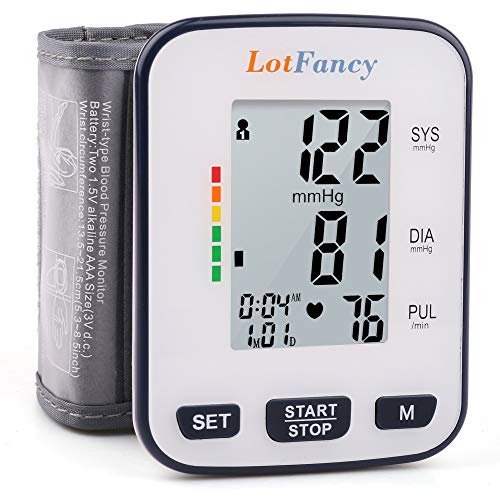
LotFancy Wrist Blood Pressure Monitor, 2-User, 120 Memory, Carrying Case

Checkme Bluetooth Wrist BP
Inside Each Recommended Option
The IMDK Arm Blood Pressure Monitor turns a daily check into a fairly simple one-button routine. Its upper-arm cuff wraps around your upper arm, while the 4.7-inch backlit display presents figures clearly in a dim bedroom or busy kitchen. The stated ±3 mmHg accuracy and support for irregular heartbeats make it a serious fit for home tracking.
Unlike the more compact Checkme models later in this list, IMDK places more emphasis on local history and detailed app notes. You can store 99 readings on the monitor, add context about activity or medication timing, and export records for a healthcare appointment. For a commuter who wants one measurement to become a useful record rather than a forgotten number, that combination is compelling.
Practical Pluses
- The 8.6-to-16.5-inch cuff covers a broad adult arm range.
- Bluetooth app support adds notes and long-term history.
- Ninety-nine onboard readings remain available without the app.
- USB-C power or four AAA batteries offers flexible charging choices.
Trade Offs
- The display and connectivity setup may occupy more space than a compact wrist model.
- Four AAA batteries are not included with the monitor.
Quick Facts
Made For
You benefit most from this monitor if detailed home records and app annotations matter more than a pocket-sized design.
Another Choice May Suit
The Checkme Black Upper Arm Bluetooth Blood Pressure Monitor with App fits travelers who prioritize a rechargeable, compact body over extensive onboard memory.
Packing a monitor for a week away calls for more than a small footprint, and this black Checkme model addresses that practical side. Its phone-like shape and low weight suit a carry-on, while the rechargeable battery can last about three months on one charge. That makes it a sensible companion for regular business travel.
Bluetooth is simply a short-range wireless connection, and here it links the monitor to the compatible phone app for stored measurements. You can also review historical data directly on the device after a measurement. Compared with the IMDK Arm Blood Pressure Monitor, the emphasis shifts from extensive notes and local storage toward portability.
A Strong Showing
- A roughly three-month charge supports travel without frequent charging.
- The compact body takes up little room in a toiletry bag.
- Thirty-second measurements keep the routine brief.
- App and onboard history support different recordkeeping preferences.
Small Caveats
- App features depend on pairing the monitor with a compatible phone.
- The upper-arm format needs more room than a wrist model during use.
Feature Snapshot
Right Fit For
This model suits frequent travelers who want an upper-arm monitor that is easy to carry and recharge.
A Better Fit Elsewhere
The Checkme Rechargeable Upper Arm Blood Pressure Monitor, 2-User, Large Cuff, App serves a shared household better because it keeps separate records for two people.
A familiar upper-arm cuff and a 30-second reading time make this green Checkme model straightforward to fold into a daily routine. The adjustable cuff spans 22 to 42 centimeters, covering standard through large adult arms. That range gives it broad household appeal, although you should compare it with your arm size before ordering.
The Bluetooth app adds organization to the measurements, while historical readings can be checked on the machine after each session. That differs from the LotFancy wrist monitor later, which relies on a smaller cuff and basic onboard memory. For a household wanting app support without a rechargeable travel-focused design, this is a balanced middle ground.
The Helpful Details
- The 22-to-42-centimeter cuff fits standard and large arms.
- Bluetooth app support provides remote record access.
- One-button operation reduces the number of steps.
- Historical readings remain viewable on the device.
Worth Noting
- Its body is less travel-focused than the smaller black Checkme model.
- The green finish may stand out more in a shared bathroom or bedroom.
Who It Suits Best
You get the most from this monitor if you want a familiar upper-arm design, app access, and a cuff suited to a broad range of adults.
Where A Sibling Pick Shines
The Checkme BP2A Upper Arm Bluetooth Blood Pressure Monitor, OLED Display offers a more refined display for anyone who values compact visual presentation.
Numbers can look cluttered on a small blood pressure screen, particularly for anyone adjusting to the systolic and diastolic figures. The BP2A uses an OLED display to present results in a cleaner format, while its 22-to-42-centimeter cuff accommodates standard through large adult arms. In a bedside setup, the visual simplicity feels considered rather than decorative.
Its 30-second measurement and one-button operation keep the process uncomplicated, and the app stores readings without a stated cap. Compared with the green Checkme monitor, the main distinction is presentation: OLED adds visual refinement, while app capacity gives you a longer digital history. That makes BP2A a natural fit for someone who wants both a clear screen and uncluttered recordkeeping.
Reasons It Performs
- The OLED display makes results easy to scan.
- Unlimited app storage avoids an onboard storage ceiling.
- The cuff covers a wide 22-to-42-centimeter range.
- Bluetooth supports convenient phone-based history.
Potential Drawbacks
- App-based record access still requires a compatible phone and setup.
Technical Highlights
Built With In Mind
This monitor suits people who find small numerical displays difficult to scan and want comprehensive app history.
Consider Something Else When
The IMDK Arm Blood Pressure Monitor, ±3 mmHg, App and Adjustable Cuff fits you better when separate 99-reading on-device history matters more than an OLED screen.
Two adults sharing a bathroom can make a one-user monitor frustrating, especially when each person wants separate history. This rechargeable Checkme model supports two profiles with 199 stored readings each, so daily records remain separated. The extra-large LCD uses oversized, high-contrast numbers for quick reading.
Its large cuff and upper-arm format suit adults who find a wrist monitor less comfortable to position correctly. The rechargeable battery removes the need for routine disposable battery changes, while Bluetooth app support extends storage to the cloud. Compared with the compact black Checkme model, this one sacrifices some portability for shared profiles, a larger display, and more local memory.
Where It Excels
- Two users can keep separate sets of 199 readings.
- The large, high-contrast LCD improves number visibility.
- A rechargeable battery simplifies routine use.
- Bluetooth app support adds cloud-based records.
- The large cuff provides a comfortable upper-arm format.
Practical Considerations
- Its larger screen and body take more space than a travel-oriented monitor.
- Cloud access depends on setting up the connected app.
Family Friendly
You benefit most from this model when two people need separate readings, generous local memory, and an easy-to-read display.
Reach For A Different Pick When
The Checkme Black Upper Arm Bluetooth Blood Pressure Monitor with App is a closer fit for carry-on travel and minimal countertop space.
A wrist monitor takes up less space than an upper-arm model, which makes it easy to keep in a drawer or carry in a small case. The LotFancy design uses an adjustable 5.3-to-8.5-inch cuff and offers separate memory for two users. It also shows an average based on the previous three consecutive records, giving you a broader view of recent results.
The trade-off is positioning. Wrist readings depend more heavily on holding the device around heart level, so the LCD is only as useful as your technique. You also receive 120 total stored readings rather than an app-based history. Compared with the Checkme Bluetooth Wrist BP, the LotFancy model is more self-contained, while the Checkme option emphasizes wireless connectivity.
Positive Points
- The compact wrist format saves counter and drawer space.
- Two-user memory separates household readings.
- The included carrying case supports portable storage.
Some Limits To Know
- Wrist placement requires more attention than an upper-arm cuff.
- Storage is limited to 120 readings without app support.
- The cuff must fit within 5.3 to 8.5 inches.
At A Glance
The Right Fit
This monitor suits people with a compatible wrist who prioritize compact storage, two profiles, and local memory over wireless apps.
Look Elsewhere When
The Checkme Rechargeable Upper Arm Blood Pressure Monitor, 2-User, Large Cuff, App fits shared homes that need larger numbers and rechargeable power.
For a small bag or a workday spent away from home, a wrist monitor offers a convenient alternative to a full upper-arm cuff. The Checkme Bluetooth Wrist BP measures systolic pressure, diastolic pressure, and pulse rate, then places the figures on a backlit LCD. Those readings can be checked in either bright rooms or dim spaces without struggling to interpret the display.
Bluetooth gives this model a wireless connection to a compatible phone, making it more connected than the self-contained LotFancy wrist monitor. You may find the lack of a stated local memory total less important if your workflow centers on connected recordkeeping. The practical limitation remains placement, so keeping the wrist level with your heart during each check matters.
A Favorable Mix
- The compact wrist format suits mobile routines.
- The backlit display remains legible in low light.
- Bluetooth supports wireless phone connectivity.
Where It May Fall Short
- Accurate positioning requires more care than an upper-arm cuff.
- Recordkeeping features depend on your connected-device setup.
Core Details
On-The-Go Choice
This model suits travelers who want a small display and wireless connectivity more than a roomy upper-arm cuff.
Swap It Out When
The LotFancy Wrist Blood Pressure Monitor, 2-User, 120 Memory, Carrying Case suits you better when onboard history and two local profiles matter.
What Matters Before You Choose
Cuff Fit and Placement
A cuff that fits properly is the foundation of a useful home monitor. Upper-arm models generally offer more placement guidance than wrist versions, while wrist devices need to remain level with your heart for the most consistent reading. Measure your arm or wrist before ordering and compare the stated range with your dimensions.
Records and Connectivity
Bluetooth creates a wireless link to a phone, allowing compatible devices to store or organize measurements outside the monitor. Local memory remains useful when your phone is unavailable, and two-user profiles help prevent household readings from becoming mixed together.
Power and Portability
Rechargeable power reduces the need to carry spare batteries, which matters during frequent travel. A large display and broad cuff can improve home convenience, though they usually make the unit bulkier. A wrist model saves space, but you should be comfortable keeping it correctly positioned.
Avoidable Errors Before You Buy
Wrong Turns To Avoid
Choosing solely by a compact design can leave you with a cuff that does not fit comfortably. Check the arm or wrist range first, and confirm that your phone supports the required Bluetooth connection. Consider whether you need offline readings, shared profiles, or annotations as well as a clear display.
What The Higher Tier Buys
Additional spending may buy rechargeable power, a larger screen, broader cuff adjustment, or more extensive app storage. Those upgrades make sense for frequent monitoring, multiple household users, or regular travel. A simple two-user wrist model remains more practical when compactness and a small carrying case matter most.
Frequently Asked Questions
Is an upper-arm monitor better than a wrist monitor?
An upper-arm monitor is generally easier to position consistently, while a wrist monitor is more compact and convenient while traveling. Your comfort, cuff size, and measurement habits matter more than the form factor alone.
Do I need a Bluetooth blood pressure monitor?
Bluetooth is useful when you want compatible phone connectivity, organized records, or notes attached to measurements. You can still benefit from a model with local memory, particularly when you travel or your phone is not nearby.
How do I know which cuff size to get?
Measure the circumference of your upper arm or wrist, then compare it with the manufacturer’s cuff range. A cuff that is too small or too loose can affect both comfort and the usefulness of your readings.
Which monitor is easiest to pack for travel?
The Checkme Black Upper Arm Bluetooth Blood Pressure Monitor with App and the Checkme Bluetooth Wrist BP both use compact designs suited to smaller bags. The wrist model takes less space, while the rechargeable upper-arm model offers a larger cuff and greater ease of placement.
What should I do with unusual readings?
Remain seated, support your arm, and repeat the measurement after allowing a short rest. Keep a record of the readings and contact a healthcare professional when consistently unusual results concern you.
Final Verdict
The best mobile blood pressure monitor for your routine depends on cuff fit, power, and recordkeeping rather than features you may never use. Upper-arm models offer a steadier approach for home use, while compact wrist options make travel easier. Match the monitor to your arm size, phone setup, and daily environment, then keep the process consistent.
