

Putting an earthing mat under or beside your bed can fit neatly into a wind-down routine, but the right form depends on where you make contact. A small pad suits feet at bedtime, while a thin cover works better when you want broad contact while lying down. Look for a grounded-outlet connection, a cord long enough to reach safely, and materials you can maintain without making your bed awkward.
The Picks In Brief
ATE Health Grounding Mat 2-Pack

GAYA Grounding Mat 24×16

Down To Ground Grounding Cover

Down To Ground Half Size Cover

Down To Ground Grounding Foot Mat

GroundLuxe Foot Grounding Mat with Cord, Adapter and Tester
The Strengths Of Each Pick
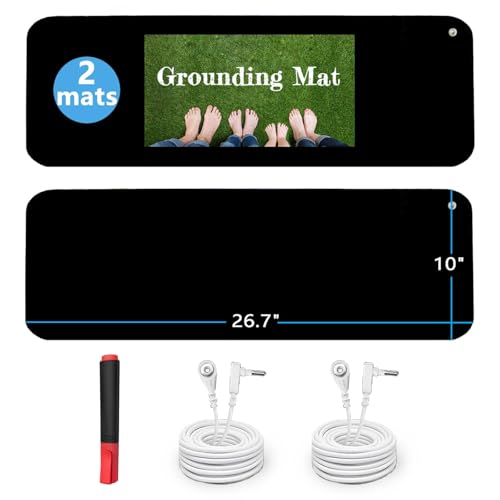
You may want one mat beside the bed and another near a desk or sofa. This two-pack covers both positions without requiring you to move a single pad around, and each mat measures 10 by 26.7 inches, giving your feet or hands a defined contact area.
Compared with the later mattress-cover options, the ATE Health set stays visible and portable. A vegan leather conductive layer sits over an SBR foam base, while the 15-foot cords include a 100,000-ohm resistor, which limits electrical current through the connection.
What Helps Most
- Two mats let you maintain contact in two locations.
- Each generous pad accommodates feet, hands, or other contact points.
- The 15-foot cords offer flexible placement around a bed.
- A grounding pen helps you check the connection path.
- The kit includes both cords, an adapter, the pen, and a guide.
Practical Considerations
- You need a properly grounded outlet within reach of each cord.
- The mat does not operate as a powered device, so the wall connection remains essential.
Quick Facts
Right Fit For
You benefit most from this set if you want grounding contact in two separate places or plan to share the pads across a bedroom and workspace.
Where Another Pick Suits Better
Choose the Down To Ground Grounding Cover instead when you want contact spread beneath a fitted sheet rather than from loose bedside pads.
A compact pad can feel less intrusive beside a bed than a wide sheet. At 24 by 16 inches, the GAYA mat offers enough room for both feet while remaining small enough for a bedside floor, couch, or desk setup.
Compared with the ATE Health two-pack, GAYA concentrates the setup into one layered pad with a corner cord connection. Its conductive carbon center sits between a PU top and non-slip base, giving you a stable surface without taking up much room.
The Practical Payoff
- The 24-by-16-inch size works well for two bare feet.
- A three-layer build combines a conductive center, PU top, and non-slip base.
- The 15-foot cord reaches a bed, desk, or couch.
Trade Offs
- You may find the smaller surface less suitable for hand and foot contact together.
- Setup requires a grounded wall outlet.
- No sensation is expected, so you cannot judge the connection by touch alone.
Made For
This pad suits you best when your grounding routine centers on foot contact at the bedside or during a seated desk break.
Consider Something Else When
The Down To Ground Half Size Cover may suit you better when you want grounding contact beneath a fitted sheet across part of the bed.
You get a different experience from a cover that sits beneath your fitted sheet rather than a pad touching only your feet. This Down To Ground design spreads the conductive surface across part of the mattress, so your normal bedding remains on top.
Unlike the GAYA foot mat, the cover relies on a slim 2-millimeter sheet with micro-perforations for airflow. Adjustable straps help hold it in place, and the included 15-foot cord reaches a nearby grounded outlet.
Positive Points
- Contact extends across a larger section of the bed.
- The 2-millimeter profile fits beneath a fitted sheet.
- Micro-perforations support airflow during use.
- Adjustable straps help limit shifting.
Small Caveats
- You must position the cover carefully so the connection point and strap remain secure.
- Monthly wiping and a grounded outlet are part of the routine.
Feature Snapshot
Who Will Love This
You will appreciate this cover if you prefer a largely undisturbed bed and want broad contact beneath your sheets while resting.
A Better Fit Elsewhere
The Down To Ground Half Size Cover offers a clearer half-size label for shoppers who want to narrow the coverage deliberately.
The half-size format answers a practical bedroom question: how much of the mattress should carry the conductive layer? This cover stays beneath your fitted sheet, allowing you to keep your usual bedding while adding contact over part of the sleeping surface.
The main difference from the Down To Ground Grounding Cover is its clearer half-size identification. Both use a 2-millimeter conductive PU leather sheet, micro-perforations, adjustable straps, and a 15-foot cord with an adapter.
Everyday Wins
- The slim design remains manageable beneath a fitted sheet.
- Perforations encourage airflow through the cover.
- Straps help keep the material aligned with the mattress.
Things To Consider
- Half coverage may suit you less than a full mattress layer.
- You need to compare the fit with your mattress dimensions and sheet style.
- The outlet and cord must reach without creating a trip hazard.
Built With In Mind
This cover suits you best when a smaller conductive section feels more practical than covering the entire mattress.
Another Choice May Suit
Choose the Down To Ground Grounding Cover instead when you want the option of broader coverage across a full, queen, king, or California king bed.
Some bedtime routines need almost no setup. Place this floor mat near the bed, connect its cord to a grounded outlet, and rest your bare feet on the surface while you read or settle down for the night.
Where the Down To Ground covers sit under your sheets, this foot mat remains separate from the mattress. That makes it a practical choice for renters, shared rooms, or anyone who does not want a conductive layer inside their bedding.
Why It Works Well
- The floor-level format stays simple to set up.
- You can move it between a desk, couch, and bedside.
- The included adapter supports connection to a grounded outlet.
- A damp-cloth cleaning routine keeps maintenance uncomplicated.
Details To Watch
- Your cord may cross a walking route, so route it carefully.
- You need a grounded outlet close enough for the connection.
Technical Highlights
Who Should Grab It
You should consider this mat if your grounding routine involves bare feet and you prefer a separate floor pad over bedding-mounted coverage.
Reach For A Different Pick When
The ATE Health Grounding Mat 2-Pack may suit you better when you want two separate contact areas and a connection pen.
A grounding mat that stays put makes a bedside routine easier to maintain. GroundLuxe emphasizes a thicker vegan leather-like surface, a rubber backing for traction, and sewn edges designed to resist fraying and curling.
Compared with the Down To Ground floor mat, the GroundLuxe design focuses more closely on edge construction and surface thickness. The included 15-foot cord, outlet adapter, and connection tester also give you the basic pieces needed to establish and check the connection.
The Upside
- A rubber backing helps reduce movement during use.
- Sewn edges address curling and fraying at the perimeter.
- The leather-like top provides a smooth foot-contact surface.
- The connection tester helps verify the grounding path.
- The kit includes a cord and outlet adapter.
Worth Noting
- The thicker profile takes more room than a thin under-sheet cover.
- You still need a properly grounded outlet for the connection.
Core Details
The Right Fit
This mat suits you best if you place it beside the bed regularly and value a substantial surface with reinforced edges and a non-slip base.
Swap It Out When
The GAYA Grounding Mat 24×16 may be easier to manage when compact storage and a smaller three-layer foot pad matter more to you.
What Matters Before You Choose Your Bed Grounding Setup
Match the Format to Your Contact Area
A loose foot pad works best when you can place bare feet on it beside the bed or under a desk. A mattress-style cover suits you when you want conductive contact spread across the sleeping area under a fitted sheet. Compare the stated dimensions with your mattress, sheet depth, and available floor space before ordering.
Check the Connection Path
Every option requires a grounded wall outlet, so outlet location can determine which mat fits your room. A 15-foot cord provides useful placement flexibility, but you still need to route it without creating a walking hazard. Confirm that the required adapter is included for your outlet style.
Consider Layers and Everyday Care
Conductive PU leather, carbon layers, and foam backings serve different purposes. PU leather is smooth and easy to wipe, while foam adds cushion beneath a pad. For an under-sheet cover, micro-perforations and adjustable straps matter because they affect airflow and positioning. Follow the stated care guidance rather than soaking or folding the material.
Grounding Mat Mistakes and Upgrade Choices
Mistakes Worth Dodging
Do not judge the connection by whether you feel anything, because grounding can remain subtle. Avoid placing a pad where the cord crosses a walkway, and confirm that your outlet is properly grounded. Also check the mat dimensions before purchase so it fits your bed, sheet, and intended contact position.
What Separates Premium From Basic
Higher-tier designs often improve edge reinforcement, surface thickness, backing traction, or connection accessories. Those upgrades help most when you move the mat regularly or use it beside a bed every night. A simpler foot pad remains more practical when low maintenance and a smaller footprint are your priorities.
Frequently Asked Questions
Do earthing mats need electricity?
An earthing mat does not run on electricity like a powered wellness device. Its cord and resistor create a connection path to a properly grounded outlet, so the outlet remains necessary.
Can you put an earthing mat under a fitted sheet?
You can use the Down To Ground cover models under a fitted sheet because their thin design is intended for that placement. Check your sheet depth and make sure the cover lies flat without folding.
Which size grounding mat is best for a bed?
The best size depends on whether you want foot contact or broader coverage. The GAYA mat measures 24 by 16 inches for feet, while the Down To Ground covers spread across part or all of a mattress.
How far does the grounding cord reach?
The ATE Health, GAYA, Down To Ground covers, and GroundLuxe include 15-foot cords. Measure from the intended mat position to the outlet so you do not need an extension or excess cord across the floor.
Are grounding mats safe to use?
Follow the product instructions and use the supplied connection cord with a properly grounded outlet. Have an electrician check questionable wiring before connecting any grounding mat.
The Takeaway
For bed-based use, the Down To Ground covers prioritize broad contact beneath your sheets, while the ATE Health two-pack and Down To Ground foot mat offer flexible floor or bedside options. The GAYA mat suits compact foot contact, while GroundLuxe focuses on reinforced edges and traction. Match the form to your routine, confirm the outlet connection, and choose the layout that fits your room without creating an awkward bed or walking area.
