

Gas pressure can disrupt a commute, interrupt a meal, or turn an ordinary evening into an uncomfortable countdown. You need a remedy that matches the cause: trapped gas, acid-related discomfort, an infant’s upset tummy, or broader digestive support. The six options below cover different situations, so the right choice depends on the symptoms you actually experience.
Your Options, Compared

GenCare 180mg Gas Relief
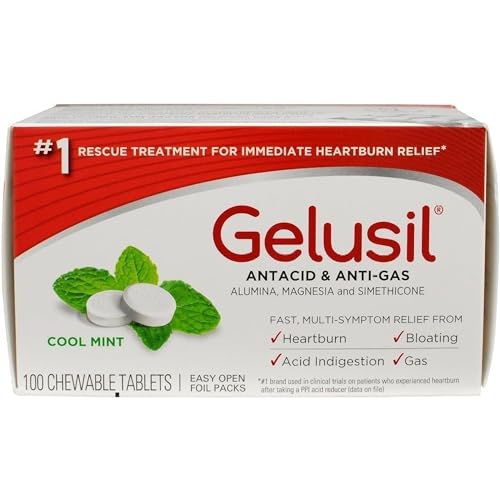
Gelusil Anti-Gas Tablets 100 Count

Wellements Gripe Water 4 Fl Oz

purmeo 5-in-1 H. Pylori Probiotic, Pylopass 30ct

purmeo Lab4 Probiotic for IBS, Gas

Bestmade BM12 Hyperacidity Digestive Relief Drops 30 mL
A Closer Look At Each Pick
GenCare takes the direct route for gas pressure and bloating. Its simethicone works as an anti-foaming agent, helping small bubbles in the stomach and intestines gather into larger pockets that may be easier to pass. That makes it a sensible match after a meal that leaves you uncomfortable and distended.
Each easy-to-swallow softgel contains 180 mg of simethicone, and the bottle includes 180 softgels. Unlike Gelusil’s broader acid-and-gas approach, this option focuses on the gas-bubble problem itself, so it may feel like a cleaner fit for occasional symptoms rather than heartburn.
A Few Highlights
- The 180 mg strength suits adults seeking a more concentrated gas-focused formula.
- Softgels are discreet and easier to swallow than large chewable tablets.
- The 180-count bottle can cover repeated household use without a small package.
- Use with water after meals or before bedtime fits several common symptom times.
Things To Consider
- It is intended for gas and bloating rather than acid neutralization.
- Children under 12 should have a doctor consulted before use.
Key Specs
Who It Suits Best
You benefit most from this option when recurring gas and bloating are your main digestive complaints.
A Better Fit Elsewhere
Choose Gelusil Anti-Gas Tablets 100 Count instead when heartburn and sour-stomach discomfort accompany gas.
Gelusil covers two common digestive complaints with one chewable tablet. Its antacid action reduces excess stomach acid, while its anti-gas action targets pressure from trapped bubbles. That combination makes it useful after a rich meal when you feel both heartburn and bloating.
The cool-mint tablets are easy to carry and need no water, a practical advantage during travel or a workday. Compared with GenCare 180mg Gas Relief, this option trades concentrated gas action for a wider acid-and-gas profile.
Noteworthy Benefits
- One tablet addresses both heartburn and gas-related pressure.
- Chewable format suits moments when water is inconvenient.
- The 100-count bottle works well for home, office, or travel storage.
- Cool mint adds a refreshing taste to a functional tablet.
Practical Considerations
- Chewing several tablets may be less convenient than swallowing one softgel.
- The cool mint flavor may not appeal to you, although it is mild.
- Its broader formula is unnecessary for gas alone.
Quick Facts
Made For
This option fits you best when gas often arrives with sour stomach, acid indigestion, or heartburn.
Another Choice May Suit
purmeo Lab4 Probiotic for IBS, Gas may suit you better when your priority is ongoing bowel regularity rather than quick symptom relief.
Wellements is built for a different user than the adult tablets in this list: a baby experiencing occasional gas, colic-related fussiness, or hiccups. The liquid contains organic chamomile, fennel seed, and ginger root, giving it a gentler profile than a concentrated simethicone softgel.
The 4 fl oz bottle works well for a diaper bag or nursery, where portability matters more than a large tablet supply. In practice, parental guidance remains important because young infants can have symptoms with several underlying causes.
The Case For It
- The liquid format avoids the need to crush a tablet for a baby.
- Organic chamomile, fennel, and ginger provide a recognizable herbal profile.
- The bottle is sized for a diaper bag, nightstand, or travel bag.
Where It May Fall Short
- It is intended for infants, not adult digestive complaints.
- A 4 fl oz supply may need replenishing more often than tablets.
- Persistent infant symptoms deserve professional guidance.
Built With In Mind
You benefit most from this formula when you are caring for an infant with occasional gas or related fussiness.
Look Elsewhere When
GenCare 180mg Gas Relief is the more relevant option for an adult seeking direct action on trapped gas.
This formula is a different approach from the symptom-focused options above. It combines Pylopass Lactobacillus reuteri with L-glutamine, zinc carnosine, mastic gum, slippery elm, and Boswellia extracts to support the stomach lining, meaning the protective mucus layer that covers the stomach wall.
The one-per-day format and individual foil packets suit a routine you expect to maintain. It may appeal when recurring post-meal discomfort and reflux are the main concerns, although a probiotic is not a substitute for evaluating persistent symptoms or suspected H. pylori infection.
A Few Strong Suits
- Five complementary components target stomach comfort from several angles.
- Individual packets make daily use and travel convenient.
- No refrigeration is required, simplifying storage.
- The 30-count supply fits a one-month daily routine.
Points To Keep In Mind
- This is ongoing support, not an immediate trapped-gas option.
- You may need professional advice before adding a supplement to your routine.
- Persistent reflux or gastric symptoms should be medically evaluated.
Feature Breakdown
The Right Fit
This option suits you best when you want a structured daily supplement for recurring gastric comfort concerns.
Swap It Out When
Bestmade BM12 Hyperacidity Digestive Relief Drops 30 mL may align better with your preference for a liquid homeopathic formula.
Lab4 focuses on a wider pattern of digestive discomfort rather than gas alone. A probiotic contains live microorganisms intended to support the balance of organisms in your digestive tract. This formula may be most relevant when gas and bloating appear alongside loose stools, constipation, cramping, or bowel urgency.
The complete Lab4 group includes five identified strains, and the bottle provides a 60-day supply at one capsule daily. Compared with purmeo 5-in-1 H. Pylori Probiotic, Pylopass 30ct, its emphasis is bowel regularity rather than gastric-lining support.
Well-Handled Touches
- Five named strains provide a more detailed probiotic profile.
- The formula may support gas, bloating, cramping, and bowel regularity together.
- StabilityMax and TriPhase technologies are designed to support potency without refrigeration.
- One daily capsule and a 60-day supply keep the routine uncomplicated.
Possible Compromises
- Daily probiotic use may not suit anyone seeking an occasional tablet.
- You may need guidance before using a supplement with an existing health condition.
- Symptoms that fluctuate or worsen deserve clinical evaluation.
Who Should Grab It
This formula fits you best when gas is one part of a broader pattern of digestive irregularity.
Reach For A Different Pick When
GenCare 180mg Gas Relief makes more sense when isolated gas pressure is your only recurring complaint.
BM12 takes the homeopathic route and is formulated for a broad collection of digestive complaints, including flatulence, heartburn, cramps, poor appetite, and sour belching. The liquid format may be appealing if you prefer drops over capsules, tablets, or softgels.
Its 30 mL bottle also feels convenient enough for a bedside table or travel pouch. The trade-off is that homeopathic products operate under a different framework from the simethicone and probiotic options here, so personal preference matters when comparing the six choices.
Useful Touches
- The 30 mL drop format is simple to store and carry.
- The formula targets flatulence alongside several other digestive discomforts.
- It offers a distinctive alternative for shoppers seeking homeopathic support.
Less Ideal Details
- The homeopathic approach may not align with your preferred type of digestive support.
- Its broad symptom focus offers less specificity than GenCare 180mg Gas Relief.
- Persistent digestive complaints should be discussed with an appropriate doctor.
Core Details
Whose Shelf It Belongs On
You benefit most from this option when you prefer homeopathic digestive support in a convenient liquid format.
Not Your Match When
Gelusil Anti-Gas Tablets 100 Count is a more direct fit for gas accompanied by heartburn and acid indigestion.
Matching The Formula To Your Symptoms
The right flatulence remedy depends less on marketing language and more on the pattern of discomfort you have. A symptom-focused tablet, an infant liquid, and a daily probiotic serve different purposes, so matching the format to the situation makes the choice easier.
Identifying The Main Discomfort
Simethicone targets trapped gas by helping bubbles combine, while an antacid neutralizes stomach acid. Choose based on the sensation that bothers you most: pressure and distension point toward gas, whereas burning or sour stomach suggests an acid-related formula. Products such as Gelusil combine both actions.
Comparing Immediate And Ongoing Support
A softgel or chewable tablet may fit an occasional episode after a large meal. A probiotic is designed for ongoing digestive support and may take more time to fit your routine. The practical difference is convenience: symptom products suit occasional use, while daily supplements require consistency.
Checking Age And Health Context
Age changes which options make sense. Wellements is formulated for infants, while GenCare 180mg Gas Relief directs you to consult a doctor for children under 12. Adults using a supplement should also consider existing health conditions and ask an appropriate healthcare professional for guidance.
Considering Format And Routine
Softgels swallow compactly, chewable tablets need no water, drops travel in a small bottle, and foil packets suit a daily capsule or powder. In your view, the easiest format to use consistently will usually fit your routine better than a more elaborate option you may forget.
Common Traps In Digestive Support
Mistakes Worth Dodging
Choosing by symptom name alone can hide important differences between products. Check whether your discomfort is primarily gas, acid, or a recurring bowel pattern, and confirm the intended age group. Supplements also deserve a separate review before they become part of your routine.
What Separates Premium From Basic
The higher-priced choices here add broader formulas, specialized strains, manufacturing standards, or travel-friendly packaging. The upgrade matters when you value ongoing gastric support or precise probiotic strains; basic tablets make more sense for occasional, clearly gas-related discomfort.
Frequently Asked Questions
Which option works best for trapped gas?
GenCare 180mg Gas Relief is the most direct match because simethicone helps gas bubbles gather and pass more easily. It focuses on gas and bloating rather than stomach acid.
Does Gelusil cover both heartburn and gas?
Yes. Gelusil combines acid-neutralizing support with anti-gas action, making it useful when heartburn and bloating occur together. It is broader than a gas-only softgel.
Can a probiotic support gas-related discomfort?
A probiotic may support broader bowel regularity and digestive balance over time. It is not designed to act like an immediate gas-relief tablet, so your expectations matter.
Is Wellements Gripe Water intended for newborns?
The product is labeled for newborns and older babies, but you should follow the label and discuss infant digestive symptoms with your child’s doctor. Persistent crying, feeding problems, or marked discomfort require professional advice.
When should recurring gas be medically evaluated?
Arrange an evaluation when gas persists or comes with severe pain, vomiting, weight changes, or blood in the stool. A doctor can assess the pattern and recommend appropriate next steps.
Wrap Up
Your clearest choice depends on the symptom pattern. Go with GenCare for concentrated gas relief, Gelusil for combined acid and gas discomfort, Wellements for infant fussiness, or one of the purmeo formulas for ongoing digestive support. Matching the format, age group, and duration to your routine gives you the most useful starting point.
