

A dog dragging across the carpet or licking its rear often leaves you wondering whether diet is behind the discomfort. The most useful products approach this problem in different ways, from fiber-focused chews to probiotic blends and complete dog foods. These options suit households managing occasional loose stools, supporting anal-gland function, or simply refining a dog’s everyday meal.
A Fast Comparison Of The Options

Pet Honesty Scoot Stopper Pumpkin Chews, 90 Ct

NaturVet No Scoot Stool and Bowel Chews

Yorpets Probiotic Soft Chews with Prebiotics and Enzymes

Hill’s Science Diet Adult 1-6 Small Bites Dog Food
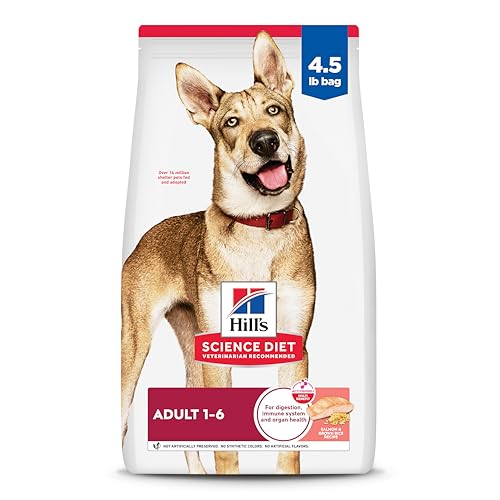
Hill’s Science Diet Adult 1-6 Dry Dog Food

Hill’s Science Diet Adult 1-6 Wet Dog Food
A Closer Look At Each Pick
Floor-dragging can leave you cleaning carpets while wondering whether your dog’s stool needs firmer structure. Pet Honesty takes the narrow route with a fiber-focused chew combining pumpkin seed, sweet potato, and concentrated insoluble fiber, which is the type of fiber that adds bulk without being fully digested.
The formula is aimed at small and medium dogs whose occasional loose stools and anal-gland irritation make scooting a recurring nuisance. It may suit a household seeking one targeted chew instead of a broad digestive blend, though consistent stool patterns still depend on the rest of the diet.
Strong Points
- Concentrated fiber gives loose stools more structure while supporting normal anal-gland emptying.
- Pumpkin seed and sweet potato provide a familiar, food-based foundation.
- Soft chews avoid the powder-and-tablet routine that some dogs resist.
- The formula excludes wheat, soy, genetically modified ingredients, and artificial preservatives.
Things To Consider
- This is a targeted fiber chew, not a multi-strain probiotic formula for broader gut support.
- Persistent pain, bleeding, or continued rear licking deserves veterinary attention rather than relying on a chew alone.
Quick Facts
Built With In Mind
This chew best suits small and medium dogs with recurring scooting and loose stool who need a fiber-focused daily option.
Another Choice May Suit
Yorpets Probiotic Soft Chews suit dogs whose priority is multi-strain, enzyme-based digestive support rather than a single fiber strategy.
Not every household needs an elaborate probiotic system, and NaturVet takes a more restrained approach. Pumpkin, beet pulp, and psyllium husk provide a recognizable blend of soluble and insoluble plant fibers in a soft chew made for adult and senior dogs.
For a dog that scoots occasionally and needs help with bowel regularity, the short ingredient list makes this an understandable choice. Compared with Pet Honesty Scoot Stopper Pumpkin Chews, it uses a broader blend of familiar fibers but places less emphasis on a single concentrated fiber source.
The Upside
- Pumpkin, beet pulp, and psyllium husk support stool structure from several fiber sources.
- The formula is designed with both anal-gland function and normal bowel function in mind.
- Soft chews suit senior dogs that may resist tablets or harder supplements.
- Made in the USA without wheat.
Worth Noting
- It does not provide the multiple probiotic strains and digestive enzymes found in the Yorpets formula.
- The 120-chew container represents more individual units than the 90-count Pet Honesty option, which may matter for storage and replenishment routines.
Feature Snapshot
Made For
This formula best suits older dogs with occasional scooting who respond well to a simple, fiber-centered chew.
Where A Sibling Pick Shines
Pet Honesty Scoot Stopper Pumpkin Chews offer a more concentrated fiber approach for small and medium dogs whose main concern is anal-gland support.
A broader digestive formula becomes relevant when stool changes follow a new food, travel, stress, or a general desire for everyday gut support. Yorpets combines live microorganisms, prebiotics, enzymes, pumpkin, and papaya in a duck-flavored chew, making it a different approach from the two fiber-focused options above.
Each chew provides 1.5 billion colony-forming units, or CFU, a measure of viable microorganisms. The formula includes eight probiotic strains, Bacillus coagulans, fructooligosaccharides, inulin, and four digestive enzymes, so it may suit dogs needing a more comprehensive routine, although it does not directly focus on anal-gland emptying.
Where It Excels
- Eight strains provide wider microbial variety than a single-strain product.
- Cold pressing avoids the high heat associated with conventional baked chews.
- Prebiotics feed beneficial microorganisms while four enzymes assist food breakdown.
- The duck flavor and soft texture make administration easier for selective eaters.
- A 90-chew jar provides a substantial routine supply.
Minor Gripes
- The multi-ingredient formula may be more complex than a straightforward fiber chew.
- It is designed for broad digestive support rather than a specifically targeted anal-gland routine.
Technical Highlights
Who It Suits Best
This formula suits dogs of all breeds and sizes whose stool irregularity is part of a wider digestive-support routine.
A Better Fit Elsewhere
NaturVet No Scoot Stool and Bowel Chews are a simpler choice for a dog whose only priority is adding structured fiber and supporting anal-gland function.
Small dogs can make dry kibble look oversized at mealtime, especially for picky eaters or senior pets with less enthusiastic chewing. Hill’s Science Diet Adult 1-6 Small Bites addresses that practical issue with bite-sized pieces intended for adult dogs from one to six years old.
This is a complete-meal approach rather than a targeted anal-gland chew, so it belongs in the foundation of your dog’s diet. The honest read is that bite size may improve daily usability, but a firm stool also depends on the food’s composition, portion, water intake, and your dog’s overall routine.
What Helps Most
- Small pieces suit smaller mouths and make dry food easier to handle.
- The age range centers on healthy adult dogs in their main years.
- Dry kibble offers a familiar format for many feeding setups.
Practical Considerations
- Small bites can be inconvenient for large breeds that handle standard kibble without difficulty.
- This food does not provide the targeted fiber approach offered by the supplement chews.
The Right Fit
This dry food best suits small adult dogs whose main mealtime concern is manageable kibble size.
Reach For A Different Pick
Hill’s Science Diet Adult 1-6 Dry Dog Food offers larger kibble options for dogs that do not need bite-size pieces.
Standard dry food becomes more useful when you can choose a bag that fits your dog’s size and your storage space. This Hill’s Science Diet Adult 1-6 Dry Dog Food listing includes options ranging from 4 pounds to 33 pounds, giving households a practical way to match package size to consumption.
Its role is everyday nutrition, not a direct response to anal-gland discomfort. Compared with Hill’s Science Diet Adult 1-6 Small Bites Dog Food, it suits dogs whose mouths handle conventional kibble and whose households want more flexible bag sizes.
Well-Handled Touches
- Seven package sizes offer flexibility for different dog sizes and storage needs.
- Dry food provides a familiar option for standard household feeding routines.
- The age label is clearly aimed at adult dogs from one through six years old.
Possible Compromises
- It addresses complete daily feeding rather than specifically targeting loose stool or anal-gland function.
- Owners with limited cabinet space may prefer a smaller bag despite frequent replenishment.
Whose Shelf It Belongs On
This food suits adult dogs with normal-sized mouths and households wanting several dry-food bag sizes.
Consider Something Else
Hill’s Science Diet Adult 1-6 Wet Dog Food better suits dogs that prefer moist meals or need a change from dry kibble.
Some dogs ignore dry kibble but happily finish a moist meal, making format a more important decision than people expect. This wet food provides several recipe options, including beef, chicken, salmon, barley, vegetable stew, and a variety pack for adult dogs from one to six years old.
Protein, digestible ingredients, an antioxidant blend, omega-6 fatty acids, vitamin E, vitamins, minerals, and amino acids form the nutritional foundation. It can fit a stool-focused routine through consistent feeding, but it does not directly target anal-gland emptying like the two dedicated chews do.
Useful Strengths
- Multiple recipes make it easier to accommodate a selective dog.
- Moist food suits dogs that show little interest in dry kibble.
- Omega-6 fatty acids and vitamin E support the food’s skin and coat positioning.
- A choice of individual recipes and a variety pack adds feeding flexibility.
Small Caveats
- Wet food is a feeding-format choice, not a dedicated stool-firming supplement.
- Recipe preferences may require testing more than one flavor before finding a dependable match.
Core Details
Who Will Love This
This wet food suits adult dogs that prefer moist meals and benefit from having several recipe options.
Swap It Out
Hill’s Science Diet Adult 1-6 Dry Dog Food is a better fit for dogs that eat standard kibble and your household prefers dry meals.
Building A Better Stool-Firming Routine
Start With The Actual Pattern
Loose stool after a new meal, occasional floor-dragging, and a consistently irregular pattern are different situations. A fiber-focused chew may suit the first two, while a broader probiotic formula addresses a more varied digestive routine. Keep a simple record of food changes, stool appearance, and any other symptoms to help your veterinarian understand the pattern.
Match The Formula To The Concern
Pet Honesty and NaturVet emphasize fiber and anal-gland support, while Yorpets uses probiotics, prebiotics, and enzymes. A dog that responds well to a simple pumpkin-based approach may not need a more involved formula. Conversely, occasional stool changes tied to varied food intake may justify broader digestive support.
Treat Food As The Foundation
Dry and wet dog foods can support regular meals, but neither food format automatically creates firm stool. Compare fiber content, ingredient suitability, feeding consistency, and your dog’s chewing needs. Persistent anal-gland pain, bleeding, or marked discomfort calls for professional veterinary assessment rather than repeated supplement changes.
Practical Decisions Before You Buy
Mistakes Worth Dodging
Choosing solely by packaging claims can lead you to overlook the actual issue behind the stool change. A scooting-focused chew, broad probiotic blend, and complete dry food serve different purposes, so matching the format to the concern matters. Avoid introducing several new products at once, since that makes it harder to identify which change affected your dog’s stool.
What Separates Premium From Basic
More involved formulas often include several microbial strains, multiple digestive enzymes, or a broader fiber blend. That complexity may be worthwhile for a dog with varied digestive symptoms, while a straightforward fiber chew can be more practical for an otherwise consistent eater. The useful upgrade is the formula that matches your dog’s needs, not simply the one with more ingredients.
Frequently Asked Questions
What Food Helps Firm a Dog’s Stool?
Fiber-rich ingredients and fiber-focused supplements are common choices for supporting more structured stool. The food’s overall composition, consistency, and your dog’s individual response also matter.
Are Probiotic Chews Better Than Fiber Chews?
Probiotic chews support a broader digestive routine with live microorganisms, prebiotics, and enzymes. Fiber chews concentrate more directly on adding bulk and supporting regular elimination.
Can Dry or Wet Dog Food Help With Loose Stools?
A consistent, suitable diet can support regular digestion, but neither format is automatically a stool-firming solution. Look at the food’s composition and discuss persistent loose stools with your veterinarian.
Should I Use A Supplement With Dog Food?
Using a supplement alongside a complete meal can be reasonable when its formula addresses your dog’s particular pattern. Your veterinarian can help assess recurring scooting, pain, or stool changes before you add another product.
When Should Scooting Prompt A Veterinary Visit?
Repeated scooting accompanied by pain, swelling, bleeding, or licking that continues needs veterinary evaluation. These signs may point to an issue that a dietary supplement alone cannot address.
Final Verdict
Start with the problem your dog actually shows: focused fiber for recurring scooting, a broader probiotic blend for wider digestive support, or a well-fitting everyday food for the meal itself. Keep the rest of your dog’s diet consistent, track changes, and seek veterinary guidance for persistent discomfort. A thoughtful match matters more than an expensive or complicated formula.
