

A slow morning can turn a routine trip to the bathroom into a frustrating calendar check. Herbal infusions and senna-based options approach bowel regularity differently, so your preferred format, ingredient list, and schedule deserve equal attention. This roundup compares six choices for occasional constipation, with extra attention to the details that shape everyday use.
A Closer Look At The Lineup
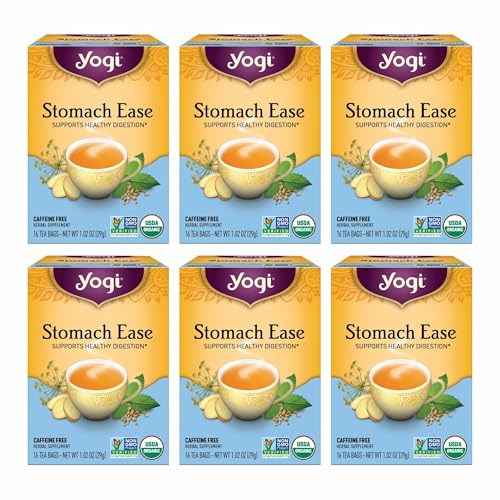
Yogi Stomach Ease Tea

PIÑALIM Pineapple Tea Extra Strength

Prunelax Ciruelax Regular Strength Senna Mini Tablets, 120 Count

MANASUL Classic Senna, Peppermint and Lemon Balm Tea, 50 Sachets

Prunelax Maximum Relief Senna Tablets, 200 Count, Vegan, Gluten-Free

Prunelax Extra Strength High-Strength Senna Tablets, 120 Count
More Details On Our Top Picks
A warm cup works well when digestive comfort matters more than a strongly laxative effect. Yogi Stomach Ease Tea centers on fennel, licorice, peppermint, cardamom, coriander, and ginger, giving you a layered herbal profile rather than a single-ingredient infusion.
Compared with MANASUL Classic’s senna-led blend, this tea focuses on soothing digestion and comfort. The six-pack format makes it easier to keep several boxes on hand, although the daily ritual does take seven minutes of steeping time.
Strong Points
- Six botanicals create a more nuanced cup than a single-herb tea.
- Sweet fennel and licorice balance the sharper notes of peppermint and ginger.
- The vegan, USDA Organic, and non-GMO attributes suit ingredient-conscious routines.
- A two-bag option is listed for a stronger brew.
Things To Consider
- Its digestive-comfort positioning differs from a direct senna-based infusion.
- Allow seven minutes for steeping, plus more time for an extra bag.
Key Specs
Who It Suits Best
This choice suits you when a warm, multi-herb digestive tea fits your routine better than a single-purpose laxative product.
A Better Fit Elsewhere
MANASUL Classic Senna, Peppermint and Lemon Balm Tea suits you more when your priority is an infusion formulated around senna for bowel regularity.
A fruit-forward cup can make a tea routine feel less medicinal, and PIÑALIM Pineapple Tea Extra Strength takes a clear botanical direction. Its pineapple identity sets it apart from the fennel, spice, and mint profiles that dominate the rest of this list.
That difference is appealing for people who prefer a distinctive flavor, but “extra strength” alone does not establish a constipation-specific action. Compare the botanical ingredients and serving directions before deciding whether this tea belongs in your routine.
Features That Help
- Pineapple gives the selection a fruit-led identity.
- The extra-strength positioning adds a clear point of differentiation.
- The single-pack format suits a trial before a larger purchase.
Honest Caveats
- The flavor profile may not appeal to traditional herbal-tea drinkers.
- Check the ingredient panel to understand which botanicals support the blend’s intended use.
Made For
This tea suits you when a pineapple-centered infusion and a simple single-pack format matter more than a familiar digestive-herb profile.
Consider Something Else When
Yogi Stomach Ease Tea suits you more when a clearly listed blend of fennel, licorice, peppermint, and warming spices better matches your digestive-tea preferences.
Some bowel routines work better on a predictable schedule, and this mini-tablet option is designed for use before bed with results described as arriving by morning. The listed 8-to-12-hour window makes timing more important than it is with a daytime tea.
Unlike Yogi Stomach Ease Tea, this regular-strength product relies on senna leaf extract for its bowel-directed positioning. The 120-tablet supply and compact format suit occasional users who prefer a portable tablet over a brewed infusion.
Where It Helps
- The overnight timing supports planning around your morning routine.
- Regular strength offers a less intensified starting point than the extra-strength selection.
- Mini tablets are easy to carry without a brewing setup.
- Vegan and gluten-free attributes broaden dietary compatibility.
Points To Note
- Tablet use requires planning because the listed effect window spans 8 to 12 hours.
- It is not a tea, so you lose the calming ritual and beverage volume of an infusion.
Quick Facts
The Right Fit
This option fits you when a small tablet, regular strength, and an overnight schedule align with your occasional constipation routine.
Another Choice May Suit
MANASUL Classic Senna, Peppermint and Lemon Balm Tea suits you more when you prefer a warm infusion with a 50-sachet supply.
MANASUL Classic gives you a tea-based approach with senna as the central botanical, joined by peppermint, lemon balm, licorice, and anise. That formula is more directly aligned with bowel regularity than Yogi Stomach Ease Tea’s broader digestive-comfort positioning.
The 50-sachet box offers a generous supply for occasional routines, and each infusion preserves the familiar experience of preparing and drinking tea. It works best for you when that brewing ritual matters as much as the botanical profile.
Practical Advantages
- Senna provides a clearly identified bowel-directed component.
- Peppermint and anise add a more aromatic herbal character.
- Lemon balm and licorice broaden the infusion beyond a single plant.
- All listed botanicals are described as organically sourced.
- The 50-count box provides a practical reserve.
Where It May Fall Short
- Senna-based products can affect people sensitive to stimulant laxatives, so seek professional guidance when appropriate.
- The large box takes more storage space than a small tea or tablet pack.
Feature Card
Who Will Love This
This blend suits you when you want an herbal infusion centered on senna and prefer drinking tea over swallowing tablets.
Reach For A Different Pick When
Prunelax Ciruelax Regular Strength Senna Mini Tablets suit you more when portability and an overnight tablet routine matter more than brewing.
A larger tablet supply changes the practical side of an occasional-use routine, particularly for people who do not want to reorder frequently. This Prunelax Maximum Relief option contains 200 tablets and uses senna plant extracts as its featured botanical.
Compared with the 120-count regular-strength mini tablets, the tradeoff is a larger container and a “maximum relief” positioning rather than the smaller format. Its vegan and gluten-free attributes are useful for shoppers who screen those details before buying.
Noteworthy Benefits
- The 200-tablet count reduces how often you need another supply.
- Senna provides a clearly stated botanical basis for bowel movement support.
- The formula is presented for occasional use rather than a daily routine.
Small Caveats
- A larger count means more storage space, which matters in a compact bathroom cabinet.
- The maximum-relief positioning is a stronger direction than the regular-strength mini tablet option.
Built With In Mind
This choice suits you when a substantial tablet reserve and plant-based senna are more important than a compact tea format.
Swap It Out When
Prunelax Extra Strength High-Strength Senna Tablets suit you more when you prefer two smaller 60-count bottles over one 200-tablet supply.
Your choice comes down to strength and packaging, and this Prunelax Extra Strength option puts both at the center. It uses high-strength senna in a tablet format and arrives as two 60-count bottles, giving you 120 tablets in total.
Unlike Prunelax Maximum Relief, this listing makes the strength level explicit rather than relying on the name alone. The two-bottle arrangement can also divide the supply between home and a travel kit, though it creates more containers than a single pack.
A Strong Showing
- High-strength senna provides a clearly defined formula.
- Two 60-count bottles offer a practical total of 120 tablets.
- The tablet format avoids preparation and fits easily into a daily routine.
Possible Compromises
- The extra-strength direction may not suit someone starting with a milder option.
- Two bottles require more storage attention than one compact container.
Core Details
Whose Shelf It Belongs On
This option suits you when you specifically want a high-strength senna tablet and appreciate dividing the supply between two bottles.
Where A Sibling Pick Shines
Prunelax Ciruelax Regular Strength Senna Mini Tablets suit you more when regular strength, smaller tablets, and a 120-count bottle fit your preferences better.
How To Match A Tea Or Senna Formula To Your Routine
Choose The Format First
Tea suits you when the preparation and warmth of a cup are part of the routine. Tablets suit you when portability, predictability, and a compact routine matter more. The practical difference is simple: an infusion needs hot water and time, while a tablet fits into a bedtime or travel routine with less preparation.
Read The Botanical List
Yogi Stomach Ease Tea uses fennel, licorice, peppermint, cardamom, coriander, and ginger for a digestive-focused profile. MANASUL Classic places senna alongside peppermint, lemon balm, licorice, and anise, making it the more directly bowel-oriented tea in the group. Check the label rather than assuming two herbal teas have similar effects.
Plan Around Timing
The regular-strength mini tablets list an 8-to-12-hour window and are intended for overnight use. A tea gives you more control over when you drink it, although the result may arrive sooner or later. Choose the format that matches the point in your day when you can manage the routine comfortably.
Consider Strength And Quantity
The list ranges from regular-strength senna to high-strength tablets, plus a 200-count maximum-relief option. More tablets in a package can reduce reordering, while a stronger formula calls for closer attention to label directions. Start by matching the product’s positioning with your previous experience rather than choosing on package size alone.
What Matters Before You Add It To Your Routine
Common Shopping Slip Ups
Do not assume every herbal tea has a laxative effect, since Yogi and PIÑALIM take different flavor and ingredient directions from the senna-led options. Avoid choosing by words such as “extra strength” alone. Read the botanical list, serving instructions, warnings, and intended use before adding the product to your routine.
The Case For Spending Up
A larger or more specialized option may cost more because it offers more tablets, a distinct strength level, or a formula built around different botanicals. The upgrade pays off when its packaging, strength, or format solves a specific routine issue. It adds little when the extra supply does not match how often you expect to use it.
Frequently Asked Questions
Can Herb Tea Help With Occasional Constipation?
Some herbal infusions contain senna, a plant that draws water into the bowel and stimulates contractions. A tea without laxative botanicals may provide comfort but may not have the same bowel-directed effect.
How Long Should You Use Senna-Based Products?
Senna products are generally positioned for short-term occasional use rather than an ongoing daily routine. Follow the package directions and consult a qualified healthcare professional if bowel changes persist or recur.
Is Senna Tea Gentler Than Senna Tablets?
Tea and tablets can differ in amount, preparation, and how quickly they are consumed, so the format alone does not determine gentleness. Compare the label directions and speak with a healthcare professional when you have concerns about stimulant laxatives.
Which Option Works Best With a Bedtime Routine?
Prunelax Ciruelax Regular Strength Senna Mini Tablets list an 8-to-12-hour window and suit a planned overnight routine. MANASUL Classic Senna, Peppermint and Lemon Balm Tea suits you more when drinking a warm infusion is the important part.
When Should Constipation Require Medical Attention?
Seek qualified medical advice when constipation is persistent, recurring, or accompanied by severe pain, vomiting, blood, or major changes in bowel habits. A familiar product should not replace evaluation of a new or unusual symptom.
Final Verdict
Your best match depends on whether you value a warm tea ritual, a portable tablet, a stronger formula, or a larger supply. Yogi and MANASUL cover the tea side with different botanical approaches, while the Prunelax options cover regular and higher-strength tablet formats. Read the ingredients and directions carefully, and consult a qualified healthcare professional when your symptoms are persistent, recurrent, or unusual.
