

A morning walk can turn into a careful step-by-step when your Achilles tendon feels tender, especially after a long run or a day spent moving around. The right brace balances compression, tendon support, and freedom of movement without adding unnecessary bulk. These seven options cover everything from lightweight compression sleeves to lace-up stabilizers and flexible wraps for daily routines, running, and court sports.
A Closer Look At The Lineup

Modvel Foot & Ankle Brace Socks, Compression Support for Tendonitis, Running & Sports

Polawis Ankle Brace Compression Sleeve 2 Pack with Adjustable Open-Heel Strap
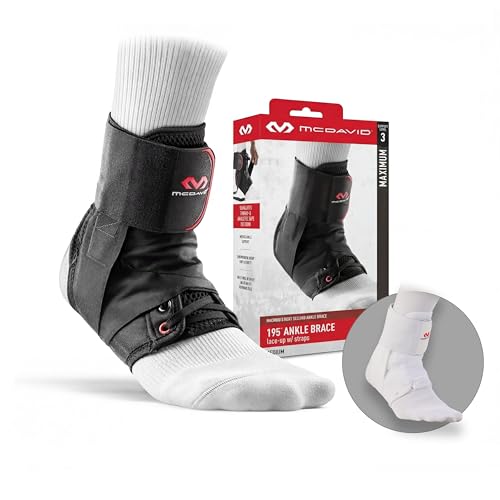
McDavid Lace-Up Ankle Brace with Figure 8 Strapping and Side Stabilizers

Benmarck Achilles Support and Plantar Fasciitis Sock
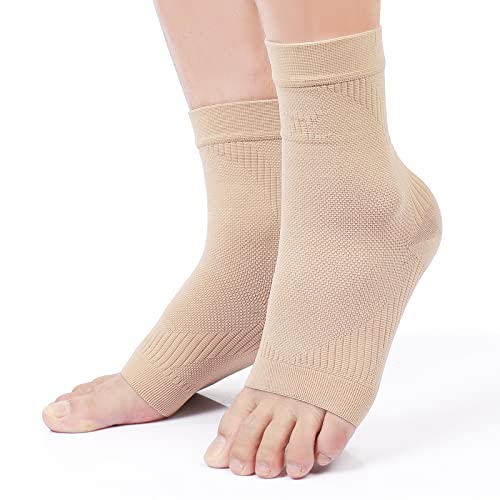
KEKING Ankle Brace Compression Sleeve

AGPTEK Lace-Up Foot Stabilizer Brace

Back on Track Physio Brace
A Closer Look At Each Pick
A sock-style brace makes more sense than a rigid support for a long run to the grocery store or a full shift spent walking. The Modvel Foot & Ankle Brace Socks use stretchy, graduated compression around the ankle, heel, and lower foot, so you can move without the bulk of a laced brace. The copper-infused knit adds a breathable feel, although it still depends on getting the right length and fit.
Compared with the Polawis wrap reviewed next, the Modvel option looks more like everyday athletic wear. It suits runners, walkers, and people who want light compression rather than firm side-to-side stabilization.
Positive Points
- The sock construction fits naturally inside running shoes and casual footwear.
- Stretchy compression supports the ankle while allowing natural movement.
- Copper-infused fabric is designed to feel lightweight and breathable.
- Six sizes cover a broad range of foot proportions.
- Eleven color choices make it easier to coordinate with sportswear.
Things To Consider
- The flexible construction offers less lateral restraint than the McDavid lace-up brace.
- Sock length and compression can affect comfort, so compare the size guidance carefully.
Quick Facts
Made For Everyday Movement
You benefit most from this option if you walk, run, or stand regularly and prefer compression over rigid ankle support.
Where Another Pick Shines
The McDavid Lace-Up Ankle Brace suits you better when side stabilizers and adjustable lacing matter more than a sock-like fit.
A fully openable wrap gives you more control over how the brace sits around a swollen ankle. The Polawis Ankle Brace Compression Sleeve includes a detachable strap, a soft Lycra inner layer, and an open heel that reduces contact with the back of your foot. For daily wear, that adjustability can be more useful than a fixed compression sock.
The two-pack allows one foot to remain supported while the other is washed, or provides a spare for daily rotation. The trade-off is that the wrap takes more attention to fit than the pull-on Modvel socks.
Useful Touches
- Graduated compression can be adjusted as your comfort needs change.
- The detachable strap adds reinforcement for active movements.
- The open heel improves airflow and reduces rubbing at the heel.
- Two pieces make rotation between feet straightforward.
Practical Considerations
- Measure both ankle and foot circumference before choosing a size.
- The open construction may sit differently inside narrow shoes.
- A second brace offers less value for people who need only one.
Key Specs
Who It Suits Best
You benefit most from this pick if swelling varies during the day or you want control over compression without laces.
Another Choice May Suit
The Modvel Foot & Ankle Brace Socks suit you better when quick, pull-on convenience matters more than adjustable wrapping.
Basketball, soccer, and volleyball place more sudden side-to-side demands on an ankle than a typical walk. The McDavid Lace-Up Ankle Brace takes a firmer approach, using adjustable lacing, a figure 8 strap arrangement, and rigid side stabilizers to limit unwanted rolling. You gain more structure, but you also give up the nearly sock-like feel of the Modvel option.
For court athletes, the lacing lets you adjust the feel during a game. For a desk day or a low-impact walk, it may feel more substantial than necessary, depending on your preference.
Advantages To Know
- Adjustable lacing lets you control the fit around your foot and ankle.
- Side stabilizers provide firmer protection against lateral ankle rolling.
- The figure 8 arrangement supports the ankle without relying on elastic fabric alone.
- The brace is suited to basketball, soccer, football, volleyball, and running.
Trade Offs
- Tie-in lacing takes more time than pulling on a sleeve.
- Rigid side pieces may feel restrictive during a casual recovery day.
Built With In Mind
You benefit most from this brace as an active person who needs stronger lateral control during quick direction changes.
Look Elsewhere When
The Benmarck Achilles Support and Plantar Fasciitis Sock suits you better when gentle compression matters more than rigid stabilization.
The Benmarck Achilles Support and Plantar Fasciitis Sock focuses on the lower leg, heel, and ankle rather than locking the joint in place. Its gentle compression is designed for foot stiffness, swelling, tendon discomfort, and flat-foot support, making it a practical companion for running and long stretches of walking. The lighter approach may feel more comfortable than the McDavid brace during extended activity.
Its main limitation is structural. A sleeve can support the area, but it cannot match the side stabilizers of a lace-up sports brace for unstable ankles.
Everyday Wins
- Gentle compression targets the Achilles, heel, and ankle area.
- The sock format works well under running shoes and casual footwear.
- Support can remain comfortable during walking and everyday movement.
Where It May Fall Short
- The flexible design provides less lateral control than a rigid sports brace.
- People needing strong sideways restraint may prefer side stabilizers.
Feature Snapshot
Made For Runners
You benefit most from this sleeve if you run or walk often and want lightweight support around the Achilles and plantar area.
Reach For A Different Pick When
The AGPTEK Lace-Up Foot Stabilizer Brace suits you better when compression straps and rigid side support are your priority.
Compression strength becomes easier to compare when the pressure range is defined. The KEKING Ankle Brace Compression Sleeve uses 20 to 30 millimeters of mercury, written as 20 to 30 mmHg, to provide graduated compression around the foot and ankle. The supportive knit is also positioned to support the arch and heel, which may appeal to people managing stiffness across several lower-foot areas.
Compared with the gentler Benmarck sock, this option may feel firmer around the foot. You may prefer that pressure during active routines, but a softer sleeve can be easier to wear for long periods.
A Favorable Mix
- The stated 20 to 30 mmHg range offers clearly defined compression.
- Graduated pressure increases around the supported area rather than applying one uniform squeeze.
- The knit supports the arch and heel alongside the ankle.
- The sleeve format is convenient for running and daily footwear.
Soft Spots
- Firm compression may feel unnecessary during light-duty rest periods.
- The sleeve does not provide the rigid side support of a lace-up brace.
Right Fit For
You benefit most from this pick if you understand compression and want a firm sleeve for the heel, arch, and ankle.
Swap It Out When
The Polawis Ankle Brace Compression Sleeve 2 Pack suits you better when you want adjustable wrap tension and a removable strap.
Supportive hardware becomes useful after a sprain or during a return to movement that includes uneven ground. The AGPTEK Lace-Up Foot Stabilizer Brace combines reinforced side stabilizers with crossing compression straps and a top wrap. That layered construction gives you more control over the ankle than a compression sleeve, with multiple points for adjusting the fit.
It is more substantial than the Back on Track Physio Brace reviewed later. You gain structured support, though the extra material and straps can take longer to position.
Practical Advantages
- Dual side stabilizers reinforce both sides of the ankle.
- Crossing straps deliver compression from more than one direction.
- The top wrap adds another layer of support around the ankle.
- Lacing and straps let you fine-tune the fit.
Less Ideal Details
- The multi-part construction takes more time to put on than a sleeve.
- More support can also feel bulkier during casual wear.
- Adjustments may loosen during demanding activity, so periodic tightening can help.
Technical Highlights
The Right Fit
You benefit most from this brace when an ankle sprain or return to sport calls for firmer support in several directions.
A Better Fit Elsewhere
The McDavid Lace-Up Ankle Brace suits you better when a lighter figure 8 design is preferable to a multi-strap structure.
Flexible support can be useful when a stiff brace starts to feel out of place during a normal evening at home. The Back on Track Physio Brace uses a four-way stretch design and Welltex material to move with the foot while providing warmth and support around the ankle. That warmth is the defining feature, rather than the firm compression or rigid stabilizers used by the sports braces.
You may find the softer approach comfortable for extended wear, though it offers less mechanical restraint for court sports. The supportive material is intended to manage swelling while preserving mobility.
What It Does Well
- Four-way stretch allows the brace to move with the foot and ankle.
- Welltex material provides warmth around the supported area.
- The flexible design suits comfortable daily wear and ankle recovery routines.
- Supportive construction is intended for swelling and mobility needs.
A Few Limitations
- Warmth may feel unnecessary in hot weather or during strenuous exercise.
- The flexible structure offers less lateral support than the AGPTEK brace.
Core Details
Whose Shelf It Belongs On
You benefit most from this pick if you favor flexible, warm support over compression pressure or rigid side pieces.
Consider Something Else When
The KEKING Ankle Brace Compression Sleeve suits you better when defined graduated compression is your preferred support method.
What Matters Before You Pick an Achilles Support
Match the support to your activity
Your activity decides how much structure you need. A sock-style sleeve works well for walking, running, and extended wear because it moves with your foot. A lace-up brace becomes more useful during basketball, soccer, or other movements involving quick cuts and side-to-side forces.
Decide between compression and stabilization
Compression sleeves place even pressure around the Achilles, heel, and ankle. Lace-up braces add rigid side pieces, crossing straps, or wrap-style closures for greater restraint. You can compare the Modvel socks with the AGPTEK brace to see the difference between a flexible layer and a structured support.
Check fit before the first wear
A poorly fitted brace can twist, pinch, or sit unevenly. Review the size guidance, measure your ankle where indicated, and consider whether an open heel, full wrap, or sock construction works with your footwear. Shoes with room around the heel and midfoot can also make an ankle brace more comfortable.
Consider how long you will wear it
A lightweight sleeve may be easier to maintain during a full workday. A wrap with a removable strap can accommodate changing swelling, while a rigid sports brace may take more time to put on. Choose the format you can realistically wear for the activity and duration that matter most.
Useful Details Before You Buy
Pitfalls Shoppers Hit
Choosing by the condition name alone can lead to the wrong format. Compression suits a general support need, while rigid stabilizers address sideways movement. Measure your ankle, read the closure instructions, and consider your shoe fit before ordering.
What Separates Premium From Basic
A more structured brace adds stabilizers, multiple straps, or adjustable wrap tension. That extra construction can help during demanding movement, though it also increases bulk and setup time. Basic compression sleeves remain useful when flexibility and low-profile wear matter most.
Frequently Asked Questions
What type of Achilles tendonitis brace is best for running?
A lightweight compression sleeve often works best for running because it supports the ankle, heel, and Achilles area without adding rigid hardware. You should still choose a size that feels secure without restricting your stride.
Are compression sleeves better than lace-up ankle braces?
Compression sleeves favor flexibility, even pressure, and low-profile wear. Lace-up braces provide more side-to-side control, so you may prefer one for court sports or an ankle that feels unstable.
Can an Achilles brace be worn inside running shoes?
Many sleeve and wrap designs fit inside athletic shoes, but the fit depends on the closure and your footwear volume. Open-heel designs leave more room at the back, while bulky lace-up braces may require a roomier shoe.
How tight should an Achilles tendonitis brace feel?
It should feel secure without causing sharp pressure, numbness, or restricted movement. Adjustable wraps are useful for finding a moderate level of compression, while fixed sleeves depend heavily on choosing the correct size.
What should I look for in an Achilles support for daily wear?
Breathability, a low-profile shape, and simple sizing matter most for regular use. You may also want a removable strap or open heel to adjust the fit as your foot and ankle move throughout the day.
Final Thoughts
The right Achilles support depends on the movement you need to manage. Compression sleeves suit running and everyday wear, adjustable wraps accommodate changing fit needs, and lace-up stabilizers belong in more demanding sports. Match the structure to your routine, check the sizing, and favor a brace you can comfortably wear long enough to become part of your day.
