

A cluttered bathroom shelf can turn a simple skincare habit into a guessing game. Hypochlorous sprays serve several purposes, from cleaning mascara residue along the lash line to refreshing skin after a workout or adding a first-aid product to your home kit. The right formula depends on the area you plan to treat, the format you can use comfortably, and how you want it to fit into your routine.
An Overview Of The Picks

Eye Love Heyedrate Lid & Lash Spray
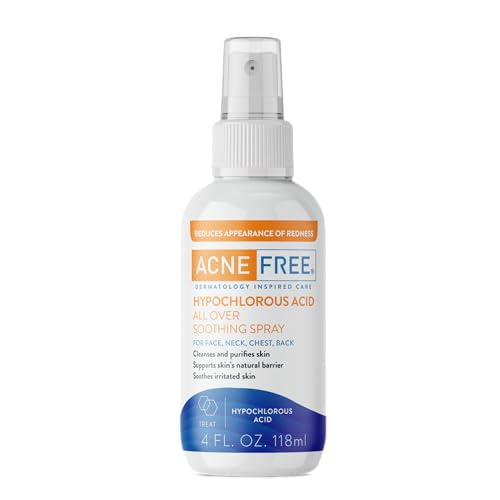
AcneFree Hypochlorous Acid Soothing Spray, Sensitive Skin and Redness Care, 4 oz

Barrier Boost Hypochlorous Face & Body Mist 4 fl oz
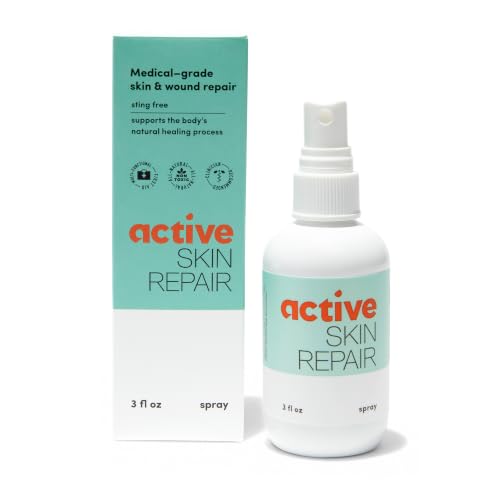
BLDG ACTIVE Skin Repair Spray

BLDG ACTIVE First Aid Bundle

BLDG ACTIVE Repair Hydrogel
More On The Choices That Made The List
Makeup removal around the eyes demands more control than a broad facial mist can provide. Eye Love Heyedrate Lid & Lash Spray is formulated for the narrow area along the eyelids and lashes, with a pump bottle designed to place a small amount onto a clean cotton pad.
Hypochlorous acid is a chlorine-based compound used in topical cleansing, and this formula contains 0.015% alongside electrolyzed water and sodium chloride. It stands apart from the body sprays because its application method and eye-area focus are much more deliberate.
Useful Strengths
- The 0.015% hypochlorous acid concentration gives you a clearly stated formula to compare with other options.
- Alcohol-free, fragrance-free, paraben-free, and sulfate-free composition suits people who avoid those common skin-care additions.
- A pump bottle makes it easier to control the amount dispensed onto each cotton pad.
- The three-ingredient list keeps the routine simple for anyone tired of crowded eye-area products.
Small Caveats
- The 1 oz size suits a dedicated eye routine, though you may need more than one for a large household.
- Use the spray on a clean pad rather than directly in the eye, and follow your eye-care professional’s guidance for persistent discomfort.
Feature Snapshot
Made For
This spray fits people who regularly remove eye makeup or want a focused routine for cleaning residue from the lid and lash area.
Look Elsewhere When
AcneFree Hypochlorous Acid Soothing Spray is the better fit for someone who wants to use a light mist across the face, neck, back, or shoulders.
Your morning routine does not always stop at your face. AcneFree Hypochlorous Acid Soothing Spray can cover the face, chest, neck, back, and shoulders, giving you one bottle to keep near the shower or in your gym bag.
The formula contains 0.002% hypochlorous acid and is fragrance-free. Its low concentration, broad spray pattern, and suitability for sensitive or blemish-prone skin make it more useful for routine misting than a narrowly targeted eye product.
Practical Pluses
- One bottle serves several body areas, reducing the need for separate products for your face and back.
- The lightweight mist fits naturally after cleansing, shaving, exercise, or makeup removal.
- Fragrance-free formulation suits routines centered on sensitive skin.
- The 4 oz container offers more capacity than the compact Eye Love spray.
Points To Note
- The 0.002% concentration is lower than the Eye Love formula’s stated 0.015%, so the two are not direct strength equivalents.
- Keep the product away from the eye area and use the spray only on the body areas described in its directions.
The Right Fit
This option suits someone with a mixed skincare routine who wants one fragrance-free mist for the face and several larger body areas.
Swap It Out When
Barrier Boost Hypochlorous Face & Body Mist is a better match for someone who prioritizes a minimal ingredient profile and quick layering.
A lightweight mist works well when your skin feels dry after cleansing, a workout, or a day exposed to changing weather. Barrier Boost Hypochlorous Face & Body Mist delivers a fine spray intended to leave skin comfortable without a sticky finish, making it easy to place before moisturizer or after the rest of your routine.
Compared with AcneFree, this formula puts more emphasis on a pared-back ingredient list and excludes parabens, phthalates, sulfates, formaldehyde, PFAS, and silicones. It is designed for dry, oily, combination, sensitive, and blemish-prone skin, although your comfort with the finish matters more than a broad label.
Where It Delivers
- The fine, non-sticky mist layers without requiring a separate moisturizer application step.
- Electrolyzed water, sodium chloride, and hypochlorous acid create a straightforward core formula.
- Free from silicones and several common cosmetic additives for people who scrutinize labels closely.
- You can use it after cleansing, around workouts, or whenever your skin feels dry.
- The 4 fl oz size works for both face and body without looking oversized on a bathroom shelf.
Trade Offs
- No numeric hypochlorous acid concentration is listed, so you cannot compare its strength directly with the eye or AcneFree formulas.
- The broad skin-type positioning means you may need to judge how the mist feels on your own routine rather than relying on a targeted formula.
Key Details
Who Will Love This
This mist suits someone who wants a simple, layerable product for daily face and body routines across several skin types.
Another Choice May Suit
Eye Love Heyedrate Lid & Lash Spray makes more sense for a dedicated cotton-pad routine around the eyelids and lashes.
A spray is useful when you want quick access without opening a cream or handling a small jar. BLDG ACTIVE Skin Repair Spray is positioned as a first-aid skin-care product in a 3 oz container, using hypochlorous acid as its featured active ingredient.
That distinction matters. Eye Love is built around cotton-pad application around the lashes, while this formula is designed for a spray-based routine around minor skin injuries. The no-drip format may feel more convenient for a bathroom cabinet or travel first-aid pouch.
A Favorable Mix
- The spray format supports quick, targeted application without a cream or gel dispenser.
- The 3 oz size offers enough capacity for a home first-aid setup without taking up much room.
Honest Caveats
- The label does not provide a numeric hypochlorous acid concentration, so strength comparisons with the eye and AcneFree sprays are not possible.
- You may prefer a gel for staying on one localized area rather than a spray that disperses across a wider surface.
- Follow the package directions carefully, and seek qualified medical advice for deep, infected, or persistent wounds.
Feature Facts
Whose Shelf It Belongs On
This spray fits a household that wants a liquid first-aid option for minor skin injuries and prefers spraying to dabbing with a gel.
A Better Fit Elsewhere
BLDG ACTIVE First Aid Bundle is the better fit for someone who wants both a spray and a hydrogel in the same first-aid setup.
One format rarely handles every first-aid situation as comfortably as two. BLDG ACTIVE First Aid Bundle pairs a 3 oz hypochlorous spray with a 3 oz hydrogel, giving you a broad application method and a more localized texture in the same setup.
The spray works well across broader sections of skin, while the hydrogel stays closer to a selected area. Compared with the standalone BLDG ACTIVE spray, the bundle adds a second application style, which may be useful for families keeping one cabinet stocked for several minor injuries.
What Pays Off
- Two formats give you both a quick spray and a targeted hydrogel.
- Each container holds 3 oz, making the sizes easy to compare with the standalone products.
- Having both options can simplify a home first-aid cabinet without adding several unrelated products.
- The spray and gel pair suits people who prefer choosing an application method for each minor skin injury.
One Thing To Weigh
- The bundle occupies more cabinet and travel space than a single spray or hydrogel container.
Important Details
Built With In Mind
This bundle suits a household first-aid cabinet where you want both a liquid spray and a focused hydrogel available for minor skin injuries.
Reach For A Different Pick When
BLDG ACTIVE Repair Hydrogel is the simpler choice for someone who only needs one targeted format and wants to keep the setup compact.
Some first-aid situations call for a product that stays on one selected area rather than spreading across a wider section. BLDG ACTIVE Repair Hydrogel provides a 3 oz hydrogel with hypochlorous acid as its featured ingredient, giving you a focused alternative to the spray format.
Unlike BLDG ACTIVE First Aid Bundle, you receive only the hydrogel. That makes the product easier to store and may suit someone whose routine rarely calls for a liquid mist, while the bundle remains more useful for mixed first-aid needs.
Standout Benefits
- The hydrogel format stays localized for application around a selected minor skin injury.
- A 3 oz container is compact enough for a medicine cabinet, bathroom, or travel first-aid kit.
- Hypochlorous acid is the featured active in a formula designed for first-aid skin care.
- Using one format can make your routine more direct and consistent.
Possible Compromises
- You give up the broader coverage and quick dispensing of the standalone spray.
- No numeric hypochlorous acid concentration appears on the label, so you cannot compare its strength with the two formulas that state one.
Who Should Grab It
This hydrogel suits someone building a straightforward first-aid kit around one targeted application format rather than a combined setup.
Where A Sibling Pick Shines
BLDG ACTIVE Skin Repair Spray is the stronger match for people who prefer a quick, wider spray over a localized gel.
What Matters Before You Add One to Your Routine
Match the product to the area
The most useful distinction is the intended application area. Eye Love Heyedrate Lid & Lash Spray is built for cotton-pad cleansing along the eyelids and lashes, while AcneFree and Barrier Boost can be misted over larger face and body areas. BLDG ACTIVE products belong in a first-aid setup for minor skin injuries rather than a general facial routine.
A targeted product usually makes more sense than a broad mist when precision matters. You gain a clearer application method and can avoid sending a general body spray near the eye area.
Compare concentration only when it is listed
Two products in this group state a numeric hypochlorous acid concentration. Eye Love lists 0.015%, while AcneFree lists 0.002%. A higher number does not automatically make one formula right for your skin, because concentration, application method, and intended area all shape the routine.
Barrier Boost and the BLDG ACTIVE products do not provide a comparable percentage, so a direct strength calculation would be misleading. Their suitability depends more on format, ingredients, and where you plan to use them.
Choose the format you will actually use
A spray suits broader coverage and quick access. A hydrogel stays more closely associated with a selected area, while a cotton-pad application gives you precise control around the lashes. The BLDG ACTIVE bundle covers two of the first-aid formats, but it also uses more storage space than a single container.
Choose the format that fits your space and habits, not simply the package with the most options. A convenient product left unused in a cabinet has limited value.
Read the complete ingredient list
Fragrance-free, preservative-free, alcohol-free, and minimal formulas answer different needs. Eye Love emphasizes its three-ingredient composition and exclusion list, while Barrier Boost focuses on a short core formula without several common additives. AcneFree calls attention to its fragrance-free formulation and suitability for daily misting.
Your personal ingredient preferences deserve the final say. Review the complete label, especially for an eye-area product, and follow its directions precisely.
Practical Details Across the Choices
Mistakes Worth Dodging
Do not compare every formula by concentration alone, since several products do not state a percentage. A facial mist, eyelid cleanser, and first-aid spray serve different purposes, so using them interchangeably can make your routine feel confused. Check the application area, ingredient list, and container size before ordering.
What Separates Premium From Basic
A higher-priced option may spend more on a specialized format, a larger container, or a bundled set rather than a stronger active ingredient. The added value appears when you genuinely need two application methods or a product designed for a specific area. Otherwise, a simple, correctly sized formula may fit your routine better.
Frequently Asked Questions
What is hypochlorous acid used for in skin-care products?
Hypochlorous acid is a chlorine-based compound used in topical cleansing and first-aid products. Its concentration and delivery format vary among eye-area sprays, facial mists, and skin-care gels.
Is eyelid spray different from face and body mist?
Yes. Eye-area sprays are designed for controlled application to a cotton pad along the lash line, while face and body mists cover broader areas. You should not use a general body mist near your eyes.
Can you compare different hypochlorous acid concentrations?
Only when the products state their concentrations and use compatible application methods. A higher percentage does not automatically mean a formula is better suited for every part of your body.
Can hypochlorous spray be used every day?
Daily use depends on the product directions and your skin’s response. AcneFree and Barrier Boost are designed for regular routines, while the Eye Love product is intended for focused lid and lash cleansing.
Which option suits sensitive skin best?
AcneFree is formulated for sensitive skin and uses a fragrance-free mixture, while Barrier Boost also emphasizes a minimal formula. Patch testing and careful label review remain sensible for any new topical product.
Final Thoughts
The right hypochlorous spray depends on where you plan to use it. Eye Love serves a precise lash-line routine, AcneFree and Barrier Boost handle broader facial or body misting, and the BLDG ACTIVE options cover spray, hydrogel, or combined first-aid formats. Match the formula to the task, read the ingredients, and choose the container you will actually keep within reach.
