

A runner can finish a long route and still feel uncomfortable beneath the heel or across the arch. The right insert adds support without distorting your stride, especially when you alternate between training shoes, walking sneakers, and work boots. These options suit different foot shapes, activities, and fit preferences, so matching the insert to your routine matters more than choosing by appearance alone.
The Essentials At A Glance

SOPROM Running Insoles for Runners

FORM Premium Insoles Maximum Support

IDEALRUN Running Insoles, 3 Arch Profiles

Aetrex L2200 Memory Foam Orthotic Insoles

Aetrex Men’s Performance Comfort Orthotic Insoles
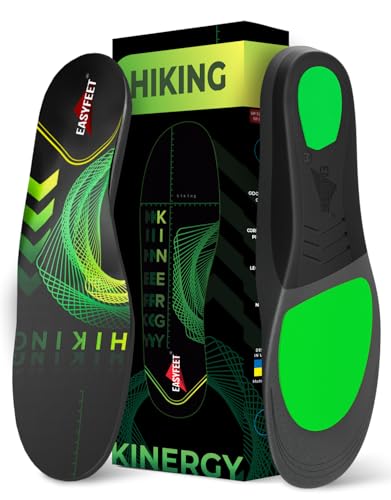
EASYFEET Hiking Boot Insoles for Men & Women

CRUVHEAL 220+ lbs High Arch Support Insoles, M
A Deeper Look At The Lineup
SOPROM gives you low, medium, and high arch profiles, making this a practical starting point for runners who know their arch height but still want a trim-to-fit option. The deep heel cup and elastic construction can keep the foot centered through repeated strides without making the insert rigid.
Unlike the more structured IDEALRUN design, these insoles prioritize adjustability and lightweight cushioning. That balance suits someone switching between training shoes and daily sneakers, although the best profile still depends on your foot shape.
The Helpful Details
- Three arch heights help you match the insert to your foot profile.
- Trim lines allow length adjustments for different shoe sizes.
- A deep heel cup gives runners a more centered landing position.
- Breathable mesh and perforations reduce trapped warmth during long runs.
Things To Consider
- Arch-height selection requires careful comparison before ordering.
- Trimming should follow the marked lines to preserve the heel structure.
Key Specs
Made For
You benefit most from these insoles when your arch height is known and you want a lightweight, adjustable insert for running shoes or walking sneakers.
Consider Something Else When
IDEALRUN Running Insoles, 3 Arch Profiles suit you better when you want a firmer base, deeper heel control, and denser cushioning under the forefoot.
A full day on your feet calls for more than a running-specific insert, and FORM Premium Insoles Maximum Support brings a comfort-shaped arch, foam cushioning, and a cupped heel to that setting. It also fits work boots, hiking boots, and athletic shoes, giving you a practical option for several parts of the week.
Compared with SOPROM’s trim-to-fit profiles, FORM takes a more direct approach to all-day support. The TemperWeave top sheet and breathable foam are especially useful for commutes and workplace shifts, where moisture control can matter as much as impact absorption.
What Makes Sense
- The contoured arch supports heel and midfoot positioning.
- High-density foam softens repeated walking and standing.
- A moisture-managing top sheet suits long workdays.
- One insert works across boots, athletic shoes, and casual footwear.
Worth Noting
- The listed pairing covers men’s 11 to 11.5 and women’s 12.5 to 13.
- Its all-day emphasis makes it less specialized than IDEALRUN’s running design.
Quick Facts
The Right Fit
You will appreciate this choice most as a commuter, warehouse worker, teacher, or anyone alternating between athletic shoes and supportive boots.
Another Choice May Suit
IDEALRUN Running Insoles, 3 Arch Profiles serve you better when running biomechanics and structured heel control matter more than broad all-day versatility.
IDEALRUN offers the most explicitly running-focused construction in this group, combining a rigid support base with separate heel and forefoot cushioning. Poron is a soft, shock-absorbing foam, while the honeycomb gel areas add springy cushioning under the forefoot for runners covering regular miles.
Unlike FORM Premium Insoles Maximum Support, this design uses a deep U-shaped heel cup to limit inward foot movement. That structure may feel more noticeable during fast runs, so gradual use can be sensible for anyone unused to a firm orthotic, which is a shaped insert intended to guide foot position.
Practical Pluses
- Color-coded profiles simplify low, medium, and high selection.
- PORON heel pads soften landing impact in running shoes.
- Honeycomb gel cushions the forefoot during repeated strides.
- A deep U-shaped heel cup helps control inward foot roll.
- Five trimmable sizes fit several types of footwear.
Trade Offs
- The firm base may change your stride perception at first.
- The zero-heel-drop design is not a natural fit for every runner.
Feature Snapshot
Who It Suits Best
You benefit most from these insoles when you run regularly, know your arch profile, and want firmer control than a basic foam insert provides.
Reach For A Different Pick When
SOPROM Running Insoles for Runners suit you better when you want a lighter, more flexible insert that can be trimmed to several shoe lengths.
Aetrex L2200 places a shaped memory-foam layer over a supportive base, giving the foot both contouring and a stable heel. That combination makes more sense for a nurse moving between clinic shoes and walking boots than for a runner who wants an extremely thin, sport-specific insert.
Compared with IDEALRUN, the L2200 is less explicitly built around different arch colors and a running gait. Its appeal comes from a straightforward, substantial feel, though the listed 0.25-inch thickness can influence how much room remains inside a shoe.
What Pays Off
- Memory foam contours to the foot for a softer landing feel.
- A PORON base provides additional impact absorption.
- The cupped heel supports and stabilizes the rear foot.
- CopperGuard lining adds a smooth contact layer.
Practical Considerations
- The 0.25-inch profile may crowd close-fitting shoes.
- This model is designed specifically for men’s footwear.
Built With In Mind
You will find this insert most practical for long shifts, extensive walking, and boots or sneakers that have enough internal volume for a contoured orthotic.
Where A Sibling Pick Shines
IDEALRUN Running Insoles, 3 Arch Profiles suit you better when a slim, running-specific base and selectable arch height are your main priorities.
Aetrex Men’s Performance Comfort Orthotic Insoles bridge the gap between a running insert and an all-day footbed. Their stated uses include hiking, golf, and running, while the soft mesh cover prioritizes airflow during long outdoor sessions or gym sessions.
The 0.22-inch profile is slimmer than the Aetrex L2200’s 0.25-inch construction, which can make it easier to place inside athletic shoes. You still get an orthotic shape rather than a simple flat foam pad, although the listing provides fewer specialized cushioning details than the L2200.
A Strong Showing
- A soft mesh top promotes airflow during activity.
- The 0.22-inch profile suits many athletic shoes.
- One insert covers running, hiking, and golf.
- The structured shape supports more than a flat cushioning pad.
Small Caveats
- The design is specifically marketed for men’s footwear.
- Runners wanting distinct heel and forefoot cushioning should look elsewhere.
At A Glance
Who Will Love This
You benefit most from these insoles when one pair of shoes handles several sports and you want breathable support without a memory-foam layer.
Look Elsewhere When
Aetrex L2200 Memory Foam Orthotic Insoles suit you better when contouring cushioning and a deeper heel structure take precedence over a slimmer athletic profile.
Boots on uneven ground create a different support requirement from road-running shoes, and EASYFEET Hiking Boot Insoles focus on arch support, cushioning, and stability for that setting. Their unisex positioning also makes them a practical option for couples or households sharing outdoor gear.
Unlike Aetrex Men’s Performance Comfort Orthotic Insoles, which are designed to cover several sports, this pair keeps its purpose narrow. The listed XS and S ranges span men’s 4.5 to 6.5 and women’s 5.5 to 7.5, so footwear size deserves a careful check before ordering.
Points In Its Favor
- Arch support targets the footing demands of hiking boots.
- Cushioning adds comfort over uneven trails.
- A stability-focused design suits outdoor walking.
- The format works for both men’s and women’s footwear.
Details To Watch
- Confirm your boot size against the listed ranges.
- Its dedicated hiking focus is less flexible than a multi-sport insert.
The Right Fit
You will find these most useful for trail walks, hiking boots, and outdoor work where stable arch support matters more than a featherlight running profile.
Swap It Out When
IDEALRUN Running Insoles, 3 Arch Profiles suit you better for road runs, marathons, and athletic shoes where dedicated gait control is the priority.
CRUVHEAL takes a deliberately substantial approach with 1.4-inch arch support designed for users weighing 220 pounds or more. That taller profile is intended to support high arches and distribute pressure across a larger surface, which can suit people who find ordinary slim insoles too shallow.
Compared with IDEALRUN’s slim, color-coded system, this model asks for less guesswork about arch height but offers a more pronounced shape. The trade-off is fit, so a boot or running shoe with ample room may feel more appropriate than a close-fitting street sneaker.
Strong Points
- The 1.4-inch arch height suits high arches.
- Load distribution targets steadier support for heavier users.
- The deeper shape may feel more substantial underfoot.
- Work-boot use is a natural fit for this design.
Potential Compromises
- The tall profile needs enough room inside the shoe.
- This listing specifies size M.
Core Details
Whose Shelf It Belongs On
You benefit most from these insoles when you have high arches, a larger frame, and shoes or work boots with enough volume for substantial support.
Not Your Match When
SOPROM Running Insoles for Runners suit you better when you want several arch profiles and the freedom to trim a lighter insert to your shoe.
What Matters Before You Replace Your Current Insole
Start With Your Arch
Arch support describes the contour beneath the midfoot, and no single height suits every person. A low profile leaves more room under the arch, while a high profile creates a more pronounced rise. Compare the insert against your foot shape and shoe interior rather than relying on a generic support label.
Match the Insert to Your Activity
Running shoes need room for forward movement, while boots tolerate a sturdier footbed. A rigid orthotic may feel controlled during a quick run but more comfortable after gradual exposure, whereas a soft memory-foam option suits long walking shifts. Think about the footwear you use most.
Check Thickness and Trim Lines
A thicker insert offers a more substantial support shape but can reduce toe room. Trimmable models provide useful flexibility, though you should preserve the heel and arch structure. Replace the original factory footbed rather than stacking another insert beneath it, as extra layers can lift your foot away from the shoe’s secure base.
Getting The Fit Right
Common Shopping Slip Ups
Choosing support by color or arch label alone can leave the basic fit unresolved. Check your shoe size, internal volume, and activity before ordering, and trim only along the provided lines. A supportive insert still needs to sit flat without pressing against the toe box.
What Separates Premium From Basic
Higher-tier inserts often add shaped heel cups, denser cushioning, or specialized foam under high-impact areas. Those refinements help when an activity lasts hours or your foot needs more pronounced support, but a basic option may feel better in a roomy shoe with a less demanding routine.
Frequently Asked Questions
How Do I Know Which Arch Height I Need?
Your arch height is the space beneath the middle of your foot, and a wet footprint can provide a rough visual guide. Compare that shape with the manufacturer’s profile guide, then consider how the insert feels in your usual running shoes.
Are Thicker Insoles Always Better?
No. A thicker profile can provide more substantial support, but it may crowd a close-fitting shoe. Match thickness to the footwear and choose a design that remains comfortable from heel to toe.
Can Arch Support Insoles Go in Work Boots?
Most listed designs can work in boots, especially cushioned or orthotic models. Confirm the insert dimensions, footwear size, and available internal space before ordering.
How Often Should Running Insoles Be Replaced?
Replacement timing depends on mileage, body weight, and running conditions. IDEALRUN suggests replacing its insoles after 500 running miles or 12 months, whichever comes first, while other products may follow different guidance.
Do Women Need Different Insoles From Men?
Foot size and arch shape matter more than the label on the package. EASYFEET and FORM list size combinations for women and men, while some other choices are designed specifically for men’s footwear.
Final Verdict
Your most useful insert is the one that matches your arch, your shoe, and your mileage. IDEALRUN offers the most structured running design, SOPROM prioritizes adjustability, FORM serves long standing days, and the Aetrex models suit walkers seeking a more traditional orthotic shape. Check the fit carefully, introduce a structured insert gradually, and replace it only when its cushioning or support no longer feels right for your routine.
