

A long shift at a warehouse counter, a drive home after a long day, or an afternoon spent lifting boxes can leave your lower back feeling less than settled. The right brace adds structure and adjustable support without pretending to replace good movement habits. These options cover desk-bound routines, physical jobs, posture training, and firmer lumbar support.
The Essentials At A Glance
SNUSIM Adjustable Posture Corrector Upper Back Brace Black
SOLOEVER Copper Back Brace

SOLOEVER Back Brace Black-M

FREETOO Back Support Brace
SOLOEVER Work Support Belt

SOLOEVER Work Back Brace for Sciatica, Herniated Disc, Pink Large

TIMTAKBO Back Brace 11in
More Details On Our Top Picks
The SNUSIM Adjustable Posture Corrector focuses on the upper back, shoulders, and neck area rather than the lumbar region. Its shoulder straps combine elastic sections, soft sponge padding, and adjustment tabs, giving you a discreet way to practice a straighter position at a desk or during daily errands.
You may find it most useful during short posture-training sessions rather than all-day wear. Compared with the reinforced lower-back designs later in the list, this brace has a lighter, more flexible structure intended to cue alignment without the bulk of steel components.
What Stands Out
- Soft shoulder padding improves the contact area during longer wear sessions.
- Adjustable tabs let you alter the pull across your shoulders.
- The low-profile shape fits more easily beneath everyday clothing.
- Breathable, wash-resistant materials suit repeated use.
- A gradual wear schedule helps you adjust without starting too long.
Trade Offs
- Its upper-body focus makes it a poor match for a brace that specifically stabilizes the lumbar area.
- Clothing fit may affect how discreetly the shoulder straps sit.
Feature Snapshot
Made For
You benefit most from this option while working at a computer, driving regularly, or building the habit of holding your shoulders back.
Right Fit For
Choose the SOLOEVER Copper Back Brace instead when firm lumbar structure matters more than upper-back posture training.
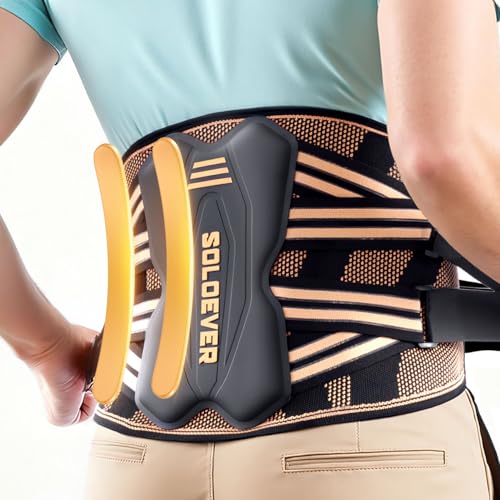
Where the SNUSIM brace trains the upper body, the SOLOEVER Copper Back Brace concentrates on lumbar stability. An X-shaped panel, four steel bars, and two spring strips create a structured core that follows the waist, while eight adjustment straps let you tailor the compression across different body shapes.
This design appears especially relevant for warehouse shifts, extended driving, lifting, or gym sessions. Its copper-infused 4D knitted fabric also brings odor-control and stretch considerations to a brace that otherwise feels deliberately substantial.
Positive Takeaways
- Steel bars and spring strips provide more structure than a fabric-only belt.
- Eight straps create several points for fitting the brace around your waist.
- Copper-ion fabric and 4D knitting support airflow during extended wear.
Minor Gripes
- The internal frame may create more bulk beneath close-fitting clothing.
- Adjusting eight straps takes more attention than a simpler buckle system.
- You may notice a firmer sensation than with the flexible FREETOO design.
Quick Facts
Who Will Love This
You benefit most from the extra structure while lifting, standing through a long shift, or seeking a close-fitting brace with numerous adjustment points.
Best Suited To
Pick the SOLOEVER Back Brace Black-M instead when a softer, less hardware-heavy design fits your routine better.
The SOLOEVER Back Brace Black-M takes a more straightforward approach than the steel-reinforced model before it. Its value rests on lower-back positioning, an adjustable fit, and a lumbar pad, making it a practical option for daily support around a desk, car, or household workload.
The listed size chart spans small through extra extra large, so fit selection matters more than assuming a familiar clothing size. Measure your waist at the navel, then compare that result with the chart before ordering.
Where It Helps
- A broad waist-size range makes finding a close baseline easier.
- The lumbar pad supports a more focused lower-back area.
- Adjustable support suits a range of everyday routines.
- The simple design offers an alternative to bulkier steel-frame braces.
Worth Noting
- Measure your waist at the navel rather than relying on your pants size.
Key Product Details
Built With In Mind
You benefit most from this option when your priority is a properly positioned lumbar pad and a waist measurement within the published chart.
The Right Fit
The SOLOEVER Copper Back Brace suits you better when you want steel bars, spring strips, and more extensive strap adjustment.
The FREETOO Back Support Brace centers on a removable lumbar pad, giving you a simpler support profile than the SOLOEVER model with steel bars and spring strips. That cushioning layer can provide a more familiar, fabric-based feel during ordinary movement.
Its unisex design suits men and women who want lower-back reinforcement while walking, working, or spending time on their feet. You may prefer it over a rigid brace for longer sessions, though personal comfort depends on torso shape and clothing.
Advantages To Know
- The removable lumbar pad lets you reposition or remove the cushioning component.
- A flexible construction may feel more natural during daily movement.
Practical Considerations
- Check the brace position before bending or lifting to keep the pad centered.
- Those seeking a defined internal support frame may prefer the SOLOEVER Copper Back Brace.
- Its lower-back focus does not address the shoulder positioning offered by the SNUSIM brace.
Whose Shelf It Belongs On
You benefit most from this option when comfortable cushioning and adjustable lower-back support matter more than a rigid plate or bar system.
Another Choice May Suit
The SOLOEVER Work Back Brace for Sciatica, Herniated Disc, Pink Large suits you better when suspenders help keep support in place during extensive movement.
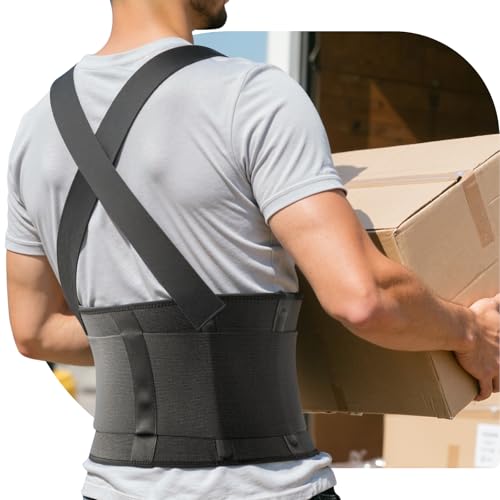
The SOLOEVER Work Support Belt is framed around physical work rather than posture correction. Its adjustable lower-back support targets construction, warehouse, and heavy-lifting environments where you spend much of the day bending, carrying, or moving between stations.
Compared with the FREETOO Back Support Brace, this model presents a more work-focused proposition. You may find that clearer intent helpful when choosing between everyday cushioning and a belt designed for demanding shifts.
A Strong Showing
- Adjustable construction accommodates different body sizes.
- Lower-back support suits warehouse and construction routines.
- The belt format remains practical for active work shifts.
Possible Compromises
- A steel bar and spring-strip system offers a more precisely defined support structure.
- Suspenders may provide better stability during extensive movement.
Made For
You benefit most from this belt during construction, warehouse, or other physically demanding work involving repeated bending and lifting.
Swap It Out When
Choose the TIMTAKBO Back Brace 11in instead when a removable plate and defined 11-inch lumbar profile suit your support preferences better.
The Pink Large work brace takes the basic belt concept a step toward staying in place. Its suspender-style straps sit over the shoulders and connect to the lower-back belt, adding another way to stabilize the support during bending, walking, or extended physical work.
Unlike the ordinary SOLOEVER Work Support Belt, this version is specifically presented for construction, warehouse work, and heavy lifting. The suspenders may be the deciding feature for you, although they also add another layer to consider under work clothes.
What Earns Its Place
- Suspenders help keep the lower-back section from shifting during movement.
- Adjustable support accommodates different body sizes.
- The design targets construction, warehousing, and lifting routines.
- Shoulder connections add stability beyond a standard waist belt.
Details To Watch
- The listing variant is specifically marked Pink, Large.
- Suspenders may create more bulk than a conventional belt.
- Upper-back posture training remains outside its main support area.
Core Details
Who Should Grab It
You benefit most from this option when you perform frequent bending or lifting and want the lower-back support to remain connected over your shoulders.
Look Elsewhere When
The FREETOO Back Support Brace may suit you better when removable cushioning feels more practical than suspender-based support.
The TIMTAKBO Back Brace 11in uses a plate-centered design rather than the wide bar-and-spring arrangement of the SOLOEVER Copper Back Brace. Its removable plate combines an ergonomic shape, silicone contact areas, and a steel support component to create a firm lumbar structure.
The 11-inch back height gives the brace a defined vertical profile, while a dual-pulley compression system and carbon-fiber-style belt structure round out the design. You may favor this configuration for active routines where plate-based stabilization feels more purposeful than belt tension alone.
What It Does Well
- The removable plate lets you remove or reposition the main support component.
- An 11-inch profile concentrates support around the lumbar area.
- Dual-pulley compression distributes tension through two adjustment points.
The Fine Print
- The steel plate may feel firmer than a cushion-only support.
- The lumbar-height profile does not provide the shoulder positioning of the SNUSIM brace.
Feature Overview
Who Will Love This
You benefit most from this brace when you prefer removable plate support and an 11-inch profile during exercise or physically active work.
Consider Something Else When
The SOLOEVER Work Support Belt suits you better when you prefer a straightforward adjustable belt without a plate-based support structure.
Match the Brace to Your Workday
Choose the Support Area
Start by identifying where you need structure. The SNUSIM model sits around the shoulders and upper back, while the remaining choices concentrate on the waist or lumbar region. Your work posture matters: a seated office role may call for a light reminder, while repeated lifting calls for a more substantial brace around the lower back.
Prioritize Fit and Adjustment
A support brace can only work as intended when it sits in the correct position. Use the published waist measurements rather than your trouser size, particularly for the SOLOEVER Back Brace Black-M. Check whether one brace, several buckles, suspenders, or eight independent straps suit the clothing and adjustment effort your routine can accommodate.
Match Structure to the Task
Soft cushioning offers a different experience from steel bars, spring strips, or a removable plate. The FREETOO design places emphasis on a removable lumbar pad, the SOLOEVER Copper Back Brace uses a larger internal support system, and the TIMTAKBO model centers on an 11-inch plate-based profile. Choose based on movement demands and your preference for structure.
Avoiding Common Back Brace Mistakes
Mistakes Worth Dodging
Avoid choosing by appearance alone, because a brace can look supportive while sitting in the wrong position. Measure your waist, compare the size chart, and check whether the support area matches your task. A shoulder-positioned model will not substitute for lumbar support, and a rigid brace may be unnecessary for a desk-bound routine.
What Separates Premium From Basic
The added cost of a more elaborate brace may reflect internal bars, spring strips, plated support, extra adjustment points, or suspender connections. Those features can help in demanding work, but they also add bulk and setup time. Paying more makes the most sense when your activity requires that specific structure and your clothing can accommodate it.
Frequently Asked Questions
How do I choose the right back brace size?
Measure your waist at the navel and compare it with the published size chart. Clothing size alone may not reflect the brace’s fit.
Is a firm brace better than a cushioned brace?
Firm braces suit people who want defined lumbar structure during demanding activity. Cushioned designs may feel more flexible for everyday wear.
Can a back brace be worn while working?
Many models are designed for work, travel, or exercise, but you should test the fit and movement before a long shift. Loosen or remove it whenever it causes discomfort.
Which brace helps with slouching?
The SNUSIM Adjustable Posture Corrector targets the shoulders and upper back. The other choices focus primarily on lower-back support.
How should an adjustable brace fit?
You should feel supportive without sharp pressure, restricted movement, or shifting. Adjust the straps gradually and confirm that the support remains centered.
Final Verdict
The best choice depends on your actual movement pattern. Choose upper-back posture support for slouching, cushioned lumbar support for routine wear, steel or plate structures for demanding activity, and suspenders when keeping the brace in place is your priority. Measure first, adjust slowly, and select the design that supports your workday without getting in its way.
