

A long workday can leave your lower back tired long before you sit down at dinner. For people who spend hours at a desk, move heavy loads, or struggle to keep their shoulders from rounding forward, a back brace can add targeted support where daily habits place extra strain. The right model depends on where you need pressure, how firmly you want to be stabilized, and whether your priority is lumbar cushioning or full-back alignment. These seven options cover different body sizes, work demands, and posture goals, so the most useful choice is the one that fits your daily routine without getting in the way.
The Leading Options At A Glance

PUROKUTA Ergonomical Back Brace with Lumbar Pad, Adjustable Support Belt for Heavy Lifting, M
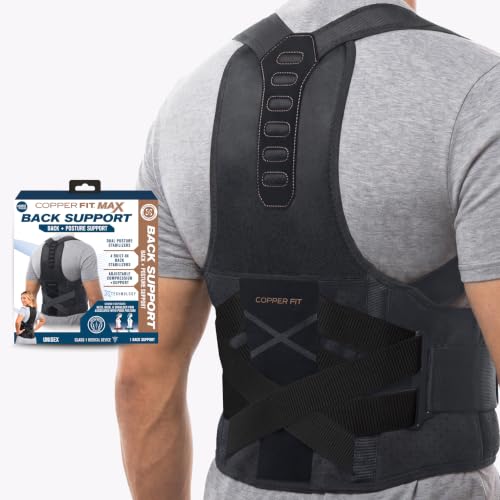
Copper Fit Max Back Posture Support L/XL
Copper Fit Max Back Posture Support 2X/3X
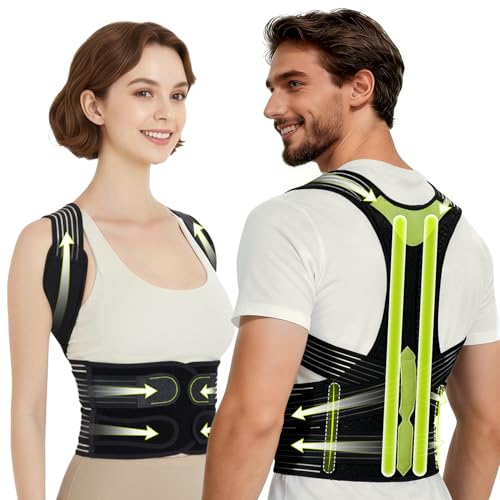
Yowayonoe Adjustable Full Back Posture Corrector
Copper Fit Max Back Posture Support S/M

BraceUP Back Brace for Men and Women, Dual Adjustable Lumbar Support Belt, L/XL 35-43 In
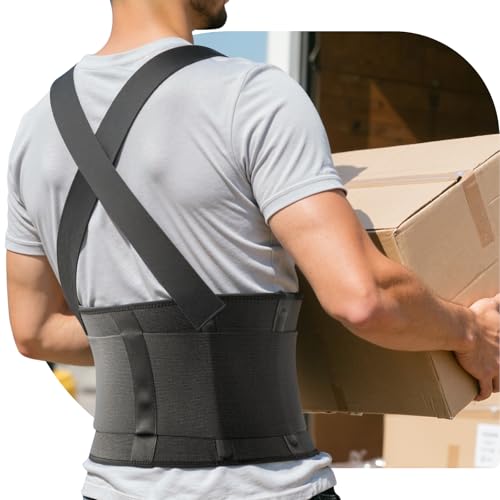
SOLOEVER Work Back Brace, Adjustable Lower Back Support Belt
More On The Choices That Made The List
For a workday that shifts between sitting, walking, and lifting, the PUROKUTA brace combines a contoured lower-back structure with a removable lumbar pad. You can leave the pad in for more cushioning or remove it to reduce bulk and change the level of compression.
Its alloy elements and three flexible springs are designed to spread pressure across the lower back and limit excessive movement. In practical terms, you may find this more useful than a simple wraparound belt when your day includes repetitive lifting or long periods of sitting.
Why It Works Well
- The removable pad lets you adjust both cushioning and brace thickness.
- Dual elastic straps allow you to change the tension for different activities.
- The contoured structure supports the lower back rather than relying on torso-wide pressure.
- Breathable fabric makes it more plausible for extended wear during a busy shift.
- Double stitching and an odor-resistant fabric treatment support regular use.
Practical Considerations
- The M version fits waists from 33.5 to 40.2 inches, so measure before ordering.
- Its hardware and padded structure create more bulk than a basic elastic support belt.
Key Specs
Who It Suits Best
You benefit most from this model during mixed office and lifting routines that place repeated demands on your lower back.
A Better Fit Elsewhere
Copper Fit Max Back Posture Support L/XL suits you better when full-back and shoulder coverage matters more than a removable lumbar cushion.
Where the PUROKUTA concentrates on the lumbar area, Copper Fit Max spreads its support across more of the back. Reinforced panels and targeted compression create a broader structure designed to encourage alignment during sitting, standing, and daily movement.
This design makes more sense for you when rounded shoulders and general upper-back alignment are the main concern. The L/XL version provides a straightforward choice for larger proportions, although the deciding factor is how comfortably the structure sits across your torso.
Good Reasons To Consider
- Extended coverage addresses the upper and lower back rather than the waist alone.
- Reinforced panels provide a more structured posture reminder.
- Targeted compression lets you maintain support without relying on a bulky pad.
Worth Noting
- Full-back coverage may feel more substantial than a narrow lumbar belt.
- The L/XL label makes torso fit a more important pre-purchase check.
Quick Facts
Made For
You get a useful fit when your posture concerns extend from the lower back into the shoulders and upper spine.
Another Choice May Suit
PUROKUTA Ergonomical Back Brace with Lumbar Pad, Adjustable Support Belt for Heavy Lifting, M suits you better when removable lower-back cushioning takes priority.
The 2X/3X Copper Fit continues the full-back approach of the L/XL model, giving you reinforced support and controlled compression across a broader area. It is intended for people who want the upper and lower back supported together rather than concentrating on one lumbar section.
Compared with Copper Fit Max Back Posture Support L/XL, the main decision is sizing rather than function. For your setup, the way the panels sit and whether the structure feels balanced across your torso should guide the choice.
Well-Handled Touches
- Broad back coverage supports a more upright working position.
- Reinforced sections add stability without relying on a loose wraparound design.
- Compression is positioned to provide a steady posture cue throughout the day.
Points To Note
- The broad structure takes up more space than a waist-focused support belt.
Feature Snapshot
Right Fit For
You benefit most from this version when you need Copper Fit’s full-back design and fall within the larger 2X/3X size range.
Where A Sibling Pick Shines
Copper Fit Max Back Posture Support S/M suits you better when your torso falls within the smaller size range.
The Yowayonoe posture corrector takes a different approach from the padded lumbar braces. Two flexible support rods respond to your upper-back position, resisting a slumped shape and easing as you sit taller, so the design is intended to train your posture habits as well as support them.
You may find this particularly useful during desk work, study sessions, or any routine where rounded shoulders become a habit. Compared with Copper Fit Max Back Posture Support, its mechanism is more focused on upper-back positioning than broad lower-back compression.
Notable Upsides
- Flexible rods encourage a taller position without staying rigidly fixed.
- Adjustable construction makes it possible to tune the fit around your torso.
Where It May Fall Short
- Its upper-back focus offers less direct lumbar padding than the PUROKUTA brace.
- Rod positioning depends on a close fit, so torso proportions deserve attention.
- It addresses posture cues rather than the broad work support offered by the SOLOEVER model.
Built With In Mind
You get the most value from this corrector when rounded shoulders and slouching are the posture pattern you want to change.
Swap It Out When
SOLOEVER Work Back Brace, Adjustable Lower Back Support Belt suits you better when physically demanding work and lower-back support are the central concern.
Copper Fit Max Back Posture Support S/M brings the same full-back concept to a smaller torso range. Reinforced support panels and targeted compression help encourage alignment without limiting the design to the waist, making it a practical fit for smaller proportions.
Your work habits still shape the result. In most cases, a smoothly fitting size provides a better daily experience than choosing a larger brace for extra compression, so use the size label as your main starting point.
Useful Highlights
- Full-back construction supports both the upper and lower regions.
- Reinforced panels create a firm posture reminder.
- Targeted compression adds support without a separate removable pad.
- The smaller size offers a more proportionate option for compact torsos.
Some Limits To Know
- The S/M designation may not suit a torso that falls into the L/XL range.
- Full-back coverage can feel more substantial than a low-profile lumbar wrap.
Core Details
Who Will Love This
You benefit most from this version when you need full-back support and the S/M size corresponds to your torso.
Consider Something Else When
Copper Fit Max Back Posture Support 2X/3X suits you better when you need the same coverage in a larger size range.
The BraceUP belt keeps the focus low, using two adjustable straps to shape compression around your waist. That makes it a direct option for lifting, standing for long periods, or supporting a lower back that feels tired during physically demanding routines.
Unlike the Copper Fit models, this brace concentrates on lumbar support rather than extending across the shoulders. For a daily wearer, its simplicity may be helpful, but the fit measurement is essential because the L/XL version is designed for a specific waist range.
Notable Gains
- Dual straps let you fine-tune support around the waist.
- The low-profile format suits work clothes better than a broad upper-back brace.
- A clearly defined size range makes the fit decision more straightforward.
The Fine Print
- Measure around the navel rather than using a trouser size to choose.
The Right Fit
You get a useful match with a 35-to-43-inch waist and a need for focused lower-back support during active work.
Reach For A Different Pick When
Yowayonoe Adjustable Full Back Posture Corrector suits you better when slouching and rounded shoulders are your main concern.
The SOLOEVER brace is built around a straightforward work-support concept: substantial lower-back support with adjustability for different body sizes. It makes sense for construction, warehouse, and other jobs where repeated bending, carrying, or lifting is part of the routine.
For physically demanding shifts, you may prefer a belt that concentrates on the lower back rather than the shoulders. Compared with the PUROKUTA model, it offers a simpler work-focused design without the removable lumbar pad and alloy-and-spring structure.
Everyday Advantages
- The lower-back focus suits physically demanding tasks and heavy lifting.
- Adjustable sizing lets you tailor the belt to your body shape.
Factors To Consider
- It does not provide the upper-back and shoulder coverage of the Copper Fit Max models.
- You should check the belt geometry over your usual work clothing before committing to a long shift.
Technical Highlights
Whose Shelf It Belongs On
You benefit most from this brace when construction, warehousing, or another physically demanding job is central to your routine.
Look Elsewhere When
Copper Fit Max Back Posture Support S/M suits you better when full-back alignment and a smaller torso fit matter more than work-focused lumbar support.
Matching Support To Your Workday And Waist
Back braces work best when the support area matches the movement causing your discomfort. A lumbar belt centers pressure around the lower back, while a full-back posture brace adds upper-back coverage for people who also struggle with rounded shoulders. Your work setting, body size, and preferred level of compression should guide the choice.
Coverage And Support Area
A removable lumbar pad adds cushioning exactly where the lower back meets the belt, making the PUROKUTA model useful for prolonged sitting or lifting. Copper Fit Max uses reinforced panels and targeted compression across a wider area, while the Yowayonoe corrector focuses on the upper back and shoulders. Think about the posture you struggle to maintain rather than choosing a brace based only on its overall appearance.
Fit Comes First
Measure your waist before selecting a size, especially for adjustable belts. The PUROKUTA M model covers 33.5 to 40.2 inches, while the BraceUP L/XL version fits 35 to 43 inches and calls for measurement around the navel. A secure fit prevents the brace from riding up and lets you use its adjustment straps more effectively.
Comfort For Long Wear
A brace that feels restrictive may be difficult to keep on during the activities it was meant to support. Compare padded sections, breathable fabric, and the coverage needed for your day. For office work, a lighter posture-focused option may feel more natural, while physically demanding jobs may call for firmer lower-back stabilization.
Support For Different Daily Routines
Think about how long the brace stays on and which movements take place during that period. Sitting at a desk calls for manageable pressure and coverage around the shoulders, whereas standing, walking, and lifting may make a lower-back belt more practical. The most useful brace is one that supports the relevant area without interfering with the motions of your normal day.
Key Considerations Across These Picks
Mistakes Worth Dodging
Choosing by appearance can leave you with coverage in the wrong place. Measure your waist, identify the area that needs support, and check whether the fastening system works with your clothing. A larger size does not automatically mean more support, and a smaller size does not guarantee a poor fit.
What Separates Premium From Basic
Added structure, such as a removable lumbar pad, alloy elements, or flexible support rods, serves a specific purpose. A higher-cost model is worthwhile when that feature matches your routine and the fit is secure. A simple adjustable belt remains a sensible choice for focused lower-back support without extra components.
Frequently Asked Questions
How Do I Measure For A Back Brace?
Measure around your waist or navel with a flexible tape, then compare that number with the size range. Do not rely on your trouser size because waist shape and brace sizing do not always match.
Should I Choose A Lumbar Belt Or Full-Back Brace?
Choose a lumbar belt for concentrated lower-back support during sitting or lifting. A full-back brace fits you better when you also want support around the upper back and shoulders.
Can I Wear A Back Brace While Working?
You can wear one during work when your size is secure and the support does not restrict necessary movement. Take time to adjust the straps before your shift begins.
How Tight Should The Straps Feel?
Start with a secure but comfortable level and adjust the tension to match the activity. You should be able to move naturally without the brace shifting or limiting your breathing.
Which Back Brace Works Best For Poor Posture?
The Yowayonoe Adjustable Full Back Posture Corrector fits posture concerns involving slouching and rounded shoulders. The Copper Fit Max models provide broader full-back coverage, while the PUROKUTA brace prioritizes the lower back.
Final Thoughts
A back brace should support the part of your posture that gives you the most trouble, not simply add pressure everywhere. The PUROKUTA model offers the most adjustable lumbar cushioning, Copper Fit covers more of the back, and the BraceUP and SOLOEVER options focus on lower-back stability for active routines. Measure your waist, identify your main movement problem, and choose the simplest design that addresses it.
