

A laptop can pull your shoulders forward, then a long drive leaves you sitting rounded without noticing. A posture brace can act as a physical reminder during desk work, study, or commuting, but the right amount of support and a comfortable fit matter more than a bulky design. These options suit different body sizes, clothing preferences, and support needs.
An Overview Of The Picks
MAXCUTE Adjustable Posture Corrector (Medium)

LibertyMove Rounded Shoulder Corrector
Copper Fit Max Back Support L/XL
Copper Fit Max Back Support 2X/3X
Copper Fit Max Back Support S/M
Omples Thoracic Back Brace Large

Mercase Professional Posture Corrector M
What Each Pick Brings To The Table
The MAXCUTE Adjustable Posture Corrector uses a backpack-like layout that wraps across the back and over both shoulders. That arrangement makes it a practical choice for a work commute, study session, or exercise period where you want a visible reminder without changing clothes.
Its stretchy construction follows the body rather than holding one fixed shape, while the shoulder straps and hook-and-loop closures let you refine the fit. The medium version may work best for you once you confirm the proportions, since the listing does not pair it with a numerical torso measurement.
The Good Stuff
- Breathable, stretchy material supports use across office, study, and home routines.
- Adjustable shoulder straps let you balance support without pulling the chest aggressively forward.
- The slim construction sits more discreetly beneath loose daily clothing.
Minor Gripes
- Adjustment is less precise without a numerical body measurement.
- Looser clothing may be needed to hide the shoulder sections.
Feature Snapshot
Who Will Love This
You will likely appreciate this option for mixed daily routines that include desk work, driving, and time spent at home.
Where Another Pick Shines
The LibertyMove Rounded Shoulder Corrector suits you more when discreet upper-back support beneath fitted work clothes matters most.
LibertyMove takes a focused approach to rounded shoulders. Its wide shoulder straps and open-back mesh concentrate the reminder around the upper back without rigid compression across the lower back, which distinguishes it from the MAXCUTE design.
The beige finish and low-profile shape suit office clothing, cardigans, and loose tops. Adjustable underarm straps give you a way to address rubbing or pinching, although you may need to start with light tension and increase it gradually.
Strengths Worth Knowing
- Targets the upper back and shoulders without rigid lower-back compression.
- Open-back mesh improves airflow during extended desk sessions.
- The beige profile remains less noticeable beneath lighter clothing.
- Underarm adjustment helps reposition the straps for comfort.
Practical Considerations
- You must measure your underbust area rather than rely on a clothing size.
- Loose sweaters may conceal the brace more effectively than fitted tops.
At A Glance
Made For
You are the intended customer for this design when you spend long hours seated and prefer a lightweight reminder over a rigid full-back structure.
Another Choice May Suit
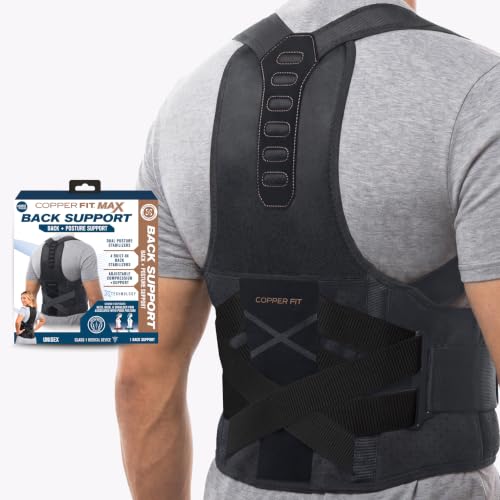
The Copper Fit Max Back Support L/XL offers a better match for you when reinforced panels and broader back coverage matter more than an open design.
The Copper Fit Max Back Support L/XL takes a more structured approach than the LibertyMove brace. Reinforced support panels and targeted compression cover more of the back, making this a relevant option for a workday that calls for firmer physical guidance.
The L/XL label gives you the main selection point, but you will still need to compare your torso proportions with the product’s sizing information. Because this model offers broader coverage than the open-back LibertyMove design, you may notice a stronger pull around the torso.
Useful Touches
- Reinforced panels add structure across the back.
- Targeted compression provides a steadier support cue during long tasks.
- Full-back coverage suits users who want more than an upper-back reminder.
Trade Offs
- The fuller design may feel less discreet than open mesh.
- You may need to adjust the fit to avoid excessive tension.
Key Specs
Built With In Mind
This support is shaped for you when your torso fits the L/XL variant and you prefer firmer, full-back structure.
Look Elsewhere When
The LibertyMove Rounded Shoulder Corrector is a better match for you when a lightweight, upper-back design under office clothes takes priority.
The Copper Fit Max Back Support 2X/3X shares the same reinforced-panel approach as the L/XL version, so the real decision comes down to your proportions. Its broader size designation makes it worth checking closely before ordering.
Full-back coverage and targeted compression suit a preference for structured support during desk work or longer periods of sitting. Depending on how you move, the firmer design may feel more noticeable than the LibertyMove model, even though both share the same basic purpose.
Reasons It Performs
- Reinforced support panels create a more structured back cue.
- Targeted compression adds steady support across the covered area.
- Extended sizing makes it practical for a larger torso range.
Points To Note
- The 2X/3X label is the decisive feature, so measure carefully.
- Its broader coverage may show beneath close-fitting clothes.
The Right Fit
You are a good match for this brace when your measurements align with the 2X/3X option and you prefer substantial back coverage.
Reach For A Different Pick When
The Copper Fit Max Back Support S/M is the more practical choice for you when your torso falls within its smaller size range.
The Copper Fit Max Back Support S/M preserves the reinforced-panel and compression design found in the larger variants while addressing a smaller torso range. That makes it a direct option for people who cannot use the broader L/XL or 2X/3L proportions.
You still receive full-back coverage rather than the lighter upper-back construction used by LibertyMove. The trade-off is that the structured panels and targeted compression may feel more present, particularly during your first few wear sessions.
What Stands Out
- Reinforced panels maintain a structured approach to back support.
- Targeted compression supplies a consistent positional cue.
- The S/M range fills a useful gap between smaller and larger torso options.
Details To Watch
- Your measurement must align with the S/M range.
- Full-back coverage may limit how closely you can wear it.
Core Details
Who Should Grab It
This version fits you when your torso falls within S/M proportions and you prefer full-back structure to a lightweight mesh design.
Swap It Out When
The Mercase Professional Posture Corrector M is a better fit for you when a defined 23-to-32-inch measurement and guided reinforced stays suit your frame more closely.
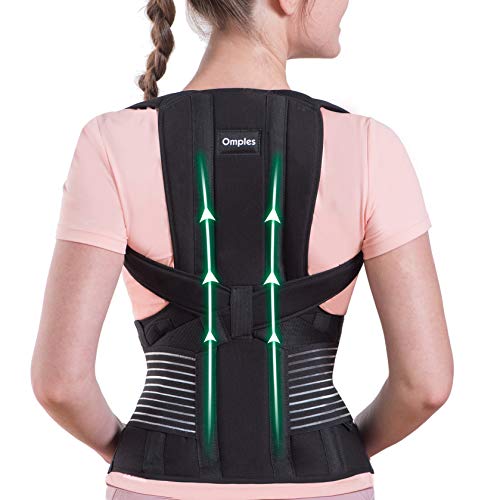
The Omples Thoracic Back Brace Large combines two flexible metal stays with shoulder and back straps. Stays are supportive strips that help guide the brace’s shape, and their flexibility makes this design more adaptable than a rigid panel system.
This model is intended for a 39-to-42-inch waist, so measurement is the essential compatibility check. It offers broader upper-back structure than the LibertyMove brace, yet the flexible stays distinguish it from the reinforced construction used by Copper Fit.
What Pays Off
- Two flexible metal stays provide structured guidance without fixed rigidity.
- Shoulder and back straps distribute the brace around the torso.
- The stated waist range makes sizing unusually direct.
Possible Compromises
- Your waist must fall within the stated 39-to-42-inch range.
- The vest-like construction may feel substantial beneath light clothing.
Right Fit For
You will find this brace most practical when your waist measurement matches and you want a structured design with flexible support elements.
Not Your Match When
The LibertyMove Rounded Shoulder Corrector suits you more when lighter mesh and an upper-back-only design align with your work clothing.
The Mercase Professional Posture Corrector M uses rigid, reinforced stays to guide the shoulders back and provide a firmer positional cue. That makes it a practical choice during desk work or study sessions when you want less repeated self-checking.
The medium size covers a 23-to-32-inch measurement, giving you a more useful fitting reference than a general small or medium label. Compared with the Omples brace’s two flexible stays, this model uses a firmer structure, so the choice comes down to guidance versus flexibility.
A Few Highlights
- Reinforced stays create a firm, consistent pulling cue.
- The 23-to-32-inch range simplifies frame selection.
- The guided design reduces the need to repeatedly check your position.
- It works well as a structured reminder during focused tasks.
Where It May Fall Short
- Rigid stays may feel more noticeable than flexible metal supports.
- Your torso measurement must fall within the stated range.
Important Details
Who It Suits Best
You are the ideal customer for this corrector when firm guided support and a clearly stated torso measurement matter most.
Consider Something Else When
The Omples Thoracic Back Brace Large fits you better when flexible stays and a 39-to-42-inch waist range match your proportions.
What Matters Before You Choose Your Posture Brace
Support Style and Fit
Light reminders and firm guidance serve different purposes. The LibertyMove design uses open mesh and flexible pull for upper-back awareness, while the Copper Fit models, Omples brace, and Mercase corrector add broader or firmer structures. Choose based on how much support feels natural during your normal routine.
Straps, Comfort, and Clothing
A brace that cannot sit comfortably rarely becomes a useful habit. Adjustable shoulder or underarm straps, breathable fabric, and a low-profile shape can make a noticeable difference during long work sessions. Check whether your usual shirt, sweater, or jacket will conceal the sections you prefer to keep discreet.
Size and Wear Routine
Measure before selecting a size, because labels alone can be misleading. The LibertyMove corrector uses underbust measurements, the Omples large brace lists a 39-to-42-inch waist, and the Mercase medium uses a 23-to-32-inch range. Start with a manageable wear period and adjust the tension as your body gets used to the structure.
Smarter Decisions for Brace Use
Mistakes Worth Dodging
Choosing solely by color or style can leave you with an uncomfortable fit. Measure your torso, check the strap arrangement, and consider the clothing you normally wear. Tightening the brace more than necessary does not automatically make it more useful.
Where The Extra Money Goes
Higher-cost options may include reinforced panels, rigid stays, fuller coverage, or more precise adjustment. Those features can suit a structured-support preference, but a pricier design is not automatically better for you. Your measurements, comfort, and intended routine should lead the decision.
Frequently Asked Questions
Can a posture brace fix rounded shoulders?
A posture brace can encourage straighter positioning and make slouching more noticeable. It works best as a training aid paired with regular movement and conscious posture habits, rather than a permanent correction.
How should I measure for a posture brace?
Use the measurement specified by the model, such as underbust, waist, or torso length. Compare your result with the listed range before ordering, and choose the larger option when you fall between two sizes.
How tight should a posture brace feel?
Begin with gentle tension that does not restrict breathing or normal movement. Increase the adjustment only as comfort allows, and loosen the straps if you notice pinching, rubbing, or restricted movement.
Can I wear a posture brace under clothes?
Many designs can sit beneath loose shirts, cardigans, sweaters, or jackets. Fit and clothing thickness affect how discreetly the brace appears, so test it with the outfits you plan to wear most often.
How long should I wear a posture corrector each day?
Short, consistent sessions can be more useful than forcing yourself through an uncomfortable day in a brace. Gradually increase wear time while keeping the fit light and checking how the design feels during your normal activities.
