

A dog can leave tartar on your fingers after a drink of water, and that sticky residue is often the first sign that daily dental care needs attention. These options cover manual brushing, no-brush gels and sprays, and at-home screening for dogs and cats. Two broader wellness supplements also appear because they may interest pet households, though neither directly cleans teeth.
The Main Contenders

Shield Animal Health Dual-End Dog Toothbrush with Soft Nylon Bristles

Mad About Organics Herbal Oral Care Gel for Dogs and Cats, 4oz

Tails of Glory Prebiotic No-Brush Dental Spray for Dogs and Cats
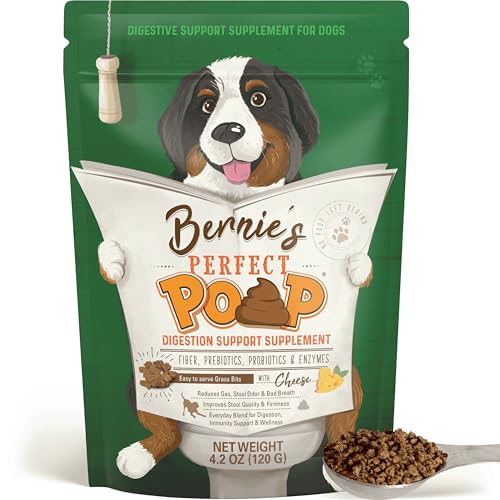
Bernie’s 4-in-1 Dog Digestion Supplement, 4.2 oz

Bernie’s Healthy Hips, 90 Soft Chews

Petivity At-Home Oral Health Test, 1 Ounce
Meet The Standout Selections
For a dog who tolerates manual cleaning, this dual-end brush gives you two useful shapes in one tool. One head carries six tufted rows of soft nylon bristles, while the wave-shaped head is designed to work against plaque and stains near the gum line.
The rubberized, angled handle helps you reach front and back teeth with better control. Dogs of different sizes can use both ends, although the larger head may feel more awkward in a small dog’s mouth.
Useful Strengths
- Soft nylon bristles offer a gentler surface than rigid alternatives.
- Wave-shaped bristles target plaque and visible staining.
- The angled grip improves control during daily brushing.
- Two brush heads make it useful across dog sizes.
- Individual packaging suits routines involving multiple dogs.
Practical Considerations
- Manual brushing requires cooperation, so nervous dogs may need a gradual introduction.
- Check that each head feels comfortable before brushing the back teeth.
Feature Snapshot
Made For
This brush suits dog owners who can handle their pet calmly and want direct control over daily tooth cleaning.
Where A Sibling Pick Shines
Tails of Glory Prebiotic No-Brush Dental Spray suits pets who accept a spray more readily than a toothbrush.
Brushing every tooth each day can be difficult for a squirming dog, and that is where a gel earns its place. You apply this product directly to the teeth and gums without needing a brush, making the routine easier to repeat.
Peppermint, spearmint, and wintergreen extracts provide the fresh-breath side of the routine. Dogs and cats 4 weeks and older are included in its stated use range, so it can serve shared pet households.
Good Reasons To Consider
- No brush is required for application.
- Works with both dogs and cats.
- Mint extracts add a fresh scent.
- The 4oz bottle suits regular home use.
Worth Noting
- Three mint extracts create a fairly strong flavor for sensitive pets.
- Application still requires access to your pet’s mouth.
- It complements rather than replaces professional dental assessments.
The Right Fit
This gel fits busy pet households that want a simple oral routine for a dog or cat who resists toothbrushes.
Look Elsewhere When
Shield Animal Health Dual-End Dog Toothbrush with Soft Nylon Bristles suits you when direct mechanical brushing is practical.
The spray format makes sense for pets who tolerate liquid in their mouth more readily than bristles. You spray each side of the mouth, which takes less setup than preparing a toothbrush and paste.
Erythritol and inulin serve as prebiotics, compounds intended to support the microbial community in the mouth. The formula is presented for dogs and cats of any age, size, or breed, with daily use forming the suggested routine.
Real-World Strengths
- Spray application reduces brushing setup.
- One product accommodates dogs and cats.
- Prebiotics add a defined ingredient focus.
- Daily use fits an established grooming schedule.
- The spray reaches both sides of the mouth.
Where It May Fall Short
- A squirming pet may make accurate spraying difficult.
- It does not provide the direct surface contact offered by bristles.
Quick Facts
Built With In Mind
This spray suits multi-pet homes seeking one no-brush routine for dogs and cats across different sizes.
Another Choice May Suit
Mad About Organics Herbal Oral Care Gel for Dogs and Cats offers a thicker application format for pets who prefer gel to a mist.
This is a digestive wellness chew rather than a dental-cleaning tool, so its place in an oral-care list needs careful framing. Its high-fiber grass bits are intended to support digestion, stool consistency, and reduced gas or stool odor, which may matter to some households.
Cheddar cheese gives the 4.2oz package a familiar flavor profile, while a cheddar cheese and chicken option is also listed. The honest read is that this addresses digestion rather than plaque on the teeth.
Benefits That Matter
- Grass bits provide a clear fiber focus.
- Cheese flavor may suit selective dogs.
- The compact package stores easily.
Things To Consider
- It does not brush teeth or remove plaque directly.
- Persistent digestive symptoms can have several causes and deserve veterinary guidance.
- Dogs with food sensitivities require an ingredient check.
Core Details
Who Will Love This
This item suits dog owners managing an unrelated digestive routine and looking for a cheese-flavored fiber chew.
A Better Fit Elsewhere
Petivity At-Home Oral Health Test provides a more direct way to monitor oral changes than a digestive chew.
This is the clearest category mismatch in the list: a hip and joint chew is not a brush, gel, spray, or oral screening tool. Its place is as a separate mobility-support option for households that also want to organize their dog’s broader supplement routine.
The package contains 90 soft chews and lists 16 active ingredients, including omega-3s, collagen, vitamins, and minerals. It also contains no corn, wheat, artificial colors, or artificial flavors, according to the listed product details.
Bright Spots
- Soft chews suit dogs who dislike tablets.
- The 90-count package supports a long routine.
- Omega-3s and collagen define the formula.
- Corn and wheat are excluded.
Points To Keep In Mind
- It does not directly support tooth cleaning.
- A 90-count format requires a consistent routine.
- Ingredient guidance is important for dogs with sensitivities.
Best Suited To
This chew suits dog owners with a separate mobility-support goal who understand that it is unrelated to dental cleaning.
Consider Something Else When
Shield Animal Health Dual-End Dog Toothbrush with Soft Nylon Bristles is the better fit when your priority is direct oral care.
Noticing a stronger odor or wondering how your dog’s mouth is doing can leave you without much information. This saliva test provides a defined home check, measuring sulfur-containing compounds called thiols that are associated with gum health and breath odor.
A mess-free swab can produce guidance in as little as 10 seconds, depending on the routine you follow. It works for cats and dogs, making it useful in a household where you want to monitor oral changes without guessing from odor alone.
Why It Works Well
- Saliva collection avoids a mouth examination.
- The test measures a defined chemical marker.
- Results provide guidance for the next step.
- Both cats and dogs can use it.
- Home screening fits between veterinary visits.
Small Caveats
- The result is a screening guide, not a complete diagnosis.
- A mouth examination can reveal issues a saliva sample cannot show.
Technical Highlights
Whose Shelf It Belongs On
This test suits pet owners who want a repeatable home check and clear guidance without replacing veterinary oral assessments.
Reach For A Different Pick When
Mad About Organics Herbal Oral Care Gel for Dogs and Cats is a better fit when you want a repeatable cleaning routine rather than screening.
Building a Routine That Your Dog Will Accept
Start With Cooperation
Your pet’s ability to tolerate the method matters more than the length of the feature list. A brush offers direct contact with each tooth, while a gel or spray can be easier to introduce. For nervous dogs, short and calm sessions may establish a better habit than forcing a complete routine immediately.
Match the Format to Your Routine
Manual brushing favors households that can handle their dog and work carefully around the gum line. Gel and spray formats suit pets who accept hands and liquids more readily, with the spray offering the quickest application. A home test serves a different purpose, giving you information rather than mechanically cleaning the teeth.
Separate Cleaning From Monitoring
Cleaning and screening answer different questions. Brushing, gel, and spray routines belong in daily care, while the Petivity test helps you notice changes between professional examinations. The two Bernie’s products belong in separate digestive and mobility routines rather than serving as dental substitutes, and persistent concerns deserve attention from your veterinarian.
Practical Priorities for Dog Dental Routines
Mistakes Worth Dodging
Choosing by odor alone can distract you from plaque along the gum line or other changes that need a closer look. Another common mistake is forcing a toothbrush onto a frightened dog instead of adapting the routine to what your pet will tolerate. Avoid treating a digestive or joint chew as though it removes plaque from the teeth.
What Separates Premium From Basic
Spending more can matter when a specialized design gives you a clearer brushing angle, a defined saliva marker, or a more practical package size. A targeted brush or an at-home test may serve your purpose better than a broad supplement with unrelated benefits. The right upgrade is the feature your dog’s behavior and routine actually require.
Frequently Asked Questions
How often should you brush a dog’s teeth?
Daily brushing is the goal for many dogs because plaque can collect between grooming sessions. Your veterinarian can help you set a realistic schedule based on your dog’s teeth and cooperation.
Can oral care gel replace brushing for dogs?
Oral care gel can support a no-brush routine, but it does not provide the same direct contact as bristles. Shield Animal Health Dual-End Dog Toothbrush with Soft Nylon Bristles is the more thorough option when manual brushing is practical.
Can dental sprays be used for both dogs and cats?
Tails of Glory Prebiotic No-Brush Dental Spray is stated for dogs and cats of any age, size, or breed. You still need to apply it carefully to both sides of the mouth.
What does a saliva oral health test measure?
The Petivity At-Home Oral Health Test measures thiols, which are sulfur-containing compounds associated with gum health and breath odor. Its result provides guidance rather than a complete veterinary examination.
How do you decide which oral care method suits your dog?
Your dog’s cooperation and your household routine should guide the decision. A toothbrush offers direct cleaning, gel and spray formats reduce setup, and a saliva test adds monitoring rather than cleaning.
Final Thoughts
The most useful choice depends on whether your priority is brushing, a no-brush routine, or monitoring. Shield Animal Health leads for hands-on cleaning, while Mad About Organics and Tails of Glory suit pets who tolerate gel or spray more readily. Petivity adds useful screening, and the two Bernie’s choices belong in separate wellness routines. Start with the method your dog accepts most consistently.
