

Your desk setup can feel supportive at first, then gradually become uncomfortable as hours of sitting add up. A posture aid works best when it matches the part of your body that needs support, from the lower back to the seat or feet. These options cover passive cushions, an under-desk foot rest, and an active wearable reminder for home offices, gaming setups, and commutes.
The Shortlist At A Glance

Back2 Panda Lumbar Support Pillow, Office and Car Seats

Back2 Lumbar Support Memory Foam Pillow with Strap, Black

C CUSHION LAB Extra Dense Multi-Region Lumbar Pillow, Green

C CUSHION LAB Ergonomic Memory Foam Foot Rest for Under Desk
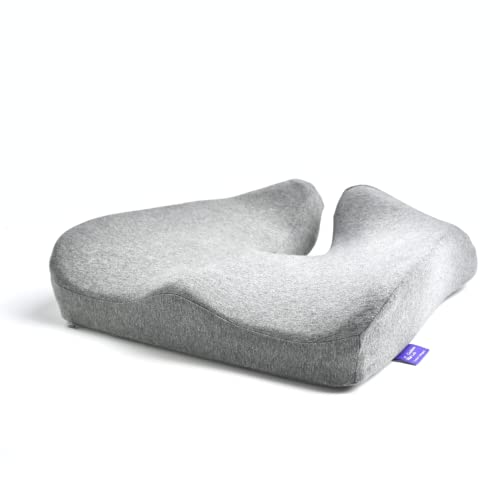
C CUSHION LAB Extra-Dense Pressure Relief Seat Cushion, Light Grey

Kodgem Straight Plus AI Posture Corrector Trainer with Necklace
Taking A Closer Look At The Options
A 3D panda shape gives this Back2 lumbar pillow a more playful look than a plain office cushion. Its contoured form follows the lower and mid-back curve, while high-density memory foam creates a firm base that softens against pressure during long seated stretches.
On office-chair days, the adjustable elastic strap helps keep the cushion against your lower back as you shift position. The breathable cover zips off for machine washing, and the panda styling works especially well in a child’s study chair, a teen’s desk, or a home office that benefits from cheerful color.
Everyday Wins
- The contoured shape supports both the lower and mid-back rather than concentrating on one narrow area.
- High-density memory foam provides a more substantial cushion than a loose fabric pillow.
- The adjustable strap helps prevent sliding during desk work or driving.
- The removable, breathable cover makes routine cleaning straightforward.
Practical Considerations
- Check that your chair or car seat has a suitable anchor point for the elastic strap.
Quick Facts
Made For
This pillow suits students, home-office workers, and drivers who want supportive seating with a playful appearance.
Consider Something Else When
The Back2 Lumbar Support Memory Foam Pillow with Strap, Black suits adults who prefer a restrained mesh-covered design.
Unlike the playful Back2 Panda Lumbar Support Pillow, this black cushion takes a restrained approach that blends into an office, gaming room, or vehicle. Slow-rebounding high-density memory foam adapts to your sitting position and is intended for daily use by adults weighing up to 200 pounds.
Its 3D mesh cover encourages airflow during extended desk sessions, while the hidden zipper lets you remove the cover for machine washing. The adjustable fastening strap keeps the lumbar area supported on office chairs, gaming seats, car seats, and recliners without requiring a permanent chair modification.
Key Advantages
- Mesh fabric improves airflow compared with a fully enclosed upholstered cover.
- Slow-rebound foam balances shape retention with a softer surface.
- The strap reduces the need to reposition the pillow throughout the day.
- One cushion works across desk chairs, gaming chairs, cars, and recliners.
- The removable cover supports straightforward washing.
Worth Noting
- The stated 200-pound limit makes the support level less suitable for many heavier adults.
Who Will Love This
This cushion fits office workers, gamers, students, and commuters who need one portable support for several types of seating.
A Better Fit Elsewhere
The Back2 Panda Lumbar Support Pillow, Office and Car Seats offers a more playful alternative for a child’s or teen’s workspace.
Where the Back2 cushions use a single broad lumbar shape, C CUSHION LAB divides support into lower, middle, and upper-mid-back regions. That multi-region construction follows more of the spine’s curve and gives you distinct contact points rather than one undifferentiated mound of foam.
The extra-dense foam is suited to people who prefer a firmer seat and want support while working, driving, or relaxing on a sofa. A securing strap limits movement, while the wellness green color and sculpted profile create a more purposeful, professional look than the black and panda designs.
Everyday Advantages
- Separate support regions provide more targeted contact along the back.
- Extra-dense foam maintains a deliberate shape for longer work sessions.
- The strap helps preserve the pillow’s position on a chair or car seat.
Areas To Watch
- The deliberately firm feel may not appeal to you if you prefer a softer surface.
- Its sculpted profile occupies more visual space than a simple rectangular cushion.
- Check the chair attachment point before ordering so the strap can sit securely.
Technical Highlights
Right Fit For
This lumbar pillow suits office workers, drivers, and students who prefer structured support across several regions of the back.
Another Choice May Suit
The Back2 Lumbar Support Memory Foam Pillow with Strap, Black is a softer-feeling alternative for shoppers who prioritize mesh airflow over a firm profile.
Moving down from the back, this foot rest addresses a different part of a seated setup. Its memory-foam construction supports your feet, while the elevated position and ridged contact surface create a more deliberate resting point beneath the desk.
That makes it useful for a compact home office, a long gaming session, or a desk where your feet otherwise remain planted on a hard floor. Compared with the C CUSHION LAB Extra Dense Multi-Region Lumbar Pillow, this choice does not brace your back directly, so it works best as a companion to your chair rather than a replacement for lumbar support.
The Upside
- Elevates your feet without requiring a taller chair.
- Memory foam cushions the contact points beneath your heels and soles.
- The massage ridge creates a shaped, textured resting surface.
- It suits work, study, gaming, and general computer use.
Some Limits To Know
- Your desk must have enough clearance for the raised foot position.
- Some people may prefer the smooth surface offered by a basic foam footrest.
Feature Snapshot
Built With In Mind
This foot rest suits desk workers, students, and gamers who spend extended periods seated and want their feet elevated.
Reach For A Different Pick When
The C CUSHION LAB Extra-Dense Pressure Relief Seat Cushion, Light Grey is a better fit when your priority is cushioning beneath the hips instead of the feet.
Unlike the C CUSHION LAB Ergonomic Memory Foam Foot Rest for Under Desk, this cushion focuses on the area beneath your thighs and hips. Its contoured shape supports a more upright seated position, while extra-dense memory foam creates a firm base that resists flattening.
That combination makes it practical for an office chair, a car seat, or a wheelchair, especially when the existing surface feels thin. The light grey finish keeps the appearance understated, though the structured shape may take a little getting used to compared with a flat foam pad.
What Pays Off
- The sculpted shape supports both the thighs and hips instead of concentrating on one area.
- Extra-dense foam stays supportive under sustained daily use.
Details To Watch
- The extra-dense construction feels firmer than a conventional soft seat pad, so check the seat dimensions before ordering.
Who Should Grab It
This seat cushion suits office workers, commuters, and wheelchair users who want contoured support beneath the hips and thighs.
Where Another Pick Suits Better
The C CUSHION LAB Ergonomic Memory Foam Foot Rest for Under Desk suits you better when leg elevation matters more than seat cushioning.
The Kodgem Straight Plus takes a different approach from every cushion in this list. Rather than supporting a specific body region continuously, it uses biofeedback, meaning sensory feedback, to send subtle vibration reminders when your posture needs attention.
Its necklace format makes it practical for office work, study, and meetings, with no chair attachment required. You still need to establish upright position through your own movement, so the device is best understood as a training aid. Its artificial-intelligence label adds electronic complexity, but the vibration cue is the core behavior described.
Useful Highlights
- Subtle vibration reminders work without requiring a rigid back brace.
- The necklace leaves your hands and chair setup unrestricted.
- You can use the device across office, study, and other seated settings.
- Active prompts complement a lumbar pillow or seat cushion rather than replacing either one.
Possible Compromises
- You may find the vibration sensation distracting in quiet offices or meetings.
- The battery may arrive with little charge, so a full charge is needed before the first use.
Core Details
The Right Fit
This device suits office workers who want a discreet reminder to reset their posture during meetings and computer work.
Look Elsewhere When
The C CUSHION LAB Extra Dense Multi-Region Lumbar Pillow, Green is a better fit when you prefer continuous passive support instead of an electronic cue.
Start With the Area That Needs Support
A lumbar pillow targets the lower and mid-back, a seat cushion supports the thighs and hips, and a foot rest changes the position of your lower legs. Begin with the body area that becomes uncomfortable during your normal workday, rather than choosing based on appearance alone.
Office workers with a supportive chair may need a foot rest, while drivers often value a portable lumbar cushion. Gamers may benefit from a seat cushion, and people who slump without noticing may prefer the active reminder offered by a wearable trainer.
Match the Support to Your Chair
A support strap needs a suitable attachment point, and a seat cushion needs enough surface area to support the hips without interfering with the chair’s edges. For a foot rest, measure the space beneath your desk and confirm that your chair allows your feet to reach the raised surface.
Material also shapes the experience. Mesh covers favor airflow, removable fabric simplifies cleaning, and extra-dense foam produces a firmer surface. Consider your personal preference before selecting firmness, since a structured cushion may feel more supportive while a softer one may feel more comfortable.
Decide Between Passive and Active Support
Passive cushions support you continuously through contact, while active devices prompt a change in position. Many office setups benefit from combining the two approaches, such as placing a lumbar pillow behind your back and using a wearable reminder during meetings.
The Kodgem Straight Plus is the active option in this list, but it depends on your response to its vibration cue. A lumbar cushion requires no charging or electronic setup, making it the simpler choice for shared workspaces, travel, and anyone who prefers physical support without a wearable.
Mistakes Worth Dodging
Do not treat every posture aid as a universal answer. A lumbar cushion cannot replace a properly adjusted chair, and a foot rest does not support your spine directly.
Check care instructions, attachment points, and available space before ordering. A useful fit should suit your body, chair, and daily routine rather than simply add another object to the desk.
What Separates Premium From Basic
The added cost of a more advanced option may come from denser foam, multi-region shaping, specialized materials, or electronic components. Those features matter when your needs extend beyond occasional use or when breathability and precise positioning are priorities.
For a simpler setup, a well-fitted mesh lumbar pillow may be enough. A more structured cushion, a foot rest, or an electronic trainer makes more sense when your workday creates a specific support gap.
Frequently Asked Questions
Do I need a lumbar pillow or a seat cushion?
Choose a lumbar pillow when your chair leaves the lower back unsupported. Choose a seat cushion when the main concern is pressure beneath the thighs and hips.
Will a posture support work in a gaming chair?
Most of the listed cushions can fit a gaming chair, provided the strap has a secure anchor point. Check the chair shape and cushion dimensions before ordering.
Where should a lumbar cushion sit?
Place it against the lower portion of your back rather than across the middle of your spine. Adjust the strap so the cushion stays in position as you move.
How should these cushions be cleaned?
Remove the fabric cover and follow its care instructions, including machine washing where specified. Spot-clean the foam core and allow it to dry fully before reassembly.
Are electronic posture trainers practical for office work?
They can be practical when discreet vibration reminders help you notice slouching. Battery charging and your comfort with a wearable remain important considerations.
Wrap Up
The right posture support depends on where your setup falls short: a lumbar pillow for the back, a seat cushion for the hips, a foot rest for the legs, or a wearable for active reminders. Match the format to your chair, work habits, and comfort preferences rather than expecting one item to solve every seated task.
