

A prenatal routine built around fish-derived oil can collide with plant-based preferences. Fish oil capsules also vary widely in source, capsule size, EPA-to-DHA balance, and the number of softgels in each bottle. You need a formula that fits your diet and swallowing routine, not simply the largest capsule count on the label. This guide covers six options, including one algae-based vegan choice and one seed-oil outlier that serves a different purpose.
The Picks In Brief

OmniBiotics Vegan Omega 3 DHA EPA Prenatal, 60 Vegan Capsules

New Chapter Wholemega Fish Oil 90 Count

Nutricost Black Seed Oil 1000mg

Multiform Omega 3 Fish Oil 2000mg
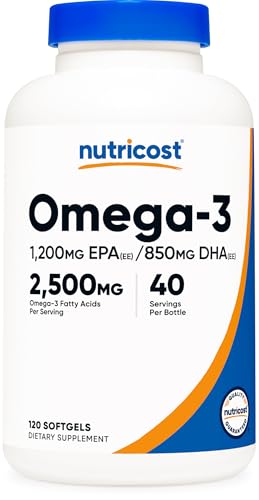
Nutricost Omega 3 Fish Oil 2500mg

Nutricost Fish Oil 240 Softgels
What Each Pick Brings To The Table
A prenatal routine built around fish-derived oil can quickly become a sourcing question. OmniBiotics takes the plant-based route, using algae-derived DHA and EPA in 60 vegan capsules rather than oil extracted from fish.
Each labeled serving supplies 700 mg of DHA and 20 mg of EPA. DHA is the dominant omega-3 here, so this is a targeted prenatal formula rather than a general marine-oil balance.
Noteworthy Benefits
- The algae-based formula avoids fish-derived ingredients.
- Each serving provides 700 mg of DHA.
- Twenty milligrams of EPA complement the DHA.
- The formula excludes gluten, soy, nuts, dairy, sugar, and artificial additives.
Trade Offs
- The DHA-heavy profile may not suit someone seeking a more balanced EPA-to-DHA formula.
- Pregnant or nursing people should discuss supplement choices with their obstetric clinician.
Key Attributes
Made For
Vegans, vegetarians, and pregnant or nursing people who want an algae-derived DHA formula after reviewing it with their clinician.
Where Another Pick Suits Better
New Chapter Wholemega Fish Oil 90 Count suits people who specifically want salmon-derived omega-3 and do not avoid fish-based ingredients.
Swallowing large capsules can derail a routine, and that is where Wholemega’s tiny softgels stand apart from the larger options later in this list. The source is 100% wild Alaskan salmon oil, presented in a bottle of 90 softgels.
Its whole-food approach extends beyond the oil itself. The manufacturer also lists naturally occurring vitamin D3 and astaxanthin, which may appeal to shoppers who prefer a more complex salmon-based formula.
Why It Works Well
- Tiny softgels are easier to swallow for many people.
- The oil comes from wild Alaskan salmon.
- A 2,000 mg serving uses salmon-derived oil.
- Vitamin D3 and astaxanthin accompany the omega-3s.
- No high-heat processing or artificial flavors are used.
Practical Considerations
- Salmon-derived oil does not suit people avoiding fish products.
- Check the vitamin D3 content alongside other supplements in your routine.
Feature Snapshot
Right Fit For
People who swallow large capsules poorly and prefer salmon-derived omega-3 with vitamin D3 and astaxanthin.
Consider Something Else When
Nutricost Omega 3 Fish Oil 2500mg better fits shoppers comparing EPA and DHA amounts rather than prioritizing tiny softgels.
This is the deliberate outlier in the roundup: Nutricost Black Seed Oil comes from Nigella sativa, also called black cumin, rather than fish. It serves shoppers seeking cold-pressed seed oil in a softgel, not those specifically looking for marine EPA and DHA.
The bottle contains 120 softgels with 500 mg of black seed oil in each one, creating 60 labeled servings. That distinction matters because a black seed capsule should not be treated as a direct equivalent to a fish oil capsule.
Useful Touches
- Each softgel contains 500 mg of black seed oil.
- The oil is cold pressed, helping preserve its source characteristics.
- Nigellone and thymoquinone are naturally present compounds.
- The formula is non-GMO and made without gluten.
A Few Limitations
- Black seed oil does not provide the listed marine EPA and DHA profile of the fish oil options.
- Compare ingredient amounts carefully so you do not mistake a 1,000 mg serving for 1,000 mg of EPA and DHA.
Who Will Love This
Shoppers seeking cold-pressed black seed oil in a compact softgel and looking for a plant-derived alternative to fish oil.
A Better Fit Elsewhere
New Chapter Wholemega Fish Oil 90 Count suits people who want marine EPA and DHA rather than black seed oil compounds.
Fishy aftertaste can make a capsule easy to abandon, and Multiform approaches that concern directly with a specially coated softgel. The coating is intended to improve swallowing and reduce the lingering taste associated with fish oil.
Inside is a 2,000 mg serving containing 800 mg of EPA and 600 mg of DHA. The bottle holds 180 capsules, making this a practical option for people who want a listed fishy-aftertaste solution alongside a clear omega-3 profile.
Benefits That Matter
- Each serving lists 800 mg of EPA.
- Each serving also provides 600 mg of DHA.
- The special coating targets fishy aftertaste.
- Molecular distillation removes heavy metals and PCBs.
- The oil comes from wild-caught fish.
Where It May Fall Short
- The 2,000 mg serving uses more softgels than lower-concentration formats.
- Coating preferences vary, so sensitive users may still want to review the full label.
Quick Facts
Best Suited To
People who want a high-amount EPA and DHA formula and particularly value a coating designed to minimize lingering fishy taste.
Look Elsewhere When
New Chapter Wholemega Fish Oil 90 Count is the alternative for shoppers who prioritize unusually small softgels over a coated capsule.
For a concentrated format, Nutricost lists 2,500 mg of omega-3 fatty acids per serving. That profile includes 1,200 mg of EPA and 850 mg of DHA, placing it well above the 1,400 mg of combined EPA and DHA listed for Multiform Omega 3 Fish Oil 2000mg.
The 120-softgel bottle creates 40 labeled servings and comes from wild-caught fish. It makes more sense for your routine when the labeled nutrient amount matters more than keeping the bottle count exceptionally high.
What Helps Most
- The label lists a substantial 2,500 mg of omega-3 per serving.
- EPA and DHA amounts are clearly identified.
- The source is wild-caught fish.
- The formula is non-GMO and made without gluten.
Factors To Consider
- Three softgels make up each labeled serving, so the bottle suits shoppers comfortable with a concentrated format.
- The higher nutrient amounts may not align with a routine that prioritizes a smaller per-capsule amount.
The Right Fit
Adults comparing labeled EPA and DHA amounts and seeking a concentrated fish oil format with a 120-softgel bottle.
Swap It Out When
Multiform Omega 3 Fish Oil 2000mg better fits shoppers who prefer a coated capsule and a lower listed amount per serving.
The largest bottle in this group takes a simple approach: 240 softgels with 1,000 mg of fish oil in each capsule. That is a more straightforward format than the concentrated products earlier in the roundup, with 560 mg of EPA and DHA combined per capsule.
The label estimates an eight-month supply, which makes this option appealing for stocking a household routine or reducing the frequency of replenishment. Your actual routine and the serving instructions on the package should determine whether that estimate fits.
What Makes Sense
- The 240-count bottle supports long-term stock.
- Each capsule contains 1,000 mg of fish oil.
- EPA and DHA provide 560 mg combined per capsule.
- The formula is non-GMO and made without gluten.
Small Caveats
- Each capsule has less combined EPA and DHA than the concentrated Nutricost and Multiform formulas.
- The eight-month estimate depends on following the package’s labeled serving pattern.
Core Details
Whose Shelf It Belongs On
Households seeking a large bottle, simple capsule format, and a lower combined EPA and DHA amount per softgel.
Where A Sibling Pick Shines
Nutricost Omega 3 Fish Oil 2500mg suits shoppers who prioritize a more concentrated EPA and DHA profile over bottle size.
What Matters in a Fish Oil Capsule Routine
Source and Nutrient Profile
EPA and DHA are the two main marine omega-3 fatty acids highlighted on most fish oil labels, and their amounts can differ considerably. Algae DHA offers a plant-based option, while salmon oil provides a different source profile. Black seed oil is not a direct substitute because it does not provide the same labeled EPA and DHA amounts.
Capsule Size and Routine Logistics
A softgel is a capsule filled with oil or another liquid ingredient. Tiny capsules may be easier to swallow, while coated capsules may appeal to people bothered by lingering fishy taste. Compare the number of softgels per labeled serving with the bottle count rather than judging convenience by packaging alone.
Label Details Worth Checking
The total oil amount is not the same as the combined EPA and DHA amount. Check the serving size, capsule count, fish source, dietary exclusions, and storage directions before choosing. A prenatal formula also deserves a separate review because nutrient profiles and dietary needs differ during pregnancy.
Two Details That Change the Value
Common Shopping Slip Ups
A large capsule count can distract from the amount of EPA and DHA in each serving. Compare the nutrient panel, serving pattern, source, and capsule format together so the bottle fits both your preferences and your routine.
What Separates Premium From Basic
Higher-priced options may emphasize tiny softgels, salmon sourcing, coatings, or a more involved formula. Those additions help only when they match your priorities, such as swallowing comfort or a preference for a particular oil source.
Frequently Asked Questions
Are all fish oil capsules the same?
No. They can differ in oil source, EPA-to-DHA balance, capsule size, coating, and serving size. A large capsule count alone does not indicate a stronger nutrient profile.
Is algae-based DHA the same as fish oil?
No. Algae-based DHA is a plant-sourced option, while fish oil supplies both EPA and DHA in the formulas covered here. Compare the labeled nutrients and ingredients before choosing one over the other.
Can fish oil capsules be used during pregnancy?
That decision belongs with your obstetric clinician, particularly when considering prenatal formulas or multiple supplements. OmniBiotics offers a plant-based prenatal option, but your clinician can assess whether it fits your circumstances.
How should the serving size affect my choice?
A larger serving may use several softgels, while a smaller serving can make a bottle last longer. Check the package instructions and compare the capsule count with the number of labeled servings.
Which option suits different preferences?
OmniBiotics fits vegan and prenatal preferences, New Chapter prioritizes tiny softgels, and Multiform emphasizes coated capsules. Nutricost provides concentrated and large-bottle formats, while black seed oil serves a distinct plant-based niche.
Final Verdict
Your best match depends on the details that disrupt your routine: capsule size, fish source, EPA and DHA amounts, and bottle length. Tiny softgels, coated capsules, concentrated formulas, and a large 240-count bottle each solve a different problem. Choose the format that matches how you already eat and shop, then check the label details that your routine depends on.
