

Long desk days, wheelchair travel, and hours in a car can make a hard seat feel especially punishing. A properly fitted cushion can spread weight, reduce pressure around the hips and tailbone, and add comfort without replacing the chair you already own. These options suit different bodies, seating situations, and care routines, from breathable gel to contoured memory foam and a dedicated sacral dressing.
A Snapshot Of The Selections

RARIRO Honeycomb Gel Seat Cushion

SofterCharm Black Memory Foam Cushion

AUVON XL Wheelchair Seat Cushion

Kölbs Gel Supreme Cushion 20 x 16
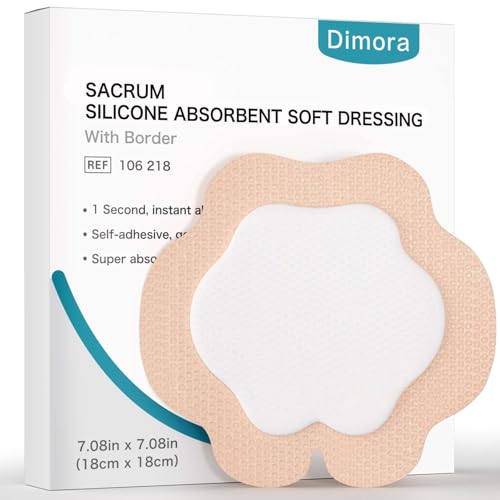
Dimora 7 x 7 Silicone Sacral Wound Dressing with Border, 10 Count

SelectSoma Long-Sitting Gel Cushion
Taking A Closer Look At The Options
Long desk days can leave you shifting around a hard office chair, especially when the seat lacks contour or airflow. The RARIRO Honeycomb Gel Seat Cushion takes a generous approach, measuring 19.7 by 16.1 inches and reaching up to 9 centimeters thick for broad coverage around the hips.
Its raised center varies from roughly 4 to 6 centimeters, giving the gel a contoured feel without the deep U-shaped opening found in the AUVON model. You may find the broad footprint especially useful for commuting, car travel, or home work, though the thick profile takes more room to store.
The Good Stuff
- Ventilation holes and a breathable cover help limit trapped warmth during long sessions.
- The oversized shape supports wider sitting positions better than a compact pad.
- A removable, washable cover simplifies routine cleaning.
- Elastic gel rebounds after compression and suits several sitting postures.
Things To Consider
- The 9-centimeter maximum depth may exceed the clearance beneath some low desk chairs.
- The center rises gradually rather than leaving the tailbone completely unloaded.
Key Specs
Who It Suits Best
You benefit most from this option during extended desk work, driving, or travel on a wide, relatively flat seat.
Where Another Pick Suits Better
The AUVON XL Wheelchair Seat Cushion offers a clearer tailbone cutout for people who need that specific pressure relief.
The SofterCharm Black Memory Foam Cushion suits office work, dining chairs, commutes, and travel where you want a familiar foam seat rather than a pronounced gel surface. Memory foam responds to body weight and warmth, allowing the cushion to settle around your hips instead of pushing upward like the thicker RARIRO design.
The underside helps keep the pad from sliding across a smooth chair, a useful detail during long meetings. You may find the black cover easy to coordinate with most seating, although the listing gives no exact measurements, so checking your chair dimensions before ordering matters.
Everyday Advantages
- The contoured foam can soften a plain office or dining chair without replacing it.
- A washable removable cover keeps ordinary cleaning straightforward.
- The grippy base reduces the need to reposition the cushion constantly.
Worth Noting
- Foam retains body impressions, so the cushion may feel warmer than an open-cell gel surface.
- The unspecified size makes a precise fit with narrow chairs or wheelchair seating difficult to judge.
Right Fit For
You benefit most from this cushion at a desk, dining table, or on a commute where moderate contour and easy maintenance matter.
Consider Something Else When
The RARIRO Honeycomb Gel Seat Cushion offers stronger airflow and stated dimensions for people who overheat while sitting.
Wheelchair users get a more purposeful design from the AUVON XL Wheelchair Seat Cushion than a generic flat pad provides. Its U-shaped opening leaves the tailbone area less directly supported, while a raised thigh slope supports the legs and lower body in a more natural position.
Unlike the SofterCharm cushion, which focuses on broad memory foam conformity, the AUVON adds a detachable securing strap and a non-slip base. You may find those details especially useful in a powered chair or scooter, where movement can shift an unsecured pad.
Advantages To Know
- The U-cutout gives focused relief around the coccyx area.
- A detachable strap helps keep the cushion positioned.
- The removable waterproof cover protects the foam from moisture.
- Ventilation openings support airflow during extended use.
Points To Keep In Mind
- The 20 by 16 inch footprint requires a chair with compatible space.
- Memory foam can change slightly with heat, so actual dimensions may differ after use.
Technical Sheet
Made For
You benefit most from this design in a standard wheelchair, scooter, or other chair with a matching footprint and a need for tailbone relief.
Where A Sibling Pick Shines
The Kölbs Gel Supreme Cushion offers a firmer gel-and-foam construction for people who prefer a flatter seating profile.
The Kölbs Gel Supreme Cushion takes a flatter, more structured approach than the deeply contoured AUVON model. A sealed gel bladder sits inside three inches of sculpted foam, combining weight distribution with a surface that remains fairly close to the original wheelchair seat height.
Its 20 by 16 inch size fits the footprint of many standard wheelchairs, and a carrying handle simplifies transfers or storage. You may find the flatter profile useful for repositioning and transfers, though the 3-inch depth is less generous than the RARIRO cushion’s maximum 9-centimeter profile.
What Makes Sense
- The gel bladder and sculpted foam provide a stable, pressure-distributing seat.
- A removable waterproof cover shields the cushion from moisture and stains.
- The carrying handle supports easier transport between chairs.
Small Caveats
- You should compare the 3-inch thickness with the clearance under your wheelchair or seat before ordering.
Feature Snapshot
Who Will Love This
You benefit most from this cushion in a standard wheelchair when a flat, transportable profile matters more than a deep center contour.
Another Choice May Suit
The AUVON XL Wheelchair Seat Cushion provides a more pronounced tailbone cutout and thigh slope for pressure-focused positioning.
The Dimora dressing belongs in a different part of the care plan because it covers an existing sacral wound rather than cushioning a seat. Its 7 by 7 inch silicone format includes an absorbent center and a gentle adhesive border, making it easier to mistake for a cushion at a glance, but the purposes are entirely different.
You may find the bordered shape useful during bed rest or frequent repositioning, where the dressing needs to remain centered over the sacral area. A wound-care professional should confirm that this size, absorbency level, and adhesive format suit the dressing plan for your skin.
Where It Delivers
- The absorbent center is designed for moderate to heavy wound drainage.
- A silicone adhesive border offers gentle attachment around the wound area.
Honest Caveats
- This item does not replace a seat cushion for pressure distribution while sitting.
- The package contains 10 dressings, so storage and change schedules should guide the quantity you need.
Built With In Mind
You benefit most from this dressing for coverage of an existing 7 by 7 inch sacral area under a clinician-guided wound-care routine.
Reach For A Different Pick When
The Kölbs Gel Supreme Cushion is the more suitable option when your priority is pressure distribution during wheelchair sitting.
The SelectSoma Long-Sitting Gel Cushion keeps the focus simple: flexible gel that conforms to your shape and spreads weight across the seat. It suits office chairs, wheelchairs, cars, and trucks, giving you one option for several places where hard seating creates discomfort.
Compared with the RARIRO cushion, the SelectSoma listing provides fewer construction details, so its exact dimensions, cover material, and thickness are harder to assess before ordering. You may find it appealing for flexible placement across several vehicles or chairs, although a wheelchair user should verify the dimensions separately.
Strengths Worth Knowing
- Flexible gel is designed to conform to body shape and distribute weight.
- The same cushion can move between an office, car, truck, or wheelchair.
Points To Note
- Limited stated dimensions make it harder to confirm compatibility with a narrow or specialized seat.
Quick Facts
The Right Fit
You benefit most from this cushion when one adaptable gel pad must serve several chairs or vehicles without a specialized contour.
Look Elsewhere When
The AUVON XL Wheelchair Seat Cushion offers clearer dimensions, a tailbone cutout, and a securing strap for more specialized positioning.
Pressure-Relief Fit Factors That Matter Most
Start with the seat and the pressure point that bothers you most. A raised center or flexible gel suits broader hip support, while a U-shaped opening gives more direct tailbone relief. Memory foam contours around the body but may retain warmth and body impressions more noticeably than ventilated gel.
Dimensions determine whether the cushion actually fits. Measure the usable seat length and width, then check the clearance beneath armrests or desk surfaces. Thick cushions can raise your seated height enough to affect typing position, driving clearance, or wheelchair transfers.
Wheelchair Compatibility
Most wheelchair cushions need a secure base, and some also benefit from a strap. The AUVON model adds both a non-slip underside and a detachable strap, while the Kölbs design provides a non-slip base and carrying handle. Check the stated 20 by 16 inch dimensions against your chair before ordering, and allow for the fact that memory foam can shift slightly under heat.
Material And Maintenance
Gel generally rebounds after compression and can feel springy, while memory foam creates a closer contour. Removable washable covers make both materials easier to maintain. The waterproof covers on the AUVON and Kölbs models add protection for settings where moisture is likely.
Existing Skin Breakdown
A seat cushion and a wound dressing serve different purposes. The Dimora dressing covers an existing sacral wound, but it does not distribute your seated weight. Your clinician or wound-care professional should guide dressing selection, while a properly fitted cushion can support comfortable positioning around an established care routine.
Everyday Cushion Buying Errors
Mistakes Worth Dodging
The most common error is choosing by color or softness before checking seat dimensions. Another mistake is expecting a flat gel pad to replace a contoured wheelchair cushion. You should also account for cushion thickness, since extra height can alter desk, driving, and transfer clearance.
What Separates Premium From Basic
More money may buy a shaped core, secure attachment, ventilated cover, or precise sizing rather than simply more softness. Those details matter most for daily wheelchair use, frequent repositioning, or shared seating. For occasional use on a dining chair, a simpler foam option may meet your needs without a larger footprint.
Frequently Asked Questions
Are Gel Cushions Better Than Memory Foam for Pressure Sores?
Gel usually feels springier and distributes weight across a broad area, while memory foam creates a closer contour around your body. The better choice depends on your seat, temperature preference, and required shape.
What Size Cushion Fits a Wheelchair?
Most standard wheelchairs accommodate cushions near 20 by 16 inches, but the usable width and depth vary by model. Measure your seat before ordering, including any gaps occupied by straps or armrests.
Can a Gel Cushion Help an Existing Sacral Wound?
A gel cushion can improve weight distribution and positioning, but it does not replace wound care. A clinician should advise you on combining seating support with the dressings and repositioning plan for your skin.
Is a Thicker Cushion Always More Comfortable?
No. Greater thickness can improve cushioning, yet it may also raise your seated position and interfere with desks, vehicle controls, or transfers. Clearance and stability are as important as thickness.
Does a Wound Dressing Replace a Seat Cushion?
No. A wound dressing protects and absorbs fluid around an existing wound, while a seat cushion supports your body during sitting. Your care team may recommend both as part of a broader plan.
Final Verdict
The RARIRO Honeycomb Gel Seat Cushion stands out for breathable, broad support, while the AUVON and Kölbs models make more sense for defined wheelchair dimensions. Match the cushion to your seat, your pressure area, and your cleaning needs, and confirm fit before ordering. For existing wounds, follow guidance from a qualified wound-care professional.
