

A parent holding a newborn, or an adult adjusting support around a tender groin area, needs more than a generic wrap. You need a hernia belt that fits correctly, places pressure where intended, and remains practical for the hours you wear it. The six options below cover newborn umbilical support, adult inguinal support, and discreet abdominal binders, with different materials, pad systems, and sizing to match.
A Fast Comparison Of The Options

lefeke Umbilical Hernia Belt Baby Belly Button Band, Pink-S Adjustable Support

KUAZIDAR Baby Umbilical Hernia Belt Kit with 3 Compression Pads, 7 Navel Patches, Pink
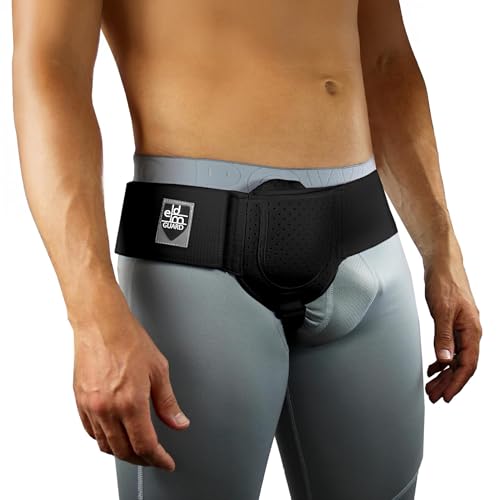
Everyday Medical Inguinal Hernia Belt for Men and Women, Black S/M, Adjustable Compression Pad

ORTONYX Umbilical Hernia Belt 6.25-Inch

Champion Hernia Belt, Single or Double Pads, Small

TENB Inguinal Hernia Belt for Men and Women with 2 Removable Compression Pads
A Breakdown Of The Leading Choices
A newborn’s umbilical area can make diaper changes and close contact with a caregiver more complicated. The lefeke option uses a soft elastic band, a compression pad, and a breathable mesh surface, giving you a simple support setup for a baby with a 14–18 inch waist.
The adjustment points matter more than they might first appear. You can position the pad over the navel area and adjust the band as your baby’s body changes, although the snugness should follow your infant’s care guidance. Compared with the KUAZIDAR kit, this choice is less complicated and easier to introduce into a minimal routine.
The Good Stuff
- Soft elastic material suits close contact with a newborn’s abdomen.
- A breathable mesh exterior helps manage moisture during extended wear.
- The adjustable waist accommodates 14–18 inch measurements.
- A focused compression pad places support directly around the navel area.
Things To Consider
- Measure the baby’s waist before ordering because the listed size covers a defined range.
- This is a single-band setup, so it offers fewer pad and patch options than the KUAZIDAR kit.
Quick Facts
Who It Suits Best
You need a straightforward support band for a newborn whose waist falls within 14–18 inches and whose daily routine favors a compact setup.
Another Choice May Suit
The KUAZIDAR Baby Umbilical Hernia Belt Kit with 3 Compression Pads, 7 Navel Patches, Pink suits you better when separate pads and individually packaged patches add useful convenience.
Keeping a newborn’s navel area covered through diaper changes, baths, and regular wear calls for more than one replacement item. The KUAZIDAR set pairs an adjustable cotton band with three compression pads and seven individually sealed navel patches, giving you a more organized setup than the lefeke band alone.
Its elastic waist fits circumferences from 13.7 to 21.6 inches, so you have room to adjust for changes in your baby’s girth. The three pad shapes also serve different purposes: a large pad, a smaller pad, and a water-absorbing pad. In practice, the separate patches make storage and replacement more convenient, especially during travel or daycare routines.
A Few Strong Suits
- Cotton construction feels soft against a newborn’s delicate abdominal skin.
- The broad waist range supports adjustments as your baby grows.
- Three pad shapes let you match the support area to the task.
- Seven sealed patches simplify clean storage and regular changes.
- The absorbent pad adds protection around bath time.
Small Caveats
- The larger accessory set takes more room than a standalone band and pad.
- Check the full 13.7–21.6 inch range before expecting the band to fit your baby.
Made For
You value organized navel care and regularly handle baths, diaper changes, or infant clothing near the umbilical area.
Consider Something Else When
The lefeke Umbilical Hernia Belt Baby Belly Button Band, Pink-S Adjustable Support offers a simpler setup for a newborn already within its 14–18 inch waist range.
An adult needing support on only one side of the groin has a different requirement from a newborn’s abdominal band. The Everyday Medical belt places an adjustable compression pad over the affected side and can accommodate either the left or right area, making its one-sided design easy to understand.
The S/M size fits a 34–44 inch hip circumference, measured around the hips rather than the waist. That distinction prevents a common fit error. Unlike the Champion option, which can be configured with two pads for bilateral support, this belt keeps the arrangement focused on one side. It may suit a straightforward post-surgery routine, subject to your clinician’s directions.
Notable Gains
- Left or right placement gives you a focused support arrangement.
- The adjustable pad can be positioned over the intended area.
- Elastic construction allows the belt to adapt as you move.
- A clearly defined hip range makes sizing more straightforward.
Trade Offs
- The one-sided pad system does not provide the same bilateral configuration as the Champion belt.
- Measure around your hips, since a waist measurement may fall within the size range by mistake.
Feature Snapshot
The Right Fit
You need focused one-sided groin support and measure between 34 and 44 inches around the hips.
A Better Fit Elsewhere
The Champion Hernia Belt, Single or Double Pads, Small suits you better when removable pads let you switch between one-sided and two-sided arrangements.
Putting on a support belt before work, errands, or a long afternoon calls for a design that sits discreetly beneath clothing. The ORTONYX option uses a 6.25-inch abdominal band with a low-profile profile and fabric that accepts Hook & Loop fastening, meaning hook-and-loop fasteners can attach securely around the belt.
Elastic material helps the binder follow your body rather than acting like a rigid slab. The latex-free construction may also suit people with a latex sensitivity. Compared with the adjustable compression pad on the Everyday Medical belt, this model focuses on a broad abdominal wrap for an umbilical area rather than a left-or-right groin pad.
What Stands Out
- The 6.25-inch band covers a broad abdominal area.
- Low-profile material sits more discreetly under everyday clothing.
- Hook & Loop compatibility supports secure repositioning.
- Elastic construction allows the band to move with your body.
- The material is made without latex.
Where It May Fall Short
- Confirm the 6.25-inch band width suits your torso and clothing style.
- It lacks the specific pad system offered by the inguinal support options.
Technical Highlights
Built With In Mind
You need a slim abdominal binder for an umbilical hernia and prefer securing a broad band beneath everyday clothing.
Look Elsewhere When
The Everyday Medical Inguinal Hernia Belt for Men and Women, Black S/M, Adjustable Compression Pad suits you better when you need a pad positioned over the left or right groin.
A support system can become awkward when the same belt must accommodate either side of the body. The Champion model, identified as model 0005, uses removable pads: remove one for a single-sided arrangement or retain both for bilateral support. That flexibility makes it appealing for a household sharing one support type.
The small size and elastic construction keep the design light, and the pack of two gives you a spare within the same set. The trade-off appears in sizing, since no numerical circumference is listed here. Unlike the TENB belt, which also carries two removable pads, the Champion version is specifically presented in a small size.
Useful Strengths
- Removable pads support one-sided or bilateral configurations.
- Elastic construction offers flexibility as you move.
- The lightweight format works well under a looser clothing style.
- A pack of two provides a second matching belt for your needs.
Points To Note
- Confirm that the small sizing corresponds to your measurements before ordering.
- The pack quantity does not determine whether the design is single or bilateral; the included pads do.
Who Will Love This
You need one adaptable adult belt that can move between left, right, or two-sided pad arrangements.
Swap It Out When
The TENB Inguinal Hernia Belt for Men and Women with 2 Removable Compression Pads suits you better when a clearly stated 29–35 inch hip range helps narrow the fit.
Support worn through daily activity needs to stay discreet while delivering pressure in the intended area. The TENB belt uses two removable compression pads for a bilateral arrangement, meaning both groins can receive support from one belt. It is designed for men and women during the periods before or after surgery, with your clinician’s guidance determining how it fits into your care routine.
The stated hip range is 29–35 inches, or 73–89 centimeters. That makes fit checking straightforward, particularly for adults falling between the TENB range and the broader 34–44 inch range of the Everyday Medical model. Breathable material and a low-visibility shape support everyday wear, while the removable pads provide more configuration flexibility than a fixed one-pad design.
Useful Highlights
- Two removable pads create a bilateral support arrangement.
- Breathable construction suits extended daily wear.
- A discreet profile fits naturally beneath many clothing styles.
- The adjustable design allows each pad to be positioned.
- The 29–35 inch range provides a clear sizing target.
Practical Considerations
- Measure around the hips before choosing this size.
- The stated range is narrower than the Everyday Medical S/M fit.
Core Details
Right Fit For
You need bilateral groin support, measure 29–35 inches around the hips, and prioritize a discreet daily configuration.
Where A Sibling Pick Shines
The Everyday Medical Inguinal Hernia Belt for Men and Women, Black S/M, Adjustable Compression Pad suits you better when your 34–44 inch hip measurement exceeds the TENB range.
Match The Support To The Area And Fit
Start with the location of the hernia, because the six choices cover two very different purposes. The lefeke and KUAZIDAR options are made for newborn umbilical support, while the Everyday Medical, Champion, TENB, and ORTONYX belts serve adult abdominal or inguinal support needs. A newborn band cannot be substituted for an adult groin truss, even when both are described as hernia belts.
Fit comes next, and your measurement should come from the body area named by the product. The infant bands use waist circumferences, the Everyday Medical and TENB belts use hip circumferences, and the ORTONYX model is defined by its 6.25-inch band width. Measure before ordering, then compare the result with the stated range rather than relying on clothing size.
Pad arrangement determines how you can position the support. A single compression pad offers focused placement on one side, while two removable pads support a bilateral arrangement. The KUAZIDAR kit goes further with three pad shapes and separate navel patches, giving you more ways to organize newborn care.
Material and daily duration deserve equal attention. Soft cotton, breathable mesh, and elastic construction can affect comfort during extended contact with sensitive skin. Your care team should also guide how a support belt fits into an infant’s or adult’s treatment plan, and the fit should never replace professional assessment of a persistent or worsening hernia.
Common Errors To Avoid
Mistaken Size Measurements
A belt may appear close to your normal clothing size while sitting in the wrong place. Measure the exact body area named in the listing, then compare the number with the full range rather than its upper or lower edge.
Confusing Single And Bilateral Pads
One-side support and two-side support require different pad arrangements. Look for removable pads and confirm how many belong in the belt before choosing a model for one or both sides.
What The Higher-Tier Buys
More Configurable Components
A more elaborate set can include several pad shapes, individually packaged patches, or a dual-pad system. Those extras are useful when you want to change the arrangement or keep replacement pieces close at hand.
Lower-Profile Construction
Premium construction does not always mean more bulk. Elastic material, breathable surfaces, and discreet fastening can make a support belt easier to wear under everyday clothing, especially during long workdays.
Frequently Asked Questions
What Size Hernia Belt Should You Choose?
Choose the size according to the body area specified by the product. Infant options use waist measurements, while the listed adult inguinal belts use hip circumferences.
Can You Wear a Hernia Belt All Day?
Some models are specifically designed for extended wear, but your clinician should determine the appropriate duration and fit. Remove it as directed and seek guidance for pain, skin changes, or worsening symptoms.
What Is the Difference Between Umbilical And Inguinal Support?
Umbilical support is positioned around the abdomen or navel, while inguinal support places a pad over the groin area. The location and body measurement determine which category you need.
Are Compression Pads Adjustable?
Pad positioning varies by model. The Everyday Medical, Champion, and TENB belts include adjustable or removable pads, while the infant kits offer different pad sizes and shapes for varying daily needs.
Which Hernia Belt Is Easiest to Wear Under Clothes?
The ORTONYX Umbilical Hernia Belt 6.25-Inch emphasizes a low-profile design and flexible fastening. Your clothing style and the support area still determine how discreet it appears in practice.
Final Verdict
Your best choice depends first on the support area, then on a careful measurement. Newborn caregivers can weigh the simple lefeke band against the accessory-rich KUAZIDAR kit, while adults can compare one-sided, bilateral, and low-profile designs. Choose the configuration that matches your body and care plan, then check the fit before regular use.
