

Picture the end of a long ruck: your boots feel heavy, your feet are damp, and every uneven step lands harder than it should. The right insole can add support, manage impact, and create a steadier fit between your foot and boot. These options range from semi-rigid orthotics to high-arch cushioning and cleat-specific carbon fiber, so your footwear and terrain should guide the choice.
The Essentials At A Glance

Cadence Original Orange Orthotic Insoles

VKTRY Gold Carbon Fiber Insole

Superfeet Run Cushion Insoles
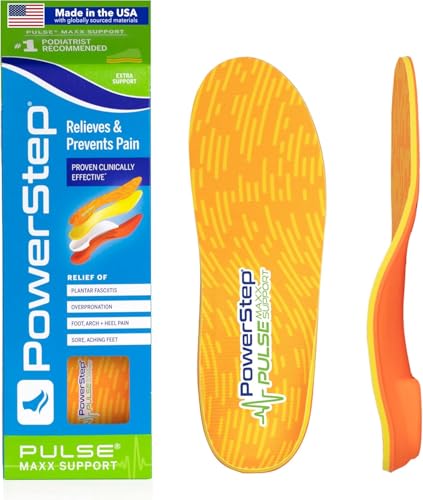
PowerStep Pulse Maxx Running Insoles
VKTRY Gold Sport Insole

VKTRY VK Boost Ankle Strap
Meet The Standout Selections
A loaded ruck makes small shifts inside your footwear feel more pronounced, particularly around the heel. The Cadence Original Orange uses a semi-rigid orthotic shell to add structure without the hard, unyielding feel associated with some corrective inserts.
Its low-arch design and cushioned foam make it more relevant to conventional trail shoes or boots than to tight soccer, track, or cheer footwear. Among these choices, it offers the most practical balance for hikers carrying a pack over mixed terrain.
Strengths Worth Knowing
- The heel cup spreads pressure across a broader area during repeated footfalls.
- A dedicated heel comfort zone adds cushioning without removing the shell’s support.
- Conforming foam improves the feel underfoot from heel to toe.
- The low-friction, moisture-controlling cover suits long, sweaty rucks.
Practical Considerations
- The low-arch profile may not suit someone seeking a pronounced high-arch insert.
- Confirm your size before ordering because the listed fit is specific to men’s 11-12 and women’s 12-13.
Key Specs
Who It Suits Best
You benefit most from this insert during long rucks in roomy trail footwear, especially when your heel feels like the main pressure point.
A Better Fit Elsewhere
Choose Superfeet Run Cushion Insoles instead when a high-arch profile and trim-to-fit customization matter more than a semi-rigid orange shell.
Cleated rucking demands a different balance from an ordinary trail boot, particularly during rapid direction changes. A carbon-fiber baseplate gives the VKTRY Gold Carbon Fiber Insole a stiff platform designed for quick push-offs, controlled landings, and responsive cushioning.
The construction is tailored by sport and body weight, which makes this more specialized than the Cadence Original Orange. It makes sense for tactical or field athletes who sprint and jump in cleats, though normal hiking footwear is outside its intended use.
The Helpful Details
- Carbon-fiber construction supports quick changes of direction and explosive takeoffs.
- High- and low-density foam layers cushion the plate without leaving the foot bare above it.
- Sport-and-weight tailoring gives athletes a more considered fit than a generic insert.
Details To Watch
- It is intended for most cleated shoes, not standard trail boots or sneakers.
- Very tightly fitted soccer, track, and cheer shoes may not accommodate the full insert.
- The product is sized to fit and should not be cut, which limits options for unusual footwear.
Feature Snapshot
Made For
This insert fits field athletes who carry movement loads in cleats and need a firm base during sprints, cuts, and jumps.
Another Choice May Suit
The Cadence Original Orange Orthotic Insoles are a better fit for a long ruck in ordinary hiking footwear rather than repeated sprinting in cleats.
Not every ruck happens in a boot built for long-distance walking. The Superfeet Run Cushion targets running and walking shoes, with flexible support shaped for a high-arch foot. That makes it a sensible choice when your footwear already fits well but your arch needs more definition.
The main practical benefit is customization: the insert can be trimmed to your shoe. Compared with the VKTRY Gold Carbon Fiber Insole, this option follows a softer and more familiar running-shoe format, although it is not built around a rigid carbon-fiber plate.
A Few Strong Suits
- The high-arch profile supports feet that sit farther from the middle of the shoe.
- Trim-to-fit construction helps reduce excess material inside snug footwear.
- Flexible support suits running and walking shoes better than a rigid sports plate.
- The shape can be tailored to improve heel-to-toe placement.
Small Caveats
- Trim the insert according to the included guidance, and size up then trim down when you fall between sizes.
The Right Fit
You get the most useful fit from these insoles when your rucking footwear is a running or walking shoe with a removable sockliner.
Look Elsewhere When
PowerStep Pulse Maxx Running Insoles suit you better when firmer motion control matters more than flexible high-arch cushioning.
Motion control refers to an insert’s ability to manage how the foot rolls during a step. The PowerStep Pulse Maxx uses a rigid shell and angled heel to provide that type of guidance, and it was designed specifically for advanced running shoes used during demanding activity.
For trail runners carrying a pack, that firmer structure can make sense in footwear built for forward motion. It is less natural for a heavy traditional boot, where the PowerStep may feel more structured than the Superfeet Run Cushion.
What Makes Sense
- The rigid shell provides more support than a flexible cushioned insert.
- An angled heel is intended to improve alignment and motion control.
- The design targets advanced running shoes rather than casual footwear.
- Polyester construction creates a defined support platform without a rigid external brace.
- The listed size accommodates men’s 10-10.5 or women’s 12 footwear.
Possible Compromises
- The firm shell may feel less forgiving than the Superfeet Run Cushion during slow, extended walks.
- Its running-shoe focus makes it a less natural match for a tall hiking boot.
Technical Highlights
Built With In Mind
This insert suits experienced trail runners who cover distance in advanced running shoes and want firmer motion control.
Reach For A Different Pick When
The Cadence Original Orange Orthotic Insoles are a better match for a roomy boot and a steadier, more cushioned rucking setup.
Field workouts often include more than walking, and the VKTRY Gold Sport Insole is built around running, sprinting, cutting, and jumping in cleated footwear. Its carbon-fiber foundation creates a firmer base than a typical foam insert, while the surrounding cushioning absorbs some of the landing force.
This narrower focus makes it a specialist choice. A standard rucking boot or trail shoe lacks the structure needed to use its advantages properly, so footwear compatibility comes before nearly every other consideration.
Benefits That Matter
- The carbon-fiber platform favors quick push-offs and controlled landings during rapid movement.
- Responsive cushioning adds comfort without leaving the foot directly on the rigid plate.
Trade-Offs To Consider
- It is designed for most cleated athletic footwear, not ordinary trail boots.
- Confirm that your cleats have enough internal room for a full-length sports insert.
- The design emphasizes explosive movement rather than the general cushioning profile of the Superfeet Run Cushion.
Who Should Grab It
You benefit most from this insole during field training that combines running, jumping, and quick directional changes in cleats.
Where A Sibling Pick Shines
VKTRY Gold Carbon Fiber Insole provides a more specifically described sport-and-weight tailoring approach for athletes with multiple competitive sports.
The VK Boost is an accessory rather than a standalone insole, so it occupies a different role from the other five choices. Its adjustable strap is designed to connect a compatible VKTRY carbon-fiber insert with added ankle support, making it relevant to athletes already using that system.
For rucking, the appeal is an extra connection between the foot and lower leg during quick movements. That benefit depends on the correct pairing and a secure fit, so the insole choice still needs to happen first.
Key Advantages
- The adjustable design lets you refine the strap tension around your ankle.
- It adds a stabilizing element to a compatible carbon-fiber insole setup.
- The accessory supports running and sport-focused movement rather than replacing the insole.
Points To Keep In Mind
- You need a compatible VKTRY insole because the strap does not provide stand-alone arch support or cushioning.
Quick Facts
Whose Shelf It Belongs On
This strap suits a field athlete who already uses VKTRY insoles and wants additional ankle support during running or sport movements.
Swap It Out When
Choose Superfeet Run Cushion Insoles instead when you need a complete high-arch insert rather than an add-on ankle accessory.
Matching Insoles to Your Footwear and Load
Start With the Shoe
Your footwear determines which inserts can work. Conventional trail boots and shoes have more room for a full-length orthotic, while cleats, technical shoes, and narrow footwear require especially close attention to interior space. A removable sockliner gives you a cleaner fit and makes an insert easier to position.
Choose the Support Level
Semi-rigid support, flexible cushioning, and a carbon-fiber plate serve different purposes. A semi-rigid shell offers structure for loaded hiking. Flexible high-arch support works well in running shoes, while a carbon-fiber platform favors quick, forceful movement in suitable athletic footwear.
Account for the Ruck
A heavier pack increases the value of a secure heel position and controlled foot movement. You do not need the most rigid option available, though. Match the insert to your arch, footwear, and typical pace so the added structure helps rather than crowds your foot.
Check the Details Before Ordering
Verify the size, footwear type, and any trimming instructions before purchase. For a multi-sport athlete, also check whether the insert is tailored to your sport and weight. These details matter more than a broad promise of comfort because they determine whether the product can be used as intended.
Practical Checks Before You Commit
Mistakes Worth Dodging
The easiest mistake is choosing a cleat-specific insert for ordinary trail footwear or forcing a bulky orthotic into a tightly fitted shoe. Another common error is assuming that a high arch automatically needs the strongest possible support. Check the insole’s intended shoe type and fit method before ordering.
What Separates Premium From Basic
A higher-tier insert may add a carbon-fiber plate, a firmer shell, sport-specific tuning, or an adjustable ankle accessory. Those features are worthwhile for repeated sprints, jumps, or heavy loaded hikes. For occasional walks on forgiving trails, a simpler supportive model may meet your needs without adding unnecessary bulk.
Frequently Asked Questions
Are VKTRY insoles suitable for regular rucking boots?
No. The VKTRY Gold Carbon Fiber Insole and VKTRY Gold Sport Insole are designed for cleated athletic footwear, so ordinary trail boots and sneakers do not provide the right foundation. Use a boot-compatible orthotic for standard rucking footwear.
Can the Superfeet Run Cushion Insoles be trimmed?
Yes. They are trim-to-fit, and you should follow the cutting guidance before use. If you fall between sizes, size up and trim the insert down to fit your shoe.
Which option suits a high-arch foot?
The Superfeet Run Cushion Insoles have a high-arch profile and flexible support, making them a natural starting point for that foot shape. The best result still depends on whether your footwear has enough space and whether the trimmed shape sits correctly beneath your arch.
Does the VKTRY VK Boost Ankle Strap work by itself?
No. The VK Boost is an accessory designed to pair with compatible VKTRY carbon-fiber insoles. You need the insole first because the strap adds ankle support rather than supplying the main layer of arch support and cushioning.
How do I choose between a rigid and flexible insole?
Choose a rigid or semi-rigid design for firmer guidance in roomy footwear, and a flexible insert for running shoes or a more cushioned feel. Your activity, footwear volume, and arch preference matter more than the material label alone.
Final Verdict
The Cadence Original Orange Orthotic Insoles make the most sense for a long ruck in conventional footwear, with Superfeet serving high-arch needs and PowerStep offering firmer running-shoe control. The VKTRY choices come into their own for cleated athletes. Choose the insert your footwear can accommodate, and your feet will have a better chance of staying comfortable from the first mile onward.
