

Your feet can roll outward during walking or standing, especially across long workdays, uneven sidewalks, or active weekends. Supination is that outward rolling pattern, and it may leave you searching for inserts that offer stable support without making your shoes feel crowded. These six options cover different needs, from lightweight foam and deep heel cups to adjustable alignment layers. You’ll find a better starting point by matching each insert’s support style, coverage, and adjustability to your shoes and routine.
A Closer Look At The Lineup

Gviipk Lightweight Arch Insoles

PowerStep Pinnacle Pink Orthotics for Women with Maximum Cushioning

Vionic Relief Orthotic

Spenco Rx 3/4 Arch Support Insoles
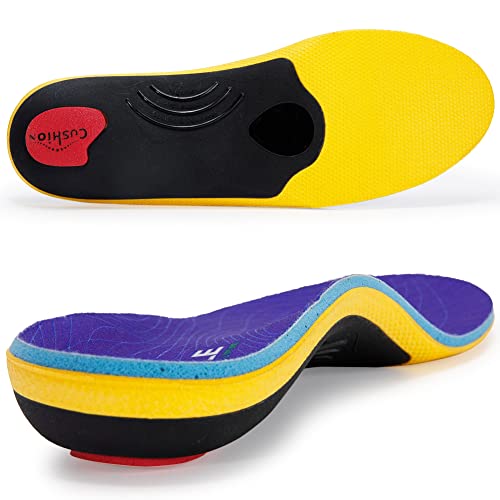
VALSOLE Heavy Duty High Arch Orthotics for 220+ lbs Weight

Misorita Adjustable 3-Layer Supination and Pronation Insoles
Meet The Standout Selections
The Gviipk Lightweight Arch Insoles favor a thin profile that can fit more readily inside sneakers, walking shoes, and work footwear. A three-point support structure works with a U-shaped heel cup, which is a raised rim that helps hold the heel in place. You’ll find this design useful when your shoes need support without a bulky insert.
Teachers, healthcare workers, servers, and anyone spending much of the day standing can benefit from the distributed cushioning. The trim lines also let you shorten the insert to suit your shoe. Compared with Gviipk’s general arch support, Misorita offers more direct adjustment for outward or inward rolling.
Bright Spots
- The slim foam construction suits shoes where bulkiness would interfere with the fit.
- Three-point support and a heel cup work together to create a steadier base.
- Cushioning zones at the heel and forefoot help soften impact during long walks.
- Front trim lines give you control over the insert’s final length.
- The stated 90% impact absorption adds useful support during running and extended standing.
Minor Gripes
- The support centers on arch structure rather than dedicated supination adjustment.
- You may need to trim the insert carefully to avoid reducing the arch-support area.
Quick Facts
Made For
You’ll get the most benefit during long workdays, frequent walking, or light running in shoes that accept a thin insert.
Another Choice May Suit
Misorita Adjustable 3-Layer Supination and Pronation Insoles suit you better when you want to adjust alignment rather than add general arch support.
These full-length orthotics add substantial structure beneath the foot, combining a deep heel cup with maximum cushioning. An orthotic is an insert shaped to support alignment and distribute pressure, so you’ll notice a more substantial feel than with the lighter Gviipk model. The available size combinations cover several women’s and men’s ranges.
They’re most practical for shoes with a removable factory insole, especially during commutes, long shifts, or walks where underfoot comfort matters. Pronation is the inward rolling pattern, and this model is specifically positioned for pronation control rather than supination correction. Women seeking a deeper, fuller support platform should pay close attention to the listed sizing.
What It Does Well
- Full-length coverage supports the heel, arch, and forefoot as one continuous platform.
- Maximum cushioning gives long walks and standing shifts a softer landing.
- The deep heel cup adds stability through the rear of the foot.
- Removable-insole compatibility makes installation straightforward in compatible shoes.
Trade Offs To Consider
- Its pronation-control focus makes it less targeted to outward rolling feet.
- You need shoes that accept a full-length insert with little extra room.
Feature Snapshot
Who It Suits Best
You’ll appreciate this option in removable-insole shoes during long workdays or walks, especially with a neutral arch profile.
Where A Sibling Pick Shines
Misorita Adjustable 3-Layer Supination and Pronation Insoles offer a more relevant choice for adjustable supination support.
The Vionic Relief Orthotic places a deep heel cup beneath the rear of your foot and uses a three-zone comfort system for broader support. A zone system divides cushioning into separate areas, allowing the insert to respond differently from the heel through the forefoot. It’s a practical design for casual hikes, office days, and active routines.
Compared with PowerStep Pinnacle Pink Orthotics, this option also offers full-foot coverage and a pronounced heel cradle, but it does not present the same listed pronation correction. You may find it comfortable for everyday stability, although a dedicated supination adjustment would be more relevant for that particular movement pattern.
Everyday Advantages
- The deep heel cup helps center the rear of your foot inside the shoe.
- Three-zone cushioning suits varied activities rather than one specific task.
- Full-length support provides a broader platform than a partial insert.
Worth Noting
- You’ll need enough shoe volume to accommodate the orthotic’s full-length shape.
- The design offers general stability rather than clearly adjustable supination control.
Built With In Mind
You’ll get the most benefit during everyday workdays and casual activity with shoes that have room for full-length support.
Look Elsewhere When
PowerStep Pinnacle Pink Orthotics for Women with Maximum Cushioning suit you better when pronation control and deep cushioning are your priorities.
The Spenco Rx 3/4 Arch Support Insoles leave the front portion of the shoe open while supporting the heel and arch. That three-quarter-length format can be easier to fit inside roomy footwear, where a full insert may make the toe box feel crowded. The nylon construction and shock-absorbing core favor active days on your feet.
A customizable heel and arch plate lets the support follow your foot’s shape, which is a practical advantage for changing comfort needs. Unlike Vionic Relief Orthotic, this insert leaves more of the forefoot uncovered, so you sacrifice full-foot coverage for a lighter, less bulky feel.
Positive Takeaways
- Three-quarter coverage preserves space at the toe for casual and walking shoes.
- The customizable heel and arch plate offers a more personal support shape.
- Shock-absorbing cushioning softens the feel of impact during active routines.
- The listed women’s and men’s size ranges cover several shoe sizes.
Small Caveats
- You’ll have less support beneath the forefoot than with a full-length orthotic.
- Partial coverage may not suit you when even the front of the insert feels crowded.
Core Details
Right Fit
You’ll benefit from Spenco Rx 3/4 Arch Support Insoles in roomy shoes where targeted heel and arch support matters more than full-foot coverage.
Reach For A Different Pick When
VALSOLE Heavy Duty High Arch Orthotics for 220+ lbs Weight suit you better for substantial support in work boots and demanding conditions.
The VALSOLE Heavy Duty High Arch Orthotics are built around more substantial support, with a stated fit for users weighing 220 pounds or more. Their work-boot focus makes sense for warehouse shifts, tradespeople, and anyone who spends hours on their feet. The design targets high arches and flat feet with shock-absorbing support.
Compared with Spenco Rx 3/4 Arch Support Insoles, this option takes a firmer, fuller approach rather than relying on a compact arch plate. That structure may feel more purposeful inside sturdy footwear, although it can demand more room than a slimmer insert.
Practical Pluses
- The 220-pound-plus design targets substantial support requirements.
- High-arch and flat-foot positioning serves several common foot profiles.
- Work-boot compatibility suits demanding occupational environments.
- Shock absorption helps soften repeated foot strikes.
Possible Compromises
- Its heavier support profile needs enough room inside sturdy shoes.
- The high-arch focus may not match every foot shape or walking preference.
- It does not provide the adjustable wedge system seen in the Misorita option.
Who Will Love This
You’ll get the most benefit from VALSOLE Heavy Duty High Arch Orthotics for 220+ lbs Weight during long shifts in supportive work footwear.
Swap It Out When
Misorita Adjustable 3-Layer Supination and Pronation Insoles suit you better when adjustable alignment takes priority over heavy-duty high-arch support.
The Misorita Adjustable 3-Layer Supination and Pronation Insoles address alignment more directly than the other choices. Three layers let you combine components according to the amount and direction of correction you want. This makes the insert especially relevant to outward rolling, inward rolling, X-shaped legs, and O-shaped legs.
Each pair includes six wedge-shaped gel pieces, with two covered in velvet and four transparent. You can adjust the height through different combinations, which is useful when you need to test how a subtle change feels. Compared with VALSOLE Heavy Duty High Arch Orthotics for 220+ lbs Weight, the focus is personalization rather than maximum support.
Benefits That Matter
- Directly addresses both supination and pronation movement patterns.
- Three layers provide more adjustment combinations than a fixed insert.
- Six gel wedges let you change the amount of height added.
- Two velvet-covered pieces offer a different surface under the foot.
- Adjustable placement suits people comparing several support configurations.
Points To Keep In Mind
- You’ll need time to test different wedge arrangements for comfort and shoe fit.
- The added layers can occupy more space than a single-piece insole.
- Adjustment offers a practical experiment, not a substitute for a professional alignment assessment.
Feature Facts
Whose Shelf It Belongs On
You’ll find this option useful when your main concern is supination and you want control over the degree of alignment adjustment.
A Better Fit Elsewhere
PowerStep Pinnacle Pink Orthotics for Women with Maximum Cushioning suit you better when deep heel support and full-length cushioning matter more than adjustable wedges.
What to Match Before You Buy
Start With the Movement Pattern
Supination means your foot rolls outward, while pronation describes inward rolling. The Misorita model directly supports both patterns, while the other choices emphasize arch support, heel control, or cushioning. You’ll need a clear sense of the movement you’re addressing before choosing an adjustment style.
Check the Shoe’s Interior
Full-length orthotics need more interior room, whereas the Spenco Rx 3/4 Arch Support Insoles leave the forefoot open. PowerStep Pinnacle Pink Orthotics for Women with Maximum Cushioning also require a removable factory insole. Measure the shoe’s insertable area and leave enough space so the top of your toes doesn’t feel compressed.
Decide Between Fixed and Adjustable Support
A fixed support model provides a consistent structure with fewer decisions to make. Adjustable layers let you change the amount of correction, which can be useful during short comparison periods. Choose the system that matches your comfort preferences and how much time you want to spend arranging the insert.
Consider the Daily Workload
You need different features from a pair used mainly for short walks than from one carried through a warehouse shift. Lightweight foam suits routine walking, while a high-capacity orthotic better matches long occupational hours. Match the insert’s coverage and cushioning to the shoes and activities you use most often.
Shopping Traps in Orthotic Insoles
Mistakes Worth Dodging
Don’t assume extra arch height automatically corrects outward rolling, and don’t select by appearance alone. Check whether the shoe accepts a full-length or partial insert, then compare the support style with your movement pattern. You’ll make a better decision by testing comfort and fit together.
When Paying More Pays Off
Higher-cost inserts may add deeper support, broader coverage, specialized materials, or more adjustment options. The added expense becomes worthwhile when those features match a demanding activity or difficult fit. You’re paying for construction and versatility, not a promised result.
Frequently Asked Questions
How do I know my feet supinate?
You may notice that your shoes wear more along the outer edge, or a specialist may identify the pattern during an assessment. You can also compare how your foot rolls during a barefoot walk, while remembering that footwear and fatigue can change the pattern.
Which insoles are best for supination?
Misorita Adjustable 3-Layer Supination and Pronation Insoles are the most directly aligned option in this group. Other choices can provide general support, but you’ll want to confirm that the arch and heel structure suits your foot before using them for a specific movement pattern.
Are full-length insoles better than three-quarter insoles?
Full-length inserts support more of the foot, while three-quarter models can fit more easily in roomy shoes. You’ll gain broader coverage with a full design and save interior space with a partial one. The better choice depends on your shoe volume and support priorities.
Can I use these insoles in work shoes?
You can use them in compatible footwear, but the removable-insole design matters. PowerStep Pinnacle Pink Orthotics for Women with Maximum Cushioning specifically suit shoes with a removable factory insole. The heavier VALSOLE design is intended for work boots and similarly substantial footwear.
How do adjustable wedge insoles work?
You arrange the included wedges to change the amount and direction of support beneath your foot. Start with a modest arrangement, walk in a familiar environment, and adjust from there. You’ll learn more from a few careful comparisons than from installing every layer at once.
Final Verdict
Misorita Adjustable 3-Layer Supination and Pronation Insoles stand apart for direct supination support and adjustable placement. For general arch support, Gviipk Lightweight Arch Insoles suit daily wear, while PowerStep Pinnacle Pink Orthotics for Women with Maximum Cushioning and VALSOLE Heavy Duty High Arch Orthotics for 220+ lbs Weight serve fuller support needs. Choose the insert that matches your movement pattern, shoe space, and daily workload.
