

A lumbar cushion can make a noticeable difference after hours at a desk, behind the wheel, or in a chair that lacks built-in support. You need more than soft padding, though, because the right shape, firmness, and attachment method depend on your body and chair. These six options cover firm rolls, memory foam pillows, two-piece sets, footrests, and contoured seat cushions for different routines.
The Main Contenders

OPTP The Original McKenzie Signature Lumbar Roll for Chair, Pack of 2

JIPORIER Lumbar Support Pillow and Memory Foam Seat Cushion Set, Black

Foamula Lumbar Support Pillow for Chair, Car, Office, Plane

C CUSHION LAB Extra Dense Multi-Region Lumbar Support Pillow with Strap, Green

C CUSHION LAB Ergonomic Memory Foam Foot Rest with Massage Ridge for Desk
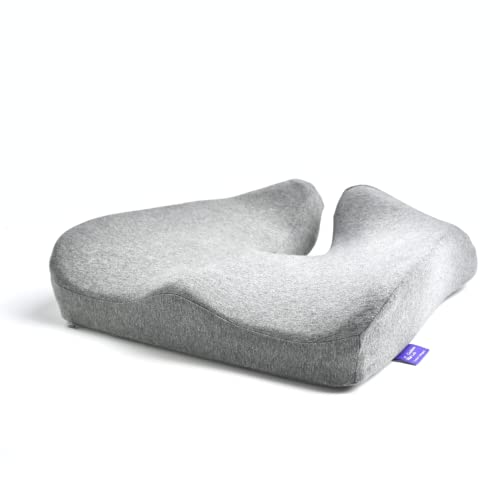
C CUSHION LAB Extra-Dense Memory Foam Pressure Relief Seat Cushion, Grey
More Details on the Main Contenders
The cylindrical shape gives this roll a more defined support profile than the broad memory foam pillows later in the list. Its firm core is intended for a pronounced lumbar curve, meaning the inward curve in the lower back. That structure may feel more supportive than a loosely filled cushion, particularly during long work sessions or drives.
Removable, adjustable straps keep the roll against a chair or car seat, while the two-piece pack gives you a spare or lets you support two locations. Compared with the Foamula Lumbar Support Pillow for Chair, Car, Office, Plane, this option places more emphasis on firm support and a pronounced lower-back curve. The suede-type cover adds a warmer, less synthetic feel, though personal preferences still matter.
A Few Strong Suits
- The firm profile suits people who want more structure than a soft foam pillow provides.
- Adjustable straps help keep the roll positioned during desk work and travel.
- Each roll measures approximately 11 inches long and 4.75 inches in diameter.
- Two rolls provide useful flexibility for different chairs or a spare placement.
Points To Keep In Mind
- The defined roll shape may feel too firm for people who prefer a softer, flatter cushion.
- The straps contain latex, so that detail deserves attention if you have a latex sensitivity.
Key Specs
Built With In Mind
This roll fits office workers, drivers, and home sitters who have a pronounced lumbar curve and prefer structured support.
Where Another Pick Suits Better
JIPORIER Lumbar Support Pillow and Memory Foam Seat Cushion Set, Black offers a gentler, two-piece setup for people who want both back and seat padding.
This set addresses two separate pressure points: a broad seat cushion and a vertical lumbar pillow. The seat pad uses a whole piece of 35D high-density foam, while the back support uses softer high-density memory foam. You get a more substantial surface than a narrow roll without giving up the curved support behind your lower back.
It makes sense for office chairs, gaming seats, dorm furniture, cars, and wheelchairs, where the seat itself may be thin or flat. The removable, washable cover handles everyday use more conveniently than a fixed upholstery, and an anti-slip base helps the seat cushion stay put. Unlike the single-purpose C CUSHION LAB Extra Dense Multi-Region Lumbar Support Pillow with Strap, Green, this package also changes how you sit on the chair.
Everyday Perks
- Combining back and seat support simplifies setup for a bare office or gaming chair.
- The seat cushion’s 2.4-inch thickness adds substantial padding under the hips and thighs.
- The removable cover can be machine washed, making cleanup straightforward.
Practical Considerations
- The 18.1 by 16.5-inch seat cushion may occupy more room than a smaller pad.
- The two components need separate positioning, which takes a little setup time.
- The 20.9-inch lumbar pillow may extend beyond some narrow chair backs.
Made For
This set is well suited to desk workers, students, and gamers who want coordinated seat and lower-back cushioning.
Another Choice May Suit
C CUSHION LAB Extra-Dense Memory Foam Pressure Relief Seat Cushion, Grey is a simpler fit when your main concern is pressure beneath the hips rather than a two-piece arrangement.
This pillow is designed to move with you, using one adjustable strap across office chairs, car seats, sofas, wheelchairs, and airplane seats. Its low-resilience memory foam, meaning foam that resists rapid flattening, is intended to maintain a supportive shape through a full day. The non-vibrating version also keeps the setup simple for travel.
The soft mesh cover adds breathability and can be removed for cleaning. Compared with the broader JIPORIER set, this is a focused back-support accessory without a seat pad, so it takes up less visual space and moves more easily between locations. You may find the 50D foam less plush than a conventional slow-response cushion, but its firmer resistance is the central design choice.
Practical Pluses
- One strap allows quick repositioning between different seats.
- Low-resilience foam is intended to resist flattening during extended use.
- The breathable mesh cover feels suitable for warm office environments.
- A removable zippered cover makes cleaning more convenient.
- Its compact format works across home, office, car, and airplane seating.
Soft Spots
- The firmer foam may not match the softer feel you get from the JIPORIER memory foam set.
Feature Snapshot
Right Fit For
Frequent travelers, hybrid workers, and drivers benefit from a single cushion that works across offices, vehicles, and aircraft.
Reach For A Different Pick When
OPTP The Original McKenzie Signature Lumbar Roll for Chair, Pack of 2 fits better when firm support for a pronounced lumbar curve matters more than portability.
This model takes a more structured approach, dividing support across the lower, middle, and upper mid-back. That multi-region design distinguishes it from the OPTP roll, which concentrates its contact around the lumbar curve. A physical therapist designed the shape for people who spend extended periods sitting, and the extra-dense construction gives it a notably firm feel.
The included strap makes sense for office chairs, car seats, and sofas, while the wellness green color adds a relaxed touch to an otherwise clinical-looking product. You may find this more supportive than a floppy foam pillow, especially in a chair that already provides a defined seat shape. It is less useful as a portable travel cushion, though.
The Good Stuff
- Multiple support regions create a more structured back profile.
- The extra-dense foam favors stability over a soft sinking sensation.
- The strap keeps the pillow attached to office, car, and sofa seating.
Trade Offs
- The firm construction may feel too rigid for people who want gentle cushioning.
- Check the strap’s reach before using it on a particularly narrow chair.
Core Details
Built With In Mind
Office workers, drivers, and home sitters benefit from this option when firm, segmented support is the priority.
Skip It When
Foamula Lumbar Support Pillow for Chair, Car, Office, Plane suits you better if portability and a softer mesh-covered surface take priority.
A footrest changes the geometry of a desk setup by raising your feet and creating a more relaxed leg position. This model uses memory foam beneath a patented ridge pattern, adding texture to the surface where your soles rest. It works alongside an office chair, home workstation, or gaming setup where your feet otherwise remain flat on the floor.
Unlike the five lumbar products in this list, this option supports your lower body rather than placing a cushion directly behind your back. That makes it a useful companion to a chair that already has adequate back support. Depending on your desk setup, you may need to adjust the chair height so your thighs and feet meet the rest properly.
Strengths Worth Knowing
- The raised position offers an alternative to keeping both feet flat.
- Memory foam and a ridged surface create a more comfortable resting point.
Details To Watch
- You need enough desk clearance to slide your feet and the rest beneath it.
- This improves lower-body positioning but does not provide direct lumbar cushioning.
- The footrest occupies floor space, which can matter in a compact room.
Whose Shelf It Belongs On
Desk-based workers and gamers benefit from this footrest when dangling feet or prolonged leg positioning make the setup uncomfortable.
A Better Fit Elsewhere
JIPORIER Lumbar Support Pillow and Memory Foam Seat Cushion Set, Black is a better fit when your priority is direct support behind the lower back and beneath the hips.
This cushion concentrates on the seat rather than the lower back. Its extra-dense memory foam and contoured shape cradle the thighs and hips, providing a raised surface for office chairs, home seating, cars, and wheelchairs. The ergonomic team shaped the profile to support a more upright seated position while distributing pressure across the legs.
It offers a simpler setup than the JIPORIER two-piece set, with no separate lumbar pillow to position. Compared with the OPTP lumbar roll, however, it addresses a different part of the body and cannot directly support your lower spine. The dense construction may feel supportive without the soft sink of a conventional memory foam pad.
Reasons It Performs
- Contoured shaping supports both the thighs and hips during extended sitting.
- Extra-dense foam provides a stable surface that resists bottoming out.
- One cushion works across office, home, car, and wheelchair seating.
- The simple design requires no separate back attachment.
Less Ideal Details
- It supports the seat but leaves your lower back without added cushioning.
- Extra-dense foam may feel firm to someone accustomed to softer padding.
- Confirm the chair’s seat dimensions and weight limit before adding another cushion.
Important Details
Who Will Love This
Office workers, wheelchair users, drivers, and home sitters benefit from this option when hip and thigh pressure is the main concern.
Consider Something Else When
OPTP The Original McKenzie Signature Lumbar Roll for Chair, Pack of 2 is a better fit when you want targeted support behind a pronounced lower-back curve.
Match the Support to Your Chair and Routine
Start With Your Sitting Pattern
A narrow lumbar roll suits a chair that supports your back but leaves a gap around the curve of your lower spine. A broad memory foam pillow makes more sense for an office seat with little contouring, while a seat cushion addresses pressure beneath the hips and thighs. Your longest sitting period matters, too, because a cushion that feels pleasant for ten minutes may not remain comfortable through a full workday.
Choose Firmness and Shape
Firm foam holds its form and creates a defined support point, which can feel useful in a vehicle or on a flat-backed chair. Softer memory foam conforms more gradually and may feel better on a padded office chair. A contoured seat cushion works differently again: it supports the legs and hips instead of filling the space behind your waist. “Lumbar support” describes the general goal, not a single shape.
Check the Fit Before Committing
Measure the chair’s back and seat before ordering a large set. Check the strap reach against narrow chair frames, and make sure a footrest will fit beneath your desk without forcing your knees upward. For removable covers, consider how often you expect to wash them. A washable cover is practical in a shared room or busy kitchen workspace, while a fitted cushion may be easier to manage in a formal office.
Two Details That Change the Decision
Mistakes Worth Dodging
Choosing by softness alone can leave you with a pleasant cushion that fails to support the right area. Avoid forcing a lumbar pillow into a chair that cannot hold its strap, and do not assume a seat cushion replaces back support. Measure first, then choose the area that needs attention.
What Separates Premium From Basic
Premium designs often add firmer or segmented foam, removable washable covers, and more considered adjustment hardware. Those extras matter most for frequent use, shared spaces, and repeated chair changes. A basic model can still work well for occasional use when its shape matches your chair.
Frequently Asked Questions
How Do You Choose Lumbar Support for a Chair?
Choose the support area first: a lumbar roll fills the lower-back curve, a broad pillow supports the middle back, and a seat cushion cushions the hips and thighs. Then match the firmness to your chair and measure the attachment area.
Should a Lumbar Support Pillow Be Firm or Soft?
Firm support suits flat-backed chairs and people who want a defined support point. Softer memory foam feels more accommodating on a well-cushioned chair, though it may compress more over time.
Can Lumbar Support Be Used in a Car?
Yes, a strapped lumbar roll or portable memory foam pillow works well in a car seat. Choose a low-profile design that does not interfere with the seat belt or restrict your driving position.
Do I Need a Lumbar Pillow and a Seat Cushion?
A separate seat cushion helps when pressure beneath the hips and thighs is your main concern. A lumbar pillow targets the gap behind your lower back, and a two-piece set can address both areas.
Does a Footrest Count as Lumbar Support?
A footrest supports leg position and can make a desk setup more comfortable, but it does not directly cushion the lower back. It works best alongside suitable chair support rather than as a replacement for a lumbar pillow.
Wrap Up
The best choice comes down to the area needing support, the chair’s shape, and how long you sit. Firm rolls suit structured lower-back support, memory foam pillows suit broader cushioning, and seat cushions help with pressure beneath the hips. Measure your setup, consider the attachment, and choose the option that feels compatible with your chair and routine.
