

A long shift at a desk can leave your shoulders rounded and your lower back asking for a break. The right brace adds structure without turning daily wear into a bulky chore, whether you spend the day at a computer, lifting at the gym, or moving through a busy home.
The six options below cover different needs. Some concentrate on lower-back support, others guide the shoulders, and one uses gentle vibration as a posture reminder. Choosing the right fit matters as much as the design, especially when you plan to wear a brace for extended periods.
The Lineup, Simplified

NeoTech Care Breathable Lumbar Back Brace with Suspenders, Grey XXL

Bodyprox Back Brace, X-Large

GROKIE Breathable Posture Corrector for Rounded Shoulders, Medium
TOSHOW Posture Bra
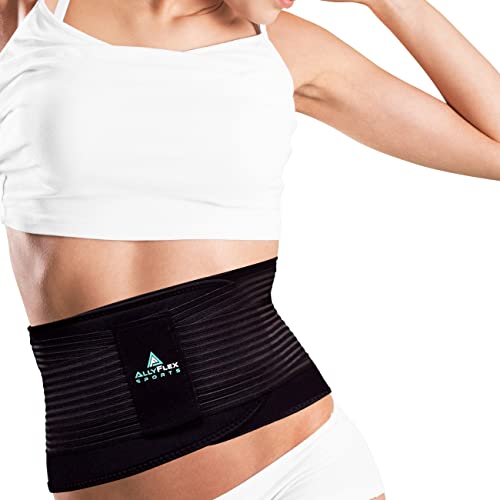
AllyFlex Back Brace with 3D Lumbar Support Pads, Medium

Kodgem Straight Plus Smart Posture Corrector with Necklace for Office Work
More On The Choices That Made The List
Lumbar support means support for the lower back, and the NeoTech Care brace combines a wraparound belt with shoulder suspenders and four flexible stays. Unlike the smoother Bodyprox design, it keeps the brace in position with adjustable compression straps and a breathable, non-stretchy outer fabric.
That construction makes sense for desk work, warehouse shifts, and gym sessions where you want structure without mistaking the brace for a rigid cast. The honest read is that the suspenders add stability, although you may need to adjust them after bending or reaching.
Standout Benefits
- Suspenders help keep the lower-back panel from shifting during long workdays.
- Four flexible stays add support while allowing your torso to move naturally.
- The non-stretchy fabric limits excess movement rather than expanding with every bend.
- Moisture-wicking, breathable construction suits active and office use.
Points To Note
- Measure around your back and consult the size chart rather than relying on trouser size.
- The shoulder straps may interfere with bulky layers or fitted outerwear.
Quick Facts
Who It Suits Best
You get the most benefit from this brace during mixed workdays, workouts, or tasks that involve repeated bending and lifting.
Another Choice May Suit
Bodyprox Back Brace, X-Large is a better fit for you when a conventional wraparound belt with raised nubs suits you better than shoulder-mounted support.
The Bodyprox Back Brace uses an anatomical pad with raised nubs, which are small bumps that create a textured contact point against the lower back. That detail distinguishes it from the NeoTech Care brace, whose four flexible stays focus on firmer structural support.
Adjustable hook-and-loop straps let you tune the fit around your waist, while the nylon-spandex blend keeps the brace light enough for daily routines. Depending on your clothing, the textured pad may be more noticeable than a smooth panel, but it gives this option a distinct feel.
Positive Points
- Raised nubs provide a textured lumbar contact without rigid stays.
- Adjustable straps let you change the snugness throughout the day.
- The flexible fabric supports movement during work or exercise.
Small Caveats
- Measure your abdomen just below the navel before selecting a size.
- The raised pad may feel prominent beneath close-fitting clothing.
- Hand washing and flat drying help preserve the brace’s shape.
Made For
You may prefer this brace for lower-back support during daily tasks, exercise, and long periods in a wraparound belt feels more natural than suspenders.
A Better Fit Elsewhere
NeoTech Care Breathable Lumbar Back Brace with Suspenders, Grey XXL suits you better when keeping the brace centered during vigorous movement matters most.
Upper-back support is the focus here, so the GROKIE corrector makes more sense for rounded shoulders than the lower-back belts earlier in the list. Adjustable straps position the frame across your clavicles and shoulders, encouraging a more upright stance during computer work.
The lightweight construction is designed to remain discreet beneath clothing, and the medium size covers a 32-to-45-inch chest range. You may find the fit most comfortable after a gradual adjustment, beginning with 20 to 30 minutes and building toward an hour during the first two weeks.
Where It Excels
- Targets the upper back and shoulders rather than the lumbar area alone.
- Adjustable straps accommodate different shoulder and torso positions.
- Lightweight fabric can sit beneath many work outfits.
- The gradual-wear schedule gives you time to adjust to the pull.
Trade-Offs To Consider
- Your chest measurement must fall within the listed 32-to-45-inch range.
- Long sessions may feel more noticeable than a standard lower-back belt.
The Main Details
Right Fit For
You fit this brace well when your main concern is slouching during desk work and you want a light garment that can remain under clothing.
Where A Sibling Pick Shines
TOSHOW Posture Bra suits you better when you want posture guidance and bust shaping combined in one front-closing garment.
The TOSHOW Posture Bra blends an everyday bra with wide shoulder straps and a reinforced X-cross back panel that encourages your shoulders back. Unlike the GROKIE frame, it also provides wire-free cups, lifting, and push-up shaping, giving you posture support and garment structure in one piece.
Its front hook-and-eye closure avoids twisting your arms behind your back, a helpful detail during busy mornings or when limited mobility makes rear fastenings inconvenient. The fitted underband is designed to remain stable, while the breathable nylon-spandex fabric handles moisture more comfortably than a heavy support belt.
A Strong Showing
- Wide X-cross straps provide a clear visual cue to pull the shoulders back.
- Wire-free contour cups add shaping without rigid underwire contact.
- Front closure makes the bra easier to put on and remove.
- The underband is designed to resist rolling and digging.
- Black, nude, and leopard options offer outfit flexibility.
Details To Watch
- Consider ordering one size up for a fuller bust.
Who Will Love This
You get the most useful combination from this bra when you want posture guidance, bust shaping, and easy front fastening for daily wear.
Consider Something Else When
AllyFlex Back Brace with 3D Lumbar Support Pads, Medium fits your routine better when your priority is padded lower-back support during active tasks.
Two contoured 3D pads place shaped support directly over the lumbar area, giving the AllyFlex brace a more pronounced lower-back profile than the smooth GROKIE frame. The pads are paired with COOLMAX fiber lining and perforated neoprene, materials chosen to encourage airflow around a busy workout or workday.
The padded design appears most practical when you want noticeable contact around your lower back and plan to adjust the brace as your position changes. It may feel bulkier under slim clothing, but the ventilation-focused construction offers a sensible balance for active routines.
What Pays Off
- Contoured pads focus contact around the lower-back curve.
- Perforated neoprene supports airflow during active use.
- COOLMAX lining helps move moisture away from your skin.
Practical Considerations
- The medium size must correspond with your measurements.
- Contoured padding may create a fuller profile beneath fitted clothes.
- This option targets the lower back rather than rounded shoulders.
Feature Snapshot
Built With In Mind
You benefit most from the AllyFlex design during active work or exercise where padded lumbar contact and ventilation matter more than a low-profile garment.
Reach For A Different Pick When
Bodyprox Back Brace, X-Large may suit you better when you prefer a lighter wraparound belt with adjustable straps and a single raised-nub pad.
The Kodgem Straight Plus takes a different approach from every mechanical brace in the list. Its necklace-style device uses biofeedback to provide a subtle vibration when your sitting or standing position needs attention, making it closer to a posture coach than a compression support.
That approach may help you notice slouching without adding straps, stays, or padded panels to your outfit. You still need to build the habit, however, since the reminder depends on noticing the vibration and adjusting your position yourself.
The Helpful Details
- Subtle vibration provides a discreet reminder to straighten up.
- The necklace format leaves your shoulders and waist free.
- Biofeedback supports a habit-based approach to posture awareness.
- It suits office routines without bulky clothing layers.
Worth Bearing In Mind
- Fully charge the device before its first use.
- You must respond to the vibration rather than relying on continuous mechanical support.
- Wearing a device around your neck may not suit every outfit.
Technical Reference
The Right Fit
You suit this device when your goal is learning to notice slouching through gentle reminders rather than wearing continuous physical support.
Swap It Out When
GROKIE Breathable Posture Corrector for Rounded Shoulders, Medium suits you better when you want a wearable frame that continuously holds your shoulders in a more upright position.
Match The Brace To Your Daily Movement
Your support needs should match the part of your body and the activity creating the most discomfort. A lumbar brace, shoulder corrector, supportive bra, and vibration device may look similar in a drawer, yet each prompts a different adjustment.
Identify The Support Area
A lower-back brace uses lumbar pads, stays, or wraparound compression to support the lower spine. You’ll find that approach more relevant during lifting, walking, standing, or physically demanding work, while a shoulder corrector targets the upper back and clavicle area during desk work.
Check Fit Before Comfort
Measure the area named in the product instructions, not your general clothing size. Compare chest, waist, or abdomen measurements with the listed range, and account for any extra layer you plan to wear beneath the support.
Consider Your Full Routine
Your activity determines how much structure you need. Support for a quick walk differs from guidance during a nine-hour office shift, and a low-profile reminder suits people who prefer feedback over pressure. Think about bending, driving, reaching, and layering before choosing.
Review The Construction
Flexible stays provide structure, raised pads create direct contact, and shoulder straps keep a brace centered. Breathable fabric helps manage heat, but padded sections can still sit more visibly beneath close-fitting clothing.
Common Sense Checks Before You Buy
Mistakes Worth Dodging
A familiar mistake is selecting a brace according to your usual shirt or trouser size. Another is treating every rounded-shoulder problem like a lower-back issue, then wondering why the support feels misplaced. Always use the product’s stated measurement guide and identify your main support area first.
What Separates Premium From Basic
Higher-tier designs often add flexible stays, shaped lumbar pads, moisture-management fabrics, or integrated shoulder support. The extra construction can suit longer or more active wear, though a basic adjustable belt may be enough for occasional use. Pay for a feature that matches your routine rather than added structure you will never use.
Frequently Asked Questions
How Do I Choose The Right Size For A Posture Correcting Brace?
Measure the body area specified in the product instructions and compare it with the listed size range. Do not rely on your normal shirt or trouser size, since braces use different measurements.
Should I Wear A Posture Brace All Day?
Start with a shorter wear period and increase it as your comfort allows. Longer sessions may suit desk work, but you should still remove the brace during sleep and whenever it creates numbness, tingling, or sharp discomfort.
Can A Brace Be Worn Under Clothing?
Lightweight shoulder correctors and smooth support bras can fit beneath many outfits. Padded lumbar braces and rigid stays may create a fuller silhouette, so check your clothing fit before committing.
What Is The Difference Between Lumbar And Upper-Back Support?
Lumbar support targets the lower spine, while upper-back support guides the shoulders and clavicle area. Lumbar braces suit lower-back tasks, and shoulder correctors address rounded posture associated with desk work.
Are Posture Braces Suitable For Exercise?
Lightweight, flexible braces can fit some exercise routines, while heavily padded models may feel restrictive. Choose a breathable option with adjustable tension and avoid using a brace as a substitute for proper movement and conditioning.
Final Verdict
Your best choice depends on where you need support and how much structure feels natural. NeoTech Care leads for broad lower-back coverage, GROKIE suits upper-body desk work, TOSHOW combines posture guidance with shaping, and Kodgem offers reminders instead of pressure. Measure carefully, begin with moderate wear, and choose the design that fits your body and routine without fighting it.
