

A long drive, a demanding shift at work, or an afternoon spent bent over a project can leave your lower back asking for more support. A well-fitted brace may help you feel steadier while sitting, standing, or moving through discomfort associated with sciatica, although comfort and fit matter more than a complicated design.
The six options below cover different needs, from hot and cold therapy to breathable daily wear and substantial support during physical work. Each one uses a distinct construction, so your best choice depends on how long you plan to wear it, how much movement you need, and whether you prefer a soft wraparound belt or a more structured brace.
The Picks In Brief

Bracepost Bionic Spine Back Brace with Reusable Hot and Cold Pack

Health In Breathable Lumbar Compression Belt with Steel Stays, Black
SOLOEVER Ultra Breathable Back Brace

SOLOEVER Lumbar Pad Back Brace

Comfyorthopedic LSO Back Brace for Sciatica and Post-Surgery Support
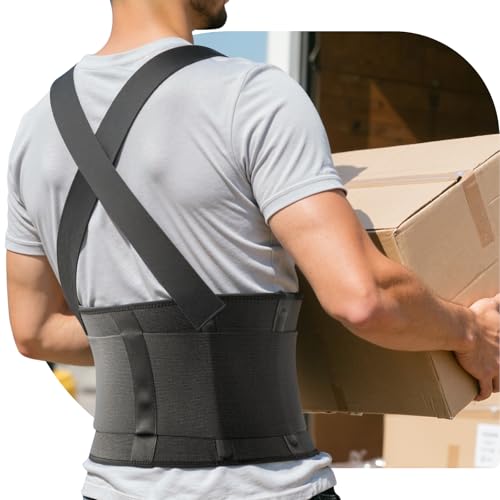
SOLOEVER Adjustable Work Brace
Meet The Standout Selections
Bracepost combines a spine-inspired support structure with a rear pocket for hot or cold therapy. The internal aluminum stays and flexible side springs are intended to support the lumbar region, which is the lower portion of the back, while you sit, stand, lift, or move through the day. That combination makes this a practical option for someone who wants more than simple compression.
Modal fabric and perforated mesh soften the contact points, while silicone sections help reduce shifting during movement. The narrowed front sits closer to your body, which can make it less distracting under a shirt. Compared with the Health In belt’s multiple steel stays, Bracepost takes a more versatile approach by adding temperature therapy and flexible side support.
Reasons It Performs
- Memory-aluminum stays provide structured support around the lower back.
- The rear pocket supports hot or cold pack use at home or away.
- Breathable modal and mesh help manage warmth during longer wear.
- A narrowed front and silicone contact areas help limit rolling and bunching.
- Side spring strips preserve flexibility as you bend or sit.
Practical Considerations
- The added pocket and support pieces may create more bulk than a simple wraparound belt.
- Check that your temperature pack fits the rear pocket and that direct contact remains comfortable.
Key Specs
Who It Suits Best
You benefit most from this brace through mixed daily activities that involve sitting, standing, lifting, and temperature therapy.
Where Another Pick Suits Better
Health In Breathable Lumbar Compression Belt with Steel Stays, Black suits you better when discreet support under clothing and adjustable pulley compression matter most.
A black mesh belt can disappear more easily into work clothes than the bulkier Bracepost design. This Health In model combines a pulley-adjusted closure with four built-in steel stays and three flexible side stays, giving you firm lumbar support without turning the brace into a rigid panel. The trade-off is that steel construction can make deep bending less fluid.
The detachable fabric is washable and can sit over or beneath clothing, making it a sensible choice for long shifts, driving, or errands. Unlike the Bracepost’s integrated temperature pocket, this belt uses a separate removable mesh pocket for hot or cold packs, giving you more freedom to remove the extra layer.
Notable Gains
- Dual-layer pulley and Velcro adjustment lets you control compression.
- Seven steel elements support the lumbar area and resist upward migration.
- Breathable, non-neoprene knit reduces trapped heat.
- The detachable, washable construction suits extended daily wear.
Details To Watch
- Use the sizing chart rather than estimating from your waist measurement.
- The steel stays may feel restrictive during deep bends or prolonged floor-level work.
- Hot and cold packs are not included with the removable mesh pocket.
Feature Snapshot
Made For
You get the most useful fit from this belt through all-day wear, especially beneath clothing or during seated work.
Consider Something Else When
Bracepost Bionic Spine Back Brace with Reusable Hot and Cold Pack suits you better when temperature therapy is a daily priority.
SOLOEVER takes a different approach from the steel-stay belts by centering its support on a 26-degree bionic panel. The angled shape follows the lumbar curve and covers the L1 through L5 vertebrae, giving you a focused support surface rather than a wide field of separate stays. For a long workday, that panel-led approach may feel more deliberate and less bulky than a full belt.
Breathability is the defining feature here, making this design appealing for people who find conventional neoprene braces too warm. Compared with Health In’s distributed steel construction, the single curved panel offers a different balance between structure and movement. You may find it most useful for steady support while sitting, standing, or moving through a normal day.
The Helpful Details
- The 26-degree panel follows the natural lumbar curve for focused support.
- Breathable construction suits longer wear in warm settings.
Possible Compromises
- The pronounced panel angle may feel more noticeable beneath close-fitting clothing.
- You may prefer Health In’s multiple stays if distributed flexibility matters more than a sculpted profile.
Right Fit For
You benefit most from an airy brace that provides focused lumbar contact during long periods of seated or upright activity.
Not Your Match When
Comfyorthopedic LSO Back Brace for Sciatica and Post-Surgery Support suits you better when rigid, substantial support is the priority.
A padded lumbar section gives this SOLOEVER brace a gentler, more focused feel than the rigid Comfyorthopedic LSO model. The pad is positioned to support the lower back during ordinary movement, so it makes sense for someone seeking steadiness without the pronounced structure of a recovery brace. Its simpler design also keeps the decision straightforward.
That focus suits desk work, driving, standing at home, or light activity where you want support around the lumbar region. Compared with SOLOEVER Ultra Breathable Back Brace, this model emphasizes a pad rather than a curved panel. The honest read is that this could be your choice when uncomplicated lumbar contact matters more than thermal therapy or a complex support system.
Well-Handled Touches
- The lumbar pad provides targeted contact around the lower back.
- A focused design suits general sitting, standing, and movement.
- Simpler construction can feel less demanding during ordinary wear.
Trade-Offs To Consider
- The pad-centered design offers less structure than a rigid LSO brace, so check the fit carefully around your waist.
Best Suited To
You get the most benefit through everyday activities that call for targeted lumbar support without maximum rigidity.
Look Elsewhere When
SOLOEVER Adjustable Work Brace suits you better for construction, warehousing, and other physically demanding shifts.
The Comfyorthopedic LSO brace is the most substantial option in this group, with a rigid lumbar-support format designed to cover L1 through L5. That wider, sturdier construction makes it relevant to post-surgery support and more serious lower-back recovery, where the priorities differ from simply staying comfortable through a desk shift. The trade-off is less freedom for frequent bending.
Unlike the mesh designs from Health In and SOLOEVER, this brace approaches support as a more defined frame around the waist. That can help you feel steadier during limited movement, although the rigid construction may take some time to become familiar. For recovery decisions, match the L0648 or L0631 model to your care team’s instructions and your required support level.
Standout Benefits
- Rigid LSO construction provides substantial lumbar support.
- The support area spans the L1 through L5 region.
- Post-surgery and recovery use is central to the design.
Where It Is Less Suited
- The rigid format can feel restrictive during frequent bending or active movement.
- It may take more adjustment to become comfortable than a soft mesh belt.
- Post-surgery use should follow the sizing and model guidance from your care team.
Core Details
Who Will Love This
You benefit most from this brace when a rigid frame and broad lumbar coverage matter more than lightweight discretion.
A Better Fit Elsewhere
Health In Breathable Lumbar Compression Belt with Steel Stays, Black suits you better for adjustable, breathable support during extended daily wear.
Work shifts reward a brace built around movement rather than desk-bound comfort. This SOLOEVER model provides adjustable lower-back support for physically demanding tasks, including construction, warehousing, and repeated lifting. Its purpose is straightforward: help you maintain a steadier position while bending, carrying, and moving around a worksite.
Compared with the Health In belt, this option is framed more directly around occupational use, though both provide adjustable support. You may find it useful when a general-purpose lumbar belt feels too casual for a demanding job. The important step is adjusting it firmly enough to remain stable without restricting your breathing or natural stride.
The Value In It
- Adjustable construction accommodates different body shapes and work needs.
- Lower-back support is designed for lifting and physically demanding tasks.
- A work-focused design suits construction and warehouse routines.
- You can secure the brace firmly for stability during movement.
Small Limitations
- Its occupational focus makes it less compelling for light, desk-based support.
- An overly loose adjustment will not provide the intended support, so check the fit before lifting.
At A Glance
Built With In Mind
You get the most benefit through active jobs involving repeated bending, carrying, and warehouse or construction tasks.
Reach For A Different Pick When
SOLOEVER Lumbar Pad Back Brace suits you better for quieter everyday wear centered on comfortable lumbar contact.
What Matters Most in a Sciatica Brace
Support Style and Coverage
A soft wraparound belt usually fits better beneath clothing and allows freer bending than a rigid lumbar-support frame. A structured brace with steel stays or an LSO design offers firmer contact across the lower back, which can suit recovery or restricted-movement situations. Read “lumbar” as the lower-back region, where the support panel, pad, or stays concentrate their contact.
Fit and Daily Use
Measure your waist and follow the sizing chart rather than relying on a loose clothing size. A brace should sit securely without digging into your ribs, restricting breathing, or limiting your stride. You also need to consider whether you will wear it over a shirt, beneath work clothes, or for a shorter recovery period.
Comfort Under Pressure
Breathable mesh helps reduce heat buildup during extended wear, while perforated fabric and soft edging can improve comfort around sensitive areas. Removable or washable parts make care easier, particularly after a physically demanding shift. For temperature therapy, confirm that the rear pocket accepts the pack you plan to use and allows the brace to remain flat.
When More Structure Helps
Rigid braces make the most sense when substantial support and controlled movement take priority over discretion. Soft compression belts are easier to tolerate during sitting, walking, and routine chores. Pay attention to the trade-off: added structure can feel steadier, but it may also restrict deep bends and movement.
Details Worth Checking Before Checkout
Mistakes Worth Dodging
Avoid choosing solely by the word “rigid” or assuming a larger brace gives more support. A poorly fitted brace can bunch, roll, or press unevenly, while a lightweight belt may be more appropriate for your routine. Match the construction to your activity and use the product’s sizing information before narrowing the choice.
What Separates Premium From Basic
A higher-tier brace may add multiple stays, a shaped support panel, refined adjustment hardware, or hot and cold compatibility. Those features matter when your day includes long wear periods, physical work, or frequent changes in position. A simpler mesh belt can be the more sensible choice when discretion and easy movement matter most.
Frequently Asked Questions
Can a sciatica brace cure nerve-related back pain?
A brace can support the lower back and limit uncomfortable movement, but it does not address the underlying source of nerve symptoms. Persistent or worsening symptoms deserve evaluation by a qualified healthcare professional.
How tight should a sciatica brace feel?
It should feel secure without restricting breathing, circulation, or natural movement. Start with a snug adjustment and loosen it if the belt digs into your skin or keeps you from bending comfortably.
Can you wear a lumbar brace under clothing?
Some models are designed to sit over or beneath clothing, including Health In Breathable Lumbar Compression Belt with Steel Stays, Black. Check the product’s fit guidance and wear a thin base layer if the fabric or closures irritate your skin.
Which brace supports hot and cold therapy?
Bracepost Bionic Spine Back Brace with Reusable Hot and Cold Pack includes a rear pocket designed for temperature use. Confirm that your chosen pack fits the pocket and remains comfortable against your back.
Which option is best for lifting and warehouse work?
SOLOEVER Adjustable Work Brace is designed for physically demanding tasks, including construction, warehousing, and heavy lifting. Adjust it securely before work so it stays stable without restricting your stride.
Final Verdict
Your best choice comes down to activity and structure. Bracepost stands out for temperature therapy, Health In for adjustable breathable wear, SOLOEVER’s panel and pad designs for lighter daily support, Comfyorthopedic for rigid recovery support, and the work-focused SOLOEVER belt for physical jobs. Start with the fit, then choose the construction that matches your day.
