

A long shift behind a truck wheel or a full day at a desk can leave your lower back feeling compressed and achy. A well-shaped cushion can redistribute pressure across your hips and sit bones while supporting a more comfortable seated position. The right match depends on whether your main problem is seat pressure, lumbar support, or pressure around the tailbone.
The Shortlist At A Glance
SSPATIOS L-Shaped Memory Foam Seat Cushion with Adjustable Strap, Black Gray
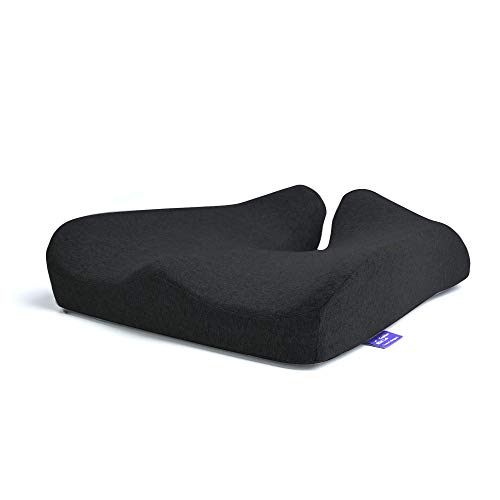
C CUSHION LAB Patented Pressure Relief Seat Cushion, Extra-Dense Black

PRIMART Memory Foam Seat Cushion for Pressure Relief with Ergonomic Cutout Channel
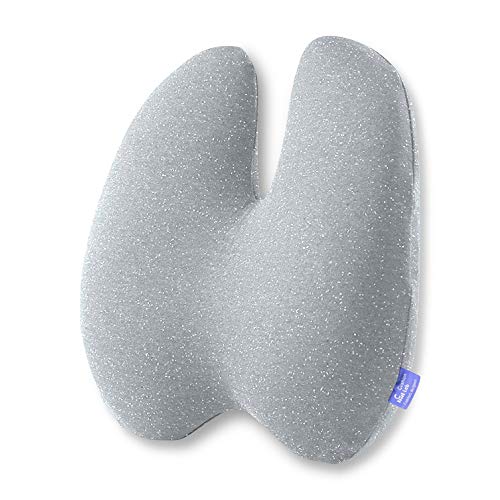
C CUSHION LAB Extra Dense Firm Multi-Region Lumbar Support Pillow with Strap, Grey

C CUSHION LAB Extra Dense Ergonomic Cervical Memory Foam Pillow with Organic Cotton Cover

Back-Huggar Thin Bucket Lumbar Cushion, Beige
More Details on the Top Picks
Long-haul drivers and desk workers can benefit from the way this cushion combines a seat pad with a raised lumbar section. You get an L-shaped profile that supports the lower back and hips rather than adding only a flat layer beneath you. The adjustable strap helps keep the cushion in place on office chairs, truck seats, dining chairs, sofas, and wheelchairs.
High-density memory foam gives you a firmer starting point that gradually responds to body heat and weight. Unlike the PRIMART Memory Foam Seat Cushion with Ergonomic Cutout Channel, this design emphasizes lumbar and hip support without relying on a center opening. A hollow coccyx area and anti-slip base add practical comfort for extended sitting, although the raised profile may take some adjustment.
Notable Upsides
- You get combined seat and lumbar support in one L-shaped cushion.
- Slow-rebound memory foam adapts rather than immediately feeling rigid.
- The adjustable strap helps prevent shifting during longer drives.
- Anti-slip dots improve stability across several chair types.
- A washable zippered cover simplifies routine cleaning.
Practical Considerations
- The raised design may feel bulky on a shallow dining chair or compact car seat.
- You should air-dry the foam core rather than machine-washing the entire cushion.
At A Glance
Made For
You benefit most from this cushion during long drives or desk sessions that call for combined seat and lumbar support.
Where Another Pick Suits Better
Back-Huggar Thin Bucket Lumbar Cushion suits people who want a slimmer profile for a bucket-style vehicle seat.
Your hips can bear much of the pressure created by sitting on a hard office chair, and this cushion directs support around the thigh and hip area. The contoured shape helps you sit more upright, while the extra-dense memory foam offers a softer landing without looking excessively plush. It suits a desk chair, dining chair, or car seat that lacks built-in padding.
Compared with the SSPATIOS L-Shaped Memory Foam Seat Cushion with Adjustable Strap, this option stays focused on the seat rather than adding a substantial lumbar section. That makes the profile easier to introduce into a chair with limited space. You may find the sculpted surface more noticeable during the first few sits, especially with slimmer clothing.
Practical Advantages
- You get shaped support beneath the hips and thighs.
- Extra-dense memory foam provides a supportive starting surface.
- The compact profile suits office and home chairs.
- Car use gives you a familiar option for longer commutes.
Trade Offs
- The raised contours may initially feel prominent against your legs.
- You receive seat support rather than the adjustable back support offered by the C CUSHION LAB Extra Dense Firm Multi-Region Lumbar Support Pillow with Strap.
Quick Facts
Who It Suits Best
You benefit most from this cushion when you spend long periods in an office or car and prefer shaped seat support without a tall back section.
Reach For A Different Pick When
PRIMART Memory Foam Seat Cushion with Ergonomic Cutout Channel suits people whose discomfort centers around the tailbone rather than the broader hip area.
Your tailbone area calls for a different approach from a broad hip cushion, and the PRIMART design centers on a cutout with a sculpted channel. You get a central area that leaves more room around the coccyx while the surrounding surface follows the general shape of your pelvis. That focused approach can feel more relevant after a long drive or a full work shift.
The contoured seat surface aims to spread support more evenly between the sit bones, which are the bony points on which you sit. Compared with the broad L-shaped SSPATIOS cushion, this option makes a more specific promise: pressure relief around the tailbone region. The open-center design is the main reason to consider it, so you should be comfortable with a less continuous seating surface.
Advantages To Know
- You get a dedicated cutout and channel around the tailbone area.
- The pelvic-shaped surface supports a more even seated position.
- Memory foam gives you pressure-responsive comfort during long sits.
Things To Consider
- The center opening may not suit you if you prefer a completely flat cushion.
- You should check that your clothing and chair style suit the sculpted surface.
- This focused tailbone design does not provide the multi-region back support found in the C CUSHION LAB Extra Dense Firm Multi-Region Lumbar Support Pillow with Strap.
The Right Fit
You benefit most from this cushion when pressure around the coccyx or tailbone is your main concern during desk or vehicle sitting.
Look Elsewhere When
Back-Huggar Thin Bucket Lumbar Cushion suits people who need a slim lumbar pad for a bucket seat without a central cutout.
Some chairs leave your lower back unsupported, and this pillow targets that gap with firm, contoured support. You can place it behind your lower back and use the strap to keep it connected to an office chair, car seat, sofa, or airplane seat. The multi-region shape extends support beyond the lumbar area toward the middle and upper-middle back.
Unlike a seat pad that changes the surface beneath your hips, this design leaves your chair’s original seating area in place. That distinction matters for people who find seat cushions too bulky. The extra-dense construction provides a pronounced support profile, so you may need a short adjustment period, especially in a vehicle with deeply reclined seats.
Where It Delivers
- You get firm support across several regions of the back.
- The strap helps keep the pillow from moving during travel.
- Office, car, sofa, and airplane use give you broad placement options.
- The grey finish suits most neutral vehicle and office interiors.
- You can keep your chair’s original seat surface and add back support separately.
Areas To Watch
- The firm profile may feel intense if you prefer soft compression.
- You should check the strap and cushion placement against your chair shape.
Technical Highlights
Built With In Mind
You benefit most from this pillow when your chair supports your hips but leaves your lower back unsupported.
A Better Fit Elsewhere
C CUSHION LAB Patented Pressure Relief Seat Cushion, Extra-Dense Black suits people whose main concern is pressure beneath the hips rather than behind the back.
Sleep can add its own version of neck discomfort, especially when your pillow leaves your head tilted or your neck unsupported. This cervical pillow uses a recessed head area, a raised neck ramp, and a higher cheek section to guide your head into a more centered position. Back sleepers and side sleepers can use the different contours for their preferred positions.
There is one important distinction: this is a sleep pillow, not a seat cushion. You will find the extra-dense memory foam and organic cotton cover more relevant to nighttime comfort than to pressure beneath your hips while driving. Compared with the Back-Huggar Thin Bucket Lumbar Cushion, this option supports the head and neck rather than the seated lower back.
Good Reasons To Consider
- You get separate shaping for your head, neck, and cheek area.
- The neck ramp encourages a more level resting position.
- Memory foam provides a responsive surface around your head and neck.
- An organic cotton cover gives you a natural-fiber outer layer.
Worth Bearing In Mind
- You need a bed pillow rather than seated support from this option.
- The extra-dense feel may not suit people who sink deeply into soft pillows.
- You should compare the pillow height and contours with your sleeping position before replacing a familiar pillow.
Who Will Love This
You benefit most from this pillow when your neck feels uncomfortable during sleep and you prefer firm, position-specific contours.
Another Choice May Suit
SSPATIOS L-Shaped Memory Foam Seat Cushion with Adjustable Strap suits people who need combined hip and lumbar support during driving or desk work.
A thin cushion can make a surprising difference in a vehicle seat with pronounced side bolsters. You get a contoured lumbar surface that supports the curve of your lower back without turning the cabin into a bulky setup. The orthopedic-grade foam is designed to hold its shape through repeated use, making the beige pad easy to place behind you in a car or at your desk.
Compared with the C CUSHION LAB Extra Dense Firm Multi-Region Lumbar Support Pillow with Strap, this option has a lower-profile format suited to bucket-style seats. You give up the broader multi-region support and adjustable strap, but gain a slimmer form that works well in confined vehicles. For a short commute, that trade can feel sensible.
Useful Highlights
- You get a slim cushion designed for bucket-style vehicle seats.
- Contoured foam supports the lower back while keeping the cabin uncluttered.
Potential Compromises
- The low profile offers less support than a taller lumbar pillow.
- You receive no visible strap or multi-region back coverage.
- The beige color suits neutral interiors but will stand out in a darker cabin.
Feature Snapshot
Best Suited To
You benefit most from this cushion in a bucket-style car seat where a slim, low-profile lumbar pad is easier to position.
Where A Sibling Pick Shines
SSPATIOS L-Shaped Memory Foam Seat Cushion with Adjustable Strap suits people who want seat, hip, and lumbar support in one portable design.
Matching Cushion Shape to Your Sitting Routine
Map Your Longest Sitting Blocks
Start with the chair that occupies most of your day. A truck seat calls for a cushion that stays in place, while a work chair may need either a seat pad or a separate lumbar support. Record how long you usually remain in each position so you can judge which cushion handles the most important part of your routine.
Identify The Pressure You Notice
A center channel makes sense when your discomfort centers around the tailbone. Broad hip and thigh shaping addresses a broader area beneath you, while a raised lumbar section targets the space between your lower back and the chair. Different pressure patterns call for different shapes, so identify the area before choosing the thickness.
Compare Foam Feel And Profile
Dense foam offers a firm starting point and gradually responds to your body heat. A low-profile cushion preserves the roomier feel of a chair, whereas a thicker design creates a noticeable change in seat height. You may prefer one density over another, so consider how much compression you find comfortable during long sessions.
Check Fit Before You Order
You should compare the cushion shape with your chair, including bucket-style bolsters, flat office seats, and sofas. Straps need enough clearance to fasten, while center openings and raised sections change the available surface. Check the listed measurements and placement images against your chair before ordering.
Two Details That Shape Your Decision
Mistakes Worth Dodging
Avoid choosing a cushion solely by color or appearance. You also need to match the support area to the discomfort you notice and confirm that the cushion can stay in position. Thick is not always better, since added height can alter legroom and room under a desk.
What Separates Premium From Basic
Higher-tier models often use denser foam, more detailed shaping, secure straps, or washable covers. Those features help when you use a cushion daily or move it between several chairs. A simpler model can still work well for occasional use on one well-fitting seat.
Frequently Asked Questions
Can A Seat Cushion Help With Back Pain?
A contoured cushion can reduce pressure beneath your hips and support your seated position. It does not diagnose the cause of back pain, so persistent discomfort deserves professional attention.
Which Cushion Shape Works Best For A Tailbone?
A cushion with a central cutout or channel leaves more space around the coccyx. Broad hip-and-thigh shaping works better when pressure spreads across a wider area.
Is Memory Foam Better Than Firm Foam?
Memory foam adapts more gradually as body heat and weight reach the cushion. Firm foam keeps a more consistent shape, so your preference depends on whether you want softer contouring or steady support.
Should You Choose A Seat Cushion Or Lumbar Pillow?
Choose a seat cushion for pressure beneath your hips or tailbone. Choose a lumbar pillow when your chair supports your seat but leaves a gap behind your lower back.
How Do You Check That A Cushion Fits Your Chair?
Compare the cushion dimensions and shape with the chair’s seat, back, and available strap clearance. You also need enough legroom for the added seat height.
Final Thoughts
The SSPATIOS L-Shaped Memory Foam Seat Cushion with Adjustable Strap offers the most complete combination of seat, hip, and lumbar support for drivers and desk workers. Tailbone-focused shoppers may prefer PRIMART, while firm back support points toward the C CUSHION LAB Extra Dense Firm Multi-Region Lumbar Support Pillow with Strap. Match the cushion to your pressure pattern, chair shape, and daily routine rather than expecting every design to solve the same problem.
